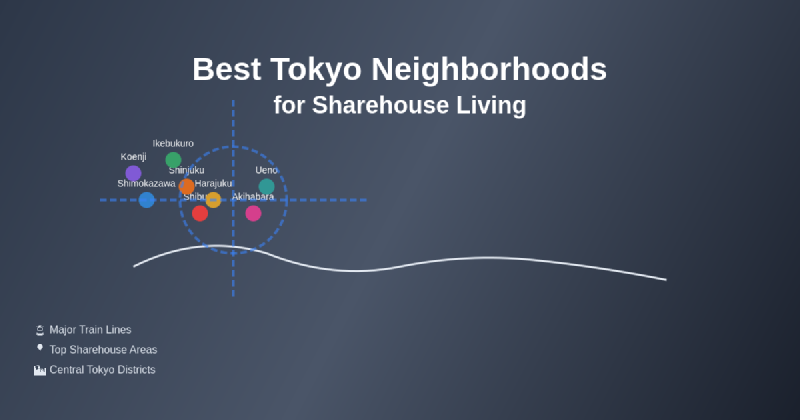
Tokyo’s sprawling metropolitan landscape offers an incredible diversity of neighborhoods, each presenting unique advantages and characteristics that can dramatically influence your sharehouse living experience. Choosing the right area represents one of the most crucial decisions for international residents, as it affects everything from daily commute times and living costs to social opportunities and cultural immersion. The perfect neighborhood balance combines affordability, convenience, safety, and community atmosphere while aligning with your personal lifestyle preferences and professional requirements.
Understanding the distinctive personality and practical advantages of Tokyo’s most sharehouse-friendly neighborhoods empowers you to make informed location decisions that enhance your overall Japanese living experience. Each district offers different combinations of rental prices, transportation access, entertainment options, and international community presence, creating opportunities to find the ideal match for your specific needs and preferences.
Shibuya: The Pulse of Modern Tokyo
Shibuya stands as one of Tokyo’s most iconic and energetic districts, offering unparalleled access to entertainment, shopping, and cultural experiences that define modern Japanese urban life. The area’s famous crossing, vibrant nightlife, and concentration of international businesses create an atmosphere of constant excitement and opportunity that attracts young professionals and students from around the world.
Sharehouse options in Shibuya range from premium co-living spaces in modern high-rise buildings to converted traditional buildings that offer more affordable alternatives. The premium pricing reflects the area’s desirability and convenience, with most sharehouses featuring contemporary amenities and English-speaking management services that cater specifically to international residents.
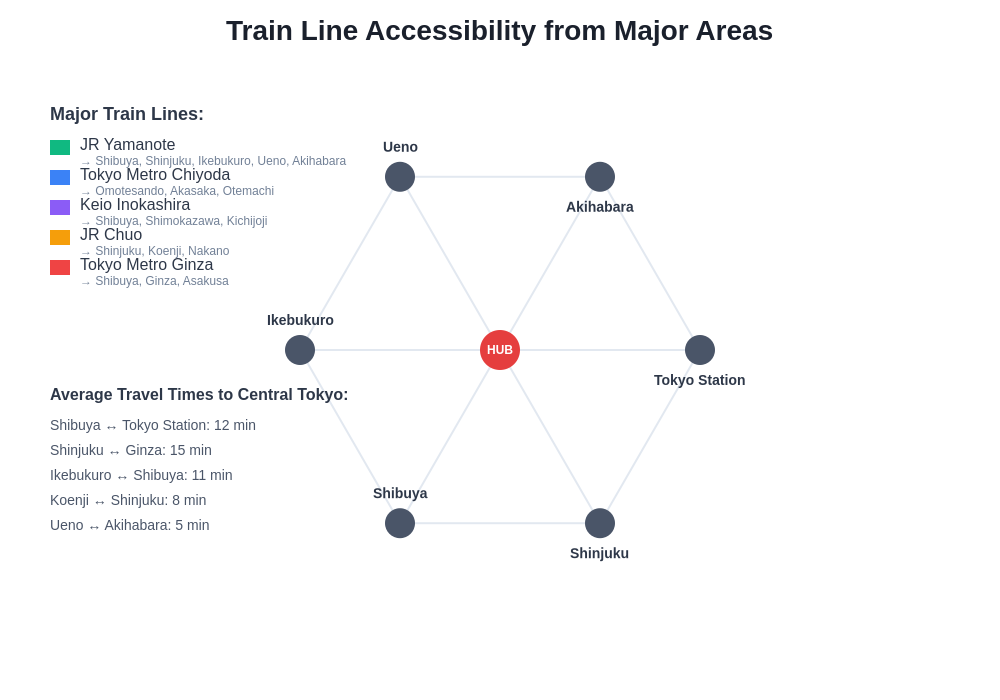
Transportation connectivity from Shibuya provides exceptional access to virtually every part of Tokyo through multiple train lines including JR Yamanote, Tokyo Metro, and private railway connections. How commute times impact your quality of life becomes particularly relevant when considering Shibuya’s central location and its impact on daily travel efficiency.
The neighborhood’s international atmosphere creates natural networking opportunities for career development and cultural exchange, while the abundance of restaurants, cafes, and entertainment venues ensures you’ll never lack for social activities or dining options within walking distance of your sharehouse.
Shinjuku: Business Hub with Diverse Living Options
Shinjuku’s status as a major business and administrative center makes it an attractive option for professionals working in Tokyo’s corporate sectors, while its diverse districts offer varying price points and lifestyle atmospheres. The area encompasses everything from the bustling business district around the station to quieter residential pockets that provide refuge from the urban intensity.
The sharehouse market in Shinjuku reflects this diversity, with options ranging from luxury co-living spaces near the station to more affordable traditional-style houses in the surrounding residential areas. Many sharehouses in this area specifically cater to working professionals, offering amenities such as co-working spaces, networking events, and proximity to major corporate offices.
Shinjuku’s transportation hub status provides unmatched connectivity to every corner of Tokyo and beyond, making it an ideal base for those who need to travel frequently for work or exploration. The area’s extensive shopping, dining, and entertainment infrastructure means most daily needs can be met without leaving the immediate neighborhood.
Living costs in Tokyo sharehouses explained helps understand how Shinjuku’s central location affects overall monthly expenses, particularly regarding transportation savings that can offset higher accommodation costs.
Harajuku and Omotesando: Culture and Creativity Central
The Harajuku and Omotesando areas represent Tokyo’s creative heart, attracting artists, fashion enthusiasts, and cultural explorers who seek inspiration and authentic Japanese pop culture experiences. These neighborhoods offer unique sharehouse opportunities that often emphasize community creativity and cultural exchange over pure convenience or cost efficiency.
Sharehouses in this area frequently feature artistic themes, creative workshops, and residents involved in fashion, design, music, and other creative industries. The community atmosphere tends to be more collaborative and culturally focused, creating opportunities for artistic projects and cross-cultural creative endeavors.
The area’s proximity to major cultural attractions, galleries, museums, and trend-setting shopping districts provides constant inspiration and entertainment options. Residents often find themselves at the center of Tokyo’s cultural evolution, with easy access to events, exhibitions, and social gatherings that define contemporary Japanese culture.
Transportation access through Harajuku and Omotesando stations connects residents to both central Tokyo business districts and suburban areas, while the neighborhood’s walkable layout encourages exploration and discovery of hidden cafes, boutiques, and cultural spaces.
Ikebukuro: Balanced Urban Living
Ikebukuro offers an excellent compromise between central location convenience and more reasonable living costs, making it particularly attractive for students and young professionals who want urban access without premium pricing. The area’s large station complex and surrounding commercial development provide comprehensive shopping and entertainment options while maintaining a more relaxed atmosphere than Shibuya or Shinjuku.
Sharehouse availability in Ikebukuro is extensive, with numerous operators offering various styles and price points to accommodate different budgets and preferences. The area’s popularity among international students creates a naturally diverse and welcoming community atmosphere within many sharehouses.
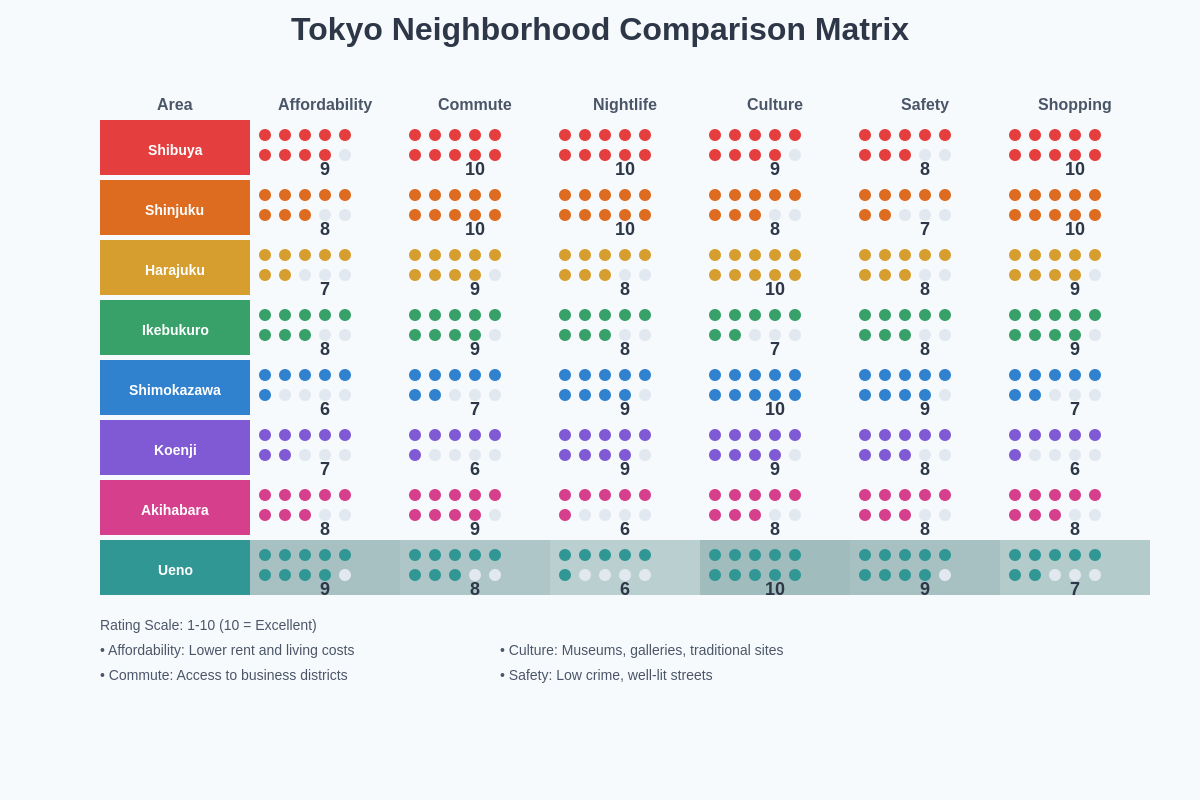
Student sharehouses near top Tokyo universities highlights Ikebukuro’s strategic position for accessing multiple educational institutions, while its business connections make it equally suitable for working professionals.
The neighborhood’s extensive train connections provide efficient access to major business districts, universities, and entertainment areas throughout Tokyo, while local amenities including department stores, restaurants, and services create a self-contained living environment that reduces travel necessity for daily needs.
Shimokazawa: Bohemian Charm and Community
Shimokazawa has earned recognition as one of Tokyo’s most livable neighborhoods, offering a bohemian atmosphere that attracts creative professionals, artists, and residents seeking a more relaxed alternative to central Tokyo’s intensity. The area’s narrow streets, vintage shops, small theaters, and independent cafes create a village-like atmosphere within the metropolitan setting.
Sharehouse options in Shimokazawa tend to emphasize community building and cultural exchange, with many houses organizing regular events, workshops, and social gatherings that foster strong resident relationships. The area’s artistic reputation attracts like-minded individuals who value creativity, sustainability, and alternative lifestyle approaches.
The neighborhood’s excellent train connections via the Keio Inokashira and Odakyu lines provide direct access to central Tokyo areas including Shibuya and Shinjuku, while maintaining the quiet residential character that makes it ideal for those seeking work-life balance.
Making friends through Tokyo sharehouse communities becomes particularly relevant in Shimokazawa’s tight-knit community environment, where neighborhood relationships often extend beyond individual sharehouses to include local businesses and cultural organizations.
Koenji: Alternative Culture and Affordability
Koenji represents Tokyo’s alternative culture hub, attracting musicians, artists, and young professionals who appreciate vintage culture, live music venues, and a more affordable lifestyle without sacrificing urban convenience. The area’s numerous live houses, vintage clothing stores, and independent businesses create a unique cultural atmosphere that appeals to creative individuals.
Sharehouse prices in Koenji are generally more affordable than central Tokyo areas, making it attractive for budget-conscious residents who still want easy access to major districts. Many sharehouses in the area reflect the neighborhood’s alternative character, featuring artistic decoration, music rooms, and creative communal spaces.
The area’s train connections via JR Chuo and Tokyo Metro provide efficient access to central business districts, while the local culture encourages walking and cycling for nearby destinations. Koenji’s numerous bars, live music venues, and cultural events provide abundant entertainment options within the immediate neighborhood.
Cheaper sharehouse options in Tokyo suburbs explains how areas like Koenji offer cost savings while maintaining cultural richness and transportation convenience that make them attractive alternatives to expensive central locations.
Akihabara: Tech Hub and Subculture Center
Akihabara’s reputation as Tokyo’s electronics and anime culture center makes it particularly appealing to technology professionals, gamers, and enthusiasts of Japanese pop culture. The area’s concentration of electronics stores, gaming centers, and anime-related businesses creates a unique urban environment that attracts residents with specific cultural interests.
Sharehouses in Akihabara often cater to tech workers and pop culture enthusiasts, featuring high-speed internet, gaming areas, and communities of like-minded residents. The area’s central location and excellent train connections make it practical for commuting to various parts of Tokyo while enjoying the neighborhood’s specialized cultural offerings.
The district’s transformation from purely electronics-focused to a broader tech and cultural hub has created new dining, entertainment, and residential development that supports a growing residential population. Modern sharehouses in the area balance the neighborhood’s technical character with comfortable living amenities.
How to find perfect sharehouse tokyo provides guidance on identifying sharehouses that match specific interests and professional needs, particularly relevant for specialized areas like Akihabara.
Ueno: Cultural Heritage and Accessibility
Ueno combines cultural significance with practical advantages, offering residents access to major museums, parks, and cultural institutions while maintaining more affordable housing options than central entertainment districts. The area’s numerous temples, Ueno Park, and concentration of museums create a peaceful and intellectually stimulating environment.
Sharehouse options in Ueno appeal to culturally-minded residents who appreciate easy access to Tokyo’s artistic and historical attractions. The neighborhood’s more traditional character and slower pace provide a calming contrast to Tokyo’s busier districts while maintaining excellent transportation connections.
The area’s proximity to Tokyo Station and extensive train network make it convenient for business travelers and professionals who need flexibility in their commuting options. Ueno’s cultural institutions and events provide constant opportunities for learning and cultural engagement.
Japanese sharehouse rules every foreigner should know becomes particularly important in traditional areas like Ueno, where cultural sensitivity and respect for local customs enhance the living experience and community relationships.
Ebisu and Daikanyama: Upscale Residential Charm
Ebisu and Daikanyama represent Tokyo’s more upscale residential districts, offering sophisticated urban living with excellent access to central areas while maintaining quieter, more refined neighborhood characteristics. These areas attract working professionals and residents who prioritize quality of life and are willing to pay premium prices for enhanced living environments.
Sharehouse options in these areas tend to be higher-end, featuring superior amenities, professional management, and communities of established professionals. The neighborhoods’ reputation for quality restaurants, boutique shopping, and cultural sophistication creates an elevated living experience.
Transportation connections provide efficient access to major business districts, while the local environment encourages walking and exploration of upscale shopping and dining options. The areas’ safety, cleanliness, and general quality of urban infrastructure make them particularly appealing to professionals and families.
Luxury sharehouses worth the extra cost in tokyo explores when premium pricing becomes worthwhile for enhanced amenities, location quality, and community standards that areas like Ebisu and Daikanyama typically offer.
Sumida and Eastern Districts: Emerging Opportunities
Tokyo’s eastern districts, including Sumida and surrounding areas, represent emerging opportunities for sharehouse living as urban development and improved transportation infrastructure make these areas increasingly attractive. These neighborhoods offer more spacious accommodations and lower costs while maintaining reasonable access to central Tokyo.
Recent development projects and transportation improvements have enhanced these areas’ appeal, creating new sharehouse opportunities that offer better value for money. The neighborhoods often feature more traditional Japanese architecture and community atmosphere alongside modern conveniences.
The areas’ growing international communities and improving amenities make them attractive options for residents seeking authentic Tokyo experiences without central district pricing. Cultural attractions, parks, and traditional shopping districts provide local entertainment and exploration opportunities.
How to calculate your true living costs helps evaluate whether distance-related savings in areas like Sumida offset transportation costs and time investments required for accessing central Tokyo facilities and employment.
Choosing Your Ideal Neighborhood Match
Selecting the perfect Tokyo neighborhood for sharehouse living requires careful consideration of personal priorities, lifestyle preferences, professional requirements, and budget constraints. Each area offers distinct advantages and trade-offs that appeal to different resident types and life situations.
Consider factors such as commute requirements, social preferences, cultural interests, budget limitations, and long-term goals when evaluating neighborhood options. Living with japanese roommates in tokyo sharehouses may influence neighborhood selection based on areas’ international vs. local resident concentrations.
Visit potential neighborhoods at different times and days to understand their changing character and confirm compatibility with your daily routines and preferences. Talk to current sharehouse residents in areas of interest to gain authentic insights into daily living experiences and community dynamics.
The best neighborhood choice balances practical considerations with personal fulfillment, creating a living situation that enhances your overall Tokyo experience while supporting your professional and personal development goals. Tokyo’s excellent transportation system means that even suburban choices can provide reasonable access to central opportunities while offering unique local advantages and cost savings.
Your neighborhood selection will significantly influence your sharehouse experience, social opportunities, and overall satisfaction with Tokyo living, making thorough research and personal reflection essential components of the decision-making process.
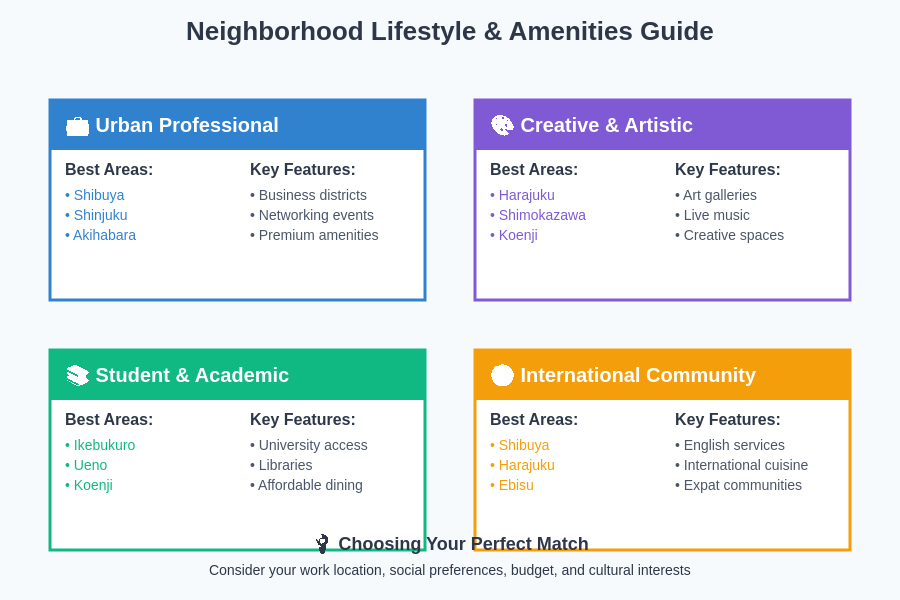
The diversity of Tokyo’s neighborhoods ensures that every resident can find a community that matches their lifestyle preferences, professional needs, and cultural interests, creating the foundation for a successful and fulfilling sharehouse experience in Japan’s dynamic capital city.
Disclaimer
This article is for informational purposes only and does not constitute professional advice. Tokyo neighborhoods are constantly evolving, and rental markets, transportation options, and local characteristics may change. Readers should conduct their own research and visit areas personally before making housing decisions. Individual experiences may vary based on personal preferences, lifestyle requirements, and specific sharehouse properties and management.