
Tokyo Station stands as the beating heart of Japan’s business world, surrounded by towering corporate headquarters, prestigious financial institutions, and bustling commercial districts that define the modern Japanese economy. For professionals seeking to minimize commute times while maximizing career opportunities, sharehouses in the vicinity of Tokyo Station represent the ultimate combination of convenience, networking potential, and strategic positioning within Japan’s most influential business ecosystem.
The premium nature of central Tokyo real estate means that sharehouses near major business districts command higher prices than suburban alternatives, yet the investment often proves worthwhile for career-focused individuals who prioritize time efficiency, professional networking opportunities, and proximity to industry events, conferences, and after-work business activities that frequently occur in these prestigious areas.
Strategic Advantages of Business District Living
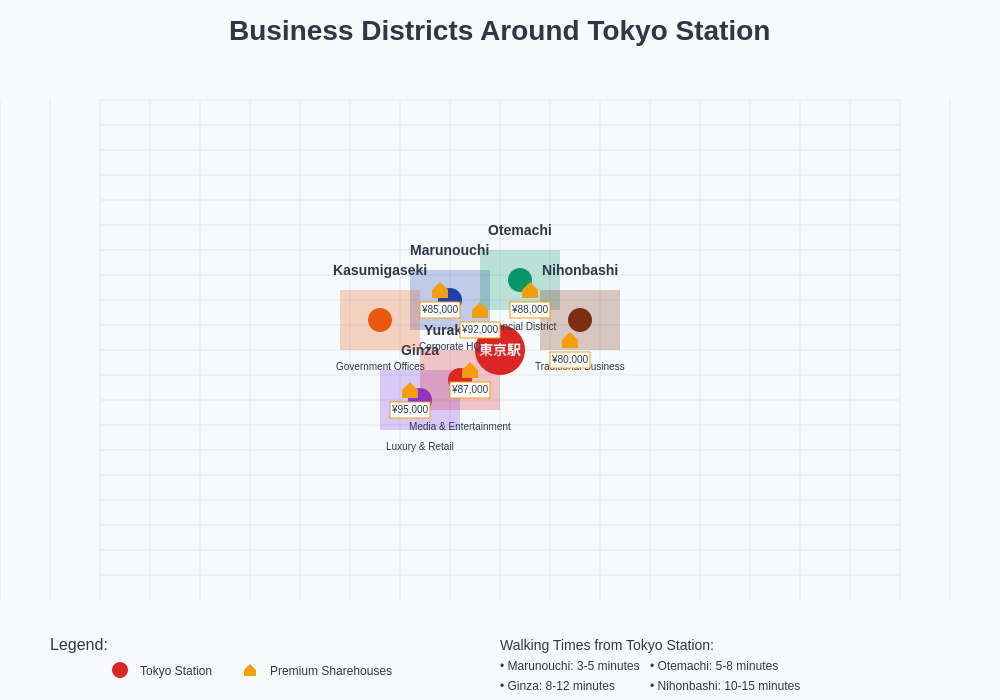
Living near Tokyo Station provides unparalleled access to Japan’s most concentrated collection of multinational corporations, government agencies, and financial institutions that drive the country’s economic activities. The strategic positioning offers immediate proximity to companies such as Mitsubishi, Sumitomo, and countless international firms that maintain their Japanese headquarters in the surrounding Marunouchi, Otemachi, and Nihonbashi districts.
How to find the perfect sharehouse in Tokyo becomes particularly crucial when targeting these premium locations, as competition for quality accommodations intensifies significantly compared to residential neighborhoods. The selection process requires careful consideration of factors beyond basic amenities, including building prestige, resident demographics, and networking opportunities.
The transportation connectivity from Tokyo Station extends far beyond local convenience, with direct access to the Shinkansen bullet train network enabling effortless business travel to Osaka, Kyoto, and other major commercial centers throughout Japan. This connectivity proves invaluable for professionals whose responsibilities include regional or national business development activities.
Professional development opportunities flourish in environments where industry leaders, rising executives, and international business professionals converge daily. The density of networking events, industry seminars, and informal business gatherings in central Tokyo creates natural pathways for career advancement that simply don’t exist in residential neighborhoods.
Premium Sharehouse Facilities and Amenities
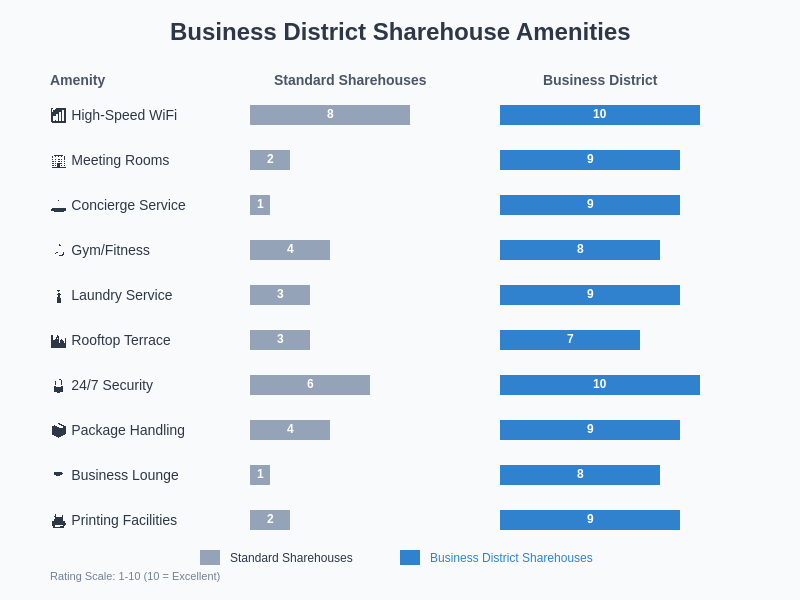
Business district sharehouses typically offer elevated amenities designed to support professional lifestyles and maintain the polished image required for corporate success. These facilities often include dedicated workspace areas with high-speed internet, printing capabilities, and quiet zones suitable for video conferences or client calls that may extend beyond traditional office hours.
Concierge services, dry cleaning facilities, and package management systems address the practical needs of busy professionals who require seamless integration between their living arrangements and demanding work schedules. Living costs in Tokyo sharehouses explained provides essential context for understanding how premium amenities affect monthly budgets.
Fitness facilities within or near these sharehouses recognize the importance of maintaining physical health and professional appearance standards expected in corporate environments. Many properties provide gym access, while others offer partnerships with nearby fitness clubs that cater to the business community.
The quality of common areas reflects the professional standards of residents, with sophisticated lounges, modern kitchens equipped with premium appliances, and entertainment spaces designed for hosting colleagues or clients in appropriate settings that reflect positively on residents’ professional image.
Neighborhood Analysis and District Characteristics
Marunouchi represents Tokyo’s most prestigious business address, housing the headquarters of Japan’s largest corporations alongside luxury shopping destinations and high-end dining establishments. Best Tokyo neighborhoods for sharehouse living explores how different districts serve various lifestyle preferences and career objectives.
Otemachi’s financial district concentration creates a unique environment where banking professionals, government officials, and international finance experts converge daily. The formal atmosphere and conservative business culture in this area influence sharehouse communities and resident expectations regarding professionalism and networking opportunities.
Nihonbashi combines traditional Japanese business heritage with modern commercial activities, offering a distinctive blend of established companies and innovative startups. The area’s character attracts professionals who appreciate historical significance alongside contemporary business opportunities.
Ginza’s proximity to Tokyo Station extends the appeal for professionals who value luxury shopping, fine dining, and cultural activities that complement their business responsibilities. The sophisticated atmosphere attracts international executives and high-level professionals seeking refined living environments.
Transportation and Commute Advantages
Tokyo Station’s role as Japan’s central transportation hub provides unprecedented connectivity to every major business district in the metropolitan area. The extensive rail network enables effortless travel to Shinjuku’s government offices, Shibuya’s technology companies, and Akasaka’s diplomatic missions without the stress of lengthy commutes that drain energy and productivity.
The multiple rail lines converging at Tokyo Station include the JR Yamanote Line, Keihin-Tohoku Line, and Tokaido Line, ensuring redundancy and flexibility for daily commuting regardless of service disruptions or schedule changes that occasionally affect individual lines. How commute times impact your quality of life emphasizes the significant impact of transportation convenience on overall well-being.
International business travel becomes remarkably convenient with direct airport access via the Narita Express and convenient connections to Haneda Airport through the monorail system. This accessibility proves invaluable for professionals whose responsibilities include frequent international travel or hosting overseas clients and colleagues.
Late-night transportation options remain available through taxi services and extended train operations, supporting the demanding schedules and after-hours business activities common in corporate environments. The flexibility enables participation in important networking events and client entertainment without transportation concerns.
Professional Networking and Community Benefits
The concentration of ambitious professionals in business district sharehouses creates natural networking opportunities that extend far beyond casual roommate relationships. Making friends through Tokyo sharehouse communities explores how strategic location choices enhance relationship-building potential.
Industry-specific communities often develop within these sharehouses, with residents working in finance, consulting, technology, and international trade naturally forming professional connections that benefit career development and business opportunities. The diversity of backgrounds and expertise creates valuable knowledge-sharing environments.
Language exchange opportunities flourish in international business environments, where Japanese professionals seek English practice while foreign residents improve their Japanese language skills. These exchanges often evolve into professional relationships that benefit both parties’ career advancement.
After-work social activities take on professional significance when residents attend industry events, business dinners, and networking receptions together. The shared experiences strengthen both personal friendships and professional networks that prove valuable throughout career development.
Cost Considerations and Investment Value
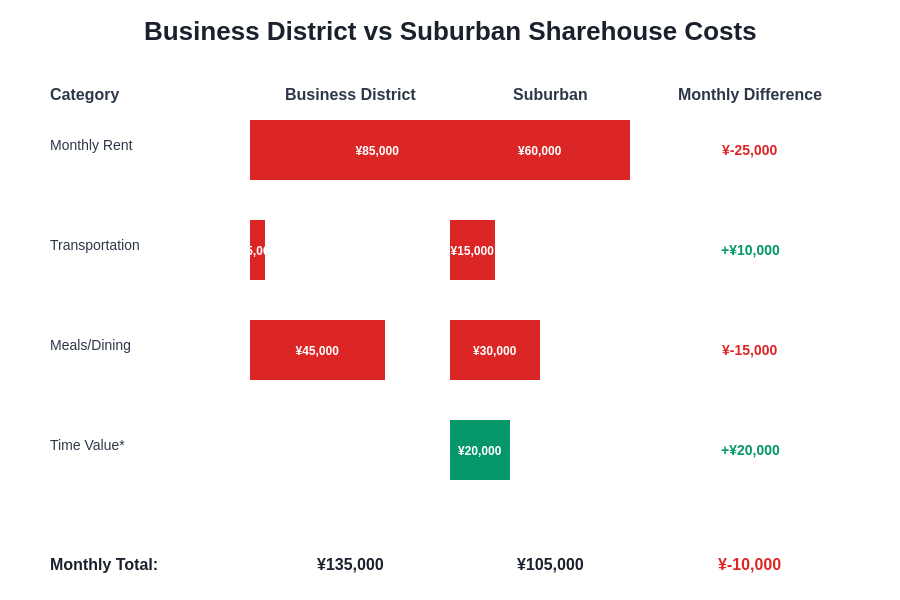
Premium location premiums significantly impact monthly housing costs, with business district sharehouses typically commanding 20-40% higher rents than comparable properties in residential neighborhoods. How much Tokyo sharehouses really cost per month provides detailed cost analysis for budget planning.
The investment perspective on higher housing costs includes quantifiable benefits such as reduced transportation expenses, time savings that enable additional billable hours or productivity, and networking opportunities that can accelerate career advancement and salary increases that offset accommodation premiums.
Hidden costs in central Tokyo include higher dining expenses, premium service charges, and the social pressure to maintain professional appearance standards that may require increased spending on clothing, grooming, and entertainment activities appropriate for business district social circles.
Long-term financial benefits may include accelerated career progression, enhanced earning potential through strategic networking, and professional development opportunities that justify short-term housing premium investments for career-focused individuals prioritizing advancement over immediate cost savings.
Application Process and Resident Selection
Business district sharehouses often maintain more stringent application requirements compared to residential properties, including employment verification, income documentation, and sometimes references from current or former employers. What documents you need for Tokyo sharehouse applications outlines standard documentation requirements.
Professional background screening may include industry experience evaluation, language proficiency assessment, and cultural fit analysis to ensure residents complement the existing community dynamics and maintain the property’s professional reputation and atmosphere.
The approval timeline for premium properties typically extends longer than standard sharehouses due to thorough evaluation processes and higher demand for limited available spaces. Planning application submissions well in advance prevents rushed decisions and ensures adequate time for proper documentation preparation.
Character references and professional recommendations carry additional weight in competitive application processes, where property managers seek residents who will contribute positively to the community’s professional reputation and networking potential.
Daily Life and Professional Integration
Morning routines in business district sharehouses accommodate early start times and formal dress requirements common in corporate environments. Shared facilities include appropriate spaces for grooming, ironing, and preparing professional appearances that meet business district standards.
Evening schedules often extend beyond traditional hours due to client entertainment, networking events, and international business calls that span multiple time zones. Japanese sharehouse rules every foreigner should know helps navigate cultural expectations in professional living environments.
Weekend activities may include industry conferences, professional development seminars, and business-related social events that blur the lines between personal and professional time. The location’s convenience supports participation in career-enhancing activities that benefit long-term professional development.
Work-life balance requires intentional effort in environments where business activities dominate daily routines and social interactions. Successful residents develop strategies for maintaining personal interests and relationships alongside demanding professional responsibilities.
Long-term Career Impact and Considerations
Living in Tokyo’s business district provides immersive exposure to Japanese corporate culture, business practices, and professional standards that prove invaluable for long-term career development in Japan or international business environments with Japanese connections.
The professional reputation benefits of a prestigious address extend beyond mere convenience, influencing client perceptions, business partner impressions, and career advancement opportunities within companies that value strategic positioning and professional image.
Language development accelerates through daily exposure to business Japanese, formal communication patterns, and industry-specific terminology that develops naturally through professional environmental immersion rather than classroom instruction alone.
Cultural competency gains practical application through daily interactions with Japanese business professionals, exposure to corporate hierarchies, and understanding of business etiquette that creates competitive advantages in Japanese business environments.
Selecting the Right Property and Community
Property selection requires careful evaluation of resident demographics, professional backgrounds, and community culture to ensure compatibility with personal career goals and networking objectives. How to handle roommate conflicts without moving out provides strategies for maintaining positive relationships in professional living environments.
Management company reputation and service quality become particularly important in business district properties where residents expect professional standards and responsive support that reflects their own workplace expectations and professional image requirements.
Building amenities should align with professional lifestyle needs, including reliable high-speed internet, quiet study spaces, presentation-ready common areas, and security systems appropriate for professionals who may host colleagues or clients in their living environment.
The balance between community engagement and privacy requires consideration of personal preferences regarding social interaction, networking intensity, and the desired separation between professional and personal life within shared living arrangements.
Business district sharehouses near Tokyo Station represent a strategic investment in professional development and career advancement for individuals willing to prioritize location convenience and networking opportunities over cost savings. The unique combination of unmatched transportation access, concentrated business opportunities, and professional community development creates an environment where housing costs become career investments rather than simple accommodation expenses.
Disclaimer
This article is for informational purposes only and does not constitute professional real estate or career advice. Business district sharehouse availability, pricing, and amenities change frequently based on market conditions. Readers should conduct thorough research and consider their individual career goals, financial situation, and lifestyle preferences when evaluating housing options. Professional consultation may be beneficial for making optimal decisions regarding premium location investments.