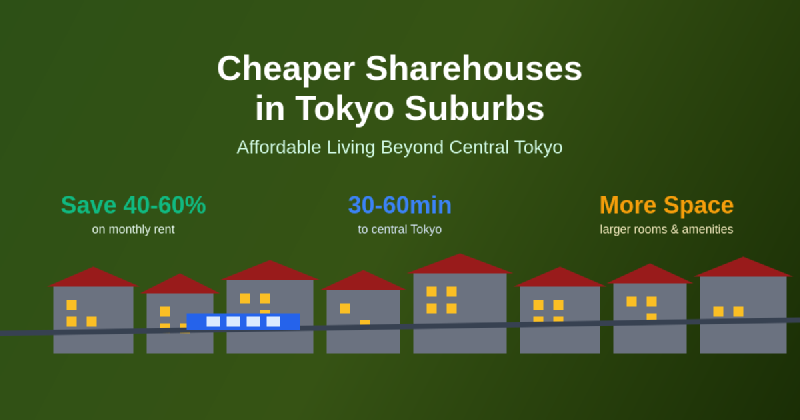
Tokyo’s suburban sharehouses present an increasingly attractive alternative for budget-conscious residents seeking affordable accommodation without completely sacrificing access to the capital’s opportunities and amenities. The significant cost savings available in areas beyond central Tokyo can dramatically improve your quality of life while providing unique experiences that showcase authentic Japanese suburban culture and community life.
The financial advantages of suburban sharehouse living extend far beyond simple rent reduction, encompassing lower daily living costs, reduced transportation expenses for local activities, and access to larger living spaces that would be prohibitively expensive in central Tokyo. Understanding which suburban areas offer the best balance of affordability, convenience, and livability becomes crucial for maximizing both your savings potential and overall satisfaction with your housing choice.
Understanding Tokyo’s Suburban Geography and Pricing
Tokyo’s metropolitan area extends far beyond the famous central wards, encompassing numerous suburban cities and towns that maintain distinct characters while offering excellent connectivity to the capital’s business and entertainment districts. These areas typically feature significantly lower housing costs due to increased distance from central Tokyo, larger available land parcels, and different demographic demands compared to prime urban locations.
The price gradient from central Tokyo to suburban areas follows predictable patterns, with dramatic reductions in housing costs occurring as distance from major stations increases. How to find the perfect sharehouse in Tokyo provides essential background for understanding the broader market context that makes suburban options particularly attractive for budget-conscious residents.
Suburban sharehouses often occupy converted family homes, purpose-built low-rise buildings, or repurposed commercial properties that allow for more spacious room configurations and common areas compared to their central Tokyo counterparts. These properties frequently include amenities such as parking spaces, gardens, and larger kitchen facilities that would be impossible to find at comparable prices in central locations.
The diversity of suburban options ranges from established commuter towns with decades of development to newer residential areas that have emerged around recently constructed train stations. Each area presents unique advantages and trade-offs that require careful evaluation based on your specific lifestyle needs, work location, and long-term goals in Japan.
Western Tokyo Suburban Options
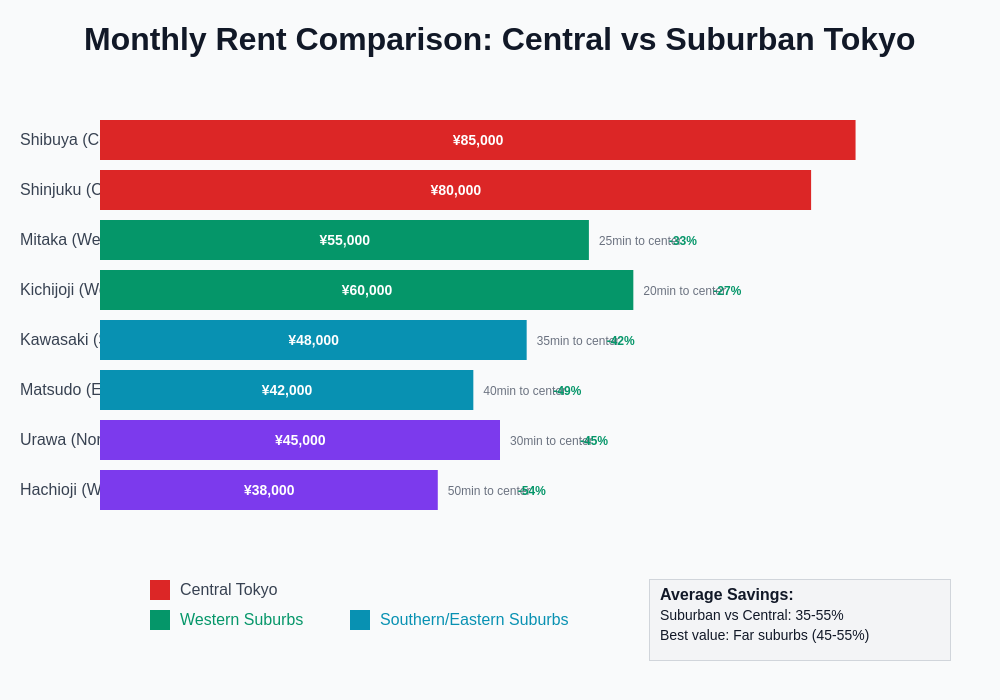
Western Tokyo presents some of the most compelling suburban sharehouse opportunities, combining reasonable commute times to central business districts with significantly reduced living costs and access to natural environments that provide respite from urban intensity. Cities such as Mitaka, Kichijoji, and Tachikawa offer established international communities alongside authentic Japanese suburban experiences.
The Chuo Line corridor particularly stands out for its combination of affordability and accessibility, with areas like Kokubunji and Koganei providing direct connections to central Tokyo while maintaining suburban character and pricing. Best Tokyo neighborhoods for sharehouse living includes insights into how these areas compare to more central options in terms of community atmosphere and practical considerations.
Tama region cities extend the cost savings even further while maintaining reasonable access to central Tokyo through express train services. Areas such as Hachioji and Machida offer some of the most affordable sharehouse options in the greater Tokyo area, though they require careful consideration of commute times and transportation costs that may offset some of the housing savings.
Western suburban areas often feature larger international communities due to the presence of universities and technology companies that attract foreign residents and workers. This demographic creates natural support networks and cultural amenities that can ease the transition to suburban living while providing opportunities for meaningful cross-cultural interactions.
Eastern Tokyo Suburban Alternatives
Eastern Tokyo’s suburban areas provide different advantages compared to western options, often featuring better value propositions for residents whose work or study locations align with eastward transportation routes. Areas such as Kasai, Nippori, and locations along the Joban Line offer compelling combinations of affordability and accessibility that merit serious consideration.
The Keisei Line and JR Joban Line corridors provide access to affordable suburban communities in areas such as Matsudo and Abiko that maintain excellent connectivity to central Tokyo while offering significantly reduced housing costs. These areas often feature well-established sharehouse communities that have developed over years of serving budget-conscious international residents.
Chiba Prefecture locations accessible via Tokyo’s eastern rail networks present some of the most dramatic cost savings available while maintaining reasonable commute options to central business districts. Living costs in Tokyo sharehouses explained helps contextualize how these savings compare across different suburban areas and housing types.
Eastern suburban areas typically offer larger living spaces and more diverse housing options compared to central Tokyo, including access to traditional Japanese housing styles that provide unique cultural experiences alongside practical cost benefits. The demographic mix in these areas often includes more Japanese families and long-term residents, creating opportunities for deeper cultural immersion.
Northern Tokyo Suburban Communities
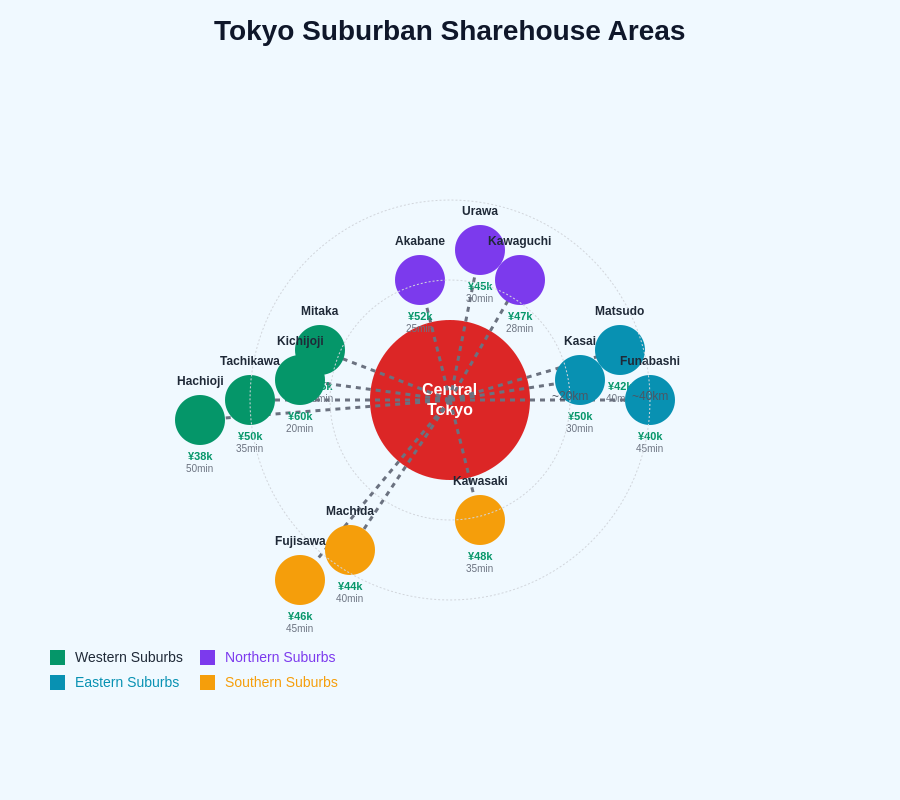
Northern Tokyo’s suburban areas present unique opportunities for affordable sharehouse living while maintaining access to central Tokyo through multiple transportation routes. Areas such as Akabane, Urawa, and locations along the Keihin-Tohoku Line offer established international communities alongside significant cost savings compared to central accommodations.
The Saitama Prefecture border areas provide some of the most affordable options while maintaining reasonable commute times to major business districts. Cities such as Kawaguchi and Warabi have developed substantial sharehouse markets that cater specifically to budget-conscious international residents seeking alternatives to expensive central Tokyo accommodation.
Northern suburban areas often feature excellent access to recreational facilities, parks, and natural areas that provide lifestyle benefits beyond simple cost savings. The proximity to mountains, hiking trails, and outdoor recreation opportunities can significantly enhance quality of life while maintaining affordable living costs.
Transportation infrastructure in northern suburban areas typically provides multiple route options to central Tokyo, creating flexibility for residents whose work or study locations may change over time. Understanding utility bills in Japanese sharehouses becomes particularly relevant in suburban areas where heating and cooling costs may vary significantly from central Tokyo properties.
Southern Tokyo Suburban Opportunities
Southern Tokyo’s suburban areas offer distinctive advantages for residents seeking affordable accommodation with easy access to both central Tokyo and recreational opportunities. Areas along the Odakyu Line, Tokyu Lines, and JR Tokaido Line provide established sharehouse communities with diverse international populations and competitive pricing structures.
Kawasaki represents a particularly compelling option, offering significant cost savings while maintaining excellent transportation connections to multiple central Tokyo destinations. The city’s substantial international population and established support infrastructure make it an attractive choice for newcomers seeking affordable accommodation with cultural familiarity and community support.
Areas such as Machida and Sagamihara extend the cost benefits even further while providing access to natural environments and recreational opportunities that are impossible to find in central Tokyo. These locations particularly appeal to residents who value outdoor activities and larger living spaces over immediate proximity to urban entertainment districts.
Southern suburban locations often feature unique cultural amenities and local communities that provide authentic Japanese experiences while maintaining international accessibility. Japanese sharehouse rules every foreigner should know becomes especially important in these areas where traditional cultural expectations may be more pronounced than in international-focused central areas.
Transportation Considerations and Commute Planning
Successful suburban sharehouse living requires careful evaluation of transportation costs, commute times, and service reliability that directly impact both daily convenience and long-term financial planning. The apparent savings from reduced rent can be significantly offset by increased transportation expenses if commute planning is not thoroughly considered during the selection process.
Express train services, local train frequencies, and alternative transportation routes all factor into the practical viability of suburban living arrangements. Areas with multiple transportation options provide greater flexibility and backup alternatives when service disruptions occur, which can be particularly important for maintaining work and study commitments.
Peak hour capacity and service reliability vary significantly between different suburban railway lines, affecting both daily comfort and punctuality for work or academic commitments. How commute times impact your quality of life provides valuable insights into evaluating these factors when choosing between different suburban options.
Monthly transportation pass costs, seasonal pass discounts, and employer transportation subsidies can significantly impact the true cost comparison between suburban and central accommodation options. Understanding these financial factors helps create accurate budget comparisons that account for total living costs rather than just accommodation expenses.
Amenities and Services in Suburban Areas
Suburban Tokyo areas typically offer different amenity profiles compared to central locations, often providing better access to essential services while potentially requiring additional travel for specialized entertainment or cultural activities. Understanding these trade-offs helps set appropriate expectations and identify areas that align with your lifestyle priorities and preferences.
Shopping facilities in suburban areas range from large-scale shopping centers and department stores to traditional shotengai shopping streets that provide unique cultural experiences alongside practical convenience. Many suburban areas feature comprehensive shopping and dining options that reduce the need for frequent trips to central Tokyo for daily necessities.
Healthcare services, banking facilities, and government offices are generally well-distributed throughout suburban Tokyo areas, though specialized services may require travel to central locations. How to budget realistically for sharehouse living includes considerations for these potential additional transportation costs when evaluating suburban options.
Recreational facilities such as parks, sports centers, and cultural venues are often more abundant and accessible in suburban areas, providing lifestyle benefits that may offset the reduced access to central Tokyo’s entertainment districts. These amenities can significantly enhance quality of life while supporting the cost savings that make suburban living attractive.
Community Dynamics in Suburban Sharehouses
Suburban sharehouse communities often develop different social dynamics compared to central Tokyo properties, frequently featuring more stable resident populations, stronger community bonds, and greater integration with local Japanese neighborhoods. These characteristics can provide enhanced cultural experiences and support networks that benefit long-term residents.
The demographic mix in suburban sharehouses typically includes more long-term residents, working professionals, and individuals seeking stable housing situations rather than short-term accommodation. Making friends through Tokyo sharehouse communities explores how these different community characteristics affect social experiences and relationship building.
Language exchange opportunities and cultural integration often occur more naturally in suburban settings where international residents interact more frequently with Japanese neighbors and community members. These interactions provide valuable language practice and cultural learning experiences that may be less available in international-focused central Tokyo sharehouses.
Seasonal community events, local festivals, and neighborhood activities provide opportunities for deeper cultural engagement that showcase authentic Japanese community life beyond the tourist-focused experiences available in central Tokyo areas. Participation in these activities can significantly enhance the overall value and satisfaction of suburban sharehouse living.
Evaluating Suburban Sharehouse Options
Successful selection of suburban sharehouse accommodation requires systematic evaluation of factors beyond simple cost comparison, including property condition, management quality, community atmosphere, and long-term suitability for your evolving needs and circumstances in Japan.
Property age, maintenance standards, and available amenities can vary dramatically between suburban sharehouses, with some offering superior conditions compared to central Tokyo properties at significantly lower costs. How to spot financial red flags in sharehouse contracts provides essential guidance for evaluating suburban properties that may have different cost structures and contract terms.
Management company reputation and responsiveness become particularly important in suburban locations where property oversight and maintenance may be less frequent than in central Tokyo buildings. Understanding management practices and resident satisfaction levels helps ensure long-term housing stability and quality.
Room sizes, storage capacity, and common area availability typically favor suburban properties, where space constraints are less severe than in central Tokyo. These physical advantages can significantly impact daily comfort and quality of life, particularly for residents planning longer-term stays in Japan.
Seasonal Considerations and Long-term Planning
Suburban living in Tokyo presents different seasonal challenges and benefits compared to central urban accommodation, requiring consideration of factors such as heating costs, transportation reliability during weather events, and access to seasonal services and amenities that may affect annual living costs and convenience.
Winter heating expenses can be significantly higher in suburban properties, particularly in older buildings or those with less efficient insulation systems. Summer cooling costs may also vary depending on building design and local climate conditions that differ from central Tokyo’s urban heat island effects.
Transportation service disruptions during extreme weather events may have greater impact on suburban residents who depend on specific train lines for access to work and essential services. How natural disaster preparedness varies by building provides important context for evaluating suburban properties’ resilience and emergency preparedness.
Long-term residency considerations include potential neighborhood changes, property value trends, and evolving transportation infrastructure that may affect both housing costs and quality of life over extended periods. Understanding these factors helps make informed decisions about suburban housing commitments that align with long-term goals and circumstances.
Maximizing Suburban Sharehouse Benefits
Strategic approach to suburban sharehouse living can maximize both financial savings and quality of life benefits through careful planning of daily routines, transportation usage, and community engagement that leverage the unique advantages of suburban Tokyo residence while minimizing potential drawbacks.
Developing efficient shopping and errand routines that consolidate trips to central Tokyo can minimize transportation costs while maintaining access to specialized services and entertainment options. Bulk purchasing strategies and local shopping optimization help maximize the cost savings potential of suburban living.
Building relationships with local communities and participating in neighborhood activities creates social networks and cultural experiences that enhance the overall value of suburban residence beyond simple cost considerations. Living with Japanese roommates in Tokyo sharehouses offers insights into cultural integration strategies that work particularly well in suburban settings.
Flexible work arrangements, remote work opportunities, and strategic scheduling can reduce transportation costs and commute stress while maximizing the lifestyle benefits of suburban living. These approaches help create sustainable suburban residence patterns that maintain career advancement while achieving housing cost savings.
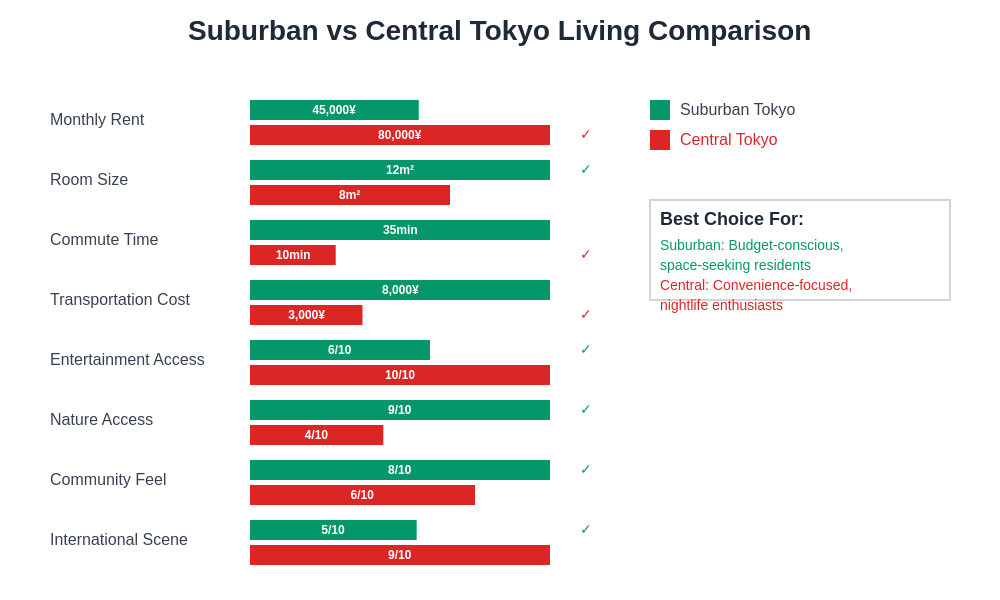
The decision to pursue suburban sharehouse living in Tokyo represents a strategic choice that can provide substantial financial benefits while offering unique cultural experiences and lifestyle advantages that may be impossible to achieve in central urban areas. With careful planning, thorough research, and realistic expectations, suburban sharehouses offer compelling alternatives that can significantly enhance your overall experience living in Japan’s capital region while building long-term financial stability and cultural understanding.
Disclaimer
This article is for informational purposes only and does not constitute professional financial or housing advice. Suburban housing markets and transportation systems are subject to change, and individual experiences may vary significantly based on personal circumstances, lifestyle preferences, and market conditions. Readers should conduct thorough research and consider their specific needs when making housing decisions in the Tokyo metropolitan area.