Dating while living in Tokyo sharehouses presents a fascinating intersection of cultural expectations, privacy limitations, and social opportunities that can both enhance and complicate romantic relationships in Japan’s capital city. The unique living arrangements of sharehouses create distinct dynamics that affect how relationships develop, progress, and integrate into daily life, requiring careful navigation of house rules, roommate sensitivities, and Japanese dating customs that may differ significantly from international norms.
The sharehouse environment offers unparalleled opportunities for meeting diverse international partners while simultaneously presenting challenges around privacy, overnight guests, and maintaining appropriate boundaries within shared living spaces. Understanding these dynamics becomes essential for anyone seeking to balance romantic pursuits with harmonious community living, particularly when cultural differences influence both dating expectations and household etiquette in ways that can surprise unprepared residents.
Understanding Dating Culture in Tokyo Sharehouses
Tokyo’s international sharehouse communities create unique microcosms where diverse dating cultures intersect and sometimes clash, producing social dynamics that differ dramatically from both traditional Japanese dating customs and the romantic norms of residents’ home countries. The multicultural environment facilitates cross-cultural relationships while requiring sensitivity to varying expectations around courtship, commitment, and relationship progression that can influence everything from initial introductions to long-term partnership decisions.
The proximity and forced social interaction inherent in sharehouse living naturally creates romantic opportunities, with many residents forming relationships through shared activities, common area conversations, and group social events that might not occur in traditional apartment living situations. Making friends through Tokyo sharehouse communities often serves as the foundation for romantic connections that develop organically through daily interactions and shared experiences.
However, the intimate nature of sharehouse living also means that romantic relationships become community knowledge quickly, creating social pressures and expectations that can accelerate relationship timelines or create uncomfortable situations when relationships end badly. Understanding how to navigate these dynamics while maintaining personal autonomy and community harmony requires careful consideration of both cultural norms and house-specific social expectations.
Managing Privacy and Intimacy Constraints
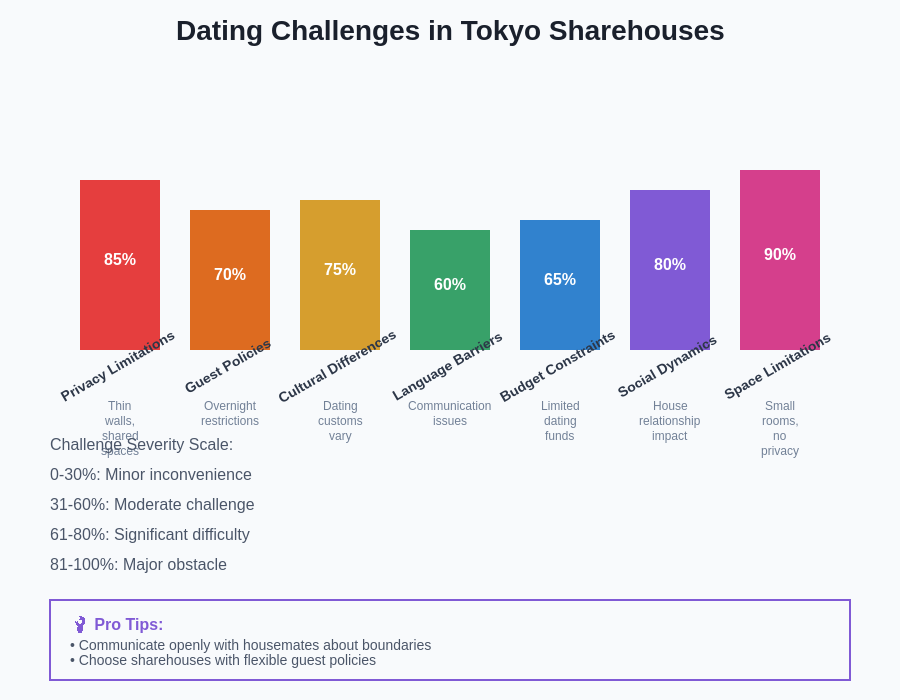
Privacy limitations represent one of the most significant challenges for dating while living in sharehouses, where thin walls, shared facilities, and communal living spaces create constraints that require creative solutions and heightened consideration for roommates’ comfort and sleep schedules. The physical limitations of sharehouse rooms, which often prioritize affordability over spaciousness, can make intimate conversations, video calls with partners, and physical intimacy challenging to manage discretely.
Soundproofing issues common in many Tokyo sharehouses mean that personal conversations, emotional discussions, and intimate moments may be overheard by neighboring residents, creating embarrassment and potential conflicts that can strain both romantic relationships and house dynamics. Japanese sharehouse rules every foreigner should know often include specific guidelines about noise levels and overnight guests that directly impact dating possibilities and relationship development.
The shared bathroom and kitchen facilities add additional complexity to dating logistics, particularly when preparing for dates, accommodating partners’ needs during visits, or managing morning routines when overnight guests are present. Successfully navigating these constraints requires advance planning, clear communication with housemates, and often creative scheduling that respects both personal romantic needs and community living standards.
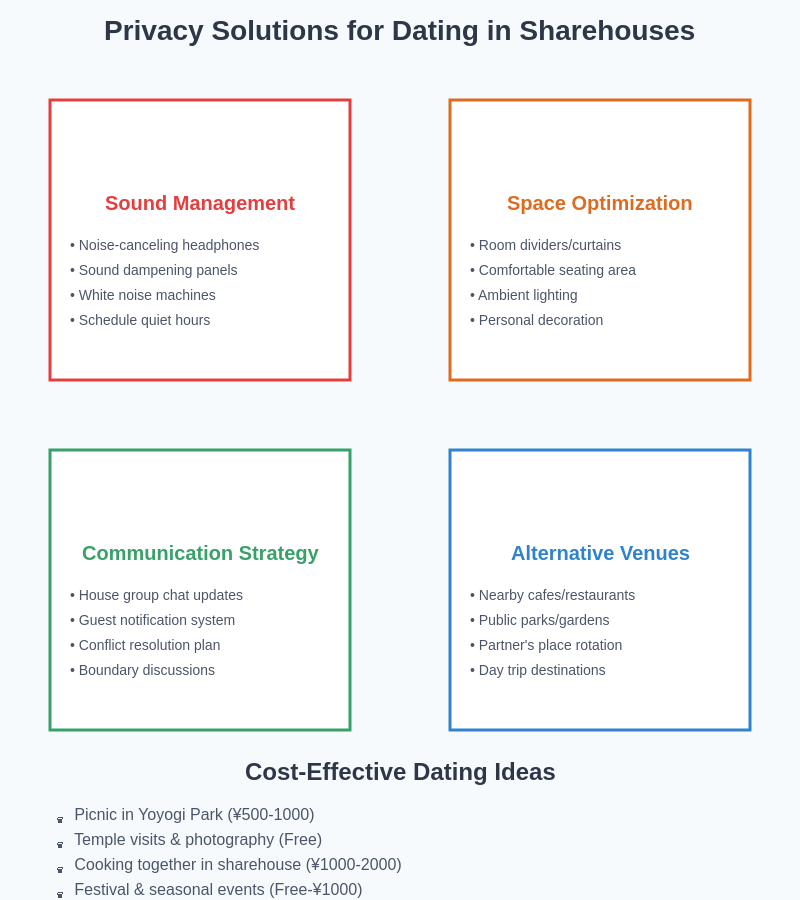
Strategic approaches to privacy management include investing in sound dampening materials, establishing clear communication protocols with roommates about guest policies, and identifying alternative locations for intimate conversations and quality time that don’t compromise household harmony. Many successful sharehouse daters develop routines that maximize privacy while minimizing disruption to others, creating sustainable patterns that support both romantic relationships and positive community relationships.
Navigating Overnight Guest Policies and House Rules
Overnight guest policies in Tokyo sharehouses vary dramatically between properties and management companies, with some maintaining strict prohibitions while others allow limited overnight visits under specific conditions that can significantly impact relationship development and dating flexibility. Understanding utility bills in Japanese sharehouses becomes relevant when considering how additional residents affect shared costs and whether overnight guests incur additional fees or restrictions.
Conservative sharehouse policies may limit overnight guests to one or two nights per week, require advance notification to management or roommates, or impose additional fees for extended visits that can strain relationships when partners want to spend more time together. Understanding these limitations before moving into a sharehouse becomes crucial for residents who prioritize romantic relationships and dating flexibility in their living situation choices.
Some sharehouses implement guest registration systems, background check requirements, or prohibitions on opposite-gender overnight visitors that reflect traditional Japanese cultural values or target demographic preferences. These policies can particularly affect international residents whose dating expectations may differ from local customs, requiring adjustment of relationship expectations and creative solutions for spending quality time with partners.
Successful navigation of guest policies requires transparent communication with both romantic partners and household management about expectations, limitations, and alternative arrangements that can accommodate relationship needs while respecting house rules. Many residents develop strategies such as alternating between partners’ living situations, utilizing hotels for extended time together, or seeking sharehouses with more flexible guest policies that align better with their dating priorities.
Cross-Cultural Dating Dynamics and Communication
International sharehouses in Tokyo create unique environments where residents from different cultural backgrounds navigate dating customs, relationship expectations, and communication styles that can lead to both enriching cross-cultural connections and significant misunderstandings that require patience and cultural sensitivity to resolve successfully. Living with Japanese roommates in Tokyo sharehouses provides insights into cultural differences that also apply to romantic relationships and dating interactions.
Japanese dating culture often emphasizes gradual relationship development, indirect communication, and group social activities that may contrast sharply with more direct Western dating approaches, creating potential confusion and mismatched expectations when international residents date Japanese partners or navigate Japanese social expectations within their sharehouse communities. Understanding concepts like “reading the air” and non-verbal communication becomes essential for developing successful romantic relationships that respect cultural norms while meeting personal emotional needs.
Language barriers can complicate romantic relationships in sharehouses, where residents may need to navigate complex emotional conversations, relationship definitions, and future planning discussions in second or third languages that may not adequately express nuanced feelings or cultural concepts. These communication challenges can lead to misunderstandings about commitment levels, relationship expectations, or cultural practices that require patience and creative communication strategies to overcome.
The multicultural nature of sharehouse communities also means that residents may encounter dating customs from various countries and cultures, requiring flexibility and open-mindedness when partners have different approaches to romance, physical affection, gift-giving, or relationship milestones. Successful cross-cultural dating in sharehouses often requires explicit communication about expectations, cultural norms, and personal preferences that might be assumed or understood implicitly in monocultural dating environments.
Social Dynamics and Community Impact of Relationships
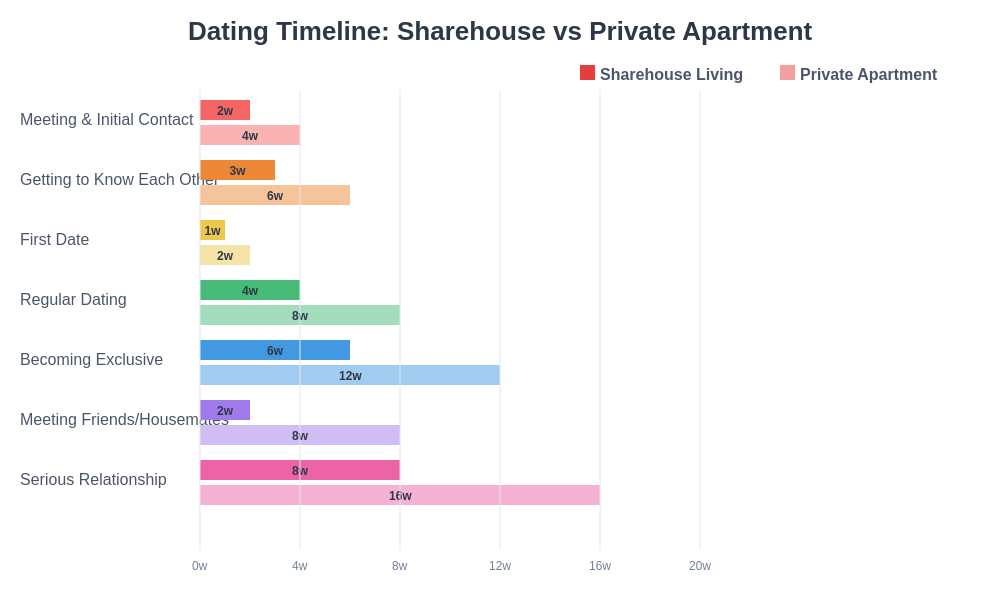
Romantic relationships within sharehouse communities create complex social dynamics that can either strengthen community bonds through shared celebrations and support systems or generate tensions, jealousies, and divisions that affect the overall living atmosphere for all residents. How to handle roommate conflicts without moving out becomes particularly relevant when romantic relationships create or contribute to household tensions and interpersonal conflicts.
The development of romantic relationships between housemates creates unique challenges around maintaining friendships with other residents, managing potential jealousies or unrequited interests, and preserving community harmony when relationships end badly or create exclusive social dynamics that can exclude other residents from activities or conversations. These situations require careful navigation of personal boundaries and community responsibilities that balance individual happiness with collective well-being.
External romantic relationships can also impact house dynamics when partners begin spending significant time in the sharehouse, effectively becoming unofficial residents who consume resources, participate in social activities, and influence group decisions without formal community membership or responsibility. Managing these transitions requires clear communication with all residents about boundaries, expectations, and the integration of romantic partners into existing social structures.
Long-term romantic relationships may eventually lead to residents moving out together, changing sharehouse dynamics and potentially disrupting established friendship groups and social structures that other residents depend on for community and support. Planning for these transitions and maintaining relationships despite geographical changes becomes important for preserving positive community experiences and supporting residents through relationship-related housing changes.
Practical Dating Logistics in Shared Living Spaces
The practical aspects of dating while living in sharehouses require creative solutions for common challenges including limited storage space for dating attire, shared bathroom schedules that may conflict with preparation time, and kitchen access for cooking romantic meals or preparing special occasions that demonstrate care and cultural appreciation for partners. How much Tokyo sharehouses really cost per month affects dating budgets and the financial feasibility of alternative arrangements when sharehouse logistics become too constraining.
Wardrobe limitations common in small sharehouse rooms can impact dating confidence and outfit variety, particularly for residents who enjoy dressing up for special occasions or whose dating culture emphasizes appearance and fashion choices. Storage solutions for formal clothing, seasonal items, and special occasion attire become more important when dating actively and wanting to make positive impressions on potential partners.
Shared kitchen facilities require coordination and advance planning when preparing meals for dates, cooking cultural foods that demonstrate heritage and caring, or organizing romantic dinners that create intimate experiences within budget constraints. Understanding kitchen schedules, equipment availability, and food storage limitations helps residents plan successful dating activities that showcase their personality and cultural background while respecting shared space usage agreements.
Transportation considerations affect dating logistics significantly, particularly for residents living in suburban sharehouses where late-night return policies, last train schedules, and safety concerns for walking alone after dates can impact relationship development and dating frequency. Best Tokyo neighborhoods for sharehouse living includes considerations about dating accessibility and nightlife proximity that can influence housing choices for romantically active residents.
Financial Considerations and Dating Budgets
Dating expenses can significantly impact monthly budgets for sharehouse residents who already allocate substantial portions of their income to housing costs, requiring careful financial planning and creative date ideas that create meaningful experiences without straining financial resources or compromising other essential living expenses. Living costs in Tokyo sharehouses explained provides context for understanding how dating expenses fit into overall monthly budget allocations for international residents.
Traditional Japanese dating customs often expect men to pay for dates, while international dating cultures may emphasize equality and shared expenses, creating potential conflicts and misunderstandings when partners have different financial expectations or cultural approaches to dating costs. Navigating these differences requires open communication about financial capabilities, cultural expectations, and personal preferences that respect both partners’ financial situations and cultural backgrounds.
Budget-friendly dating options become essential for residents living in expensive Tokyo sharehouses, requiring creativity and local knowledge to identify free or low-cost activities that create romantic experiences and cultural exchange opportunities. Parks, temples, festivals, and cultural events provide alternatives to expensive restaurant dining and entertainment options that can strain sharehouse residents’ typically limited discretionary income.
The shared nature of sharehouse living can actually provide dating advantages through group activities, shared transportation costs, and communal meal preparation that reduces individual expenses while creating social opportunities for meeting potential partners and building relationships within existing social networks that understand financial constraints and cultural adjustments.
Safety and Security Considerations
Dating safety takes on additional dimensions when living in sharehouses, where bringing unknown partners to shared living spaces can impact not only personal security but also the safety and comfort of all residents who may interact with or encounter dating partners in common areas, shared facilities, or during unexpected visits that occur without advance notice to the household community.
Why some residents feel unsafe at night becomes particularly relevant when considering how dating activities and partner visits affect overall household security and individual comfort levels. Female residents may have specific concerns about male visitors, overnight guests, or strangers in shared spaces that require consideration and communication to maintain a safe living environment for everyone.
Background verification for dating partners becomes more complex when meeting people through apps, international social networks, or casual encounters where traditional reference checking and mutual friend verification may not be possible. Sharehouses communities can provide informal safety networks where residents look out for each other and share information about dating experiences, potential concerns, or safety recommendations.
Emergency planning and communication protocols become important when dating in a foreign country where language barriers, different emergency systems, and unfamiliar legal protections may complicate crisis situations. Establishing safety check-in systems with trusted housemates, sharing dating plans and partner information, and understanding local emergency resources helps maintain security while pursuing romantic relationships in Tokyo’s complex social environment.
Technology and Modern Dating Apps in Sharehouse Context
Dating app usage while living in sharehouses presents unique challenges and opportunities, with profile creation requiring consideration of living situation disclosure, photo selection that accurately represents lifestyle and housing arrangements, and managing app conversations and video calls within the constraints of shared living spaces that may lack adequate privacy for extended digital communication.
Popular dating platforms in Tokyo including Tinder, Bumble, Pairs, and Omiai serve different demographics and cultural expectations that may align differently with international sharehouse residents’ goals and cultural backgrounds. Understanding which platforms attract specific demographics, cultural groups, or relationship intentions helps residents choose appropriate apps that match their dating goals and increase compatibility with potential partners who understand or appreciate sharehouse living situations.
Profile presentation strategies for sharehouse residents may need to address living arrangements proactively to avoid later misunderstandings about privacy limitations, overnight visit policies, or financial constraints that could impact relationship development. Honest communication about housing situations can actually attract partners who appreciate international experiences, community living, or similar life circumstances that create mutual understanding and compatibility.
Video calling and digital communication within sharehouses require consideration of noise levels, background visibility, and privacy concerns that may affect relationship development when partners want to have intimate conversations, virtual dates, or regular communication schedules that could disturb roommates or reveal personal information unintentionally. Developing protocols for digital dating communication helps maintain both relationship intimacy and household harmony.
Long-term Relationship Planning and Housing Transitions
Successful romantic relationships developed while living in sharehouses eventually face decisions about housing transitions, whether to move in together, find separate accommodations, or navigate one partner joining the existing sharehouse arrangement that requires consideration of community dynamics, lease obligations, and financial implications for all involved parties.
What moving out really costs in Tokyo sharehouses becomes relevant when couples decide to transition to independent living arrangements, requiring financial planning for deposits, moving expenses, and potentially higher monthly housing costs that may impact relationship dynamics and individual financial stability during the adjustment period.
The timing of housing transitions requires balancing relationship readiness with practical considerations including lease renewal dates, deposit requirements, and job stability that affect both partners’ ability to commit to shared living arrangements or independent housing that supports relationship growth while maintaining financial security and career development opportunities.
International couples may face additional complexity around visa status changes, employment requirements, and long-term residence planning that affects housing decisions and relationship commitment levels. Understanding how romantic relationships impact visa applications, residence status, or employment eligibility becomes crucial for international residents whose legal status may depend on specific housing arrangements or relationship documentation.
Creating Healthy Boundaries and Communication Systems
Successful dating while living in sharehouses requires establishing clear boundaries and communication systems that protect both romantic relationships and household harmony, ensuring that personal romantic pursuits enhance rather than detract from the positive community living experience that benefits all residents and supports individual growth and happiness.
Regular communication with housemates about dating activities, partner visits, and any concerns or conflicts helps maintain transparency and mutual respect that prevents small issues from developing into major household tensions that could affect living arrangements or community relationships. How age differences impact sharehouse compatibility influences how residents approach dating conversations and boundary setting with housemates from different generations or cultural backgrounds.
Developing personal boundaries around sharing relationship details, seeking advice from housemates, or involving the sharehouse community in romantic decisions helps maintain appropriate separation between personal romantic life and household community involvement while still benefiting from social support and cultural exchange opportunities that enhance dating experiences and relationship development.
Conflict resolution strategies become essential when romantic relationships create household tensions, whether through resource competition, noise complaints, or social dynamics that affect multiple residents. Understanding when to involve management, seek mediation, or make housing changes helps residents navigate complex situations that balance personal romantic happiness with community responsibility and mutual respect.
The intersection of dating and sharehouse living in Tokyo creates opportunities for personal growth, cultural exchange, and meaningful relationships that can enrich both romantic experiences and community living adventures. Success requires patience, communication, cultural sensitivity, and creative problem-solving that respects both individual romantic needs and collective community well-being while navigating the unique challenges and opportunities that define international urban living in Japan’s dynamic capital city.
Disclaimer
This article is for informational purposes only and does not constitute relationship or legal advice. Dating experiences and sharehouse policies vary significantly between individuals and properties. Readers should communicate directly with their sharehouse management and housemates about specific policies and expectations. Cultural norms and dating practices may differ based on individual circumstances and should be approached with respect and sensitivity.