Navigating Tokyo’s complex housing market becomes significantly more manageable when you have access to English-speaking sharehouses specifically designed to accommodate international residents. These specialized living environments not only eliminate language barriers but also create vibrant multicultural communities where foreigners can build meaningful connections while experiencing authentic Japanese culture in a supportive, internationally-minded setting.
The emergence of English-speaking sharehouses in Tokyo reflects the city’s growing international population and the increasing demand for accommodation solutions that bridge cultural and linguistic gaps. These properties offer more than just translation services; they provide comprehensive support systems, culturally-aware management, and communities specifically curated to foster cross-cultural understanding and lasting international friendships among residents from around the world.
Understanding English-Speaking Sharehouse Environments
English-speaking sharehouses in Tokyo operate under fundamentally different principles compared to traditional Japanese housing arrangements, prioritizing accessibility, international community building, and comprehensive support for foreign residents who may be unfamiliar with local customs, regulations, and daily living practices. These environments are carefully designed to balance authentic Japanese cultural experiences with the comfort and familiarity that international residents need during their adjustment period.
The management teams at English-speaking sharehouses typically include bilingual staff members who understand the unique challenges faced by international residents, from visa documentation and banking procedures to healthcare navigation and employment support. Living with Japanese roommates in Tokyo sharehouses provides valuable insights into cross-cultural living dynamics that these specialized environments actively facilitate and support.
Modern English-speaking sharehouses incorporate international design elements while maintaining authentic Japanese architectural features, creating spaces that feel welcoming to foreign residents while providing opportunities for cultural immersion. Common areas are designed to encourage interaction and community building, with amenities and activities that appeal to diverse international backgrounds and lifestyle preferences.
Major English-Speaking Sharehouse Operators and Networks
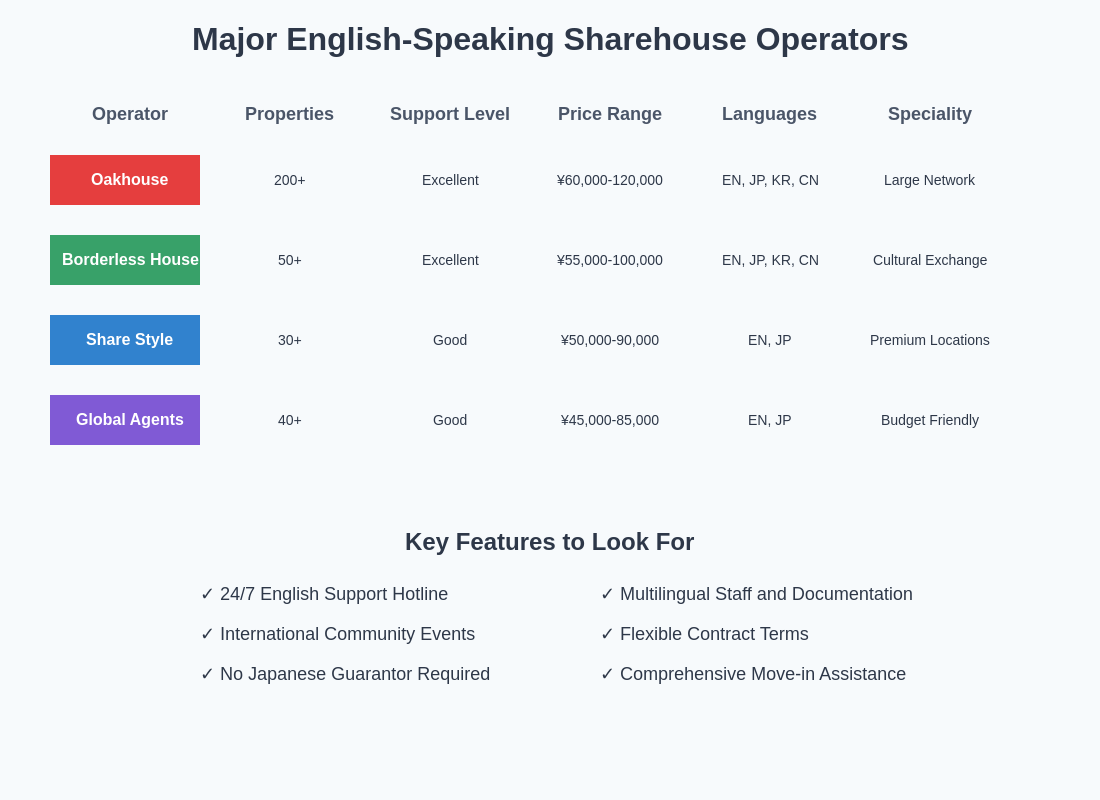
Several established companies specialize in providing English-speaking sharehouse environments throughout Tokyo, each offering unique approaches to international community building and resident support services. These operators have developed extensive networks of properties across different neighborhoods, allowing residents to choose locations that best match their lifestyle preferences, work requirements, and cultural interests.
Oakhouse represents one of the largest international sharehouse networks in Tokyo, with properties specifically marketed to foreign residents and comprehensive English-language support throughout the application, move-in, and residency processes. Their properties range from budget-friendly options in suburban areas to premium accommodations in central Tokyo locations, all designed with international residents in mind.
Borderless House focuses explicitly on creating multicultural living environments where Japanese and international residents live together in carefully balanced ratios, facilitating natural language exchange and cultural learning opportunities. How to find the perfect sharehouse in Tokyo offers guidance on evaluating different operators and finding properties that match your specific needs and preferences.
Share Style and Global Agents provide additional options for English-speaking accommodation, each with unique approaches to community building, property management, and resident support services. Understanding the differences between these operators helps identify which environment and support system best aligns with your personal goals and living preferences during your Tokyo experience.
Language Support and Communication Systems
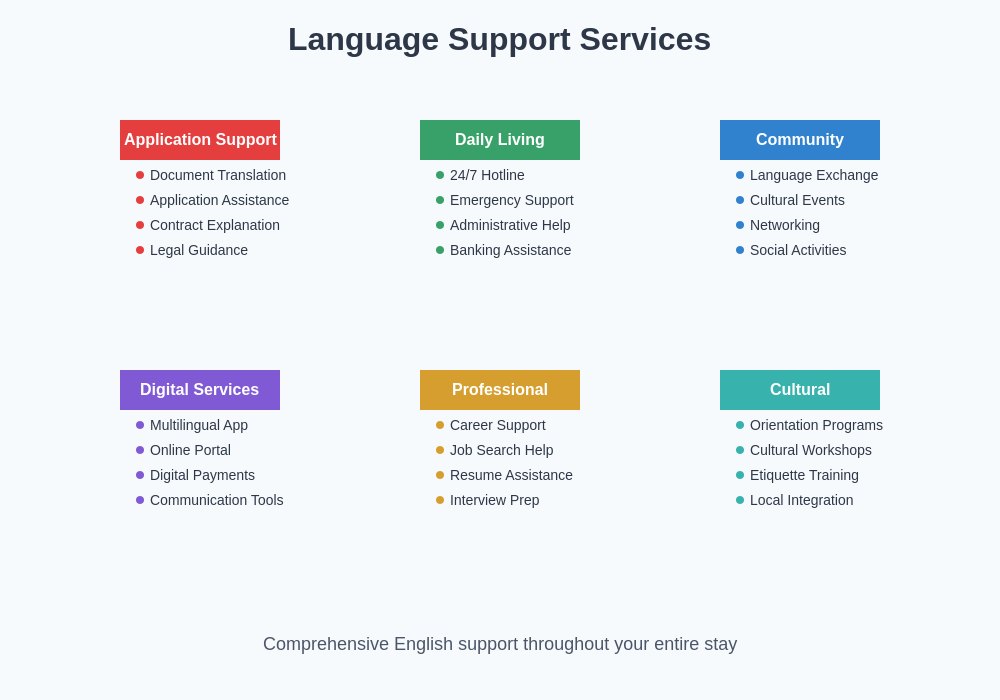
Comprehensive language support extends far beyond basic translation services to encompass ongoing communication assistance, document interpretation, cultural explanation, and advocacy during interactions with local services, government offices, and healthcare providers. English-speaking sharehouses maintain multilingual staff who can provide immediate assistance with emergency situations, administrative procedures, and daily living challenges that commonly affect international residents.
Digital communication platforms used by English-speaking sharehouses typically include multilingual messaging systems, translated house rules and procedures, and international resident community groups that facilitate information sharing and mutual support among housemates. Japanese sharehouse rules every foreigner should know becomes more accessible when presented with proper cultural context and English explanations.
Many English-speaking sharehouses organize regular language exchange events, cultural workshops, and community activities that create natural opportunities for residents to practice Japanese while building friendships with both local and international community members. These structured interactions help bridge cultural gaps while providing safe spaces for language learning and cultural questions.
Emergency communication protocols at English-speaking sharehouses include 24/7 English-language support hotlines, multilingual emergency contact information, and clear procedures for accessing medical care, police assistance, and other essential services that international residents may need to navigate during their stay in Tokyo.
Community Composition and Cultural Dynamics
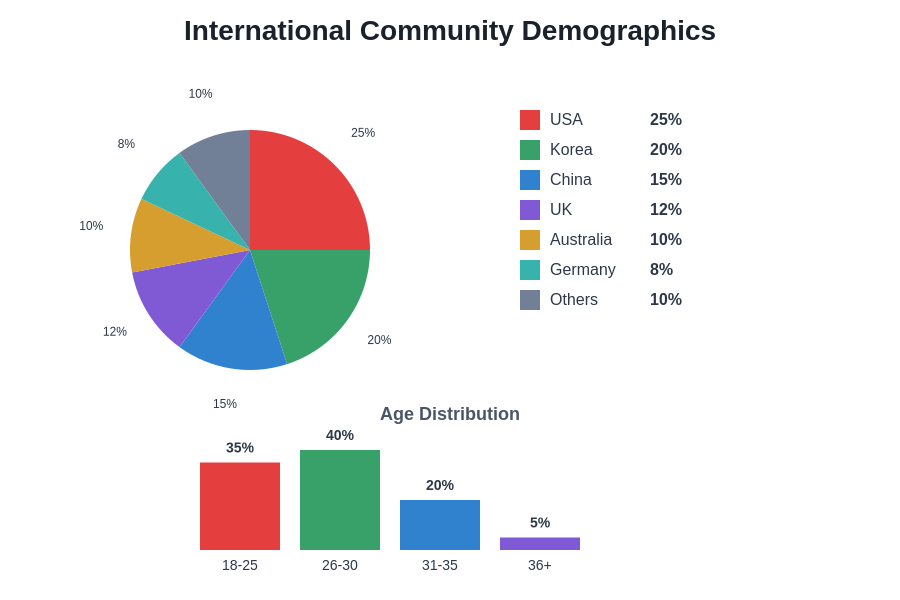
The demographic composition of English-speaking sharehouses typically includes residents from diverse international backgrounds, creating rich multicultural environments where different perspectives, traditions, and experiences contribute to vibrant community dynamics. Making friends through Tokyo sharehouse communities explores how these diverse environments facilitate meaningful cross-cultural friendships and learning opportunities.
Age distributions in English-speaking sharehouses often skew toward young professionals, students, and working holiday visa holders, though many properties welcome residents across broader age ranges to create more balanced community dynamics. The presence of both short-term and long-term residents provides stability while maintaining the dynamic energy that comes with regular introduction of new cultural perspectives.
Professional backgrounds among residents typically span multiple industries and career stages, from language teachers and technology workers to artists, researchers, and entrepreneurs, creating opportunities for professional networking and career development within the international community. Student sharehouses near top Tokyo universities provides insights into academic-focused communities within the broader English-speaking sharehouse ecosystem.
Cultural celebration and holiday recognition in English-speaking sharehouses often incorporates traditions from multiple countries, creating unique fusion experiences that help residents maintain connections to their home cultures while exploring new traditions and perspectives from housemates representing different parts of the world.
Application Processes and Documentation Requirements
Application procedures for English-speaking sharehouses are specifically designed to accommodate international applicants who may lack traditional Japanese documentation such as local employment history, domestic bank accounts, or Japanese guarantors. What documents you need for Tokyo sharehouse applications provides comprehensive guidance on preparing necessary paperwork for international applications.
Alternative verification methods commonly accepted by English-speaking sharehouses include international employment contracts, overseas bank statements, embassy letters, and educational institution documentation that may not be recognized by traditional Japanese rental arrangements. Many operators have developed relationships with international banks and verification services to streamline the approval process for foreign applicants.
Visa status considerations play important roles in application evaluation, with different visa types carrying varying levels of acceptance and requiring specific documentation approaches. Working holiday visas, student visas, and work visas each present different advantages and challenges, with English-speaking sharehouse operators generally more experienced in navigating these complexities compared to traditional Japanese rental agencies.
Timeline expectations for international applications typically allow for longer processing periods to accommodate document translation, international verification, and communication across different time zones. Most English-speaking sharehouses maintain expedited application tracks for urgent housing needs while providing comprehensive support throughout the approval and move-in process.
Pricing Structure and Value Considerations
Cost structures for English-speaking sharehouses typically reflect the premium services and international support provided, with pricing generally higher than basic Japanese sharehouses but offering significant value through comprehensive assistance and community features. How much Tokyo sharehouses really cost per month provides context for understanding the cost-benefit analysis of specialized international accommodation.
Service fees and support charges often represent substantial portions of monthly costs but include services that would otherwise require separate payment to translation services, real estate agencies, and cultural consultants. These integrated support systems provide significant convenience and cost savings when compared to navigating Tokyo’s housing market independently as a foreign resident.
Utility arrangements and internet services are typically managed centrally with transparent billing systems that eliminate the complexity of establishing individual utility accounts, understanding Japanese billing practices, and managing seasonal cost fluctuations that can be challenging for international residents to predict and budget for effectively.
Security deposit policies and move-out procedures are designed with international mobility in mind, recognizing that foreign residents may need to relocate quickly due to visa changes, employment opportunities, or personal circumstances. How to actually get your deposit back becomes more straightforward with clear English documentation and internationally-aware management practices.
Location Strategy and Neighborhood Selection
English-speaking sharehouses are strategically located throughout Tokyo to provide optimal access to international business districts, language schools, universities, and cultural areas that attract significant foreign populations. Best Tokyo neighborhoods for sharehouse living offers comprehensive guidance on evaluating different areas based on international community presence and foreigner-friendly amenities.
Transportation accessibility receives particular attention in location selection, with emphasis on proximity to major train lines that connect to international business centers, airports, and popular expatriate gathering areas. Many English-speaking sharehouses are located near stations that provide direct access to areas like Roppongi, Shibuya, and Shinjuku where international businesses and entertainment options are concentrated.
Neighborhood amenities important to international residents include proximity to international supermarkets, English-language medical clinics, foreign banks, and cultural centers that provide familiar products and services. Business district sharehouses near Tokyo Station explores how central locations provide enhanced access to international business networks and career opportunities.
Cultural balance considerations influence location choices, with many English-speaking sharehouses positioned in areas that offer authentic Japanese neighborhood experiences while maintaining reasonable access to international amenities and expatriate support services that help ease the cultural adjustment process for foreign residents.
Support Services and Resident Assistance
Comprehensive support services distinguish English-speaking sharehouses from basic accommodation options, providing ongoing assistance with administrative procedures, cultural navigation, emergency situations, and personal development opportunities throughout residents’ stays in Tokyo. These services recognize that successful international living requires more than just translation assistance.
Administrative support includes assistance with resident registration, bank account opening, phone contract establishment, and tax procedures that can be particularly challenging for foreign residents unfamiliar with Japanese bureaucratic systems. Many English-speaking sharehouses maintain relationships with international-friendly service providers and can facilitate introductions and appointments.
Cultural orientation programs help new residents understand Japanese social customs, business etiquette, transportation systems, and daily living practices through structured workshops, informal mentoring, and peer support networks. Living costs in Tokyo sharehouses explained becomes more meaningful when presented within comprehensive cultural and practical context.
Emergency assistance protocols provide 24/7 support for medical emergencies, natural disasters, legal issues, and personal crises that may require immediate intervention and advocacy on behalf of international residents who may not be familiar with local emergency services and procedures.
Technology Integration and Digital Services
Modern English-speaking sharehouses leverage technology platforms to enhance communication, streamline administrative processes, and build stronger community connections among international residents. Digital integration extends from initial property search and application processes through ongoing resident communication and community engagement throughout the living experience.
Mobile applications and web platforms provide multilingual interfaces for managing payments, submitting maintenance requests, accessing community information, and communicating with both management and fellow residents. These digital tools eliminate language barriers while providing convenient access to essential services and information.
Internet infrastructure in English-speaking sharehouses typically prioritizes high-speed connections suitable for international video calling, remote work requirements, and streaming services that international residents rely on for entertainment and maintaining connections with their home countries. Wi-Fi networks are designed to accommodate multiple devices and high-bandwidth usage patterns common among international residents.
Digital community features include online event calendars, resident directories, marketplace platforms for buying and selling items, and social networking tools that help residents connect based on shared interests, professional backgrounds, or cultural experiences. These platforms extend community building beyond physical spaces while accommodating diverse schedules and social preferences.
Cultural Activities and Community Events
Organized cultural activities form essential components of English-speaking sharehouse communities, providing structured opportunities for residents to experience Japanese culture while building friendships and sharing their own cultural backgrounds with others. These events bridge cultural gaps while creating memorable shared experiences that enhance the overall living experience.
Japanese cultural immersion activities include traditional cooking classes, festival participation, tea ceremony workshops, and guided neighborhood exploration that help international residents develop deeper appreciation for local customs and traditions. Cultural differences that affect friendship building provides insights into how these activities facilitate meaningful cross-cultural understanding.
International cultural sharing events celebrate the diverse backgrounds of residents through food festivals, language exchange sessions, traditional holiday celebrations, and cultural presentation nights that create opportunities for residents to share their heritage while learning about others’ traditions and perspectives.
Professional networking events connect residents with broader international business communities in Tokyo through industry meetups, career development workshops, and professional association introductions that help international residents build career networks and explore employment opportunities within Japan’s international business environment.
Long-term Integration and Success Strategies
Successful long-term integration into Tokyo’s international community through English-speaking sharehouses requires active engagement with both the immediate resident community and broader expatriate networks throughout the city. How to handle roommate conflicts without moving out provides practical strategies for maintaining positive relationships in multicultural living environments.
Language development strategies benefit from the natural immersion opportunities provided by English-speaking sharehouses while maintaining structured learning approaches through language exchange partnerships, formal study programs, and professional development courses that help residents build comprehensive Japanese language skills for long-term success.
Career development opportunities within Tokyo’s international business community become more accessible through sharehouse networks, professional connections, and industry exposure that English-speaking communities provide. Many residents leverage these connections to transition from short-term stays to long-term career opportunities within Japan.
Community leadership roles often emerge naturally within English-speaking sharehouses, providing residents with opportunities to develop cross-cultural communication skills, event organization experience, and community building capabilities that enhance both personal development and resume value for future career opportunities.
Future Trends and Market Evolution
The English-speaking sharehouse market in Tokyo continues evolving to meet changing demands from international residents, incorporating new technologies, service models, and community approaches that reflect global trends in co-living and international mobility. Understanding these developments helps residents choose properties and operators that will remain relevant and valuable throughout their Tokyo experience.
Sustainability initiatives increasingly influence property development and operation, with English-speaking sharehouses adopting environmentally conscious practices that appeal to internationally-minded residents who prioritize sustainable living practices. These initiatives include energy-efficient appliances, waste reduction programs, and sustainable transportation encouragement.
Technology integration continues expanding to include smart home features, AI-powered communication tools, and virtual reality cultural experiences that enhance both convenience and cultural learning opportunities for international residents. These technological advances help bridge physical and cultural distances while maintaining human connection and community building.
Market expansion beyond Tokyo metropolitan areas provides opportunities for international residents to experience different aspects of Japanese culture while maintaining access to English-speaking support and international community connections. This geographic diversification creates options for residents seeking different lifestyle experiences within Japan.
The evolution of English-speaking sharehouses in Tokyo represents a significant advancement in international accommodation solutions, providing foreign residents with comprehensive support systems, vibrant multicultural communities, and authentic cultural experiences that would be difficult to achieve through traditional housing arrangements. These specialized environments continue adapting to meet the changing needs of Tokyo’s growing international population while maintaining the core values of community, support, and cultural exchange that make them invaluable resources for successful international living experiences.
Disclaimer
This article is for informational purposes only and does not constitute professional housing or legal advice. The English-speaking sharehouse market in Tokyo is constantly evolving, and specific availability, pricing, and services may change. Readers should conduct their own research and verify current information when making housing decisions. Individual experiences may vary depending on personal circumstances, property management, and community dynamics.