Academic conferences represent pivotal moments in the careers of students and researchers living in Tokyo sharehouses, creating complex ripple effects that extend far beyond the conference venue itself. The intersection of academic obligations and shared living arrangements generates unique challenges that require careful planning, financial preparation, and community consideration. Understanding how conference attendance impacts every aspect of sharehouse life enables residents to navigate these professional opportunities while maintaining positive relationships with housemates and managing their living arrangements effectively.
The academic calendar’s unpredictable nature means that conference announcements, acceptance notifications, and travel requirements often emerge with minimal advance notice, forcing residents to quickly adapt their living situations, financial commitments, and social obligations. This dynamic environment requires sophisticated planning strategies that balance academic advancement opportunities with the practical realities of shared living spaces and community responsibilities.
Conference Season Timing and Sharehouse Dynamics
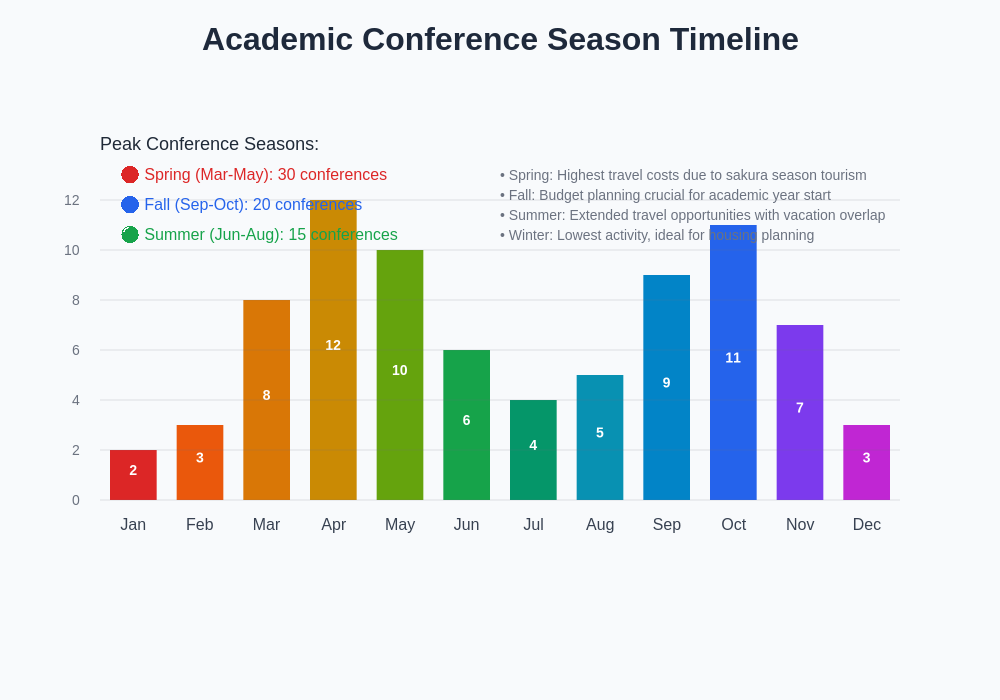
Academic conference seasons follow predictable patterns that directly influence sharehouse occupancy rates, community dynamics, and shared resource availability throughout the year. The concentration of major conferences during specific periods creates periods of mass exodus from sharehouses, followed by intense reintegration phases that can significantly disrupt established house routines and social structures.
Spring conferences, typically occurring between March and May, coincide with Japan’s academic year transitions and sakura season, creating additional complications for international residents managing visa renewals, housing contract negotiations, and tourist season price fluctuations. Why sakura season brings tourist disruptions explains how these seasonal factors compound conference-related travel challenges.
Summer conference seasons present unique opportunities for extended travel periods but also coincide with peak vacation times when sharehouse communities experience maximum turnover and new resident integration periods. The overlap between conference travel and vacation planning requires careful coordination to maintain house stability and ensure adequate coverage for shared responsibilities during these transitional periods.
Fall conference cycles often align with budget year beginnings and grant application deadlines, creating financial pressure points that affect residents’ ability to manage both conference expenses and housing obligations simultaneously. Understanding these temporal patterns helps residents anticipate and prepare for the cascading effects of conference participation on their living situations.
Financial Planning for Conference Travel and Housing
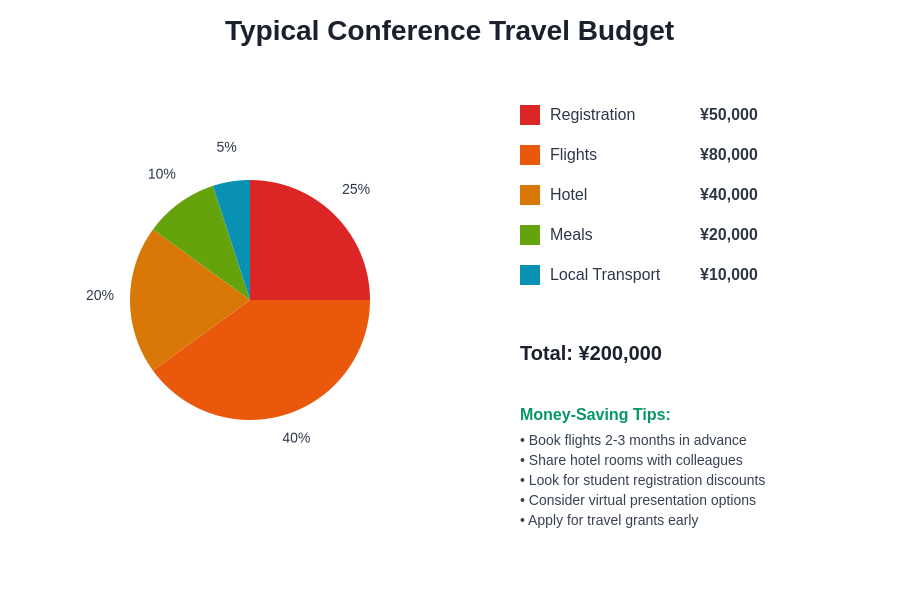
Conference attendance requires substantial financial outlays that can strain the carefully balanced budgets of sharehouse residents, particularly when registration fees, travel costs, accommodation expenses, and presentation materials must be funded alongside monthly housing obligations. How to budget realistically for sharehouse living provides essential frameworks for incorporating conference expenses into existing financial plans.
The timing of conference expenses often misaligns with academic stipend disbursements and research funding schedules, creating cash flow challenges that require creative financial management strategies. Early registration discounts, group booking arrangements, and shared accommodation options can significantly reduce individual costs while maintaining professional presentation standards and networking opportunities.
International conference travel introduces additional financial complexities including currency exchange considerations, international banking fees, travel insurance requirements, and potential visa application costs that can substantially exceed initial budget estimates. Building conference travel funds throughout the year helps distribute these financial burdens and prevents emergency borrowing situations that could jeopardize housing stability.
Funding source diversification through research grants, conference scholarships, department travel awards, and collaborative funding arrangements can significantly reduce personal financial burden while expanding conference participation opportunities. Living costs in Tokyo sharehouses explained offers insights into balancing regular living expenses with periodic conference costs.
Managing Extended Absence from Sharehouses
Extended conference travel periods create practical challenges for maintaining sharehouse relationships, fulfilling shared responsibilities, and preserving personal belongings and living spaces during absence periods. The complexity of managing these logistics while focusing on conference preparation and academic performance requires systematic planning and clear communication with housemates.
Shared responsibility coverage arrangements must be established well in advance of travel dates to ensure continuity of cleaning schedules, package receipt duties, utility monitoring, and emergency contact availability. How shared expense apps create new problems highlights common complications that arise when residents travel frequently for academic purposes.
Room security and personal property protection become critical concerns during extended absences, particularly in sharehouses with high turnover rates or inadequate security measures. Establishing trusted relationships with long-term residents and implementing additional security measures helps protect valuable academic materials, electronics, and personal belongings during conference periods.
Utility usage patterns and shared resource consumption change significantly during extended absences, potentially affecting cost-sharing arrangements and creating disputes upon return if not properly managed. Pre-arranging utility adjustments and documenting usage patterns helps prevent conflicts and ensures fair cost distribution among active residents.
Networking Opportunities and Sharehouse Communities
Academic conferences provide invaluable networking opportunities that can directly benefit sharehouse communities through expanded international connections, collaborative research possibilities, and enhanced cultural exchange programs. The knowledge and contacts gained through conference participation often create lasting benefits for entire house communities rather than individual attendees alone.
International conference attendance frequently results in reciprocal visit arrangements where conference contacts visit Tokyo and require temporary accommodation recommendations. Making friends through Tokyo sharehouse communities explains how these professional networks can strengthen house communities and create new friendship opportunities.
Conference presentations and research sharing sessions often highlight the diverse academic backgrounds and expertise available within sharehouse communities, creating opportunities for internal collaboration and knowledge exchange that wouldn’t otherwise emerge through casual daily interactions. These professional connections can lead to joint research projects, publication opportunities, and career advancement possibilities.
The international perspective gained through conference participation enhances residents’ ability to contribute to house cultural exchange activities and provide valuable insights for other international residents navigating similar academic and professional challenges in Tokyo’s competitive academic environment.
Presentation Preparation in Shared Spaces
Conference presentation preparation requires sustained periods of focused work, access to reliable technology resources, and adequate space for practice sessions and material development. Sharehouse environments present unique challenges for intensive academic work while also offering collaborative opportunities and peer support systems unavailable in isolated living situations.
Shared technology resources including printers, scanners, high-speed internet, and presentation equipment become critical during conference preparation periods, requiring coordination among residents to ensure availability during crucial deadlines. How remote work equipment affects space usage addresses common technology sharing challenges in academic sharehouses.
Practice presentation sessions benefit from diverse audience perspectives available within international sharehouse communities, providing valuable feedback opportunities and cultural sensitivity insights that improve presentation effectiveness for international conferences. However, noise considerations and space limitations require careful scheduling to prevent disruption of other residents’ work and rest periods.
Collaborative preparation opportunities including joint research presentations, shared travel arrangements, and group conference attendance can reduce individual costs while strengthening professional relationships among housemates pursuing similar academic interests and career goals.
Travel Documentation and Visa Considerations
International conference travel requires careful attention to visa requirements, travel documentation, and immigration considerations that can significantly complicate travel planning for international residents of Tokyo sharehouses. How visa status affects your sharehouse application provides background on how immigration status impacts various aspects of life in Japan.
Multiple-entry visa requirements for frequent conference travelers can affect long-term housing stability and create documentation burdens that require advance planning and financial preparation. Understanding visa reciprocity agreements and conference invitation letter requirements helps streamline travel planning processes and prevent last-minute complications.
Conference travel timing must align with visa expiration dates, renewal processes, and re-entry requirements that could affect ability to return to Japan and resume sharehouse residency. Poor timing coordination can result in extended delays, additional costs, and potential housing arrangement disruptions that affect both individual residents and house communities.
Travel insurance considerations become particularly complex for international students and researchers attending conferences, requiring coverage for academic equipment, research materials, and potential emergency evacuation scenarios that standard policies may not adequately address.
Technology and Communication Challenges
Conference attendance creates communication challenges with sharehouse communities due to time zone differences, limited internet access, and demanding conference schedules that reduce availability for routine house communications and emergency responses. Establishing clear communication protocols helps maintain house relationships and ensures critical information reaches traveling residents.
Technology requirements for conference participation including specialized software, high-quality cameras for virtual presentations, and reliable internet connections may exceed standard sharehouse infrastructure capabilities, requiring advance planning and potential additional investments in portable technology solutions.
Virtual conference participation has become increasingly common, creating new challenges for sharehouse residents including bandwidth competition, noise control requirements, and professional appearance considerations when presenting from shared living spaces. How video call backgrounds affect professional image addresses these modern presentation challenges.
Cloud storage and remote access solutions become essential for maintaining access to research materials and academic resources while traveling, but also introduce security considerations and potential compatibility issues with sharehouse internet systems and shared devices.
Post-Conference Integration and Knowledge Sharing
Returning from academic conferences brings opportunities for knowledge sharing within sharehouse communities but also requires readjustment to shared living routines and catching up on missed house developments during absence periods. The transition period following conference attendance can significantly impact house dynamics and individual academic productivity.
Conference experiences often provide valuable insights into international academic practices, cultural differences, and professional development strategies that benefit entire sharehouse communities when shared appropriately. How academic networking happens in sharehouses explores how these learning opportunities can strengthen house intellectual communities.
Jet lag and travel fatigue can affect residents’ ability to immediately resume shared responsibilities and social participation, requiring understanding and temporary accommodation from housemates during readjustment periods. Planning for these transition phases helps prevent conflicts and maintains positive house relationships.
Conference contacts and new professional relationships often result in follow-up activities including virtual meetings, collaborative projects, and future travel planning that may affect residents’ availability and participation in house activities for extended periods following conference attendance.
Long-term Academic Planning and Housing Stability
Frequent conference attendance can indicate advancing academic careers that may eventually require housing changes, program transfers, or geographical relocations that affect long-term sharehouse community stability. Why career advancement may require moving out examines how professional development impacts housing decisions.
Academic calendar misalignments between different institutions and research programs can create challenging situations where conference schedules conflict with housing contract renewals, program requirements, and other academic obligations that require careful coordination and advance planning.
Conference presentation success and networking achievements can lead to new academic opportunities including research collaborations, program transfers, and career advancements that may necessitate housing changes or extended travel periods affecting sharehouse arrangements and community dynamics.
Building relationships within sharehouse communities that can accommodate and support academic travel requirements becomes essential for long-term success in competitive academic environments while maintaining stable and affordable housing arrangements in Tokyo’s challenging rental market.
Emergency Planning and Risk Management
Conference travel introduces various risk factors including flight cancellations, medical emergencies, natural disasters, and political situations that can significantly disrupt travel plans and affect housing arrangements. How natural disaster preparedness varies by building provides context for emergency planning considerations.
Emergency communication plans must include clear protocols for notifying housemates of travel delays, extended absences, and emergency situations that might affect housing payments, shared responsibilities, or personal property security during absence periods.

This systematic approach to managing conference travel ensures that all phases of the process are properly planned and coordinated with sharehouse responsibilities and community obligations.
Travel insurance and emergency fund planning become critical for protecting both conference participation opportunities and housing stability when unexpected situations arise during academic travel. Understanding coverage limitations and exclusions helps identify potential financial exposures and plan accordingly.
Backup presentation plans including cloud storage solutions, equipment redundancies, and alternative presentation formats help ensure conference participation success even when technical difficulties or travel complications arise during critical academic opportunities.
The intricate relationship between academic conference participation and sharehouse living requires sophisticated planning, clear communication, and mutual understanding among house communities to successfully navigate the competing demands of professional advancement and shared living responsibilities. Effective management of these challenges enables residents to pursue academic opportunities while maintaining stable and supportive living environments that enhance rather than hinder their educational and professional goals.
Disclaimer
This article is for informational purposes only and does not constitute professional academic or travel advice. Conference policies, travel requirements, and sharehouse arrangements vary significantly. Readers should consult with relevant institutions, travel professionals, and housing providers when planning conference attendance and travel arrangements. Individual experiences may vary based on specific circumstances, academic programs, and housing arrangements.