Age differences in sharehouses create complex layers of social dynamics that significantly influence daily living experiences, relationship formation, and overall community harmony. Understanding how generational gaps manifest in shared living environments becomes essential for both residents and property managers seeking to foster positive, inclusive communities where people of different ages can coexist successfully and learn from one another’s perspectives and life experiences.
The intersection of age, cultural background, and lifestyle preferences creates unique challenges and opportunities within Tokyo’s international sharehouse communities. While age gaps can initially appear as barriers to meaningful connections, they often evolve into valuable sources of wisdom exchange, mentorship opportunities, and broader social networks that enrich the living experience for residents across all age groups when approached with understanding and mutual respect.
Understanding Generational Perspectives in Shared Living
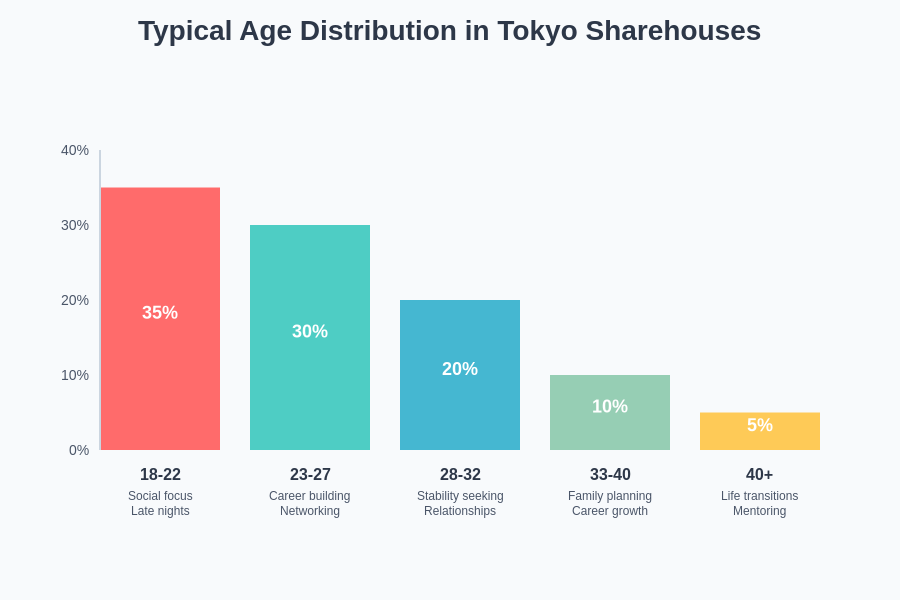
Different generations bring distinct values, communication styles, and lifestyle expectations to sharehouse environments, shaped by their formative experiences during different historical periods and technological developments. Younger residents, typically in their early twenties, often prioritize social connections, career exploration, and cultural experiences, while older residents may focus more on stability, professional advancement, and meaningful relationships rather than constant social activity.
Living with Japanese roommates in Tokyo sharehouses often involves additional layers of generational differences rooted in changing Japanese social norms and attitudes toward international interaction. Traditional Japanese values regarding hierarchy, respect, and social harmony can intersect with age differences in ways that either enhance community cooperation or create subtle tensions that require careful navigation.
The digital divide between generations manifests prominently in sharehouse settings through different approaches to technology use, communication preferences, and entertainment choices. While younger residents may rely heavily on smartphones, social media, and digital entertainment, older residents might prefer face-to-face conversations, traditional media consumption, and analog activities that can create both learning opportunities and occasional friction points.
Career stages and professional priorities also vary significantly across age groups, affecting schedules, financial priorities, and long-term housing goals. Recent graduates may prioritize networking, career exploration, and social experiences, while established professionals often focus on work-life balance, savings goals, and family planning considerations that influence their sharehouse participation and community engagement levels.
Daily Routine Conflicts and Compatibility Challenges
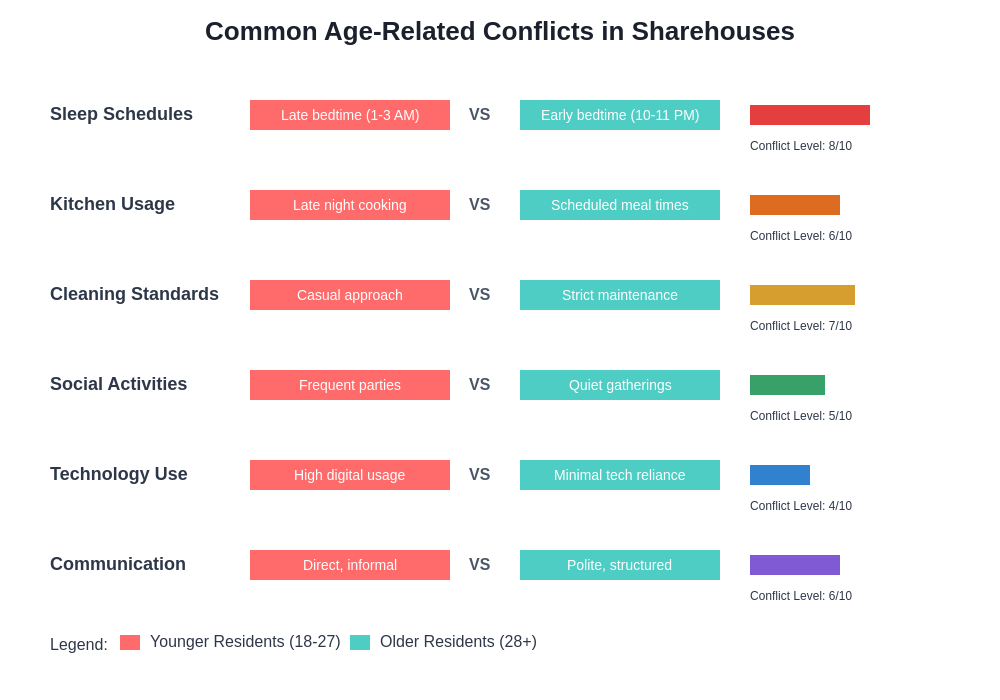
Sleep schedules represent one of the most common sources of age-related friction in sharehouses, with younger residents often maintaining later bedtimes and wake-up times that conflict with older residents’ preferences for earlier, more structured daily routines. How sleep quality suffers in shared environments explores how these differences can escalate into significant lifestyle conflicts without proper communication and mutual accommodation.
Kitchen usage patterns frequently reflect generational differences in cooking habits, meal timing, and food preparation approaches. Younger residents may prefer quick, convenient meals and late-night snacking, while older residents often favor traditional cooking methods, regular meal schedules, and more substantial food preparation that requires extended kitchen access during peak hours.
Cleaning standards and maintenance responsibilities often reveal different generational attitudes toward domestic responsibilities and shared space management. How cleaning responsibilities create house drama frequently stems from varying expectations about cleanliness levels, task distribution, and personal accountability that correlate with age and cultural background.
Social activity preferences can create inclusion and exclusion dynamics when different age groups gravitate toward incompatible entertainment choices, social venues, and community participation levels. Younger residents may prefer loud music, frequent parties, and spontaneous social gatherings, while older residents often appreciate quieter activities, planned events, and more intimate social interactions.
Communication Styles Across Age Groups
Generational differences in communication preferences significantly impact relationship building and conflict resolution within sharehouse communities. Younger residents often favor digital communication methods, informal language, and direct expression of opinions, while older residents may prefer formal verbal communication, structured discussions, and indirect approaches to sensitive topics that require cultural sensitivity and patience.
How cultural communication styles create misunderstandings becomes more complex when age differences compound cultural variations in expression, hierarchy awareness, and conflict avoidance strategies. These layered communication challenges require deliberate effort to establish common ground and mutual understanding across generational and cultural boundaries.
Language learning dynamics often vary by age group, affecting the depth and quality of cross-cultural relationships within international sharehouses. Younger residents may approach language learning with casual enthusiasm and willingness to make mistakes, while older residents might feel more self-conscious about language abilities and prefer safer communication strategies that limit deeper relationship development.
Decision-making processes within sharehouse communities reflect different generational approaches to consensus building, authority recognition, and change implementation. Understanding these differences helps prevent misunderstandings and creates more inclusive decision-making frameworks that respect various age-related perspectives and communication preferences.
Financial Perspectives and Spending Behaviors
Age-related differences in financial priorities and spending behaviors create various compatibility challenges around shared expenses, lifestyle choices, and long-term housing decisions. How much Tokyo sharehouses really cost per month affects different age groups differently based on their career stages, savings goals, and financial responsibilities outside of housing costs.
Younger residents often operate with tighter budgets and may prioritize social spending over household improvements or premium amenities, while older residents might be willing to invest more in comfort, convenience, and quality-of-life improvements that benefit the entire household. These different financial perspectives can create tension around group purchases, utility usage, and shared resource allocation.
Career stability and income predictability vary significantly across age groups, affecting payment reliability, lease commitment capabilities, and financial emergency preparedness. How emergency expenses are never budgeted impacts younger residents more severely due to limited savings, while older residents may have more financial cushion but different risk tolerance levels.
Investment in shared amenities and household improvements often reflects generational differences in nesting behaviors, quality expectations, and long-term residence intentions that can create disagreements about spending priorities and resource allocation within the sharehouse community.
Social Networks and Relationship Building
Age differences significantly influence social network formation and relationship dynamics within sharehouse communities. Making friends through Tokyo sharehouse communities varies considerably based on age-related preferences for social interaction styles, activity types, and relationship depth expectations that can either complement or conflict with housemates’ social needs.
Younger residents often seek broad social networks with diverse, casual friendships and frequent social activities, while older residents may prefer deeper, more meaningful relationships with fewer people and more selective social engagement. These different approaches to friendship can create feelings of exclusion or social pressure when not properly understood and accommodated.
Professional networking opportunities through sharehouse connections appeal differently to various age groups based on their career stages and industry involvement. Recent graduates may enthusiastically pursue every networking opportunity, while established professionals might be more selective about professional relationship development and boundary maintenance between personal and professional spheres.
Romantic relationship attitudes and dating behaviors within sharehouse communities reflect generational differences in relationship goals, privacy expectations, and community involvement preferences. Dating while living in Tokyo sharehouses creates different dynamics depending on the age mix of residents and their varying comfort levels with relationship visibility and house guest policies.
Technology Integration and Digital Habits
The digital divide between age groups manifests prominently in sharehouse settings through different approaches to smart home technology, entertainment systems, and communication platform preferences. How smart home features change daily routines reveals varying comfort levels and adoption speeds across age groups that can create accessibility and usability challenges.
Internet usage patterns and bandwidth consumption differ significantly between generations, affecting network performance and fair usage policies. Younger residents often consume more streaming content, engage in online gaming, and maintain constant connectivity, while older residents may have lighter usage patterns but expect reliable performance for their specific needs.
Social media integration and privacy expectations vary dramatically across age groups, influencing how sharehouse communities document and share their experiences while respecting different comfort levels with online presence and digital footprint management. These differences require careful navigation to maintain inclusive community practices.
Streaming service preferences and entertainment sharing arrangements often reflect generational gaps in content preferences, viewing habits, and subscription service familiarity that can create access inequities or usage conflicts within shared entertainment systems.
Cultural Learning and Exchange Opportunities
Age diversity in sharehouses creates unique opportunities for bidirectional cultural learning and wisdom exchange that benefit all residents when properly facilitated and encouraged. How cultural sensitivity develops through daily interaction accelerates when different generations share their perspectives and experiences across cultural and temporal boundaries.
Older residents often serve as informal mentors for younger housemates navigating career decisions, cultural adaptation challenges, and life transition periods, while younger residents can introduce older housemates to contemporary cultural trends, technology applications, and fresh perspectives on traditional practices.
Language learning dynamics benefit from age diversity through varied teaching and learning styles that accommodate different preferences and capabilities. Older residents may offer structured, patient instruction while younger residents provide casual, contemporary language usage examples that create comprehensive learning environments.
Traditional knowledge preservation and modern innovation synthesis occur naturally in age-diverse sharehouses where residents exchange cooking techniques, cultural practices, and problem-solving approaches that blend generational wisdom with contemporary solutions.
Conflict Resolution Strategies Across Generations
Different age groups approach conflict resolution with varying strategies, communication preferences, and escalation tolerances that require tailored approaches for effective community harmony maintenance. How to handle roommate conflicts without moving out becomes more complex when age-related differences compound underlying disagreements.
Younger residents may prefer direct confrontation and immediate resolution, while older residents often favor diplomatic approaches, mediation involvement, and gradual problem-solving processes that require patience and mutual understanding. These different conflict styles can either complement each other or create additional friction depending on implementation approaches.
Authority dynamics and hierarchy recognition vary across generations, affecting how conflicts are addressed and who is considered appropriate for intervention or guidance roles within the sharehouse community. Understanding these dynamics helps prevent power struggles and promotes more effective resolution processes.
Forgiveness and relationship repair approaches differ generationally, with varying expectations about apology requirements, behavioral change timelines, and relationship restoration processes that influence long-term community stability and cohesion.
Creating Age-Inclusive Sharehouse Communities
Successful age-diverse sharehouses require intentional community building strategies that acknowledge and accommodate generational differences while fostering mutual respect and learning opportunities. Property managers and residents must work together to establish inclusive policies and practices that prevent age-based discrimination and promote intergenerational harmony.
House rules and community guidelines should reflect input from all age groups and address common sources of generational friction through clear expectations, flexible accommodation options, and fair enforcement mechanisms that respect different lifestyle preferences and needs.
Activity planning and community events benefit from age-inclusive approaches that offer diverse engagement options appealing to different generations while creating opportunities for cross-generational interaction and relationship building. Balancing social activities ensures all residents feel welcome and valued within the community.
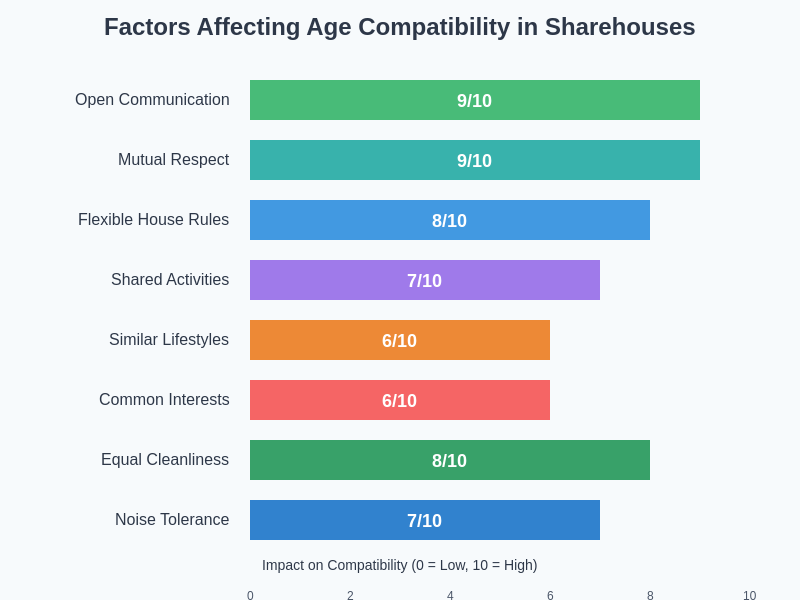
Communication frameworks should accommodate different generational preferences through multiple channels, clear information sharing protocols, and inclusive decision-making processes that respect varying communication styles and participation preferences across age groups.
Long-term Benefits of Age-Diverse Living
Living with residents of different ages provides valuable learning experiences that prepare individuals for diverse workplace environments, family relationships, and community participation throughout their lives. These skills become increasingly important in globalized societies where age diversity is common in professional and social contexts.
Personal growth and perspective expansion occur naturally in age-diverse environments where residents encounter different life stages, career paths, and cultural adaptation strategies that broaden their understanding of human experience and possibility. This exposure creates more empathetic, well-rounded individuals who can navigate diverse social situations effectively.
Professional development benefits from age-diverse networking opportunities and mentorship relationships that provide career guidance, industry insights, and professional connection building across generations. These relationships often extend beyond sharehouse living periods and contribute to long-term career success.
Cultural competency and adaptability skills developed through age-diverse living experiences translate into valuable personal and professional capabilities that enhance future relationship building, leadership development, and cross-cultural communication effectiveness in various life contexts.
The challenges and rewards of age-diverse sharehouse living ultimately depend on residents’ willingness to embrace differences, communicate openly, and create inclusive communities that value the unique contributions each generation brings to the shared living experience. When approached with patience, understanding, and mutual respect, age differences transform from potential obstacles into valuable assets that enrich the sharehouse experience for everyone involved.
Disclaimer
This article is for informational purposes only and does not constitute professional advice. Age-related dynamics in sharehouses can vary significantly based on individual personalities, cultural backgrounds, and specific community circumstances. Readers should approach age differences with openness and respect while considering their own compatibility preferences when selecting sharehouse communities.