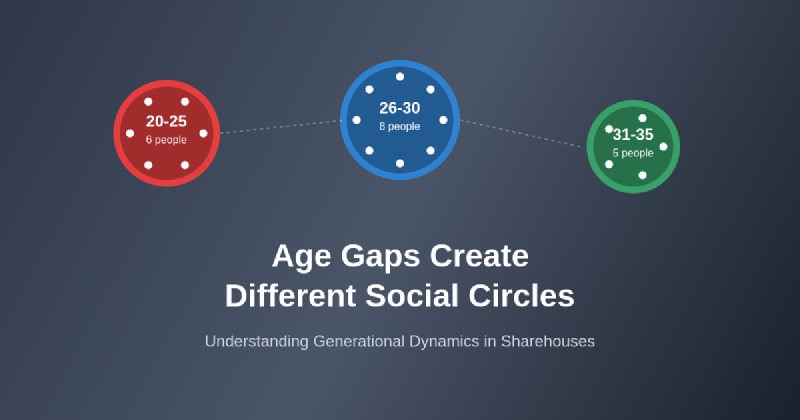
The phenomenon of age-based social stratification in Tokyo sharehouses represents one of the most significant yet underexplored aspects of communal living dynamics. Despite the initial hopes of many residents that shared housing would foster diverse, intergenerational friendships, the reality often reveals distinct social circles that naturally form along generational lines, creating complex community dynamics that can either enrich or complicate the living experience for all residents involved.
Understanding how age gaps influence social circle formation becomes essential for anyone entering the sharehouse environment, whether as a younger international student seeking vibrant social connections or as an established professional hoping to find mature companionship while living in shared accommodation. The interplay between age differences and cultural backgrounds creates particularly intricate social landscapes in Tokyo’s international sharehouse communities.
The Natural Formation of Age-Based Groups
Age-based social grouping in sharehouses occurs as an almost inevitable consequence of shared life experiences, common interests, and similar lifestyle patterns that naturally align within specific age ranges. How age differences impact sharehouse compatibility explores the fundamental mechanisms behind this social stratification, revealing how residents unconsciously gravitate toward housemates whose life stages and priorities mirror their own circumstances.
The formation of these distinct social circles typically begins within the first few weeks of residency, as newcomers assess the existing social landscape and identify potential friendship candidates based on observable lifestyle indicators such as work schedules, social activities, communication styles, and leisure preferences. Residents in their early twenties often cluster around shared experiences of academic pressure, entry-level career challenges, and exploratory social activities, while those in their thirties tend to form connections based on professional development, relationship stability, and more structured lifestyle approaches.
This natural segregation extends beyond simple preference matching to encompass fundamental differences in communication patterns, humor appreciation, cultural references, and social energy levels that create more comfortable interaction environments within age-similar groups. The comfort zone effect becomes particularly pronounced when discussing personal challenges, career aspirations, and relationship experiences that resonate more strongly within generational peer groups.
The digital age has intensified these age-based divisions through platform preferences and communication habits that vary dramatically across different generations, with younger residents favoring instant messaging, social media coordination, and gaming platforms while older residents often prefer face-to-face conversations, email communication, and traditional social activities.
Communication Patterns Across Age Groups
The divergence in communication styles between different age groups within sharehouses creates distinct interaction patterns that reinforce social circle boundaries while occasionally creating opportunities for cross-generational learning and cultural exchange. Living with Japanese roommates in Tokyo sharehouses highlights how cultural communication differences compound age-related variations, creating even more complex social dynamics within international living environments.
Younger residents typically embrace more casual, informal communication approaches that include frequent use of slang, pop culture references, and abbreviated digital messaging styles that can feel exclusionary to older housemates who may not understand contemporary linguistic trends or cultural references. This communication gap often extends to decision-making processes, where younger residents might prefer quick consensus through group chats while older residents value thorough discussion and formal agreement procedures.
The pace of communication also varies significantly across age groups, with younger residents often expecting immediate responses to messages and quick resolution of household issues, while older residents may prefer more thoughtful, deliberative approaches to communication that allow for careful consideration of various perspectives and potential consequences. These different temporal expectations can create friction when coordinating group activities or addressing household concerns.
Professional communication habits learned through different generational workplace cultures also influence sharehouse interactions, as residents carry communication styles developed in their respective career environments into their living spaces. Older residents who have developed more formal, structured communication approaches may find the casual, abbreviated communication styles of younger housemates to be disrespectful or insufficiently thoughtful.
Activity Preferences and Social Scheduling
The divergence in activity preferences across different age groups creates natural boundaries that reinforce age-based social circle formation while limiting cross-generational social opportunities within sharehouse communities. Making friends through Tokyo sharehouse communities demonstrates how shared activities serve as primary mechanisms for friendship development, making activity preference alignment crucial for social integration success.
Entertainment preferences vary dramatically between age groups, with younger residents often gravitating toward high-energy activities such as nightclub visits, karaoke sessions, gaming tournaments, and spontaneous adventure outings that may feel overwhelming or inappropriate to older housemates seeking more relaxed, structured social activities. These different energy levels and entertainment preferences naturally create separate social calendars that reinforce age-based groupings.
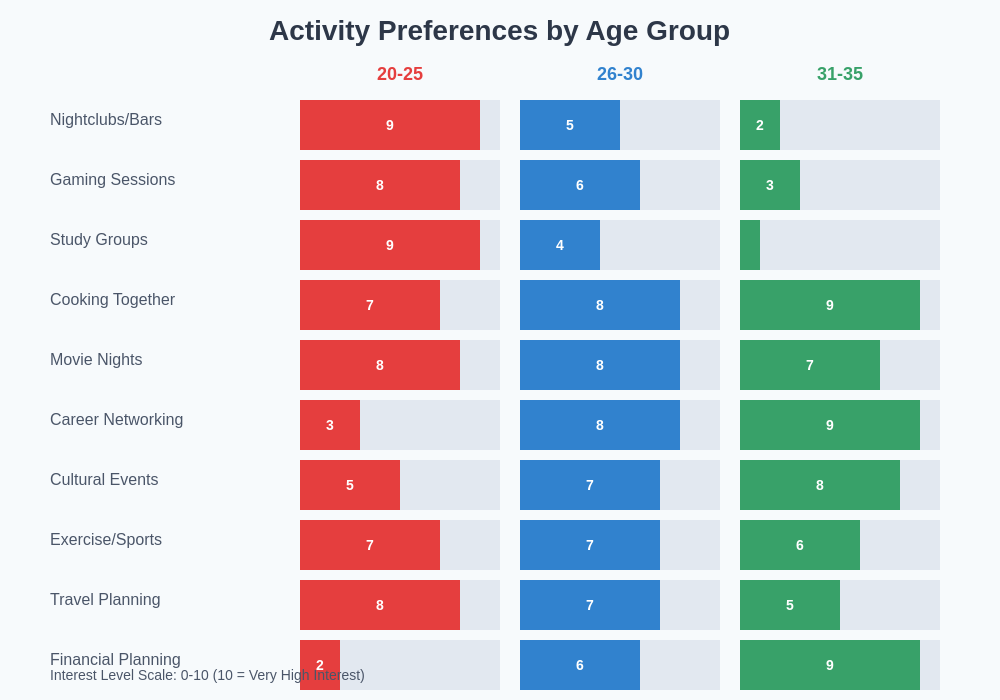
The timing of social activities also reflects generational differences in lifestyle patterns and responsibilities, as younger residents often prefer late-night gatherings and weekend-focused social schedules while older residents may prioritize early evening activities and weekday social opportunities that accommodate work-life balance considerations and family responsibilities. Dating while living in Tokyo sharehouses explores how romantic relationship priorities also vary by age group, affecting social activity planning and group dynamics.
Financial considerations underlying activity choices create additional age-based divisions, as different career stages and income levels influence spending capacity for entertainment, dining, and travel activities. Younger residents often operate on tighter budgets that favor low-cost activities, while older residents may prefer higher-quality experiences that require greater financial investment, creating practical barriers to mixed-age group activities.
Career Stage Influences on Social Dynamics
Professional development stages create profound influences on social circle formation within sharehouses, as residents naturally connect with others facing similar career challenges and opportunities that provide mutual support and understanding for work-related experiences and aspirations. The intersection of age and career stage often reinforces social groupings while creating networking opportunities within generational peer groups.
Entry-level professionals and students typically form social bonds around shared experiences of job searching, interview preparation, skill development, and workplace navigation challenges that resonate most strongly with others in similar professional situations. How career changes affect sharehouse eligibility illustrates how professional transitions impact not only housing stability but also social relationships within sharehouse communities.
Established professionals often seek social connections that provide networking opportunities, industry insights, and career advancement discussions that may feel inappropriate or irrelevant to younger residents still developing basic professional skills and workplace understanding. These career-focused conversations naturally create exclusive social circles that reinforce age-based groupings while potentially providing valuable professional development opportunities.
Work schedule differences across career stages also impact social availability and activity planning, as entry-level positions often involve irregular hours and weekend work requirements while senior professional roles may offer more predictable schedules but greater time constraints due to increased responsibilities and longer work commitments.
The networking aspect of professional relationships within sharehouses can create tension when younger residents feel excluded from career-related discussions or when older residents perceive social activities as unprofessional or counterproductive to career development goals.
Cultural and Generational Reference Points
The intersection of age differences and cultural backgrounds in international sharehouses creates complex layers of reference point misalignment that can either foster fascinating cultural learning opportunities or create insurmountable communication barriers depending on the willingness of different age groups to engage across generational and cultural divides simultaneously.
Pop culture references, historical knowledge, and formative cultural experiences vary dramatically not only between different nationalities but also across different generations, creating multiple dimensions of potential connection or disconnection within sharehouse social dynamics. How cultural differences affect friendship building explores how these cultural reference point differences compound age-related social stratification.
Music preferences, entertainment consumption habits, and social media platform usage reflect both cultural and generational influences that create shared bonding opportunities within age-similar groups while potentially creating barriers to cross-generational cultural appreciation and understanding. The rapid pace of cultural change means that even small age differences can create significant gaps in cultural reference points and shared experiences.
Educational system differences across both generations and cultures create varying approaches to learning, knowledge sharing, and intellectual discussion that can either enrich or complicate intergenerational social interactions depending on individual openness to different perspectives and communication styles.
The globalization of culture has created interesting convergence points where international younger residents may share more cultural references with their age peers from different countries than with older residents from their own cultural backgrounds, creating unexpected social alliance patterns that transcend traditional cultural groupings.
Technology Adoption and Digital Interaction
The digital divide between different age groups within sharehouses extends far beyond simple platform preferences to encompass fundamental differences in how residents approach social interaction, information sharing, and community coordination through technological tools and digital communication methods.
Social media integration varies dramatically across age groups, with younger residents often maintaining extensive online presence and social documentation habits that may feel intrusive or unnecessary to older housemates who prefer private, undocumented social experiences. How social media impacts real-life relationships examines how these different approaches to digital social interaction affect in-person relationship development and community bonding.
Gaming culture and digital entertainment consumption create significant age-based social opportunities and barriers, as younger residents often bond through shared gaming experiences and online entertainment consumption while older residents may find these activities incomprehensible or uninteresting, missing opportunities for social connection and shared experiences.
The use of household coordination apps, messaging platforms, and digital organization tools reflects generational comfort levels with technology integration that can create efficiency advantages for tech-savvy residents while potentially marginalizing less digitally fluent housemates from important community coordination and social planning processes.
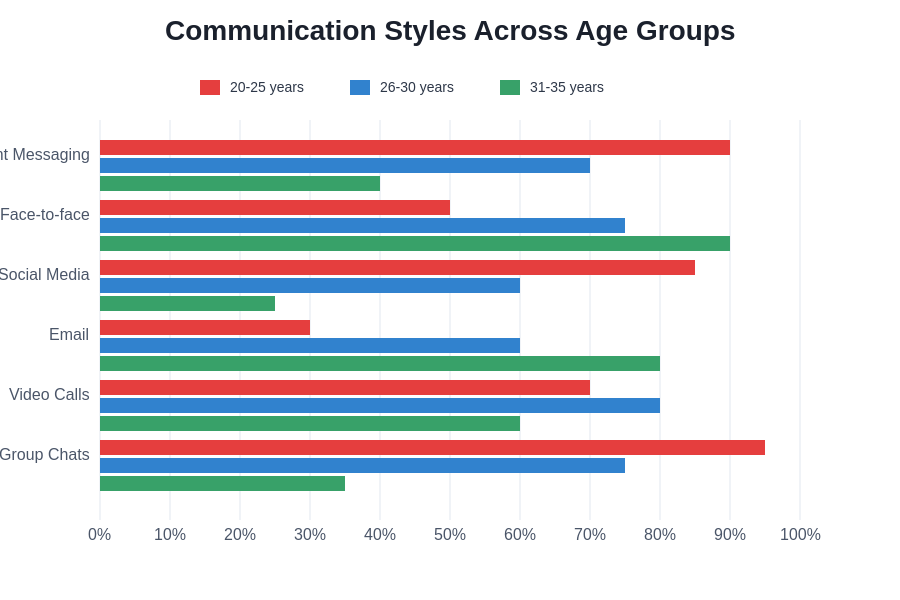
Privacy expectations around digital interaction also vary significantly across age groups, with younger residents often comfortable with extensive digital sharing and connectivity while older residents may prefer more controlled, limited digital interaction that can create tension around group communication and social coordination approaches.
Economic Factors in Age-Based Social Stratification
Financial circumstances and spending capacity differences across age groups create practical limitations on mixed-age social activities while also reflecting different values and priorities that reinforce age-based social circle formation within sharehouse communities. How living in sharehouses affects your taxes highlights how financial management approaches vary by life stage and experience level.
Disposable income differences between students, entry-level professionals, and established career professionals create natural barriers to shared activities and experiences, as different age groups may have vastly different budgets available for entertainment, dining, travel, and social activities that form the foundation of friendship development and community bonding.
Financial priorities also reflect age-related life goals and responsibilities, with younger residents often prioritizing experiences and social activities while older residents may focus on savings, investment, and long-term financial planning that can create different attitudes toward spending and resource allocation within household contexts.
Shopping habits and consumption patterns vary across age groups, affecting everything from grocery buying decisions to utility usage preferences that can create practical friction in shared living environments while also reinforcing different lifestyle approaches and values that contribute to social circle formation.
The sharing economy participation varies significantly by age group, with younger residents often more comfortable with shared resources, collaborative consumption, and flexible ownership models while older residents may prefer individual ownership and control over personal items and resources.
Breaking Down Age-Related Social Barriers
Despite the natural tendency toward age-based social stratification, successful sharehouse communities often develop strategies and create opportunities for meaningful cross-generational interaction that enriches the living experience for all residents while maintaining respect for different lifestyle preferences and social needs across age groups.
Structured community activities that appeal to multiple age groups can provide neutral ground for interaction and relationship building, such as cooking classes, cultural exchange events, skill-sharing workshops, and community service projects that leverage different generational strengths and interests while creating shared experiences and common goals.
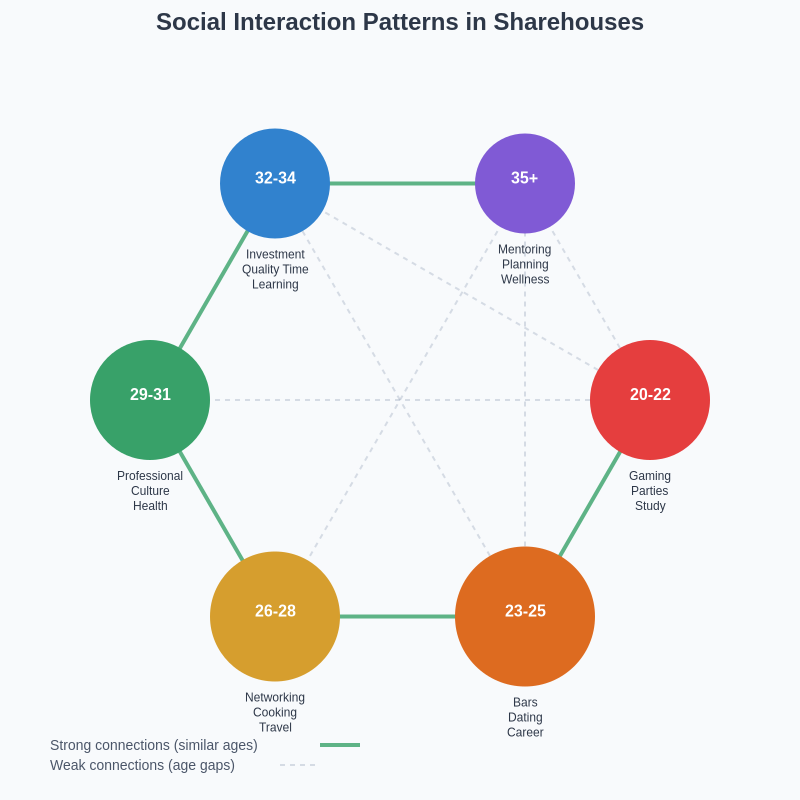
Mentorship opportunities naturally arise in mixed-age living environments, where older residents can provide career guidance, cultural navigation assistance, and practical life skills support while younger residents can offer technological assistance, cultural trend insights, and fresh perspectives on contemporary challenges and opportunities.
The creation of inclusive decision-making processes that accommodate different communication styles and scheduling preferences can help bridge age-based divisions while ensuring that all residents feel heard and valued regardless of their generational affiliations or social circle memberships within the house community.
Celebrating diverse perspectives and actively encouraging intergenerational dialogue through house meetings, social events, and conflict resolution processes can help create a more inclusive community atmosphere that values the unique contributions of different age groups while reducing the exclusionary effects of age-based social stratification.
Long-term Implications for Community Development
The persistence of age-based social circles within sharehouses creates long-term implications for community stability, resident satisfaction, and the overall success of shared living arrangements that extend beyond immediate social dynamics to influence housing market trends and communal living industry development.
Resident turnover patterns often reflect age-based social satisfaction levels, as individuals who cannot find compatible social connections within their age demographic may leave sooner than those who successfully integrate into age-appropriate social circles, affecting community stability and continuity over time.
The reputation and marketing appeal of sharehouses can be influenced by the age demographics and social atmosphere, with properties becoming known for particular age group concentrations that can either attract or repel potential residents seeking specific social environments and community characteristics.
Management strategies for sharehouse operators must consider age-based social dynamics when planning community events, establishing house rules, and mediating conflicts that may arise from generational differences in lifestyle preferences, communication styles, and social expectations.
The evolution of sharehouse communities over time often reflects changing age demographics as residents graduate, advance in their careers, or transition to different life stages, creating ongoing challenges for maintaining community cohesion and social balance across different generational groups.
Understanding and acknowledging the reality of age-based social stratification in sharehouses allows residents to set appropriate expectations, seek compatible living situations, and develop strategies for building meaningful relationships within their demographic while remaining open to intergenerational learning opportunities. The key lies not in eliminating age-based social circles but in creating inclusive communities that respect different generational needs while fostering mutual understanding and occasional collaboration across age boundaries.
Disclaimer
This article is for informational purposes only and reflects general observations about age-based social dynamics in sharehouse environments. Individual experiences may vary significantly based on personal characteristics, cultural background, and specific community dynamics. The content should not be considered as definitive guidance for social interaction or community building strategies. Residents should approach intergenerational relationships with openness, respect, and sensitivity to individual preferences regardless of age differences.