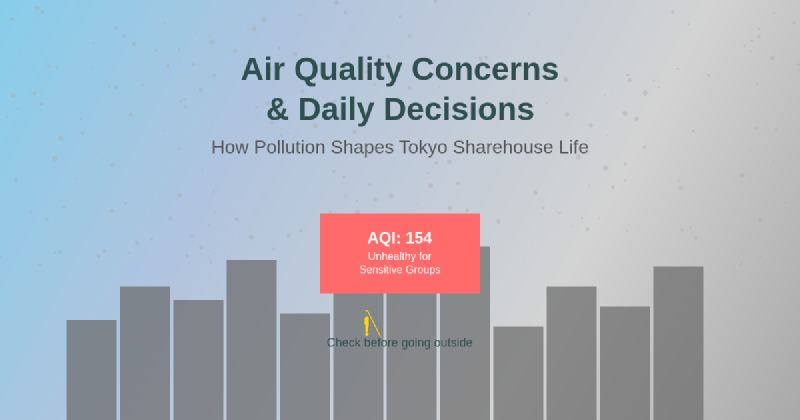
Air quality concerns have emerged as a significant factor shaping daily life decisions for sharehouse residents across Tokyo, influencing everything from morning routines to evening activities in ways that many newcomers find surprising and challenging. The intersection of urban pollution, seasonal weather patterns, and shared living dynamics creates a complex environment where air quality awareness becomes essential for maintaining both physical health and harmonious community relationships within crowded residential spaces.
The reality of living in one of the world’s most densely populated metropolitan areas means that sharehouse residents must constantly navigate decisions about window opening, ventilation timing, outdoor exercise schedules, and indoor air management strategies that directly impact their daily comfort, health outcomes, and social interactions with fellow residents who may have different tolerance levels and cultural backgrounds regarding air quality standards.
Understanding Tokyo’s Air Quality Landscape
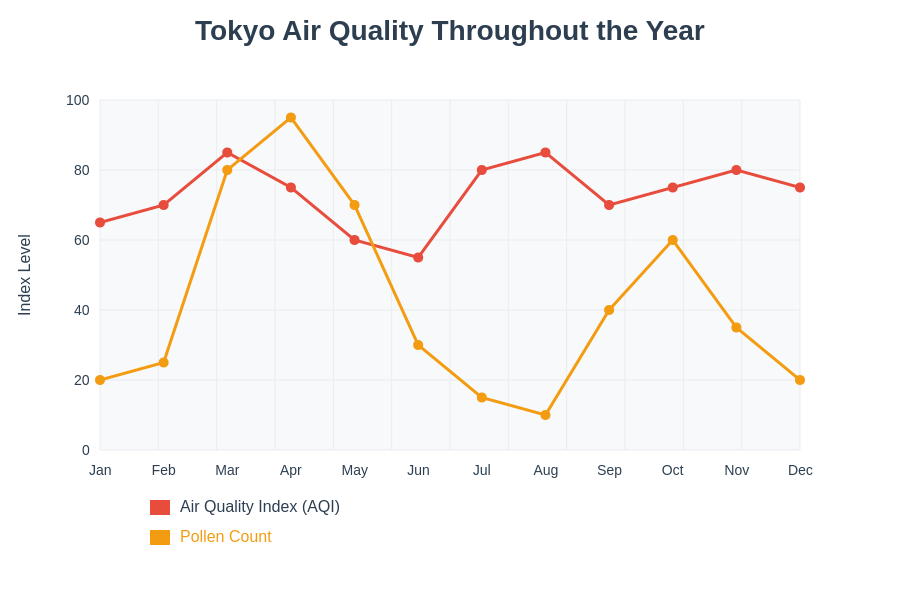
Tokyo’s air quality challenges stem from a complex combination of factors including vehicle emissions, industrial activity, seasonal weather patterns, and geographical features that can trap pollutants during certain atmospheric conditions. The city experiences significant variations in air quality throughout the year, with particular challenges during spring months when pollen combines with urban pollutants, summer periods of high ozone formation, and winter temperature inversions that concentrate emissions near ground level.
Understanding how weather affects transportation choices becomes particularly relevant when air quality concerns influence decisions about walking, cycling, or using public transportation during high pollution days. Sharehouse residents often develop sophisticated strategies for monitoring daily air quality indices and adjusting their commuting methods accordingly to minimize exposure while maintaining their work and social commitments.
The geographic distribution of air quality issues across Tokyo’s various districts means that sharehouse location selection can significantly impact residents’ daily exposure levels and the frequency with which air quality concerns influence their decision-making processes. Areas closer to major highways, industrial zones, or construction sites typically experience more consistent air quality challenges that require ongoing attention and adaptation strategies.
Seasonal variations create predictable patterns that experienced residents learn to anticipate and prepare for, while newcomers often struggle to understand why certain months require more intensive air quality management strategies and how these patterns affect everything from laundry schedules to social event planning within sharehouse communities.
Morning Decision-Making and Window Management
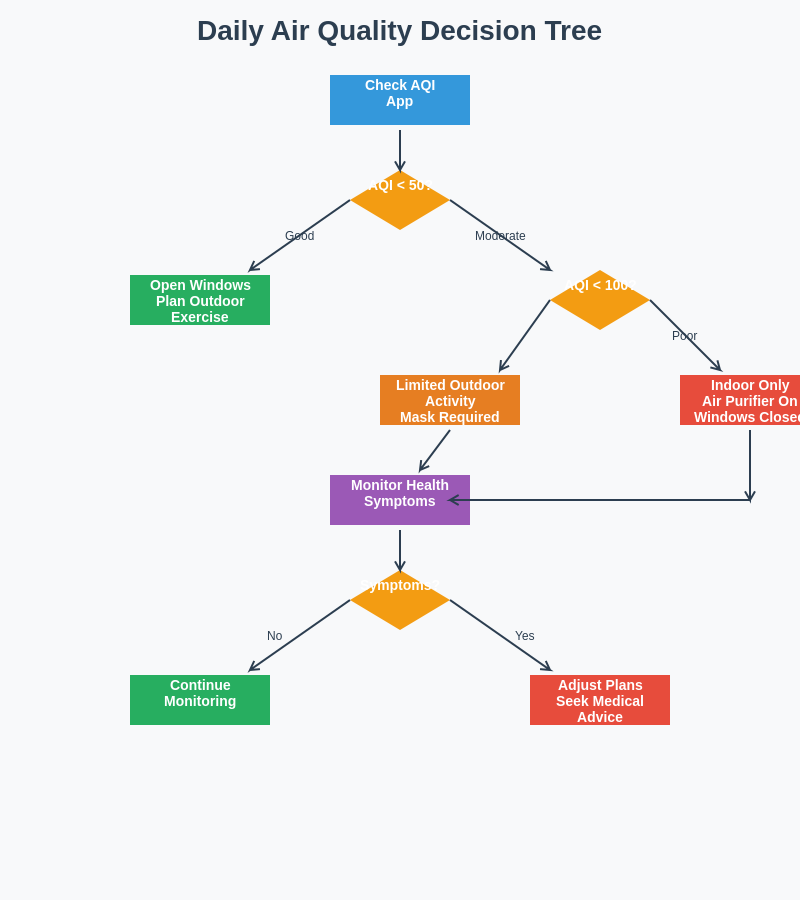
The daily ritual of determining whether to open windows for fresh air or keep them closed to prevent pollution infiltration represents one of the most frequent air quality-related decisions that sharehouse residents must navigate. Morning air quality readings significantly influence ventilation strategies, with residents developing sophisticated systems for checking pollution levels, weather forecasts, and wind patterns before making decisions that affect entire household environments.
Window management in sharehouses becomes particularly complex because individual room decisions can impact common areas and neighboring residents who may have different health sensitivities, cultural preferences, or daily schedules that influence their tolerance for closed versus open window environments. How climate control preferences create conflicts explores how these decisions can become sources of tension when residents have different priorities regarding air quality versus natural ventilation.
Morning exercise routines require careful consideration of outdoor air quality conditions, with many residents shifting between indoor and outdoor workout schedules based on daily pollution forecasts and personal health considerations. The timing of outdoor activities becomes crucial, as air quality often varies significantly between early morning, midday, and evening hours, requiring flexible scheduling approaches that many sharehouse residents find challenging to coordinate with work and social obligations.
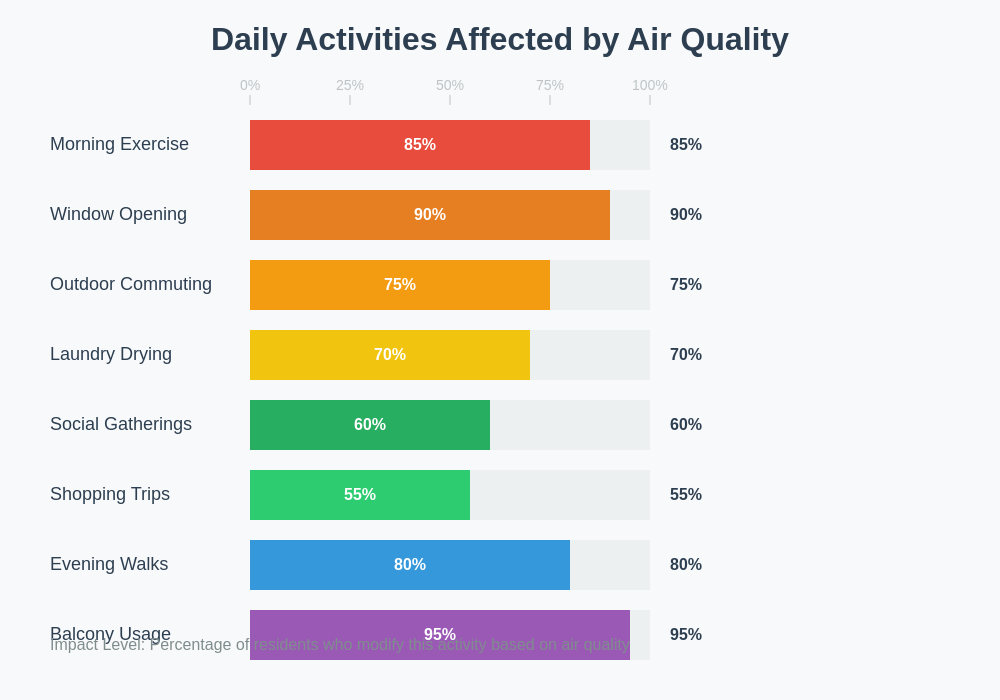
Laundry timing decisions become intertwined with air quality considerations, as hanging clothes outside during high pollution periods can result in fabrics absorbing pollutants and odors that affect indoor air quality when brought back inside. This creates cascading effects on household routines and requires coordination among residents who share laundry facilities and drying spaces within sharehouse environments.
Health-Based Lifestyle Adjustments
Residents with respiratory sensitivities, allergies, or other health conditions often find themselves making significant lifestyle adjustments based on air quality concerns that extend far beyond simple window management decisions. These health-driven modifications can include changes in sleep schedules, meal preparation timing, social activity participation, and even career-related decisions about commuting routes and work locations.
How seasonal allergies worsen in crowded spaces becomes particularly relevant when poor air quality combines with shared living conditions to create challenging health management situations. Residents often develop complex strategies for managing indoor air quality through air purifiers, plants, cleaning schedules, and ventilation timing that require ongoing coordination with housemates and significant financial investment in health-supporting equipment.
Medical appointment scheduling frequently revolves around air quality forecasts, as residents with respiratory conditions learn to plan preventive care visits, prescription refills, and specialist consultations around periods when pollution levels might exacerbate their symptoms. This proactive approach to health management becomes essential for maintaining quality of life in Tokyo’s challenging air quality environment.
Physical exercise and outdoor recreation decisions become heavily influenced by real-time air quality data, with residents developing backup indoor activity plans and flexible scheduling systems that allow them to maintain fitness routines while protecting their respiratory health during periods of elevated pollution levels.
Shopping and Consumption Pattern Changes
Air quality concerns significantly influence shopping patterns and consumption decisions for sharehouse residents, who must balance cost considerations with health protection needs while navigating the financial realities of shared living budgets. The purchase of air purification equipment, specialized cleaning products, and health-supporting supplements becomes a regular expense that many residents underestimate when initially budgeting for Tokyo living costs.
How grocery shopping becomes more strategic takes on additional complexity when air quality influences decisions about fresh produce selection, food storage methods, and meal preparation timing to minimize exposure to outdoor pollutants during shopping trips and cooking activities that might require increased ventilation.
Clothing and personal care product selection becomes influenced by air quality considerations, with residents investing in protective masks, skincare products designed for urban pollution exposure, and clothing materials that resist pollutant absorption while remaining suitable for Tokyo’s climate and professional dress requirements. These additional expenses can significantly impact monthly budgets, particularly for residents on student or working holiday visas.
Home improvement and maintenance purchasing decisions often revolve around air quality enhancement needs, including specialized cleaning supplies, air-filtering plants, humidity control equipment, and window treatments that can filter pollutants while maintaining natural light and ventilation options that support overall living comfort and health outcomes.
Social Activity and Community Impact
Air quality concerns create complex social dynamics within sharehouse communities, as residents with different health sensitivities, cultural backgrounds, and personal priorities must negotiate shared decisions about ventilation, cleaning schedules, and common area usage during periods of poor air quality. These negotiations often reveal deeper cultural differences about health priorities, environmental awareness, and individual versus collective responsibility for maintaining healthy living environments.
How environmental consciousness varies by generation becomes particularly evident when younger residents who have grown up with climate and pollution awareness clash with older residents who may prioritize cost savings or traditional ventilation practices over air quality protection measures that require lifestyle changes or financial investments.
Social event planning within sharehouses becomes significantly more complex when air quality concerns influence decisions about outdoor gatherings, window opening during parties, cooking activities that produce additional indoor air pollution, and guest policies during periods when vulnerable residents prefer to minimize exposure to outdoor pollutants brought in by visitors.
Community decision-making about shared resources like air purifiers, plants, and ventilation systems often requires ongoing negotiation and compromise among residents with different financial capabilities, health needs, and cultural attitudes toward collective versus individual responsibility for air quality management within shared living spaces.
Transportation and Commuting Adaptations
Daily commuting decisions become heavily influenced by air quality forecasts, with residents developing flexible transportation strategies that allow them to minimize exposure while maintaining work and study commitments. How commute times impact work performance gains additional complexity when air quality concerns influence route selection, transportation method choices, and timing decisions that can significantly affect daily schedules and professional obligations.
Walking and cycling routines require constant adaptation based on pollution levels, with residents learning to identify less polluted routes, optimal timing for outdoor exercise, and backup indoor alternatives that maintain fitness goals while protecting respiratory health during periods of elevated air quality concerns that can persist for multiple consecutive days.
Public transportation usage patterns often shift based on air quality considerations, as crowded trains and buses during high pollution periods can concentrate pollutants and increase exposure risks for sensitive individuals. This leads to complex scheduling decisions and sometimes significant additional transportation costs as residents seek less crowded alternatives or adjust their daily schedules to avoid peak pollution periods.
Weekend and leisure travel planning becomes influenced by regional air quality forecasts, with residents learning to identify areas outside Tokyo with better air quality for recreational activities, while balancing these health benefits against the financial costs and time investments required for regular escapes from urban pollution levels.
Seasonal Strategy Development
Experienced sharehouse residents develop sophisticated seasonal strategies for managing air quality concerns that involve advance planning, equipment rotation, and lifestyle adjustments that anticipate predictable pollution patterns throughout Tokyo’s annual weather cycles. These strategies often require significant preparation and coordination with housemates who may be experiencing their first full year of Tokyo’s air quality challenges.
How seasonal demand affects sharehouse prices intersects with air quality concerns as residents consider whether to invest in long-term air quality management equipment or seek alternative housing during particularly challenging pollution seasons, creating complex financial decisions about short-term versus long-term housing commitments.
Spring pollen and pollution combination periods require intensive preparation including air purifier maintenance, medication stockpiling, and social schedule adjustments that many international residents find overwhelming during their first year of exposure to Tokyo’s unique seasonal air quality challenges. The development of effective coping strategies often takes multiple seasonal cycles to refine and implement successfully.
Winter heating decisions become complicated by air quality concerns, as residents must balance indoor air quality management with heating costs and ventilation needs that can create conflicting priorities requiring careful negotiation among housemates with different health sensitivities and financial constraints.
Technology Integration and Monitoring Systems
Modern sharehouse residents increasingly rely on smartphone apps, air quality monitors, and smart home technologies to make informed decisions about air quality management, creating new categories of shared expenses and decision-making processes that require coordination among residents with different technological preferences and financial capabilities.
Real-time air quality monitoring becomes essential for making immediate decisions about activities, ventilation, and health precautions, but the proliferation of different monitoring systems and apps can create confusion and conflicting information that complicates collective decision-making within sharehouse communities where residents may rely on different data sources.
How smart home features change daily routines includes air quality management systems that automatically adjust ventilation, air purification, and climate control based on real-time pollution data, but these systems often require significant investment and ongoing maintenance that must be negotiated among residents with varying technological comfort levels.
Data sharing and collective monitoring strategies help sharehouse communities make more informed decisions about air quality management, but require establishing clear protocols for information sharing, decision-making authority, and response procedures that can be challenging to implement and maintain across diverse resident populations with different schedules and priorities.
Long-term Health and Lifestyle Implications
The cumulative effects of daily air quality decision-making create long-term lifestyle patterns that significantly influence residents’ overall health outcomes, career choices, and future housing decisions in ways that extend far beyond immediate discomfort or inconvenience during high pollution periods.
Chronic adaptation to poor air quality can lead to decreased outdoor activity levels, increased reliance on indoor environments, and social isolation that affects mental health and community engagement within sharehouse environments where social interaction traditionally plays a crucial role in resident satisfaction and cultural integration experiences.
How living in sharehouses affects your taxes may include deductions for medical expenses related to air quality management, but residents often underestimate the long-term financial implications of maintaining health in polluted urban environments, including healthcare costs, preventive treatments, and specialized equipment that becomes necessary for comfortable daily living.
Career and education decisions sometimes become influenced by air quality considerations, with residents choosing work locations, study programs, and professional opportunities based partly on air quality exposure levels and the flexibility to manage health needs while maintaining career advancement goals in Tokyo’s competitive professional environment.
The development of air quality awareness and management skills often becomes a permanent lifestyle change that influences future housing choices, travel decisions, and health management approaches that extend well beyond the sharehouse living experience and create lasting impacts on personal health priorities and environmental consciousness.
Financial Planning and Cost Management
The ongoing costs associated with air quality management in sharehouses include equipment purchases, maintenance expenses, healthcare costs, and lifestyle modifications that can significantly impact monthly budgets and require careful financial planning that many residents underestimate when initially calculating Tokyo living expenses.
How to budget realistically for sharehouse living must include air quality management costs that can range from basic protective equipment to sophisticated air purification systems, depending on individual health needs and sensitivity levels that may not become apparent until after extended exposure to Tokyo’s urban air quality conditions.
Shared expense negotiations become complex when residents have different air quality priorities and financial capabilities, requiring careful discussion and compromise about collective investments in air purification equipment, plants, and maintenance services that benefit everyone while respecting individual budget constraints and health needs.
Insurance considerations often overlook air quality-related health expenses, leaving residents to manage significant out-of-pocket costs for preventive care, medications, and treatments related to pollution exposure that can become substantial ongoing expenses throughout their Tokyo residence experience.
Living in Tokyo’s challenging air quality environment requires sharehouse residents to develop sophisticated decision-making frameworks that balance health protection, financial constraints, social harmony, and daily convenience in ways that significantly influence their overall quality of life and community integration experiences. The successful navigation of these complex considerations often determines whether residents thrive in Tokyo’s dynamic urban environment or find themselves overwhelmed by the ongoing challenges of maintaining health and happiness in one of the world’s most polluted metropolitan areas.
Disclaimer
This article is for informational purposes only and does not constitute medical or professional health advice. Air quality conditions in Tokyo vary significantly by location, season, and individual circumstances. Readers with health concerns should consult qualified healthcare professionals for personalized guidance on managing air quality exposure. The effectiveness of air quality management strategies may vary based on individual sensitivity levels, building conditions, and environmental factors beyond residents’ control.