Air quality deterioration in crowded living spaces represents one of the most overlooked yet significant health challenges facing residents of sharehouses and densely populated accommodations. The concentration of multiple individuals within confined environments creates complex atmospheric conditions that can dramatically impact respiratory health, cognitive function, and overall well-being. Understanding how these problems develop and recognizing early warning signs empowers residents to take proactive measures that protect their health while maintaining harmonious community living arrangements.
The invisible nature of air quality problems makes them particularly insidious, as residents often adapt gradually to declining conditions without recognizing the cumulative health impacts until symptoms become severe. Modern urban sharehouses, designed primarily for maximum occupancy rather than optimal air circulation, frequently exacerbate these issues through architectural limitations and insufficient ventilation systems that struggle to accommodate the breathing patterns and activities of numerous residents sharing limited space.
The Science Behind Indoor Air Deterioration
Indoor air quality degradation occurs through multiple interconnected processes that accelerate dramatically when human occupancy increases beyond optimal levels for available space and ventilation capacity. The fundamental mechanism involves the depletion of oxygen content while simultaneously increasing concentrations of carbon dioxide, volatile organic compounds, particulate matter, and biological contaminants that accumulate faster than existing air exchange systems can remove them.
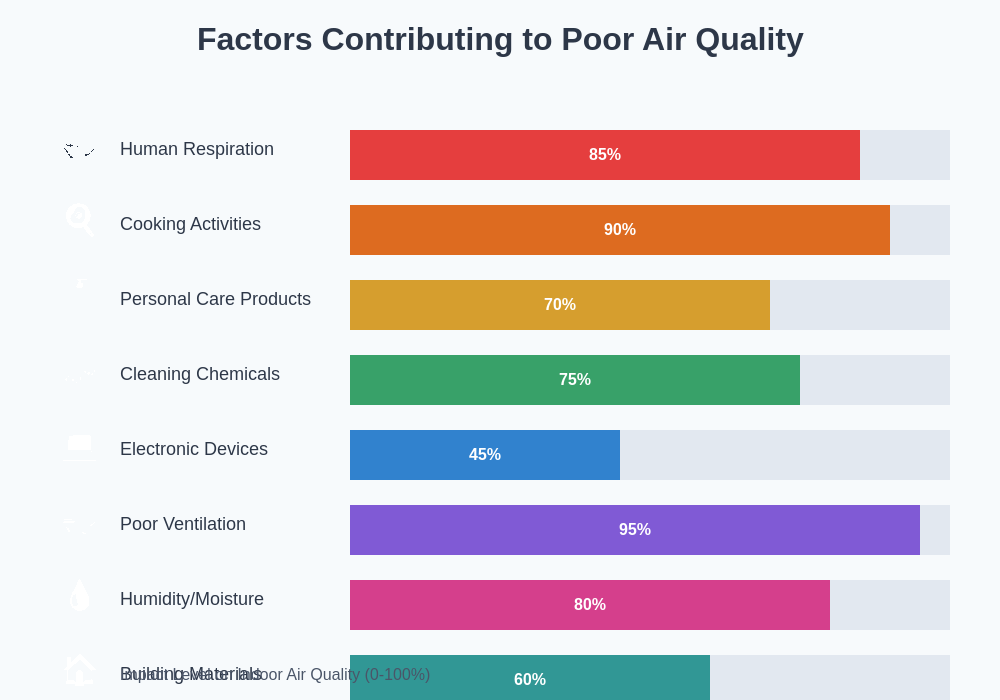
Human respiration alone contributes significantly to air quality decline, with each person exhaling approximately 400 liters of carbon dioxide daily along with water vapor that increases humidity levels and creates conditions conducive to mold growth and bacterial proliferation. Understanding how bathroom cleanliness affects health becomes particularly relevant as inadequate bathroom ventilation compounds moisture problems throughout connected living spaces.
The metabolic processes of multiple residents generate complex chemical signatures that include acetone, methanol, and various organic acids that accumulate in poorly ventilated environments and create distinctive odors while potentially triggering respiratory sensitivities in susceptible individuals. These compounds interact with building materials, furnishings, and cleaning products to form secondary pollutants that can be more harmful than their original components.
Body heat generation from multiple occupants creates thermal stratification patterns that affect air circulation efficiency, often resulting in stagnant zones where pollutants concentrate while fresh air distribution becomes increasingly uneven throughout the living space. This thermal effect combines with humidity from cooking, showering, and respiration to create microclimates that support pathogen growth and chemical reactions.
Common Pollutant Sources in Shared Living Environments
Cooking activities represent the largest single source of indoor air contamination in sharehouses, generating particulate matter, nitrogen dioxide, carbon monoxide, and various organic compounds that can persist for hours after meal preparation ends. Kitchen politics in Japanese sharehouses often revolve around scheduling and cleanliness, but air quality implications receive insufficient attention despite their significant health impacts.
Personal care products including aerosol deodorants, hair styling products, perfumes, and cosmetics contribute substantial volatile organic compound loads that accumulate throughout the day as residents prepare for work, social activities, and daily routines. The diversity of products used by international residents creates complex chemical mixtures that may interact unpredictably and overwhelm natural air purification processes.
Cleaning product usage, while essential for maintaining hygiene standards, introduces additional chemical contaminants including chlorine compounds, ammonia, and synthetic fragrances that can trigger respiratory irritation and exacerbate existing conditions such as asthma or chemical sensitivities. Cleaning responsibilities in sharehouses often focus on visible cleanliness while overlooking the air quality implications of various cleaning methodologies.
Electronic devices generate heat, electromagnetic fields, and sometimes ozone that contributes to overall indoor pollution while increasing energy consumption and thermal loads that stress ventilation systems. The concentration of computers, phones, televisions, and other electronics in shared spaces creates hotspots of electronic pollution that affect local air chemistry and circulation patterns.
Textile materials including clothing, bedding, carpets, and upholstery act as both pollutant reservoirs and emission sources, absorbing chemicals and odors during high-pollution periods and slowly releasing them back into the air over extended timeframes. This reservoir effect explains why air quality problems persist even after obvious pollution sources are removed or controlled.
Health Impacts and Symptom Recognition
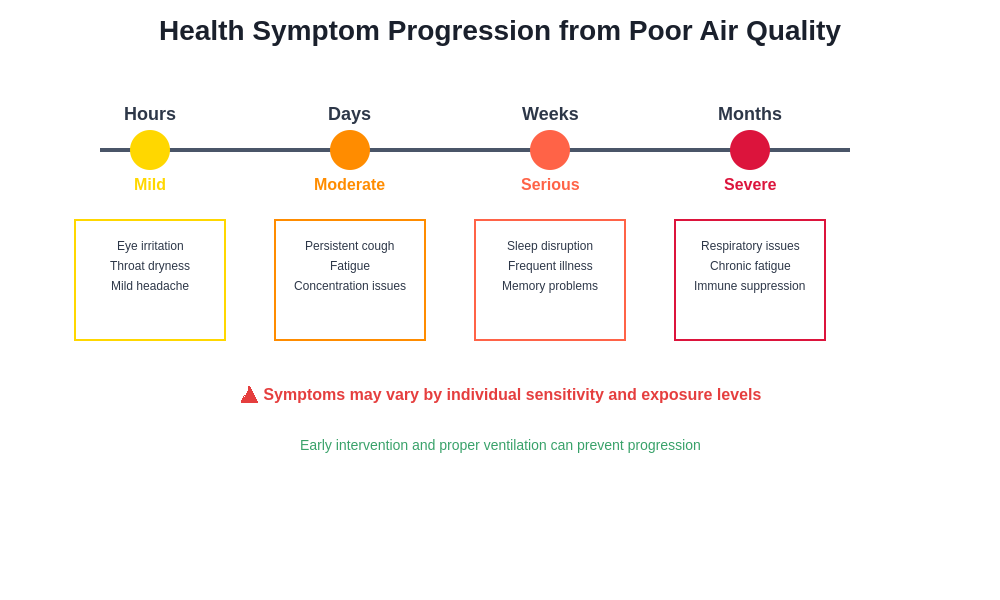
Respiratory symptoms typically manifest first as subtle changes in breathing patterns, including increased congestion, throat irritation, and coughing that residents often attribute to seasonal allergies or minor infections rather than environmental factors. Seasonal allergies in crowded spaces can indeed worsen existing air quality problems while poor air quality simultaneously exacerbates allergy symptoms, creating difficult-to-diagnose feedback loops.
Cognitive impacts from poor air quality include decreased concentration ability, memory problems, headaches, and fatigue that significantly affect academic and professional performance while reducing quality of life for affected residents. Research demonstrates measurable decreases in cognitive function when carbon dioxide levels exceed 1000 parts per million, a threshold frequently surpassed in crowded, poorly ventilated sharehouses during peak occupancy periods.
Sleep quality deterioration occurs as elevated carbon dioxide and reduced oxygen levels disrupt natural sleep cycles, leading to frequent awakening, restless sleep, and morning fatigue that compounds other health impacts while reducing the body’s natural recovery and immune system function. Sleep quality in shared environments encompasses multiple factors, with air quality playing a crucial but often unrecognized role.
Immune system suppression results from chronic exposure to elevated pollutant levels, increasing susceptibility to respiratory infections, viral illnesses, and bacterial contamination that spreads more readily through compromised air quality environments. This creates cycles where illness increases pollution through additional medication use, tissue disposal, and altered breathing patterns while reducing residents’ capacity to address underlying air quality problems.
Long-term exposure risks include increased asthma development, cardiovascular strain, and potential carcinogenic effects from prolonged exposure to certain volatile organic compounds and particulate matter that accumulate in poorly managed indoor environments. These risks particularly affect individuals with pre-existing health conditions, children, elderly residents, and those with compromised immune systems.
Environmental Factors That Accelerate Problems
Building design limitations in older Tokyo sharehouses often include insufficient ventilation systems that were designed for single-family occupancy rather than multiple residents sharing spaces continuously throughout the day and night. Building insulation quality affects air quality by influencing air exchange rates and creating conditions that either promote or inhibit pollutant accumulation.
Seasonal weather patterns significantly impact indoor air quality as residents adjust ventilation practices based on temperature and humidity preferences rather than air quality needs. Winter heating creates sealed environments with minimal fresh air exchange, while summer cooling systems may recirculate contaminated air without adequate filtration or fresh air introduction.
Urban environmental conditions surrounding sharehouses contribute baseline pollution that infiltrates indoor spaces through windows, doors, and ventilation systems, adding external pollutants to internally generated contamination. Tokyo’s dense urban environment presents particular challenges with vehicle emissions, industrial pollution, and construction dust that affect outdoor air quality and consequently indoor air management strategies.
Humidity control problems create conditions that accelerate mold growth, dust mite proliferation, and chemical off-gassing from building materials and furnishings while making existing air quality problems more noticeable through enhanced odor transmission and increased respiratory irritation. Moisture control and mold prevention becomes essential for maintaining acceptable air quality standards.
Occupancy density calculations rarely account for actual air quality requirements, with many sharehouses operating at capacity levels that exceed safe air quality thresholds even with optimal ventilation system performance. Peak occupancy periods during evenings and weekends create particularly challenging conditions that stress both mechanical and natural ventilation systems beyond their design capabilities.
Ventilation System Limitations and Failures
Mechanical ventilation systems in sharehouses frequently operate below optimal efficiency due to inadequate maintenance, improper sizing for actual occupancy levels, and design compromises that prioritize energy efficiency over air quality performance. Smart thermostat usage may help coordinate some aspects of climate control, but cannot address fundamental ventilation system inadequacies.
Natural ventilation through windows and doors becomes insufficient when outdoor conditions are unsuitable due to weather, noise, or pollution concerns, leaving residents dependent on mechanical systems that may not provide adequate air exchange rates for healthy indoor environments. The positioning and size of windows in many sharehouse conversions were not optimized for cross-ventilation with multiple occupied rooms.
Filter maintenance neglect in mechanical systems allows pollutant accumulation while reducing system efficiency and potentially redistributing concentrated contaminants throughout the living space. Many residents lack knowledge about filter replacement schedules or access to appropriate replacement components, leading to progressive deterioration of air cleaning capacity.
Bathroom and kitchen exhaust systems often operate independently of overall house ventilation strategies, creating pressure imbalances that can draw contaminated air from one area into others rather than effectively removing pollutants from the building. The interconnected nature of sharehouse spaces means that inadequate ventilation in one area affects air quality throughout the entire facility.
Energy efficiency priorities sometimes conflict with air quality needs, particularly when utility costs are shared among residents who may prioritize immediate cost savings over long-term health considerations. This creates situations where adequate ventilation becomes economically challenging while poor air quality generates health costs that are not immediately apparent or directly attributable to environmental conditions.
Detection and Monitoring Strategies
Simple observational indicators include persistent odors, visible condensation on windows or walls, increased dust accumulation, and physical symptoms among residents that suggest declining air quality conditions requiring investigation and intervention. Air quality concerns in daily decisions influence many aspects of sharehouse living and require systematic attention.
Basic monitoring equipment such as carbon dioxide meters, humidity gauges, and particulate matter detectors provide objective measurements that can identify problems before they become severe while establishing baseline conditions for evaluating improvement efforts. These tools have become increasingly affordable and user-friendly for residential applications.
Professional air quality assessments can identify specific pollutant sources, evaluate ventilation system performance, and provide comprehensive recommendations for addressing complex air quality problems that resist simple solutions. Such assessments become particularly valuable when residents experience health symptoms or when simple interventions fail to produce noticeable improvements.
Symptom tracking among residents can reveal patterns that suggest air quality problems while helping distinguish environmental health impacts from other potential causes of illness or discomfort. Coordinated monitoring among housemates provides more comprehensive data than individual observations while building community awareness and support for improvement efforts.
Seasonal monitoring reveals how air quality changes with weather patterns, occupancy levels, and building operation practices, enabling proactive management strategies that anticipate and prevent problems rather than simply responding to obvious symptoms after they develop.
Prevention and Mitigation Solutions
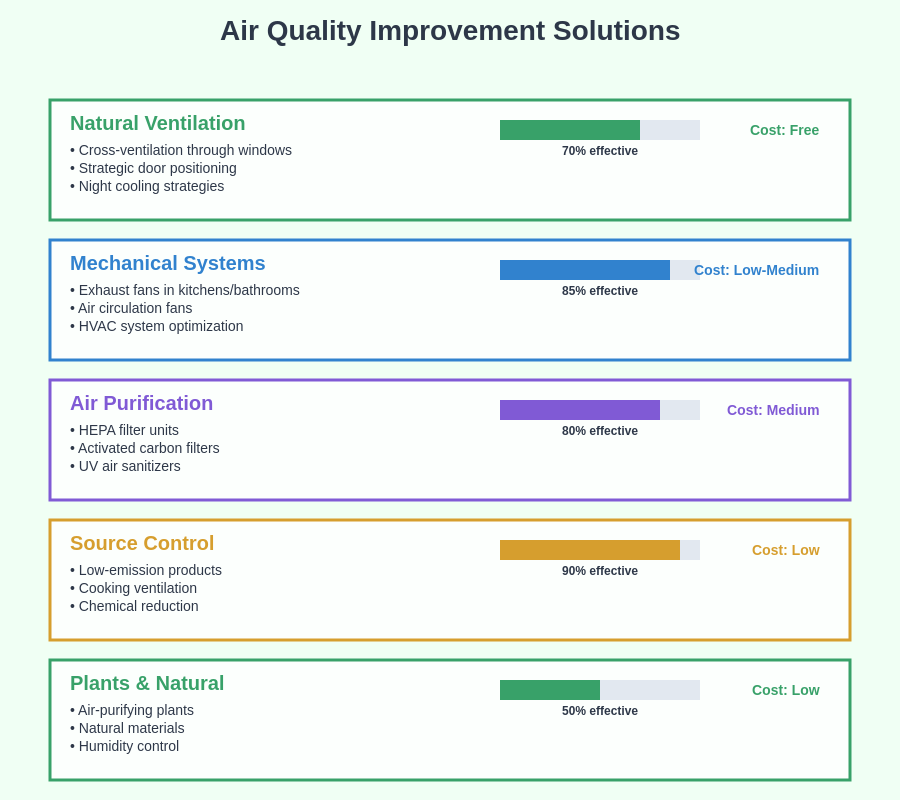
Ventilation improvement strategies include optimizing natural air circulation through strategic window opening, installing supplemental fans to enhance air movement, and coordinating mechanical system operation to maximize fresh air exchange while maintaining reasonable energy costs. Climate control preferences require balancing among residents while prioritizing basic air quality needs.
Source control measures focus on reducing pollutant generation through careful selection of personal care products, cleaning supplies, and cooking practices while establishing house policies that minimize unnecessary contamination. Education among residents about pollution sources empowers informed decision-making that benefits everyone’s health and comfort.
Air purification systems including portable HEPA filters, activated carbon units, and plants can supplement inadequate ventilation while providing localized improvement in heavily used areas such as common rooms and kitchens. The effectiveness of different purification approaches varies with specific pollutant types and environmental conditions.
Scheduling strategies can distribute high-pollution activities such as cooking, cleaning, and personal care across time periods that allow adequate ventilation between activities while avoiding concentration of multiple pollution sources during peak occupancy times. Meal timing coordination becomes part of comprehensive air quality management.
Community education and cooperation enable comprehensive air quality management that addresses both individual behaviors and collective policies needed for maintaining healthy indoor environments in shared living situations. Regular house meetings can address air quality concerns while developing collaborative solutions that respect everyone’s needs and preferences.
Long-term Health Protection Strategies
Personal protection measures include maintaining good respiratory health through exercise and nutrition while minimizing individual pollution generation and being aware of personal sensitivity levels that may require additional precautions or advocacy for improved conditions. Understanding individual vulnerability helps guide appropriate response levels.
Professional consultation becomes important when air quality problems persist despite reasonable intervention efforts or when residents experience significant health symptoms that may be environmentally related. Medical evaluation can distinguish between environmental and other health factors while providing guidance for protective measures.
Alternative housing considerations may become necessary when air quality problems cannot be adequately resolved within existing sharehouse constraints, particularly for individuals with respiratory conditions or high sensitivity to environmental pollutants. Career changes affecting housing sometimes coincide with health-driven housing decisions.
Long-term monitoring and maintenance routines help sustain air quality improvements while detecting new problems before they become serious health concerns. Establishing ongoing systems for air quality management prevents gradual deterioration that might otherwise go unnoticed until symptoms develop.
Community advocacy for improved air quality standards in sharehouse regulations and building codes can benefit future residents while addressing systemic problems that individual action alone cannot resolve. Collective action amplifies individual concerns while promoting industry-wide improvements in air quality management practices.
The relationship between air quality and health in crowded living environments demands ongoing attention and proactive management that balances individual needs with community cooperation. Understanding how air quality problems develop enables residents to make informed decisions about prevention, intervention, and long-term health protection while maintaining the social and economic benefits that attract people to sharehouse living arrangements.
Disclaimer
This article is for informational purposes only and does not constitute professional medical or environmental health advice. Air quality problems can have serious health implications that require professional assessment and intervention. Readers experiencing significant symptoms should consult with qualified healthcare providers and environmental specialists. Individual sensitivity to air pollutants varies significantly, and recommendations that work for some residents may not be appropriate for others with specific health conditions or sensitivities.