The seemingly simple matter of alcohol storage in Tokyo sharehouses carries profound implications for social dynamics, community building, and the overall quality of life experienced by international residents. What appears to be a straightforward house rule regarding where and how alcoholic beverages can be stored actually shapes the fundamental nature of social interactions, friendship formation, and cultural exchange opportunities within shared living environments. Understanding these complex relationships between storage policies and social life becomes essential for anyone seeking to build meaningful connections while respecting community guidelines.
The intersection of alcohol policies and social behavior in Japanese sharehouses reflects deeper cultural considerations about responsible consumption, community respect, and the delicate balance between personal freedom and collective harmony that defines successful shared living experiences. These rules often serve as invisible architects of social life, determining who gathers where, when celebrations occur, and how community bonds develop over time.
Understanding Alcohol Storage Policy Variations
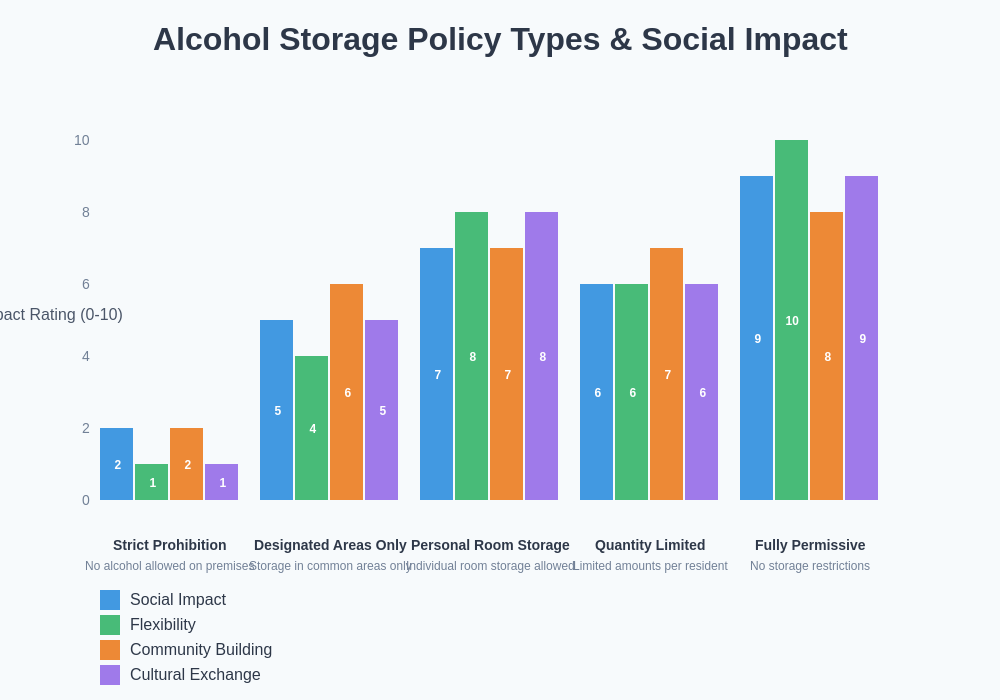
Tokyo sharehouses implement dramatically different approaches to alcohol storage, ranging from completely permissive policies that allow unlimited personal storage in individual rooms to restrictive systems that prohibit any alcoholic beverages on the premises. The most common arrangement involves designated communal storage areas with clear labeling requirements, quantity limitations, and time-based restrictions that reflect management concerns about liability, noise complaints, and resident behavior patterns.
Japanese sharehouse rules every foreigner should know provides broader context for understanding how alcohol policies fit within comprehensive house management systems. Storage policies often correlate with the target demographic of the sharehouse, with student-focused properties typically implementing stricter controls while professional-oriented facilities may offer more flexibility for working adults who demonstrate responsible consumption patterns.
The enforcement mechanisms for alcohol storage rules vary significantly, with some properties relying on honor systems and resident self-policing while others employ regular inspections, security cameras in common areas, and formal warning systems that can lead to lease termination. Understanding these enforcement approaches becomes crucial for residents who wish to maintain good standing while still enjoying social activities that may involve alcoholic beverages.
Impact on Spontaneous Social Gatherings
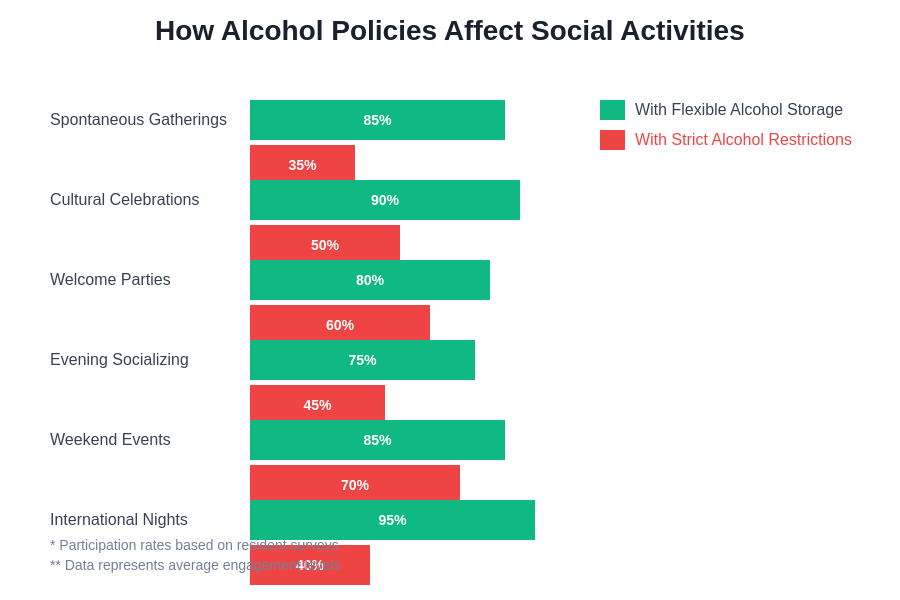
Restrictive alcohol storage policies fundamentally alter the spontaneous nature of social interactions that often define the most memorable sharehouse experiences. When residents cannot easily access alcoholic beverages for impromptu celebrations, casual gatherings, or cultural sharing activities, the organic development of friendships and community bonds faces significant obstacles that require creative solutions and alternative approaches to social bonding.
The psychological effect of storage restrictions extends beyond mere inconvenience to influence how residents perceive their living environment and their role within the community. Properties that require advance approval for alcohol consumption or mandate specific consumption areas often see decreased participation in social activities, as the bureaucratic elements interfere with the natural flow of human interaction and celebration.
Making friends through Tokyo sharehouse communities explores how social connections develop in shared living spaces, with alcohol policies playing a significant role in determining the ease and frequency of meaningful interactions. Residents often report that overly restrictive policies create an institutional atmosphere that inhibits the relaxed social environment necessary for cross-cultural friendship building.
The timing restrictions commonly associated with alcohol storage rules create additional challenges for international residents whose social customs may not align with Japanese business hours or weekday-focused social patterns. When storage access is limited to specific hours or days, residents from cultures with different celebration traditions may feel excluded from community activities or unable to share their cultural practices with housemates.
Cultural Exchange and Celebration Dynamics
Alcohol often serves as a catalyst for cultural exchange in international sharehouse communities, with residents sharing traditional beverages, explaining cultural drinking customs, and using alcohol-related activities as bridges for deeper cultural understanding. Storage policies that limit or complicate this type of sharing can significantly impact the educational and enrichment value that many residents seek from their shared living experience.
Traditional celebrations from various cultures frequently incorporate specific alcoholic beverages that hold cultural significance beyond mere recreational consumption. Living with Japanese roommates in Tokyo sharehouses highlights how cultural sharing activities, including traditional drinking customs, contribute to mutual understanding and respect among residents from different backgrounds.
The logistics of organizing culturally-specific celebrations become exponentially more complex when storage rules require advance planning, external storage solutions, or consumption in designated areas that may not accommodate the social requirements of particular cultural traditions. These complications often lead to the gradual erosion of cultural sharing activities, reducing the diversity and richness of community experiences.
Some sharehouses have developed innovative approaches to balancing cultural accommodation with responsible alcohol management, creating special event protocols that allow temporary storage increases during recognized cultural holidays or implementing cultural exchange programs that incorporate educational components about responsible consumption practices from different countries.
Economic Implications of Storage Restrictions
The financial impact of alcohol storage policies extends far beyond the obvious costs of external storage or increased consumption expenses at local establishments. Residents facing storage restrictions often find themselves paying premium prices for single-serving purchases rather than benefiting from bulk buying opportunities that could significantly reduce their entertainment budgets over time.
How much Tokyo sharehouses really cost per month examines various hidden costs associated with sharehouse living, with alcohol storage restrictions representing an often-overlooked expense category that can substantially increase monthly living costs for socially active residents. The need to purchase beverages immediately before consumption eliminates cost-saving opportunities and forces residents into less economical consumption patterns.
Group purchasing and sharing arrangements become impossible under restrictive storage policies, preventing residents from leveraging collective buying power to access higher-quality beverages at reasonable prices. This economic inefficiency particularly affects international residents who may already face higher living costs due to import preferences or specialty dietary requirements that extend to their beverage choices.
The opportunity costs associated with storage restrictions include increased time spent on beverage procurement, transportation expenses for frequent shopping trips, and the potential for food waste when residents cannot store opened bottles or partially consumed beverages. These cumulative effects can represent significant monthly expense increases that may not be immediately apparent when evaluating sharehouse options.
Alternative Social Solutions and Workarounds
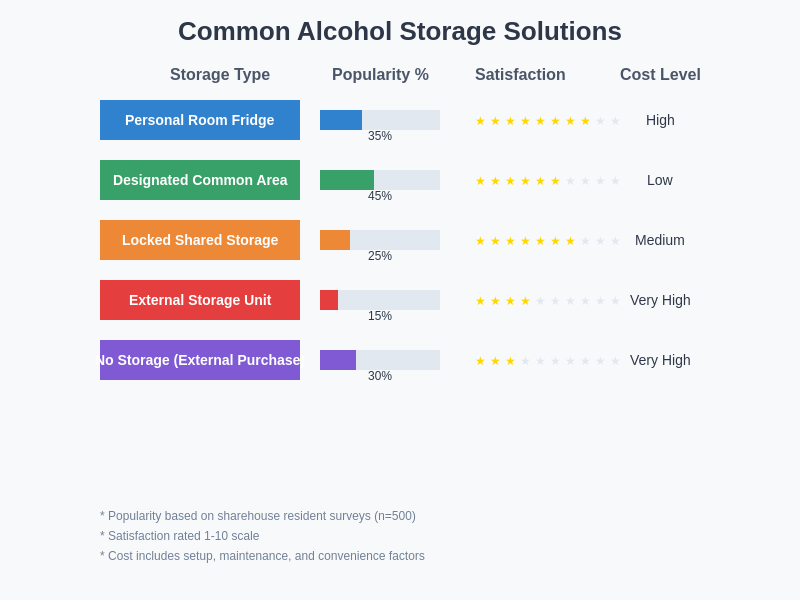
Creative residents often develop elaborate workaround systems to maintain social activities despite restrictive alcohol storage policies, though these solutions may involve additional complexity, expense, and potential policy violations that create stress and uncertainty within the community. Common approaches include rotation systems where different residents temporarily store beverages for group events, external storage facilities, and partnerships with local establishments for private party arrangements.
The development of alcohol-free social alternatives has become increasingly sophisticated in sharehouses with strict policies, with residents organizing elaborate tea ceremonies, coffee tasting events, specialty beverage nights featuring international soft drinks, and creative mocktail competitions that attempt to replicate the social bonding effects of traditional drinking activities.
Dating while living in Tokyo sharehouses explores how storage restrictions affect romantic and social relationship development, as the inability to offer guests alcoholic beverages or organize intimate gatherings can impact dating opportunities and relationship building within the sharehouse community.
Technology solutions have emerged to help residents navigate complex storage and consumption rules, including shared calendar systems for booking common areas, group messaging applications for coordinating beverage purchases, and expense-sharing platforms that facilitate collective purchasing despite individual storage limitations.
Enforcement Challenges and Community Dynamics
The enforcement of alcohol storage rules creates complex social dynamics that can either strengthen community bonds through shared understanding and mutual respect or generate resentment and division when policies are perceived as unfair or inconsistently applied. Management approaches to rule enforcement significantly influence resident satisfaction and community cohesion, with successful properties typically emphasizing education and communication over punitive measures.
Peer enforcement mechanisms, where residents are expected to monitor and report violations by their housemates, can create uncomfortable social situations that undermine the trust and friendship formation that makes sharehouse living appealing. How to handle roommate conflicts without moving out provides strategies for navigating situations where alcohol policy disagreements create interpersonal tension.
The inconsistent application of storage rules often becomes a source of significant community friction, particularly when enforcement appears to target specific cultural groups or when long-term residents receive preferential treatment compared to newcomers. These perceived inequities can create lasting divisions within sharehouse communities and undermine the inclusive atmosphere that successful shared living requires.
Some properties have implemented resident council systems where community members participate in policy development and enforcement decisions, creating more democratic approaches to alcohol management that consider diverse cultural perspectives and social needs while maintaining necessary safety and legal compliance standards.
Long-term Effects on Community Building
Extended exposure to restrictive alcohol storage policies can fundamentally alter the social character of sharehouse communities, often leading to the gradual departure of socially-oriented residents and the concentration of individuals who prioritize privacy and independence over community engagement. This demographic shift can create self-reinforcing cycles where social activities become increasingly rare and the sharehouse transitions from a vibrant community to a collection of individual living arrangements.
The loss of alcohol-facilitated social bonding opportunities may be partially compensated by other community activities, but research suggests that the removal of traditional social catalysts often results in net decreases in community engagement and cross-cultural interaction. Real stories from Tokyo sharehouse residents includes numerous accounts of how alcohol policies influenced residents’ decisions to relocate and their overall satisfaction with sharehouse living.
Long-term residents often report that overly restrictive policies contribute to higher turnover rates as socially-motivated individuals seek more accommodating living situations. This constant resident turnover prevents the development of stable community relationships and institutional knowledge that contribute to successful shared living environments.
The cumulative effect of storage restrictions on community culture can persist even when policies are later relaxed, as established social patterns and resident expectations may have already shifted toward more individualized living approaches that are difficult to reverse without significant community rebuilding efforts.
Health and Safety Considerations
Alcohol storage policies often originate from legitimate health and safety concerns, including fire safety requirements, building insurance regulations, and municipal ordinances that property managers must navigate while providing attractive living options for international residents. Understanding these underlying motivations can help residents appreciate the necessity of certain restrictions while working constructively toward solutions that balance safety with social needs.
Why alcohol consumption rules exist examines the legal and practical factors that drive policy development, including liability concerns, noise complaints from neighbors, and the challenges of managing diverse cultural approaches to alcohol consumption within Japanese legal and social frameworks.
The medical and emergency response implications of alcohol storage policies become particularly relevant in high-density living situations where individual consumption decisions can affect entire communities. Properties with relaxed storage policies often implement comprehensive safety education programs and emergency response protocols that address the increased risks associated with alcohol availability.
Some sharehouses have developed innovative safety-focused approaches that allow flexible storage while maintaining appropriate safeguards, including mandatory safety training for residents, designated consumption monitors during events, and partnerships with local medical facilities to ensure rapid response capabilities during alcohol-related emergencies.
Regional and Cultural Variations
Different areas of Tokyo exhibit varying approaches to alcohol storage policies based on local demographics, municipal regulations, and cultural contexts that influence both property management strategies and resident expectations. Best Tokyo neighborhoods for sharehouse living explores how neighborhood characteristics affect house rules and social dynamics.
International-focused sharehouses often develop more permissive policies that accommodate diverse cultural drinking practices, while properties targeting Japanese residents may implement stricter controls that align with local social expectations and consumption patterns. These variations can create significant differences in social life quality between otherwise similar properties.
The influence of nearby educational institutions, business districts, and entertainment areas on alcohol policies reflects broader community standards and expectations that property managers must navigate. Sharehouses located near universities often face additional scrutiny regarding alcohol management due to concerns about underage consumption and academic performance impacts.
Cultural adaptation challenges arise when international residents accustomed to different alcohol norms encounter Japanese sharehouse policies, requiring ongoing education and communication efforts to ensure mutual understanding and respect. How cultural differences impact holiday celebrations addresses some of these cross-cultural challenges in shared living environments.
Technology and Modern Solutions
Contemporary sharehouses increasingly employ technology solutions to manage alcohol storage and consumption policies more effectively while maintaining social flexibility and resident satisfaction. Digital systems can track storage allocations, facilitate booking of consumption areas, and provide educational resources about responsible drinking practices tailored to diverse cultural backgrounds.
Smart storage solutions, including locked refrigeration units with individual access controls, allow properties to maintain strict oversight while providing residents with convenient access to their personal alcohol supplies. These systems can generate usage reports, ensure compliance with quantity limitations, and provide accountability measures that satisfy management concerns while supporting resident social activities.
Mobile applications designed specifically for sharehouse communities often include features for coordinating social events, sharing storage resources, and facilitating group purchases that help residents navigate policy restrictions while maintaining active social lives. How to find the perfect sharehouse in Tokyo discusses how technology considerations should influence housing selection decisions.
The integration of alcohol policy management with broader community communication systems creates opportunities for more dynamic and responsive rule implementation that can adapt to seasonal variations, special events, and changing resident demographics while maintaining necessary safety and legal compliance standards.
The complex relationship between alcohol storage rules and social life in Tokyo sharehouses demonstrates how seemingly minor policy decisions can profoundly influence community dynamics, cultural exchange opportunities, and individual satisfaction with shared living arrangements. Success in this environment requires understanding not only the explicit rules but also the cultural contexts, enforcement patterns, and creative solutions that enable residents to build meaningful communities while respecting necessary boundaries and safety considerations.
Disclaimer
This article is for informational purposes only and does not constitute legal advice regarding alcohol consumption, storage, or related regulations in Japan. Sharehouse policies vary significantly between properties and operators, and residents should carefully review and comply with their specific lease agreements and house rules. The consumption of alcohol should always be done responsibly and in accordance with applicable laws and regulations. Readers should consult with property managers and legal professionals regarding specific policy questions or concerns.