The state of bathroom cleanliness in shared living environments represents far more than aesthetic concerns, directly influencing the physical health, mental wellbeing, and overall quality of life for every resident within a sharehouse community. In Tokyo’s densely populated shared accommodations, where multiple individuals rely on the same bathroom facilities daily, understanding the profound connection between hygiene standards and health outcomes becomes essential for maintaining personal wellness and fostering harmonious community living.
The microscopic world that thrives in poorly maintained bathroom environments poses significant health risks that extend beyond immediate discomfort to encompass serious long-term health consequences affecting respiratory systems, skin conditions, immune function, and psychological wellbeing. Research consistently demonstrates that shared bathroom facilities, when inadequately maintained, become breeding grounds for pathogenic bacteria, viruses, fungi, and parasites that can rapidly spread throughout resident populations, creating cycles of illness and infection that compromise individual health and community stability.
Understanding the Health Risks of Poor Bathroom Hygiene
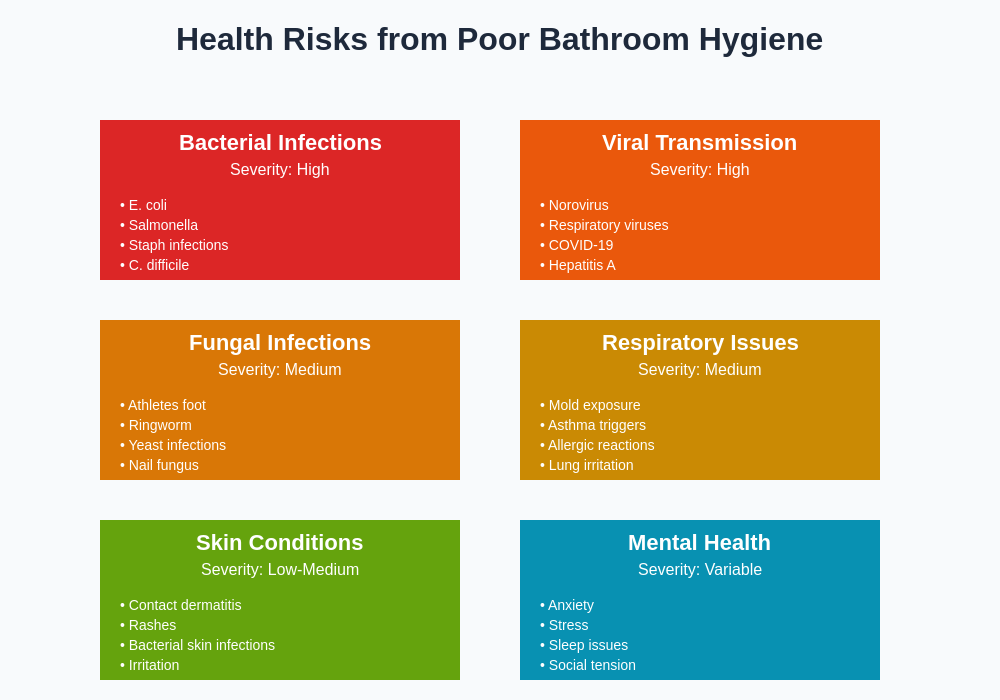
Bacterial contamination represents one of the most immediate and pervasive health threats in shared bathroom environments, with surfaces harboring dangerous microorganisms including Escherichia coli, Salmonella, Staphylococcus aureus, and Clostridioides difficile that can cause severe gastrointestinal infections, skin infections, respiratory illnesses, and antibiotic-resistant infections requiring extensive medical treatment. These pathogenic organisms thrive in warm, moist environments and can survive on bathroom surfaces for extended periods, creating persistent infection risks for all residents.
Japanese sharehouse rules every foreigner should know often emphasize bathroom cleanliness protocols specifically because of these health considerations, recognizing that maintaining sanitary conditions requires collective responsibility and consistent adherence to established hygiene standards that protect community health.
Viral transmission through contaminated bathroom surfaces presents another significant health concern, particularly for respiratory viruses, noroviruses, and other infectious agents that can spread rapidly through touch contamination and airborne particles generated during toilet flushing and other bathroom activities. The COVID-19 pandemic highlighted the importance of bathroom hygiene in preventing viral spread, with studies revealing that inadequate bathroom cleaning and ventilation significantly increase transmission risks within shared living environments.
Fungal infections represent particularly problematic health issues in shared bathroom environments, with conditions like athlete’s foot, ringworm, and yeast infections spreading easily through contaminated floors, shower areas, and towels that are inadequately cleaned or dried. These infections can persist for months, causing significant discomfort and requiring expensive antifungal treatments while continuing to pose transmission risks to other residents.
The Mental Health Impact of Unclean Shared Bathrooms
Psychological wellbeing suffers significantly when bathroom cleanliness standards decline, creating stress, anxiety, and feelings of disgust that can affect daily routines, sleep quality, and overall mental health. Living with Japanese roommates in Tokyo sharehouses often involves navigating different cultural expectations around cleanliness, and when these expectations are not met, residents may experience ongoing psychological distress that impacts their ability to feel comfortable and secure in their living environment.
The constant worry about potential health risks from unsanitary conditions creates chronic stress that can weaken immune systems, making residents more susceptible to the very infections they fear while simultaneously affecting concentration, productivity, and emotional stability. This psychological burden becomes particularly acute for individuals with existing anxiety disorders, obsessive-compulsive tendencies, or health-related phobias that are exacerbated by unclean shared spaces.
Social tensions arising from bathroom cleanliness disputes can deteriorate community relationships and create hostile living environments that affect mental health through interpersonal conflict, social isolation, and the stress of ongoing confrontations about hygiene standards. How to handle roommate conflicts without moving out becomes crucial knowledge when bathroom cleanliness becomes a source of community discord that threatens residential stability and social harmony.
Respiratory Health Consequences in Shared Bathroom Environments
Poor ventilation combined with inadequate cleaning creates ideal conditions for mold and mildew growth that releases spores and toxic compounds into the air, causing respiratory irritation, allergic reactions, asthma exacerbations, and potentially serious lung infections in susceptible individuals. Tokyo’s humid climate exacerbates these problems, making proper ventilation and moisture control essential for preventing respiratory health issues in shared bathroom facilities.
Chemical cleaning products, when used improperly or in poorly ventilated spaces, can create indoor air quality problems that trigger respiratory symptoms, chemical sensitivities, and long-term health effects from repeated exposure to volatile organic compounds and other toxic substances. Understanding utility bills in Japanese sharehouses includes considerations for ventilation costs, as proper air circulation becomes essential for maintaining both cleanliness and respiratory health.
Aerosol transmission of pathogens through toilet flushing and inadequate ventilation can spread respiratory infections throughout sharehouse communities, making bathroom hygiene a critical component of preventing illness transmission that extends beyond direct contact contamination to include airborne pathogen dispersal that affects residents throughout the building.
Skin Health and Dermatological Concerns
Direct contact with contaminated bathroom surfaces creates significant risks for skin infections, contact dermatitis, and allergic reactions that can range from minor irritation to serious medical conditions requiring dermatological treatment. Shared towels, bath mats, and inadequately cleaned surfaces harbor bacteria and fungi that can cause persistent skin problems affecting quality of life and self-confidence.
Why bathroom etiquette matters more than you expect encompasses not only social considerations but also health implications, as proper bathroom behavior directly impacts infection prevention and skin health maintenance for all residents within the community.
Foot-related infections thrive in warm, moist bathroom environments where multiple individuals walk barefoot on contaminated surfaces, leading to conditions like plantar warts, fungal infections, and bacterial skin infections that can be difficult to treat and easily transmitted between residents sharing bathroom facilities.
Gastrointestinal Health Risks and Foodborne Illness Prevention
Fecal-oral transmission pathways in inadequately cleaned bathrooms create significant risks for gastrointestinal infections, food poisoning, and parasitic infections that can cause severe illness, hospitalization, and long-term digestive health problems. Proper hand hygiene facilities and surface sanitization become crucial for preventing these transmission routes that can affect entire sharehouse populations.
Cross-contamination from bathroom surfaces to personal items, clothing, and food preparation areas extends gastrointestinal health risks beyond bathroom use to encompass broader infection prevention challenges that require systematic hygiene practices and community-wide adherence to cleanliness protocols. How food allergies complicate shared cooking intersects with bathroom hygiene when contamination pathways compromise food safety and health.
Antibiotic-resistant bacterial infections pose particularly serious threats in shared bathroom environments where repeated antibiotic use for treating bathroom-acquired infections can contribute to resistance development that makes future infections more difficult and dangerous to treat, creating public health concerns that extend beyond individual residents to encompass broader community health implications.
Establishing Effective Cleaning Protocols and Health Maintenance
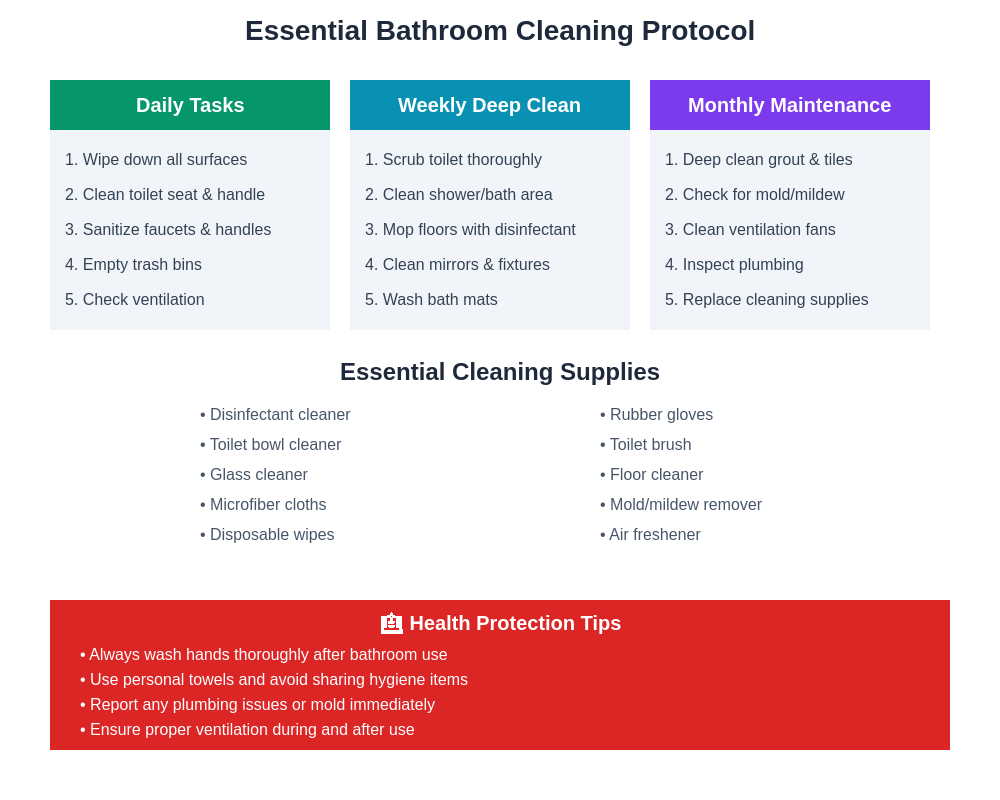
Daily cleaning routines must address high-touch surfaces including toilet seats, flush handles, faucets, door knobs, light switches, and shared accessories that harbor pathogens and facilitate transmission between users. Effective protocols require appropriate cleaning products, proper application techniques, and consistent scheduling that ensures continuous maintenance rather than sporadic deep cleaning efforts that allow contamination to accumulate.
How cleaning responsibilities create house drama highlights the importance of establishing clear, equitable cleaning schedules that prevent hygiene-related conflicts while maintaining health standards that protect all residents from infection risks and health complications.
Ventilation management requires attention to moisture control, air circulation, and exhaust fan maintenance that prevents mold growth and reduces airborne pathogen concentrations while maintaining comfortable humidity levels that discourage bacterial and fungal proliferation. Regular ventilation system cleaning and maintenance become essential components of comprehensive bathroom health management.
Personal Hygiene Practices in Shared Bathroom Environments
Individual responsibility for hygiene maintenance extends beyond personal cleanliness to encompass consideration for other residents through practices like thorough surface cleaning after use, proper disposal of personal hygiene items, and immediate cleanup of any spills or contamination that could affect subsequent users. These practices require cultural sensitivity and clear communication about expectations and standards.
Hand hygiene represents the most critical personal practice for preventing infection transmission, requiring proper handwashing techniques, appropriate soap selection, and adequate drying methods that eliminate pathogens while avoiding recontamination through improper towel use or surface contact. Why personal hygiene standards vary wildly acknowledges cultural differences while emphasizing health-based standards that protect community wellbeing.
Personal item management including toothbrushes, razors, towels, and hygiene products requires storage methods that prevent cross-contamination while maintaining accessibility and convenience for daily use. Proper storage prevents bacterial growth and contamination while respecting shared space limitations and community guidelines.
Water Quality and Plumbing Health Considerations
Water system maintenance affects bathroom hygiene through issues like biofilm formation in pipes, inadequate water pressure for effective cleaning, and water quality problems that can harbor pathogens or contain chemical contaminants affecting health and cleaning effectiveness. Why water quality varies by building age influences bathroom health management strategies and cleaning protocol effectiveness.
Plumbing problems including clogs, leaks, and drainage issues create ideal conditions for bacterial growth and sewage contamination that pose serious health risks requiring immediate professional attention and comprehensive sanitization efforts to prevent health complications and maintain safe bathroom environments.
Regular plumbing maintenance and water quality monitoring become essential components of comprehensive bathroom health management, requiring coordination between residents, property managers, and professional service providers to ensure system integrity and health protection for all community members.
Emergency Health Response and Infection Management
Outbreak response protocols require rapid identification of health issues, immediate implementation of enhanced cleaning measures, and coordination with healthcare providers to prevent infection spread and protect community health. How medical emergencies expose system weaknesses includes bathroom hygiene considerations during health crises when enhanced protocols become necessary.
Healthcare provider communication about bathroom-related health issues requires clear documentation of symptoms, exposure risks, and community health concerns that enable proper diagnosis and treatment while preventing further transmission through appropriate isolation and hygiene measures.
Community health education about recognizing infection symptoms, implementing preventive measures, and seeking appropriate medical care becomes essential for maintaining overall health standards and preventing minor hygiene issues from developing into serious health crises that affect multiple residents and require extensive intervention efforts.
Long-term Health Monitoring and Community Wellness
Regular health assessments and infection tracking help identify patterns and risks related to bathroom hygiene that enable proactive interventions and protocol improvements before serious health problems develop. How stress management techniques become necessary includes health monitoring approaches that address both physical and psychological aspects of hygiene-related stress and health concerns.
Community wellness programs that address hygiene education, health promotion, and infection prevention create supportive environments where residents can maintain health standards while building positive relationships and shared responsibility for community wellbeing that extends beyond individual health concerns to encompass collective health promotion.
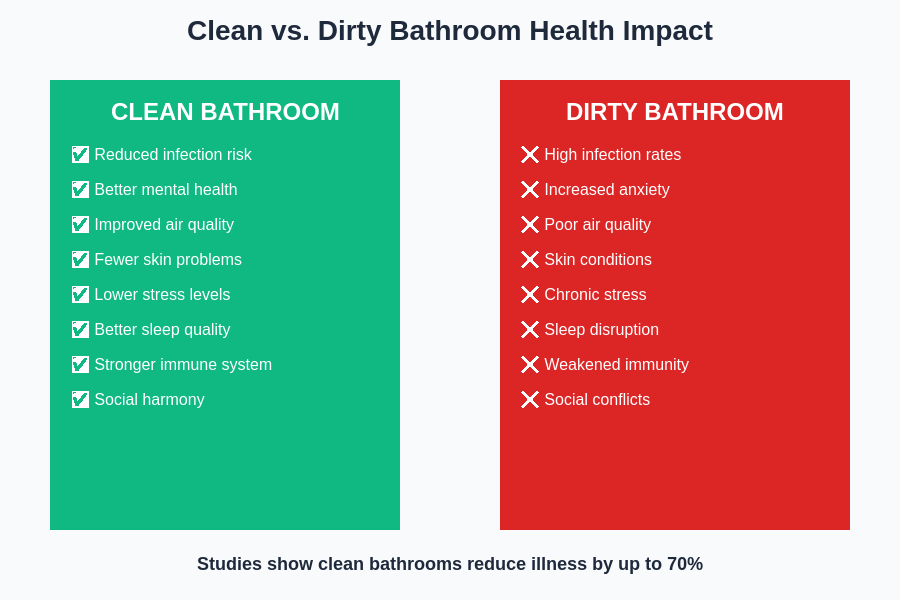
The stark contrast between clean and dirty bathroom environments demonstrates the profound impact that hygiene standards have on every aspect of resident health and wellbeing. This comparison highlights why investing time and effort in maintaining proper bathroom cleanliness pays dividends in reduced healthcare costs, improved quality of life, and enhanced community harmony.
Making friends through Tokyo sharehouse communities includes considerations for health-conscious community building that recognizes the importance of hygiene standards in creating comfortable, healthy living environments where residents can thrive physically and socially while maintaining personal and community health standards.
The relationship between bathroom cleanliness and health in shared living environments requires ongoing attention, community cooperation, and individual responsibility that recognizes the interconnected nature of personal and community health. Understanding these connections empowers residents to make informed decisions about hygiene practices while building healthy, sustainable communities that support long-term wellness and positive living experiences in Tokyo’s dynamic sharehouse environment.
Disclaimer
This article is for informational purposes only and does not constitute professional medical advice. Health concerns related to bathroom hygiene should be addressed with qualified healthcare providers who can provide personalized medical guidance. The effectiveness of hygiene practices may vary depending on individual health conditions, specific pathogens, and environmental factors. Readers should consult healthcare professionals for serious health issues and follow established public health guidelines for infection prevention and hygiene maintenance.