Bicycle ownership in Tokyo represents far more than simply acquiring a mode of transportation; it fundamentally transforms how residents structure their daily routines, make lifestyle decisions, and navigate the complex urban environment of Japan’s capital city. For sharehouse residents, this transformation becomes particularly pronounced as the integration of cycling into daily life creates ripple effects that influence everything from morning schedules and shopping patterns to social interactions and evening entertainment choices.
The decision to own a bicycle while living in a Tokyo sharehouse initiates a cascading series of adaptations that reshape fundamental aspects of daily existence. These changes extend beyond simple transportation modifications to encompass time management strategies, route planning considerations, weather response protocols, and even wardrobe selection processes that collectively create an entirely different urban living experience compared to those who rely exclusively on public transportation systems.
Morning Routine Transformation and Time Management
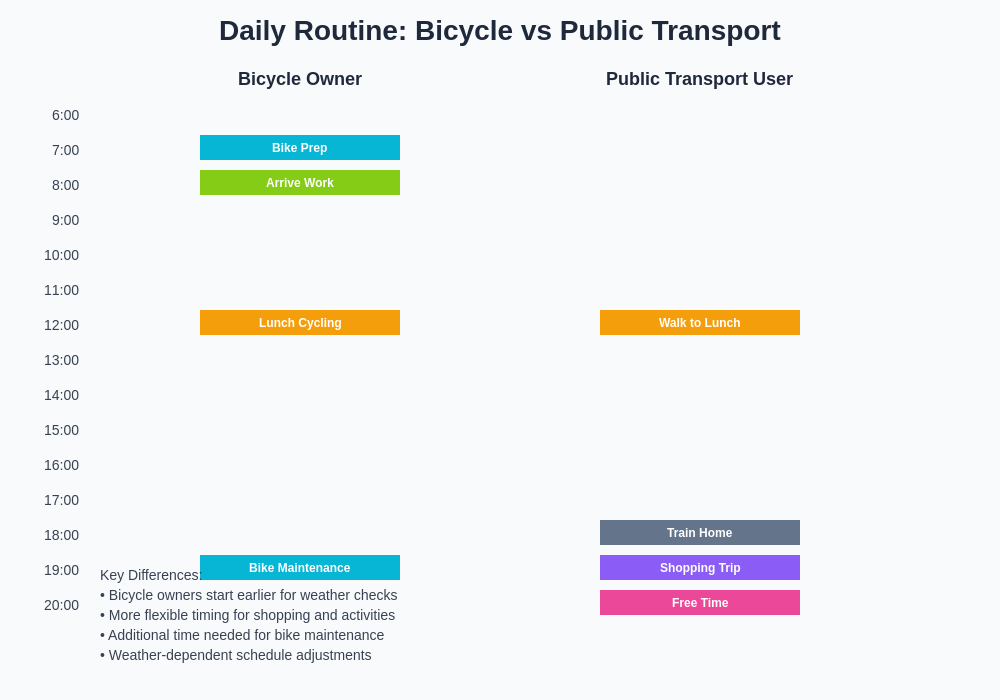
The integration of bicycle ownership into morning routines creates immediate and lasting changes to how sharehouse residents structure their wake-up schedules and departure preparations. Understanding how commute times impact your quality of life becomes essential as bicycle commuting introduces variables that public transportation users rarely encounter, including weather assessment, route condition evaluation, and equipment preparation requirements.
Bicycle owners develop sophisticated morning weather analysis rituals that influence clothing selection, route planning, and departure timing decisions. The need to assess wind conditions, precipitation probability, and temperature fluctuations creates additional decision-making steps that non-cyclists can bypass entirely. These weather considerations often require accessing multiple information sources and developing backup transportation plans that add complexity to previously straightforward morning routines.
The physical preparation aspects of bicycle commuting introduce equipment checks, safety gear coordination, and maintenance awareness that become automatic daily habits over time. Tire pressure evaluation, brake functionality testing, and light operation verification transform into unconscious morning rituals that occur alongside traditional grooming and preparation activities, creating more comprehensive and time-intensive departure sequences.
Security considerations add another layer of morning routine complexity as bicycle owners must evaluate parking availability, theft risk assessment, and locking strategy planning for their intended destinations. These security protocols often influence departure timing, route selection, and even destination choice as the availability of secure bicycle parking becomes a determining factor in daily activity planning.
Shopping Pattern Evolution and Carrying Capacity Constraints
Bicycle ownership fundamentally alters shopping behaviors and purchasing patterns through the introduction of carrying capacity limitations that influence frequency, quantity, and timing of shopping trips. How grocery shopping becomes more strategic reflects the systematic changes that bicycle owners implement to accommodate transportation constraints while maintaining household supply needs and personal convenience preferences.
The weight and volume restrictions imposed by bicycle transportation create natural limits on bulk purchasing behaviors that often lead to increased shopping frequency but reduced individual trip volumes. This shift toward smaller, more frequent shopping expeditions transforms the traditional weekly grocery shopping model into a system of strategic daily or bi-daily procurement activities that must be coordinated with other transportation needs and schedule constraints.
Specialized equipment acquisition becomes necessary as bicycle owners invest in panniers, baskets, and cargo systems that enable effective load transportation while maintaining cycling safety and comfort. The selection and utilization of these carrying systems requires learning new packing techniques, weight distribution strategies, and balance management skills that influence both shopping planning and cycling proficiency development.
Strategic shopping timing emerges as bicycle owners discover optimal periods for various procurement activities based on traffic conditions, weather patterns, and personal energy levels. The coordination of shopping trips with other cycling activities creates efficiency opportunities that public transportation users cannot easily replicate, leading to more integrated and purposeful daily movement patterns.
Weather Dependency and Adaptive Scheduling
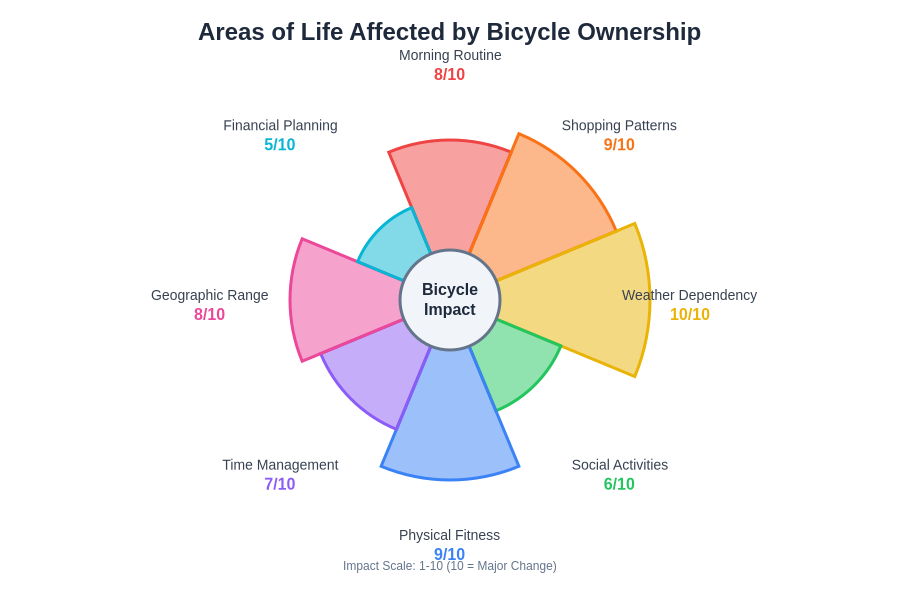
Weather conditions exert disproportionate influence over daily scheduling decisions for bicycle owners compared to public transportation users, creating dynamic planning requirements that must account for precipitation, wind, temperature, and visibility factors. How weather affects transportation choices becomes a daily consideration that influences not only immediate travel decisions but also longer-term scheduling and commitment planning.
Rainy season adaptations require developing alternative transportation strategies, waterproof equipment systems, and modified route planning that maintains mobility while accommodating adverse weather conditions. The seasonal adjustment periods demand flexibility in daily scheduling and often result in temporary increases in public transportation usage that must be balanced against cycling preferences and equipment investments.
Extreme weather preparation involves monitoring forecast accuracy, developing contingency plans, and maintaining backup transportation options that ensure reliable mobility regardless of atmospheric conditions. These preparation activities add complexity to daily planning processes while requiring ongoing attention to meteorological information and adaptive decision-making skills.
Seasonal clothing and equipment rotation creates additional storage and maintenance requirements that must be coordinated with sharehouse living arrangements and personal space limitations. How seasonal shopping affects storage space influences not only personal organization but also shared space utilization and roommate consideration protocols.
Social Life Impact and Evening Activity Modifications
Evening entertainment and social activity participation undergoes significant modification when bicycle ownership influences transportation availability and safety considerations during darker hours and varying weather conditions. The integration of cycling into social planning requires coordination with friends, evaluation of destination accessibility, and consideration of return journey safety that can influence social participation patterns and activity selection preferences.
Alcohol consumption and evening entertainment require careful planning as bicycle owners must navigate legal restrictions, safety considerations, and alternative transportation arrangements when cycling becomes inadvisable or prohibited. How alcohol storage rules affect social life extends to consumption planning that accommodates transportation responsibilities and safety requirements.
Group activity coordination becomes more complex when some participants rely on bicycles while others use public transportation, creating timing discrepancies, meeting point challenges, and return journey coordination requirements that must be addressed through enhanced communication and planning efforts. These coordination needs often influence activity selection and participation decisions within sharehouse communities.
Late-night safety considerations introduce route planning requirements, equipment preparation needs, and risk assessment protocols that influence both departure timing and destination selection. The development of safe nighttime cycling habits requires learning new skills, acquiring additional equipment, and establishing safety protocols that become integrated into evening routine planning.
Physical Fitness Integration and Health Routine Changes
Daily cycling naturally integrates cardiovascular exercise into transportation activities, creating automatic fitness benefits that influence other health and wellness routine planning. The consistent physical activity generated through bicycle commuting often reduces the need for separate exercise activities while improving overall energy levels and physical conditioning that affect daily stamina and activity capacity.
Energy level management becomes more complex as bicycle commuting creates physical exertion that must be balanced against other daily energy demands including work responsibilities, household activities, and social participation. The learning process of energy distribution and recovery planning requires attention to nutrition timing, rest scheduling, and workload management that influences overall daily routine structure.
Physical conditioning development through regular cycling creates progressive fitness improvements that enable increased cycling distances, improved efficiency, and enhanced overall physical capability. These improvements often lead to expanded activity ranges and increased willingness to undertake longer bicycle trips that further modify daily routine possibilities and geographic accessibility.
Health routine modifications often include adjusted meal timing, increased hydration needs, and modified sleep scheduling that accommodates the physical demands and energy cycles created by regular cycling activity. These adaptations require ongoing attention to physical signals and lifestyle balance that becomes integrated into daily health management practices.
Maintenance Responsibilities and Time Allocation
Bicycle maintenance requirements introduce new time allocation needs and skill development responsibilities that must be integrated into weekly scheduling and budgeting planning. Why bicycle access is crucial for sharehouse living includes understanding the ongoing commitment required to maintain reliable transportation through regular care and attention.
Basic maintenance skill development becomes necessary as bicycle owners learn to perform routine adjustments, minor repairs, and preventive care that ensures reliable daily transportation. The acquisition of these skills requires time investment, tool procurement, and practice opportunities that must be coordinated with other learning priorities and time constraints.
Professional maintenance scheduling and budgeting considerations add recurring expenses and time commitments that must be planned alongside other regular expenditures and activities. The coordination of maintenance timing with daily transportation needs requires forward planning and backup transportation arrangements during service periods.
Storage and security management within sharehouse environments requires coordination with other residents, space allocation negotiations, and equipment organization that influences daily routine logistics and roommate relationships. The development of effective storage and security protocols affects both convenience and relationship dynamics within shared living arrangements.
Economic Impact and Financial Planning Adjustments
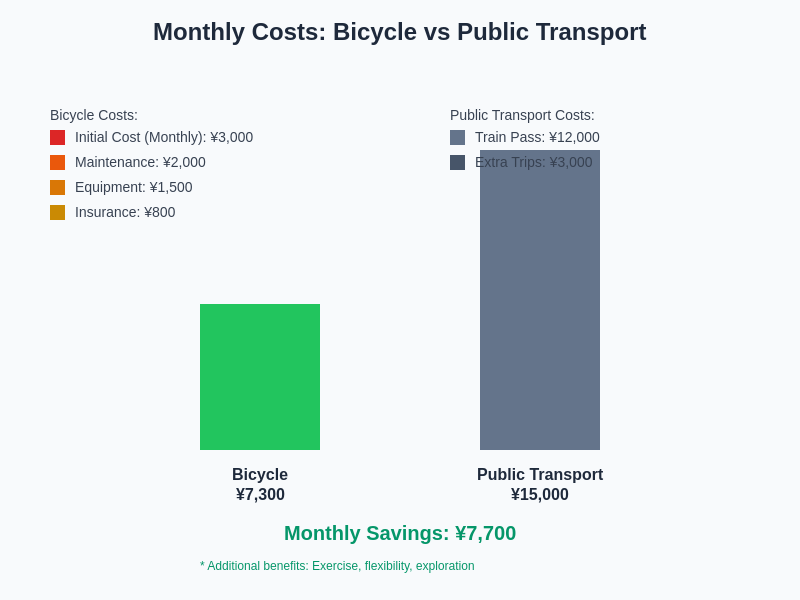
Bicycle ownership creates initial investment requirements and ongoing operational costs that must be integrated into monthly budgeting and financial planning activities. How to budget realistically for sharehouse living must account for bicycle-related expenses including purchase costs, maintenance fees, equipment acquisition, and insurance considerations that add complexity to financial management.
Transportation cost savings through reduced public transportation usage can offset bicycle-related expenses while providing budget flexibility for other activities and purchases. The calculation and optimization of these cost benefits requires tracking transportation expenses and comparing cycling costs against alternative transportation methods over extended periods.
Insurance and security considerations introduce additional financial planning requirements including theft protection, liability coverage, and replacement cost preparation that must be evaluated against risk tolerance and budget constraints. These financial protection strategies require research, comparison shopping, and ongoing premium management that adds complexity to financial planning activities.
Economic opportunity expansion through increased mobility and reduced transportation costs can enable participation in activities, employment opportunities, and social events that might otherwise be cost-prohibitive. The strategic utilization of bicycle transportation for economic advantage requires planning and optimization that can significantly impact overall financial outcomes and lifestyle possibilities.
Geographic Exploration and Neighborhood Discovery
Bicycle ownership dramatically expands accessible geographic range while enabling detailed neighborhood exploration that would be impractical through public transportation or walking alone. The ability to cover moderate distances efficiently while maintaining flexibility for spontaneous stops and route modifications creates opportunities for discovering local amenities, services, and attractions that enhance overall Tokyo living experience.
Route experimentation and optimization becomes an ongoing activity as bicycle owners develop familiarity with multiple pathway options, traffic patterns, and efficiency opportunities that improve daily commuting while providing variety and exploration opportunities. How work location should influence sharehouse choice expands to include cycling accessibility and route quality considerations.
Local business discovery occurs naturally through bicycle exploration as riders encounter shops, restaurants, and services that might remain unknown to public transportation users following fixed routes. This increased local business awareness often leads to modified shopping patterns, dining preferences, and service utilization that strengthens neighborhood connections and community integration.
Cultural exploration opportunities expand as bicycle transportation enables access to festivals, events, and cultural sites that might be difficult or expensive to reach through other transportation methods. The spontaneous nature of bicycle exploration often leads to unexpected cultural discoveries and experiences that enrich the overall Tokyo living experience.
Integration with Sharehouse Community Dynamics
Bicycle ownership within sharehouse communities creates opportunities for shared activities, group rides, and collaborative exploration that can strengthen relationships and create common interests among residents. Making friends through Tokyo sharehouse communities often includes cycling as a natural bonding activity and shared interest that facilitates relationship building.
Equipment sharing and maintenance collaboration can develop among bicycle-owning residents, creating mutual support systems and knowledge exchange opportunities that benefit all participants while strengthening community bonds. The sharing of tools, expertise, and assistance creates reciprocal relationships that extend beyond cycling to other areas of sharehouse life.
Group activity planning incorporates cycling opportunities for residents who share this transportation method, enabling activities and destinations that might not be accessible or affordable through other means. The coordination of group cycling activities requires communication and planning skills that can enhance overall community cooperation and organization.
Storage and security coordination within shared spaces requires negotiation, compromise, and ongoing communication that can either strengthen or strain roommate relationships depending on how effectively these arrangements are managed. The development of fair and practical bicycle storage protocols often reflects broader community cooperation patterns and relationship dynamics.
The transformation of daily routines through bicycle ownership represents a comprehensive lifestyle adaptation that extends far beyond simple transportation changes to encompass time management, social interactions, physical health, financial planning, and community integration. Understanding these wide-ranging impacts enables informed decision-making about bicycle ownership while preparing for the systematic adjustments required to maximize the benefits and minimize the challenges of integrating cycling into Tokyo sharehouse living.
Disclaimer
This article is for informational purposes only and does not constitute professional advice regarding transportation choices or lifestyle decisions. Bicycle ownership regulations, traffic laws, and safety requirements may vary by location and change over time. Readers should research current regulations, consider their individual circumstances, and prioritize safety when making transportation decisions. The experiences described may vary significantly based on individual factors, location, and personal preferences.