The transformation of individual board game collections into powerful community assets represents one of the most remarkable phenomena in modern sharehouse living, particularly within Tokyo’s diverse international communities. What begins as personal entertainment quickly evolves into the social backbone of shared living spaces, creating bonds that transcend cultural barriers and establishing traditions that define the character of entire residential communities. This evolution demonstrates how simple recreational activities can become fundamental infrastructure for human connection and cultural exchange.
The significance of board games in sharehouse environments extends far beyond their original entertainment purpose, serving as universal languages that facilitate communication between residents from vastly different backgrounds and cultures. Making friends through Tokyo sharehouse communities often begins around game tables where language barriers dissolve through shared laughter and competitive spirit, creating foundations for lasting relationships that extend throughout residents’ time in Japan.
The Natural Evolution from Personal to Shared Entertainment
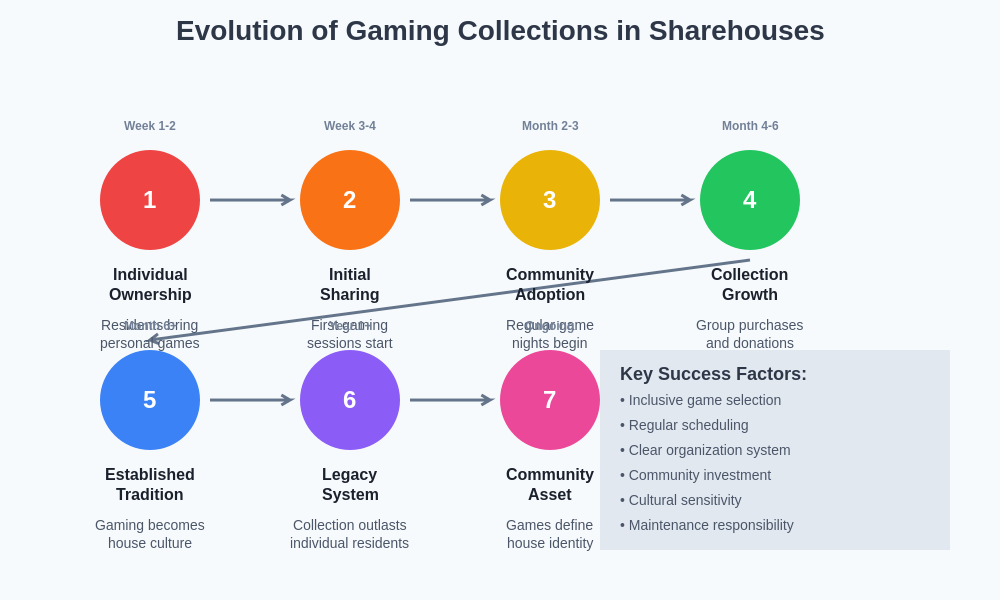
Board game collections typically enter sharehouses as personal belongings of individual residents, often packed carefully among precious items during international moves to Japan. However, the confined nature of sharehouse living and the natural human desire for social interaction quickly transforms these private collections into communal resources that serve the entire residential community.
The transition occurs organically when residents discover common interests during casual conversations or notice game boxes during room visits. Initial sharing often happens tentatively, with game owners testing the waters by suggesting a quick session during quiet evenings or weekend afternoons. Living with Japanese roommates in Tokyo sharehouses reveals how these gaming sessions often become crucial bridges between different cultural approaches to leisure and social interaction.
The physical limitations of sharehouse rooms naturally encourage residents to move gaming activities to common areas, where the social dynamics shift from private entertainment to public community engagement. This spatial transition marks the beginning of board games becoming genuine community assets rather than individual possessions, as other residents begin observing, asking questions, and eventually requesting to join gaming sessions.
Breaking Down Cultural and Language Barriers
Board games possess unique properties that make them exceptionally effective tools for overcoming the communication challenges that commonly arise in international sharehouse environments. The visual nature of most modern board games, combined with their reliance on symbols, colors, and patterns rather than complex language, creates accessible entry points for residents regardless of their Japanese or English proficiency levels.
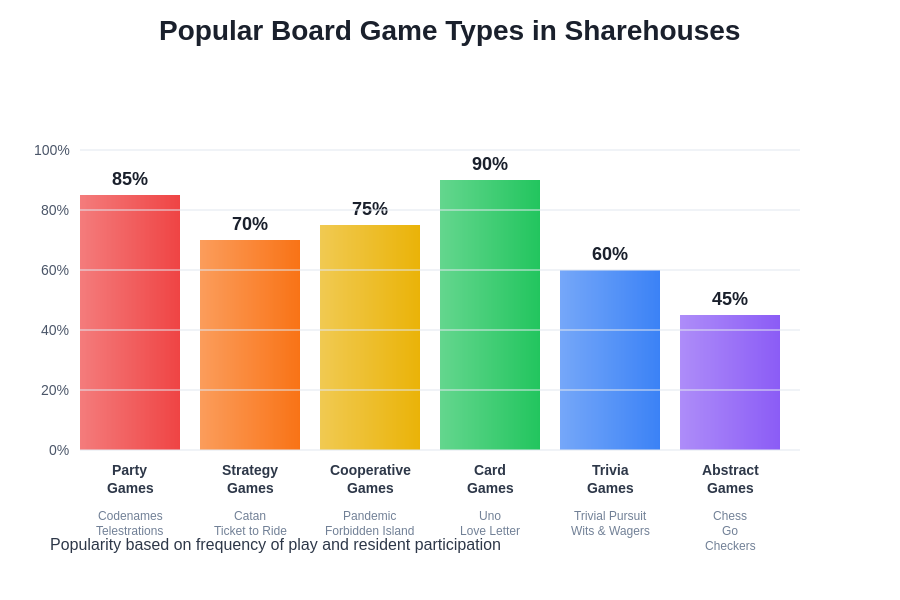
Strategy games like chess or Go transcend linguistic boundaries entirely, allowing players to communicate through moves and tactics rather than words. Party games often incorporate physical actions, drawings, or simple expressions that generate laughter and connection without requiring sophisticated vocabulary. Cultural differences that affect friendship building become less significant when residents focus on shared objectives and collaborative problem-solving inherent in cooperative board games.
The learning process itself becomes a community activity, with experienced players teaching newcomers through demonstration and patience rather than complex explanations. This teaching dynamic creates natural mentorship relationships and establishes inclusive environments where making mistakes becomes part of the fun rather than sources of embarrassment or cultural anxiety.
Gaming sessions provide safe spaces for practicing language skills in low-pressure environments where the focus remains on entertainment rather than linguistic performance. Residents naturally pick up gaming terminology, numbers, and social expressions while concentrating on strategy and fun, making language learning feel effortless and enjoyable rather than academic or forced.

Creating Inclusive Social Structures
Board game collections naturally evolve into organizing principles that help create inclusive social structures within sharehouse communities. Regular gaming nights become anticipated events that bring residents together across different schedules, work patterns, and social preferences, establishing shared traditions that define community culture and provide continuity despite resident turnover.
The democratic nature of most board games ensures that success depends on skill, strategy, or luck rather than social hierarchies, language abilities, or cultural knowledge. This leveling effect helps newer residents integrate quickly into established communities while preventing the formation of exclusive social circles that might otherwise develop along nationality, professional, or age lines.
How age differences impact sharehouse compatibility becomes less relevant when residents connect through shared gaming experiences that emphasize fun and cooperation over demographic similarities. Older residents often appreciate the structured social interaction that games provide, while younger residents enjoy the competitive aspects and social energy that gaming sessions generate.
The variety inherent in diverse board game collections ensures that different personality types and gaming preferences can find suitable activities, from intense strategy games for serious players to light party games for casual entertainment. This diversity prevents gaming from becoming exclusive to particular resident types while accommodating varying energy levels and time commitments.
Establishing House Traditions and Rituals
Board game collections serve as catalysts for establishing enduring house traditions that create identity and continuity within sharehouse communities. Weekly game nights become anticipated rituals that residents plan their schedules around, creating shared experiences that bind community members together through consistent positive interactions and memorable moments.
Tournament structures often emerge naturally as residents develop preferences for particular games and competitive dynamics evolve within communities. These tournaments can span weeks or months, creating ongoing storylines and rivalries that add excitement and engagement to daily sharehouse life while providing topics for conversation and community bonding.
Cultural festivals that affect house activities often incorporate gaming elements as residents share games from their home countries during cultural celebration events. These exchanges introduce international games to communities while creating educational opportunities for cultural learning and appreciation that extend beyond surface-level interactions.
Holiday gaming marathons become annual traditions that residents anticipate and plan for months in advance. These extended gaming sessions often coincide with major holidays or seasonal breaks, providing alternatives to expensive entertainment options while ensuring that residents who remain in Tokyo during holiday periods have engaging social activities and community support.
Economic Benefits and Shared Investment
The communal nature of board game collections provides significant economic advantages that benefit entire sharehouse communities while reducing individual entertainment expenses for residents operating on tight budgets. Shared collections eliminate the need for individual residents to purchase expensive games that might see limited use, instead creating diverse libraries accessible to all community members.
How much Tokyo sharehouses really cost per month often excludes entertainment expenses that can significantly impact resident budgets. Board game collections provide cost-effective entertainment alternatives to expensive Tokyo nightlife while offering consistent value that doesn’t depend on weather conditions or transportation costs.
Group purchasing decisions for new games become community investments that strengthen social bonds while expanding entertainment options for everyone. Residents often contribute collectively to acquire highly anticipated games or replace worn-out favorites, creating shared ownership structures that increase investment in community assets and long-term sharehouse satisfaction.
The durability and replayability of board games make them exceptional value propositions compared to consumable entertainment options like movies, concerts, or dining out. A single game purchase can provide hundreds of hours of entertainment across multiple residents over extended periods, making board game collections among the most cost-effective community investments possible in sharehouse environments.
Educational and Personal Development Opportunities
Board game collections become powerful tools for personal development and skill building that extend far beyond entertainment value. Strategy games develop critical thinking, planning, and decision-making abilities that transfer to professional and academic contexts, while social games enhance communication skills and cultural awareness that benefit residents throughout their Japan experience.
How language learning affects career opportunities improves when residents practice communication skills in relaxed gaming environments where mistakes become learning opportunities rather than professional or academic failures. The repetitive nature of gaming terminology and social interactions provides natural language immersion that supplements formal study programs.
Mathematical and logical thinking skills develop naturally through gameplay without feeling like educational exercises. Resource management games teach budgeting and planning concepts, while negotiation games develop persuasion and compromise skills that prove valuable in professional and personal relationships throughout residents’ lives in Japan.
Cultural education happens organically as residents share games from their home countries while learning about gaming traditions from other cultures. These exchanges provide deeper insights into different approaches to competition, cooperation, and social interaction that enhance cross-cultural understanding beyond surface-level cultural awareness.
Conflict Resolution and Community Harmony
Board game collections serve as valuable tools for conflict resolution and community harmony by providing structured environments for working through disagreements and building mutual understanding. The rule-based nature of games creates fair frameworks for competition that help residents develop healthy approaches to winning, losing, and handling disputes.
How conflict resolution styles differ by culture become apparent during gaming sessions, allowing residents to observe and learn from different approaches to handling disagreements and competitive tensions. These observations help build cultural sensitivity and improve general communication skills within sharehouse communities.
Gaming sessions provide neutral territories for residents who might be experiencing interpersonal tensions to interact positively while focusing on shared activities rather than underlying conflicts. The structured nature of gameplay often helps reset relationship dynamics by emphasizing cooperation and fun over previous disagreements or misunderstandings.
Mediation skills develop naturally as experienced residents help newcomers learn game rules and social dynamics. These teaching relationships create positive mentorship opportunities that strengthen community bonds while providing leadership development experiences for established residents who take responsibility for community integration and harmony.
Technology Integration and Modern Gaming Evolution
Contemporary board game collections increasingly incorporate digital elements that enhance traditional gameplay while maintaining face-to-face social interaction that defines sharehouse gaming culture. Mobile apps provide rule explanations, scorekeeping, and tutorial support that help overcome language barriers while maintaining the tactile and social elements that make board gaming superior to purely digital entertainment.
How digital entertainment replaces social interaction becomes less of a concern when communities prioritize board gaming over individual screen time. The physical presence required for board gaming ensures that residents maintain human connections and social skills despite the digital saturation of modern life.
Hybrid games that combine physical boards with digital components offer expanded gameplay possibilities while preserving the community aspects that make board games valuable sharehouse assets. These innovations attract tech-savvy residents while maintaining accessibility for those who prefer traditional gaming approaches, ensuring that collections remain inclusive and engaging for diverse resident populations.
Online communities and gaming databases help residents discover new games, share reviews, and connect with broader gaming communities beyond their immediate sharehouse environments. These resources enhance the educational and social value of local collections while providing inspiration for community expansion and development.
Long-term Community Impact and Legacy
Board game collections create lasting impacts on sharehouse communities that extend far beyond individual residents’ tenancy periods. Established gaming cultures attract residents who value community engagement while creating reputations that influence sharehouse selection decisions and community sustainability over time.
How sharehouse living prepares you for future challenges includes social skills developed through regular gaming interactions that prove valuable throughout residents’ personal and professional lives. The confidence gained through successful community integration often translates to improved performance in workplace team environments and social situations.
Alumni networks often maintain connections established through sharehouse gaming communities, creating lasting friendships and professional networks that extend throughout residents’ careers in Japan and beyond. These connections provide ongoing support systems and cultural bridges that enrich residents’ long-term Japan experiences while maintaining international community ties.
Gaming collections themselves become legacy assets that outlast individual residents, creating continuity and tradition that welcome new community members while honoring the contributions of former residents. This continuity helps maintain community culture and values across resident transitions while ensuring that successful social innovations continue benefiting future generations of sharehouse residents.
Challenges and Management Considerations
Despite their numerous benefits, board game collections as community assets require thoughtful management to maintain their positive impact on sharehouse communities. Issues such as missing pieces, worn components, and storage limitations need systematic solutions to prevent collections from becoming sources of frustration rather than community enhancement.
How personal belongings disappear despite locks applies to game components that can easily become separated from complete sets. Establishing clear organization systems and responsibility structures helps maintain collection integrity while teaching residents valuable community stewardship skills.
Different gaming preferences and skill levels require inclusive management approaches that ensure all residents can participate meaningfully in community gaming activities. This might involve maintaining games of varying complexity levels while establishing teaching and mentorship systems that help newcomers integrate into established gaming cultures without feeling overwhelmed or excluded.
Scheduling and space allocation for gaming activities need coordination to balance community gaming with other shared space uses and individual resident needs. Successful communities develop flexible scheduling systems that accommodate various resident schedules while ensuring that gaming activities enhance rather than dominate community social life.
The evolution of board game collections from individual entertainment into community assets represents a remarkable example of how shared living environments can transform personal resources into powerful tools for social connection, cultural exchange, and community building. These transformations demonstrate the potential for simple recreational activities to become fundamental infrastructure for human connection in increasingly diverse and globalized living situations. Through thoughtful cultivation and inclusive management, board game collections continue serving as bridges between cultures, languages, and individual differences while creating lasting memories and relationships that define the sharehouse experience for thousands of international residents throughout Tokyo and beyond.
Disclaimer
This article is for informational purposes only and reflects observations about board game culture in sharehouse communities. Individual experiences may vary based on community dynamics, resident preferences, and management policies. Readers should consider their own gaming interests and community goals when evaluating the role of board games in their living situations. The social benefits described may depend on active participation and inclusive community management practices.