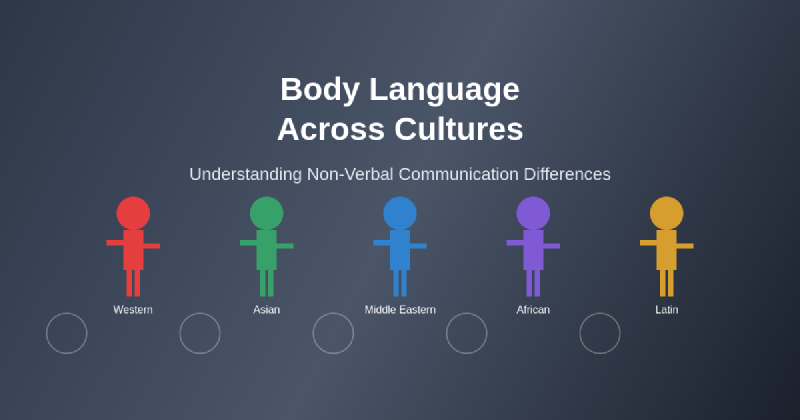
Body language serves as a universal yet paradoxically diverse form of human communication that transcends spoken words while simultaneously creating profound cultural barriers that can lead to misunderstandings, social awkwardness, and relationship difficulties in international living environments. The intricate world of non-verbal communication encompasses gestures, facial expressions, posture, personal space preferences, and eye contact patterns that vary dramatically across different cultures, making cross-cultural competency essential for anyone navigating international communities such as Tokyo sharehouses.
Understanding these cultural nuances becomes particularly crucial in shared living environments where daily interactions with people from various backgrounds can either foster meaningful connections or create unnecessary tension based on misinterpreted non-verbal cues. The ability to decode and appropriately respond to different cultural expressions of body language directly impacts social integration, friendship development, and overall satisfaction in multicultural living situations.
The Foundation of Non-Verbal Communication Across Cultures
Non-verbal communication accounts for approximately sixty to seventy percent of human interaction, making it far more influential than spoken language in determining relationship outcomes and social dynamics within diverse communities. Each culture develops its own sophisticated system of body language rules, expectations, and interpretations that reflect historical values, social hierarchies, religious influences, and geographic factors that have shaped communication patterns over centuries.
The complexity of cultural body language extends beyond simple gesture recognition to encompass subtle variations in timing, intensity, context appropriateness, and social hierarchy considerations that can completely alter the meaning and reception of non-verbal messages. Understanding cultural communication styles that create misunderstandings becomes essential for navigating these intricate social dynamics successfully.
Japanese body language, for instance, emphasizes subtlety, restraint, and hierarchical awareness through precise bowing angles, controlled facial expressions, and carefully managed personal space that differs significantly from more expressive Western or Mediterranean communication styles. These differences can create confusion when residents from different cultural backgrounds attempt to interpret each other’s intentions, emotional states, or levels of interest in social interactions.
Gesture Variations and Their Cultural Implications
Hand gestures represent one of the most visible and potentially problematic aspects of cross-cultural body language, with identical physical movements carrying completely different meanings, levels of appropriateness, and social implications depending on cultural context. What might be considered a friendly or neutral gesture in one culture could be interpreted as rude, offensive, or even threatening in another, creating immediate barriers to positive relationship building.
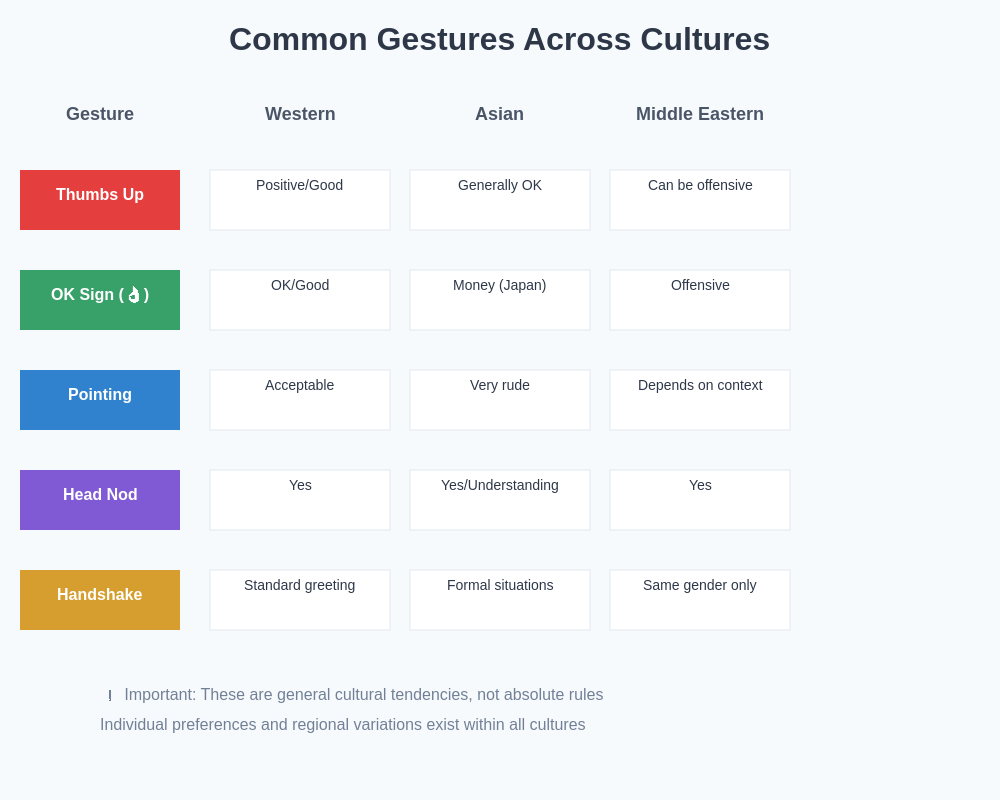
The simple thumbs-up gesture, widely accepted as positive in Western cultures, can be considered inappropriate or even offensive in certain Middle Eastern contexts, while the OK sign formed by thumb and forefinger carries different connotations across various Asian, European, and American cultural frameworks. How cultural differences affect friendship building explores how these misunderstandings can impact social relationships in shared living environments.
Pointing behaviors vary dramatically between cultures, with direct finger pointing being considered extremely rude in many Asian cultures while being perfectly acceptable in others. Alternative pointing methods using open hands, chin gestures, or eye direction create additional layers of complexity that international residents must navigate when trying to communicate directions, indicate objects, or draw attention to specific items during daily interactions.
The use of hand gestures during conversation also reflects cultural attitudes toward personal expression, social hierarchy, and appropriate communication intensity. Some cultures encourage animated hand movements as signs of engagement and passion, while others view excessive gesturing as inappropriate, distracting, or indicative of poor self-control and social awareness.
Personal Space and Proximity Preferences
Cultural attitudes toward personal space create invisible boundaries that significantly impact comfort levels, relationship development, and social dynamics within shared living environments where physical proximity is inevitable. The concept of appropriate distance varies dramatically between cultures, with some societies maintaining larger personal bubbles while others operate comfortably in much closer physical proximity during social interactions.
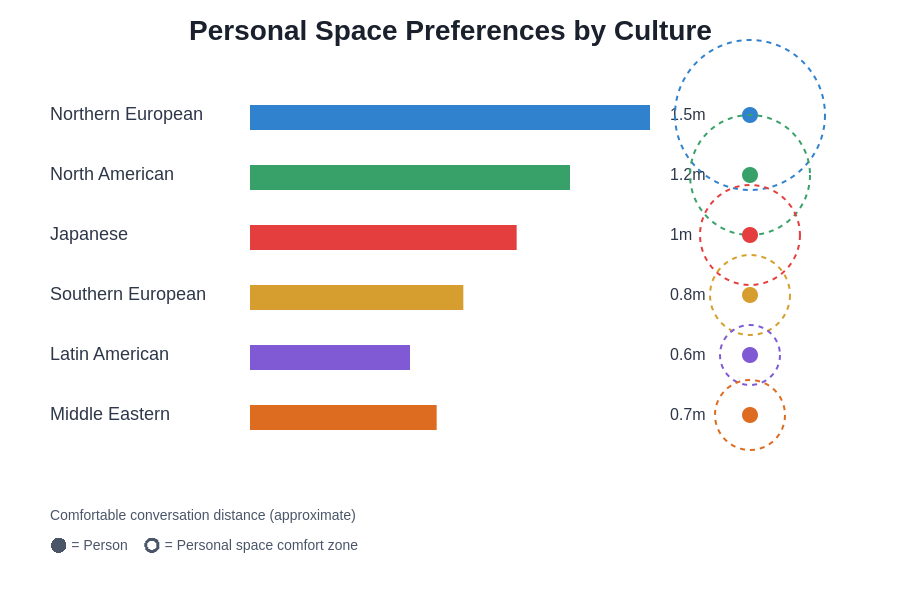
Northern European and North American cultures typically prefer larger personal space bubbles, feeling uncomfortable when others stand too close during conversations or casual interactions. Mediterranean, Latin American, and Middle Eastern cultures often operate with smaller personal space requirements, viewing closer proximity as signs of warmth, friendship, and social engagement rather than intrusion or aggression.
Living with Japanese roommates in Tokyo sharehouses highlights how Japanese personal space preferences differ from many other cultures, with specific expectations about appropriate distances during different types of interactions, formal versus informal situations, and hierarchical relationship considerations that affect daily living dynamics.
The challenge in sharehouse environments lies in accommodating multiple personal space preferences simultaneously while maintaining comfortable living conditions for all residents. Understanding that discomfort with physical proximity or desires for closer interaction stem from cultural programming rather than personal rejection helps prevent misunderstandings and supports more harmonious living arrangements.
Eye Contact Patterns and Cultural Interpretations
Eye contact serves as a powerful form of non-verbal communication that carries vastly different meanings, expectations, and social implications across cultural boundaries. The duration, intensity, timing, and appropriateness of direct eye contact reflect cultural values regarding respect, authority, intimacy, aggression, and social hierarchy that can dramatically affect interpersonal relationship development and daily interaction quality.
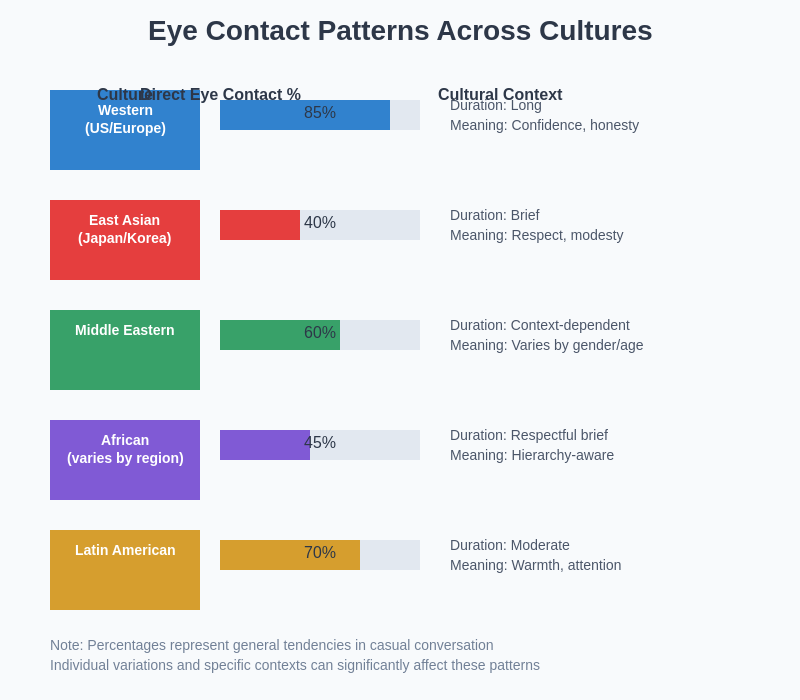
Western cultures generally interpret direct eye contact as signs of honesty, confidence, attention, and respect, expecting sustained eye contact during conversations, introductions, and important discussions. However, many Asian, African, and Indigenous cultures view prolonged direct eye contact as disrespectful, aggressive, or inappropriate, particularly when interacting with authority figures, elders, or members of the opposite gender.
Japanese cultural norms around eye contact emphasize situational appropriateness, hierarchical awareness, and subtle communication through brief, respectful glances rather than sustained direct staring. How age differences impact sharehouse compatibility discusses how these cultural differences in eye contact combine with age-related hierarchy expectations to create complex social dynamics.
The misinterpretation of eye contact patterns can lead to assumptions about personality traits, interest levels, trustworthiness, or social engagement that may be completely inaccurate based on cultural rather than individual factors. Residents who avoid eye contact may be labeled as shy, dishonest, or disinterested when they are actually demonstrating cultural respect and appropriate social behavior according to their background.
Facial Expression Variations and Emotional Display
Cultural norms regarding facial expression intensity, appropriateness, and emotional display create significant variations in how feelings, reactions, and social engagement are communicated non-verbally across different cultural backgrounds. The degree to which emotions should be expressed publicly, the types of facial expressions considered socially acceptable, and the intensity of emotional display vary dramatically between cultures.
Some cultures encourage open emotional expression through facial expressions, viewing animated reactions as signs of authenticity, engagement, and social connection. Others prioritize emotional restraint, controlled expressions, and subtle communication of feelings that may be misinterpreted as disinterest, unfriendliness, or emotional distance by those from more expressive cultural backgrounds.
The concept of “saving face” in many Asian cultures influences facial expression patterns, encouraging neutral or positive expressions even during difficult, uncomfortable, or frustrating situations. This cultural approach to emotional regulation can be misunderstood by residents from cultures that expect direct emotional expression as indicators of honesty and relationship quality.
Smiling behaviors also carry different cultural meanings, with some societies using smiles as general social lubricants for all interactions while others reserve smiling for genuine happiness, amusement, or specific social contexts. How cultural sensitivity develops through daily interaction explores how understanding these differences improves cross-cultural relationship building.
Posture and Status Communication
Posture serves as a continuous broadcast of cultural values regarding hierarchy, respect, confidence, and social positioning that operates below conscious awareness while significantly influencing how individuals are perceived and treated within social groups. Cultural expectations about appropriate posture during different situations, interactions with various social ranks, and public versus private settings create complex navigation challenges for international residents.
Japanese culture emphasizes posture as a reflection of respect, discipline, and social awareness, with specific expectations about standing, sitting, and walking postures during formal and informal situations. The concept of proper posture extends beyond physical alignment to encompass respect demonstration, hierarchical acknowledgment, and cultural integration that affects daily interactions and social acceptance.
Military traditions, religious influences, educational systems, and family structures within different cultures create varying expectations about posture during conversations, meetings, meals, and social gatherings. Some cultures interpret relaxed postures as appropriate casualness while others view them as disrespectful, undisciplined, or socially inappropriate behavior.
The challenge for sharehouse residents lies in understanding when posture adjustments are necessary for cultural sensitivity versus when they might be perceived as artificial or patronizing. Making friends through Tokyo sharehouse communities discusses how cultural awareness in body language supports better social integration.
Touch and Physical Contact Boundaries
Cultural attitudes toward physical touch create some of the most sensitive and potentially problematic areas of cross-cultural body language, with vastly different norms regarding appropriate touching, physical greetings, casual contact, and gender-specific interaction rules that can easily lead to misunderstandings or discomfort if not properly understood and respected.
Mediterranean, Latin American, and African cultures often incorporate more physical touch into social interactions, viewing hugs, shoulder touches, and casual physical contact as normal expressions of friendship, warmth, and social connection. Northern European, East Asian, and certain North American cultures typically maintain stricter physical boundaries, preferring minimal touching except in specific contexts or relationships.
Gender dynamics add additional complexity to touch-related cultural norms, with some societies maintaining strict separation between opposite-gender touching while others operate with more relaxed cross-gender physical interaction guidelines. Religious, traditional, and family background influences create individual variations even within broader cultural patterns that require sensitivity and awareness.
The sharehouse environment’s close proximity and casual nature can create situations where cultural touch boundaries are inadvertently crossed, leading to discomfort, misunderstandings, or social tension that could have been avoided with better cultural awareness. How cultural differences impact holiday celebrations explores how these differences manifest during social events and gatherings.
Silence and Conversational Rhythms
The role of silence in communication varies dramatically across cultures, with some societies viewing quiet pauses as comfortable, respectful, or contemplative while others interpret silence as awkward, disinterested, or problematic requiring immediate verbal filling. These different approaches to conversational rhythm and silence tolerance create communication challenges that extend beyond language barriers to fundamental interaction style differences.
Japanese culture traditionally values silence as a form of respect, contemplation, and social harmony, with comfortable pauses being normal parts of conversation flow rather than problems requiring immediate resolution. This approach contrasts sharply with cultures that view rapid conversational exchange, immediate responses, and minimal silence as indicators of engagement, interest, and social connection.
Interruption patterns also reflect cultural values about respect, hierarchy, enthusiasm, and appropriate communication flow. Some cultures encourage overlapping speech and interruptions as signs of engagement while others view them as rude, disrespectful, or socially inappropriate behavior that disrupts harmony and proper communication protocols.
Understanding these differences helps international residents avoid misinterpreting silence as disinterest, interruptions as rudeness, or conversational pace as indicators of personality traits rather than cultural communication patterns. How conflict resolution styles differ by culture examines how these communication differences affect problem-solving approaches.
Adapting and Building Cultural Competency
Developing effective cross-cultural body language skills requires active observation, conscious practice, cultural research, and willingness to make mistakes while learning appropriate non-verbal communication patterns for different cultural contexts. The goal is not to abandon personal cultural identity but to develop flexibility and awareness that supports better cross-cultural relationship building and social integration.
Successful adaptation involves learning to read cultural cues more accurately while adjusting personal body language when appropriate without compromising authenticity or personal comfort levels. This balance requires ongoing attention, feedback seeking, and cultural learning that extends throughout international living experiences.
How empathy grows through cultural exposure discusses how increased cultural awareness and body language competency contribute to deeper intercultural understanding and more meaningful relationships with people from diverse backgrounds.
The development of cultural body language competency also involves learning when cultural adaptation is necessary versus when personal cultural expression is appropriate, understanding situational contexts that require different approaches, and recognizing individual variations within broader cultural patterns that prevent stereotyping or over-generalization.
Practical Application in Daily Sharehouse Life
Implementing cultural body language awareness in daily sharehouse interactions requires conscious attention to non-verbal communication patterns, willingness to adjust personal habits when appropriate, and creating inclusive environments that accommodate different cultural comfort levels and expression styles. This practical application transforms theoretical knowledge into improved living experiences and stronger community relationships.
Kitchen interactions, common area socializing, greeting patterns, and conflict resolution all benefit from increased cultural body language awareness that helps prevent misunderstandings while supporting more positive social dynamics. Real stories from Tokyo sharehouse residents provides examples of how cultural awareness improves daily living experiences.
The key to successful implementation lies in maintaining curiosity rather than judgment when encountering different body language patterns, asking respectful questions when uncertain about cultural expectations, and creating open dialogue about cultural differences that normalizes discussion rather than avoiding potentially sensitive topics.
Regular self-reflection on personal body language habits, their cultural origins, and their impact on others from different backgrounds helps develop greater awareness and more intentional non-verbal communication that supports cross-cultural relationship building and community harmony in shared living environments.
Long-term Benefits of Cultural Body Language Awareness
Developing sophisticated understanding of cultural body language differences creates lasting benefits that extend far beyond immediate sharehouse living situations to enhance professional relationships, international travel experiences, global career opportunities, and personal growth through expanded cultural competency and social awareness.
The ability to navigate different cultural body language expectations demonstrates cultural intelligence, adaptability, and social sophistication that becomes increasingly valuable in globalized work environments, international business contexts, and diverse social communities. These skills contribute to more successful cross-cultural relationships and expanded opportunities for personal and professional development.
How international experience enhances resume value explores how cultural competency, including body language awareness, becomes a valuable professional asset that distinguishes individuals in competitive global markets and international career opportunities.
The personal growth resulting from increased cultural body language awareness includes expanded empathy, reduced cultural bias, improved social flexibility, and deeper appreciation for human diversity that enriches life experiences and creates more meaningful connections with people from all backgrounds and cultural origins.
Understanding how body language differs between cultures ultimately transforms international living from a series of potential misunderstandings into opportunities for deeper human connection, cultural learning, and personal development that creates lasting memories and relationships while building skills that benefit all future cross-cultural interactions and global experiences.
Disclaimer
This article is for informational purposes only and provides general observations about cultural differences in body language and non-verbal communication. Cultural patterns vary significantly among individuals, and these generalizations should not be used to stereotype or make assumptions about specific people based on their cultural background. Readers should approach cross-cultural interactions with openness, respect, and willingness to learn about individual preferences and cultural nuances.