
The spontaneous emergence of book clubs within Tokyo sharehouses represents one of the most enriching aspects of international co-living experiences, where literature enthusiasts from diverse cultural backgrounds naturally gravitate toward shared intellectual pursuits. These organic literary communities develop through casual conversations about favorite authors, impromptu discussions about recently read novels, and the gradual recognition of kindred spirits who share deep appreciation for written works that transcend language and cultural boundaries.
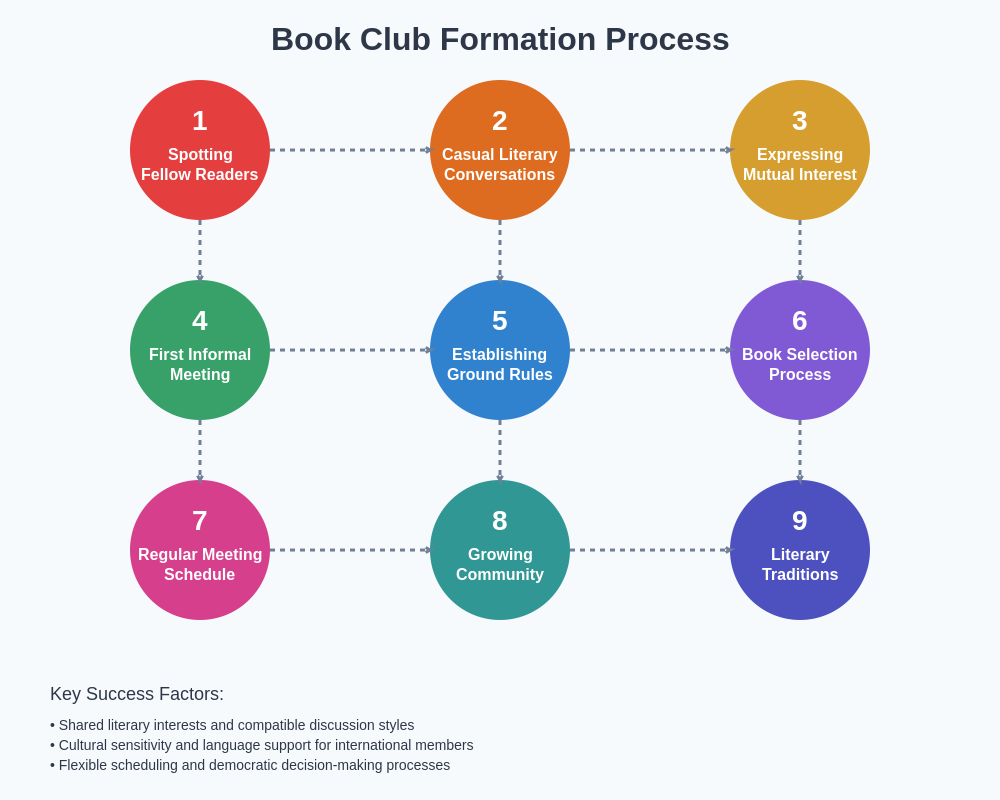
The formation process of these literary circles often begins with seemingly insignificant moments such as noticing someone reading an intriguing book in the common area, discovering shared enthusiasm for particular genres during casual conversations, or overhearing passionate discussions about recent literary discoveries that spark curiosity and invite participation from other residents who harbor similar intellectual interests.
The Natural Evolution of Literary Communities
Within the intimate environment of shared living spaces, book clubs emerge through organic social dynamics rather than formal organizational structures, allowing literature enthusiasts to connect authentically over their shared passion for storytelling, critical analysis, and intellectual exploration. Making friends through Tokyo sharehouse communities often begins with these intellectual connections that transcend surface-level social interactions.
The initial spark typically occurs when residents notice each other’s reading habits, whether through books left in common areas, discussions about literary preferences during meals, or observations about reading routines that naturally evolve into deeper conversations about plot developments, character analysis, and thematic interpretations that reveal shared intellectual wavelengths.
International residents bring diverse literary perspectives shaped by their cultural backgrounds, educational experiences, and native language traditions, creating rich discussions that explore how different cultures approach storytelling, character development, and thematic exploration. This multicultural dimension adds layers of complexity and insight that mono-cultural book clubs often lack, enhancing the overall reading experience for all participants.
The informal nature of sharehouse book clubs allows for flexibility in structure, meeting frequency, and book selection processes that accommodate varying schedules, reading speeds, and literary preferences while maintaining the core focus on meaningful literary discussion and shared intellectual growth.
Identifying Fellow Literature Enthusiasts
Recognition of potential book club members often happens through subtle observations of reading behaviors, literary references in conversations, and expressions of interest when others discuss their current reading materials. Living with Japanese roommates in Tokyo sharehouses frequently reveals how literary interests can bridge cultural gaps and create meaningful cross-cultural friendships.
Visual cues play significant roles in identifying fellow readers, including the presence of physical books in personal spaces, participation in literary discussions during social gatherings, and expressions of genuine curiosity when others mention their reading experiences. These indicators help literature enthusiasts locate like-minded individuals within the broader sharehouse community.
Casual conversations during shared meals, evening relaxation periods, or weekend activities often reveal literary preferences, reading habits, and intellectual curiosities that suggest compatibility for book club participation. The key lies in recognizing authentic enthusiasm rather than polite interest, ensuring that core members genuinely share passion for literary exploration and discussion.
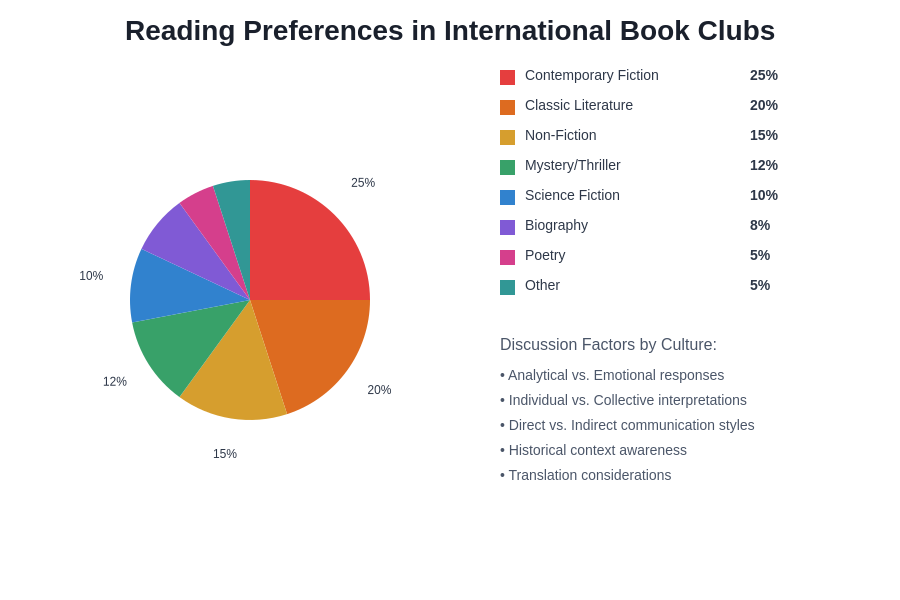
Common interests extend beyond simple genre preferences to include approaches to reading, discussion styles, and intellectual curiosity levels that determine group compatibility. Some residents prefer analytical discussions that dissect literary techniques, while others enjoy emotional responses and personal connections to characters and themes.
Establishing Group Dynamics and Structure
The formation of effective book clubs requires careful attention to group dynamics that balance diverse personalities, reading preferences, and discussion styles while maintaining inclusive atmospheres that welcome different perspectives and literary backgrounds. How to handle roommate conflicts without moving out principles apply equally to managing book club disagreements and maintaining harmonious literary discussions.
Initial meetings focus on establishing ground rules, discussion formats, and selection processes that accommodate various literary tastes, reading speeds, and scheduling constraints while ensuring all members feel valued and heard during group discussions. The democratic nature of these decisions helps build ownership and commitment among participants.
Group size considerations balance intimate discussion environments with diverse perspectives, typically ranging from four to eight core members who attend regularly while remaining open to occasional participation from other interested residents. This flexibility accommodates varying schedules while maintaining continuity in discussions and relationships.
Leadership roles often emerge naturally based on organizational skills, literary knowledge, and enthusiasm for coordinating meetings rather than formal appointment processes. Rotating responsibilities prevents burnout and allows different members to contribute their unique strengths to group management and discussion facilitation.
Book Selection Strategies and Processes
The democratic book selection process represents one of the most critical aspects of successful book club formation, requiring systems that balance individual preferences with group consensus while ensuring variety in genres, authors, and cultural perspectives. Japanese sharehouse rules every foreigner should know often influence how decision-making processes develop within these literary communities.
Rotation systems allow each member to suggest books while considering factors such as length, availability, translation quality, and thematic relevance to group interests. This approach ensures everyone feels invested in the selection process while exposing the group to literary works they might not have discovered independently.
Genre diversity keeps discussions fresh and challenges members to explore unfamiliar literary territories, from contemporary fiction and classic literature to non-fiction works, poetry collections, and translated works that represent different cultural perspectives and storytelling traditions from around the world.
Practical considerations include book availability in local bookstores, digital format accessibility, cost factors for international residents managing limited budgets, and reading difficulty levels that accommodate non-native speakers while maintaining intellectual rigor and meaningful discussion opportunities.
The timing of selections often follows monthly or bi-monthly cycles that provide adequate reading time while maintaining momentum and engagement. Shorter works may be interspersed with longer novels to accommodate busy periods and maintain consistent meeting schedules that work for all participants.
Creating Discussion Frameworks
Effective discussion structures enhance literary conversations by providing frameworks that encourage deeper analysis while remaining accessible to readers with varying levels of literary background and critical thinking experience. How cultural differences affect friendship building influences how book club members approach literary interpretation and discussion styles.
Question preparation helps guide conversations beyond simple plot summaries toward thematic analysis, character development exploration, and connections between literary works and broader cultural or personal experiences. Members often take turns preparing discussion questions that reflect their interests and analytical approaches.
Cultural context discussions become particularly rich in international book clubs where members can provide insights into cultural references, historical backgrounds, and social contexts that enhance understanding for readers from different cultural backgrounds. This educational aspect adds valuable dimensions to literary analysis.
Personal response sharing creates intimate connections between readers and texts while building empathy and understanding among group members who may interpret characters and situations differently based on their life experiences and cultural backgrounds.
The balance between structured analysis and organic conversation allows for both intellectual rigor and emotional connection, ensuring discussions remain engaging for participants with different learning styles and discussion preferences.
Overcoming Language and Cultural Barriers
International book clubs face unique challenges related to language proficiency, cultural references, and varying literary traditions that require patience, understanding, and creative solutions to ensure all members can participate meaningfully in discussions. How language barriers prevent deep friendships affects literary discussions but can be overcome through supportive group dynamics.
Non-native speakers often bring valuable perspectives to literary analysis while requiring additional support with complex language, cultural references, and nuanced interpretations that native speakers might take for granted. Creating supportive environments where questions are welcomed enhances everyone’s understanding.
Translation considerations become important when selecting books, as members may read different language versions of the same work, leading to interesting discussions about how translation choices affect interpretation and meaning. These conversations often reveal fascinating insights into language and culture.
Cultural explanation exchanges enrich discussions as members share background information about cultural contexts, historical references, and social situations that may be unfamiliar to international participants. This educational aspect strengthens both literary understanding and cross-cultural friendships.
Vocabulary support systems develop naturally as members help each other with difficult passages, unfamiliar words, and complex concepts, creating collaborative learning environments that benefit everyone involved while building stronger community bonds.
Managing Scheduling and Logistics
Practical considerations such as meeting schedules, location arrangements, and communication systems require careful coordination to accommodate international residents with varying work schedules, time zone considerations for family communications, and social commitments. How commute times impact work performance affects when residents are available for evening book club meetings.
Flexible scheduling approaches accommodate shift workers, students with varying class schedules, and professionals with unpredictable work demands while maintaining regular meeting rhythms that preserve group continuity and momentum. Alternative participation methods help include members who occasionally miss meetings.
Location rotation among common areas prevents monopolization of specific spaces while providing variety in meeting environments that can enhance discussion dynamics. Weather considerations and seasonal changes may influence location choices and meeting formats.
Digital communication tools help coordinate schedules, share reading progress updates, and maintain connections between meetings through messaging groups where members can share thoughts, ask questions, or recommend related materials that enhance their reading experiences.
Meeting duration considerations balance thorough literary discussion with other sharehouse activities and individual schedules, typically ranging from ninety minutes to two hours depending on book complexity and group dynamics.
Dealing with Conflicting Opinions and Preferences
Literary discussions naturally generate disagreements about character motivations, thematic interpretations, and artistic merit that require diplomatic handling to maintain group harmony while encouraging honest intellectual exchange. How conflict resolution styles differ by culture influences how book club disagreements are managed and resolved.
Respectful disagreement frameworks help members express opposing viewpoints constructively while maintaining personal relationships and group cohesion. Learning to separate literary criticism from personal attacks strengthens both analytical skills and interpersonal relationships within the group.
Diverse taste accommodation requires compromise and openness to reading outside personal comfort zones while respecting individual preferences and limitations. Not every book will appeal to every member, and accepting this reality prevents disappointment and conflict.
Critical thinking development flourishes when members challenge each other’s interpretations respectfully, providing evidence from the text to support their viewpoints while remaining open to alternative perspectives that may enhance their understanding of complex literary works.
Group mediation techniques help resolve more serious disagreements about book selections, meeting formats, or participation expectations that could potentially disrupt group harmony if left unaddressed.
Building Long-term Literary Communities
Sustainable book clubs evolve beyond simple reading groups into intellectual communities that support members’ personal growth, cultural understanding, and lifelong learning goals while adapting to changing membership and circumstances. How to find perfect sharehouse tokyo often includes considerations about intellectual community opportunities.
Tradition establishment creates group identity through recurring activities such as annual reading challenges, author birthday celebrations, or themed reading months that build shared memories and strengthen community bonds beyond regular meeting schedules.
Member transition management addresses the natural turnover that occurs in sharehouse communities as residents move, change circumstances, or develop different interests. Welcoming new members while maintaining group culture requires intentional effort and inclusive practices.
Legacy creation through book recommendations lists, discussion summaries, or literary event organization helps preserve the group’s intellectual contributions while inspiring future literature enthusiasts within the sharehouse community.
External connection building may involve attending literary events, visiting bookstores together, or participating in broader Tokyo literary community activities that expand horizons beyond the sharehouse environment while strengthening internal group bonds.
Expanding Beyond Traditional Reading
Modern book clubs often evolve to include multimedia elements such as author interviews, literary podcasts, and film adaptations that enrich understanding while accommodating different learning styles and interests. How digital entertainment replaces social interaction can be balanced by incorporating technology thoughtfully into literary discussions.
Creative activities such as writing exercises, character analysis projects, or thematic research presentations allow members to engage with literature more actively while developing their own analytical and creative skills through collaborative projects that strengthen group bonds.
Literary event organization may include author readings, poetry nights, or themed discussions that create special occasions for deeper literary engagement while building connections with Tokyo’s broader literary community and cultural scene.
Cross-cultural literary exchanges with book clubs in other countries or communities can expand perspectives and create international connections that enhance the global understanding of literature and cultural differences through shared reading experiences.
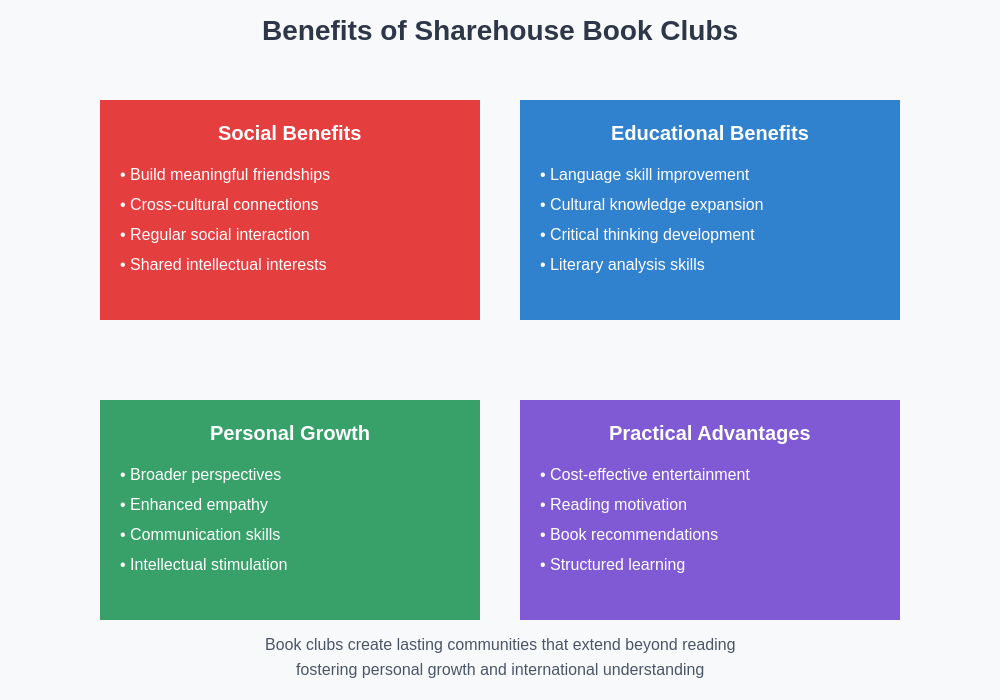
The transformation of casual reading conversations into structured literary communities demonstrates the power of shared intellectual pursuits to create meaningful connections among international residents navigating life in Tokyo’s complex urban environment. These book clubs become more than simple discussion groups, evolving into support systems that provide intellectual stimulation, cultural exchange, and lasting friendships built on the foundation of shared literary appreciation and mutual respect for diverse perspectives.
Disclaimer
This article is for informational purposes only and reflects general observations about book club formation in shared living environments. Individual experiences may vary based on personal circumstances, sharehouse demographics, and cultural factors. The effectiveness of strategies mentioned depends on group dynamics, member commitment, and specific community characteristics that differ among various sharehouses and residents.