The growing awareness of carbon footprints has fundamentally transformed how residents approach daily lifestyle choices within Tokyo sharehouses, creating ripple effects that extend far beyond individual decisions to reshape entire community dynamics and living philosophies. This environmental consciousness represents more than a passing trend; it has evolved into a powerful force that influences everything from housing selection criteria to daily consumption patterns, transportation decisions, and social interactions among international residents navigating life in one of the world’s most energy-intensive metropolitan areas.
Understanding how carbon footprint awareness shapes lifestyle choices becomes increasingly crucial as environmental concerns gain prominence in global consciousness and Japanese society embraces sustainability initiatives that affect housing markets, urban planning, and community living standards. The intersection of environmental awareness and sharehouse living creates unique opportunities for collective impact while presenting challenges that require careful balance between personal values, practical constraints, and community harmony.
The Evolution of Environmental Consciousness in Shared Living
Environmental awareness has undergone a dramatic transformation within Tokyo’s sharehouse communities over the past decade, shifting from peripheral concern to central decision-making factor that influences resident selection, house rules, and daily operational procedures. Understanding why environmental consciousness varies by generation reveals how different age groups approach sustainability challenges with varying levels of commitment and practical implementation strategies.
Modern sharehouse residents increasingly prioritize environmental factors when evaluating potential living situations, seeking properties that demonstrate commitment to sustainability through energy-efficient appliances, waste reduction programs, and environmentally conscious management practices. This shift has prompted property operators to integrate green initiatives not merely as marketing tools but as essential features that attract and retain environmentally conscious tenants who view sustainable living as non-negotiable lifestyle requirements.
The collective nature of sharehouse living amplifies individual environmental awareness by creating peer pressure dynamics and shared responsibility systems that encourage residents to maintain consistent sustainable practices even when personal motivation wavers. Community discussions about environmental impact often lead to spontaneous education sessions where residents share knowledge about local recycling procedures, energy conservation techniques, and sustainable consumption alternatives that benefit both individual carbon footprints and collective environmental impact.
Transportation Choices and Mobility Patterns
Transportation decisions represent one of the most significant areas where carbon footprint awareness directly influences daily lifestyle choices, fundamentally altering how sharehouse residents approach commuting, leisure travel, and social activities throughout Tokyo’s extensive metropolitan area. How bicycle ownership affects daily routines demonstrates how environmentally motivated transportation choices create cascading effects on social schedules, exercise habits, and community interactions.
The adoption of sustainable transportation methods extends beyond simple mode selection to encompass comprehensive lifestyle restructuring that affects work schedules, social planning, and recreational activities. Environmentally conscious residents often coordinate transportation with housemates to maximize efficiency through carpooling, shared bicycle maintenance, and group travel planning that reduces individual carbon contributions while fostering stronger community bonds through shared environmental goals.
Public transportation optimization becomes an art form among carbon-conscious sharehouse residents who develop sophisticated understanding of Tokyo’s rail network efficiency, timing patterns, and energy consumption variations that allow them to minimize environmental impact while maintaining practical mobility needs. Why late night transportation limits social life illustrates how environmental transportation choices intersect with social activities and require creative solutions for maintaining active community participation.
Weather-dependent transportation flexibility allows environmentally conscious residents to adapt daily travel choices based on seasonal conditions, air quality measurements, and personal energy levels while maintaining commitment to sustainable mobility practices that align with long-term environmental goals and immediate practical requirements.
Energy Consumption and Household Management
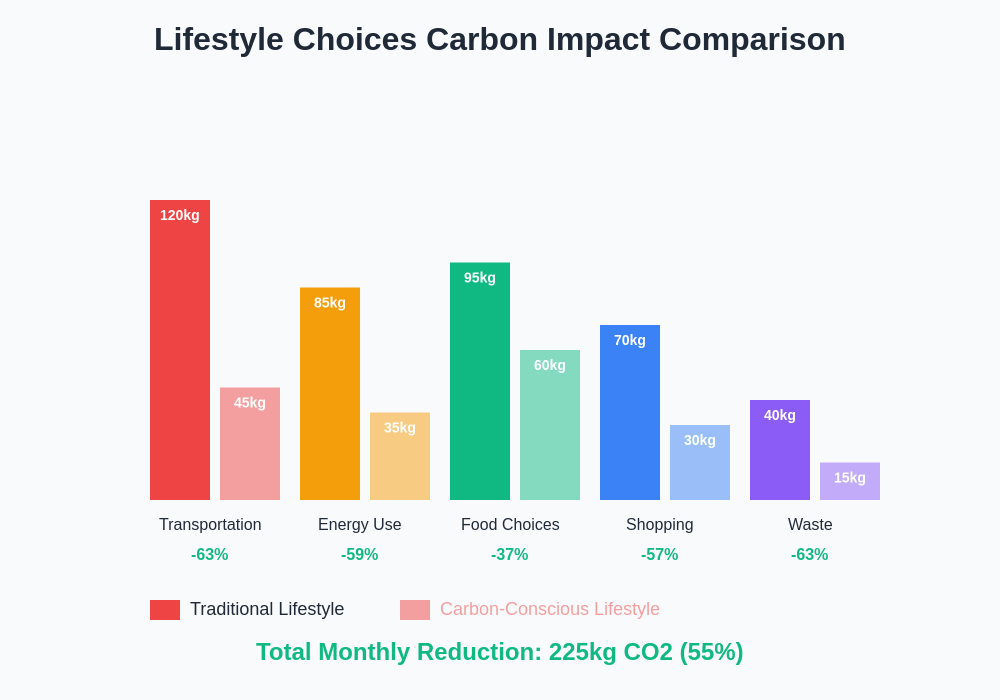
Household energy consumption patterns undergo radical transformation when sharehouse residents develop heightened carbon footprint awareness, leading to sophisticated monitoring systems, collective conservation strategies, and innovative approaches to reducing environmental impact without sacrificing comfort or convenience. How smart thermostats reduce utility conflicts explores how technology integration supports environmental goals while maintaining household harmony and individual comfort preferences.
Collective energy monitoring creates transparent accountability systems where residents can observe individual and group consumption patterns, encouraging natural competition toward conservation goals while identifying opportunities for efficiency improvements through behavioral changes and technological upgrades. These systems often reveal surprising consumption patterns that prompt discussions about optimal appliance usage, heating and cooling strategies, and personal habits that significantly impact overall household environmental footprint.
Seasonal energy management strategies reflect deep understanding of Tokyo’s climate patterns and building characteristics, allowing environmentally conscious residents to minimize consumption during peak demand periods while maintaining comfortable living conditions through natural cooling techniques, layered clothing approaches, and strategic use of common areas that optimize heating and cooling efficiency across shared spaces.
Equipment sharing and collective purchasing initiatives emerge naturally from carbon footprint awareness as residents recognize opportunities to reduce individual consumption through coordinated appliance usage, shared entertainment systems, and bulk purchasing of energy-efficient devices that benefit entire household communities while reducing per-person environmental impact.
Food Choices and Consumption Patterns
Dietary decisions represent perhaps the most complex intersection between carbon footprint awareness and daily lifestyle choices, encompassing local sourcing preferences, seasonal eating patterns, protein consumption modifications, and waste reduction strategies that require careful coordination among diverse cultural backgrounds and personal preferences within sharehouse environments. How dietary restrictions complicate meal planning reveals how environmental food choices interact with cultural dietary requirements to create challenging but rewarding community meal coordination.
Local and seasonal food sourcing becomes central to environmentally conscious eating patterns, with residents developing detailed knowledge of Tokyo’s agricultural seasons, regional specialties, and transportation-efficient food distribution systems that minimize carbon impact while supporting local economy and ensuring fresh, high-quality nutrition that aligns with both environmental and health goals.
Plant-based eating trends gain momentum through peer influence and collective meal planning that makes vegetarian and vegan options more accessible, affordable, and socially acceptable within diverse international communities where traditional meat consumption patterns vary significantly across cultural backgrounds and personal preferences. How food waste increases in shared kitchens addresses how environmental awareness motivates innovative waste reduction strategies and meal coordination systems.
Community gardening initiatives and container farming projects allow sharehouse residents to directly produce portions of their food consumption while learning about agricultural processes, seasonal growing cycles, and food security issues that deepen understanding of environmental food systems and create tangible connections between daily consumption choices and environmental impact.
Waste Management and Circular Economy Practices
Waste reduction and circular economy implementation become central organizing principles for environmentally conscious sharehouse communities that develop sophisticated systems for minimizing consumption, maximizing reuse opportunities, and optimizing recycling processes that go far beyond basic municipal requirements. Understanding recycling rules that vary by Tokyo ward provides essential foundation knowledge for residents committed to comprehensive waste reduction strategies.
Creative reuse projects and repair initiatives flourish in environmentally aware sharehouses where residents pool skills, tools, and materials to extend product lifespans through collaborative maintenance, artistic repurposing, and innovative problem-solving that reduces waste generation while fostering community creativity and resourcefulness. These activities often become social events that strengthen household bonds while advancing environmental goals.
Packaging reduction strategies require coordination with local merchants, delivery services, and online retailers to minimize unnecessary wrapping materials, optimize bulk purchasing opportunities, and select vendors that demonstrate commitment to sustainable packaging practices aligned with household environmental values and practical convenience requirements.
Composting and organic waste management systems adapted to urban apartment living allow residents to process food scraps and organic materials through compact, odor-controlled methods that produce useful soil amendments for container gardens while dramatically reducing household waste volume sent to municipal processing facilities.
Consumer Behavior and Purchasing Decisions
Shopping patterns undergo fundamental restructuring as carbon footprint awareness influences every aspect of consumer decision-making, from product selection criteria and vendor evaluation to timing strategies and purchase coordination that maximize environmental benefits while maintaining budget constraints and practical functionality requirements. How group buying power reduces individual costs demonstrates how environmental goals align with economic advantages through coordinated purchasing strategies.
Product lifecycle analysis becomes second nature to environmentally conscious consumers who evaluate purchases based on manufacturing processes, transportation distances, usage duration expectations, and end-of-life disposal options that minimize environmental impact across entire product lifecycles rather than focusing solely on initial purchase prices or immediate functionality.
Local business support and community economic integration reflect understanding that environmental impact extends beyond carbon emissions to encompass economic sustainability, community resilience, and social responsibility that create positive feedback loops between consumer choices and local environmental conditions.
Quality investment strategies prioritize durable, repairable products that justify higher initial costs through extended lifespans, reduced replacement frequency, and lower long-term environmental impact compared to disposable alternatives that create ongoing waste streams and resource consumption patterns.
Technology Integration and Digital Lifestyle Adaptations
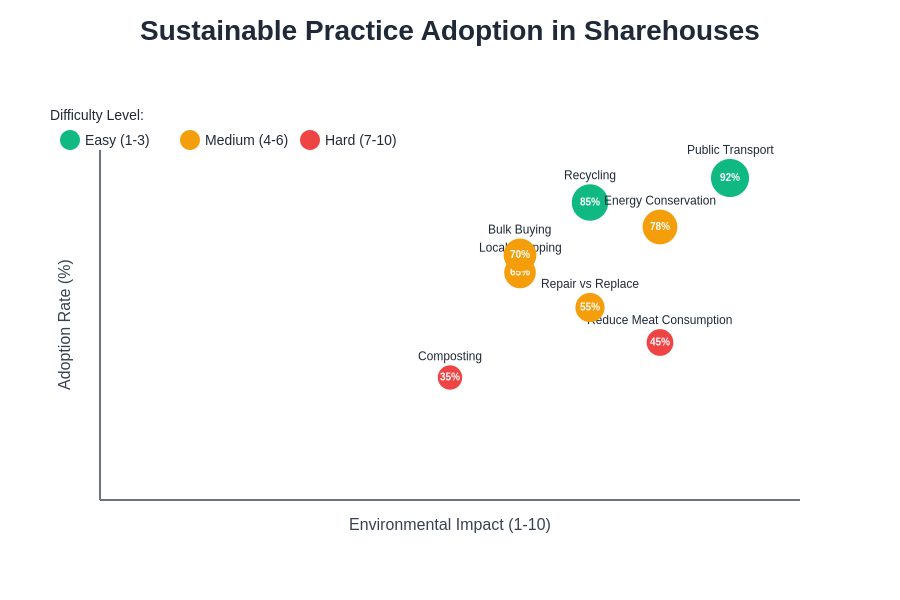
Digital tools and applications designed to support environmental awareness become integral components of daily routine management, providing real-time feedback on consumption patterns, carbon footprint calculations, and optimization suggestions that help residents make informed decisions about energy usage, transportation choices, and consumption patterns. How smart home features change daily routines explores technological integration that supports environmental goals.
Sharing economy participation expands beyond traditional car-sharing and bike-sharing programs to encompass tool libraries, clothing swaps, skill exchanges, and collaborative consumption networks that reduce individual ownership requirements while maintaining access to necessary goods and services through community coordination and digital platform integration.
Remote work optimization and digital communication preferences reflect understanding that reduced commuting and business travel significantly impact personal carbon footprints while potentially improving work-life balance and community engagement opportunities within sharehouse environments that support flexible lifestyle arrangements.
Energy monitoring applications and consumption tracking systems provide granular data about individual and household environmental impact, enabling residents to identify optimization opportunities and track progress toward sustainability goals while maintaining transparency and accountability within shared living arrangements.
Social Dynamics and Community Building Around Environmental Values
Environmental consciousness creates powerful bonding mechanisms within sharehouse communities where shared values translate into collaborative projects, mutual support systems, and collective action initiatives that strengthen social relationships while advancing environmental goals through group commitment and peer accountability systems. How environmental activism isnt always welcome addresses potential conflicts that arise when environmental enthusiasm meets practical constraints or diverse value systems.
Educational initiatives and knowledge sharing sessions emerge organically as residents with environmental expertise teach practical skills like composting, energy conservation, sustainable cooking, and local sourcing techniques that benefit entire household communities while fostering personal relationships built around shared learning experiences and mutual support.
Conflict resolution around environmental practices requires sophisticated communication skills and cultural sensitivity as residents navigate differences in environmental commitment levels, practical constraints, and cultural backgrounds that affect willingness and ability to adopt sustainable lifestyle practices within shared living environments.
Group decision-making processes for environmental initiatives must balance individual preferences, practical limitations, financial constraints, and collective goals while maintaining community harmony and ensuring that environmental consciousness enhances rather than disrupts positive household dynamics and resident satisfaction.
Economic Implications and Financial Trade-offs
The financial dimensions of environmentally conscious lifestyle choices create complex decision-making scenarios where residents must balance environmental goals with budget constraints, long-term value calculations, and collective financial planning that affects both individual and household economic sustainability. Why some eco-friendly products cost more examines how environmental choices interact with financial realities in shared living situations.
Investment strategies in energy-efficient appliances, sustainable transportation options, and durable goods require coordination among housemates who may have different financial capabilities, environmental priorities, and timeline expectations for realizing economic benefits from environmental investments that often involve higher upfront costs but lower long-term expenses.
Utility cost distribution and energy conservation incentives create opportunities for residents to directly benefit financially from environmental consciousness while contributing to collective household savings that can be reinvested in additional sustainability improvements or shared amenities that enhance community quality of life.
Budget reallocation toward environmental priorities often requires residents to reduce spending in other lifestyle areas while discovering that many sustainable practices actually reduce overall living costs through waste reduction, energy conservation, and collaborative consumption strategies that maximize value while minimizing environmental impact.
Cultural Integration and Global Perspectives
International residents bring diverse environmental awareness backgrounds and cultural approaches to sustainability that create rich learning environments where Japanese environmental practices intersect with global sustainability movements to produce innovative hybrid approaches tailored to Tokyo sharehouse living conditions. How cultural differences affect friendship building explores how environmental values can bridge or complicate cross-cultural relationships.
Local environmental regulation compliance and community standards require residents to understand Japanese environmental policies, neighborhood expectations, and cultural approaches to sustainability that may differ significantly from home country practices while offering opportunities to learn alternative environmental strategies and contribute to local sustainability initiatives.
Global climate change discussions within diverse sharehouse communities provide platforms for sharing international perspectives on environmental challenges while developing local action strategies that reflect both global awareness and practical adaptation to Tokyo’s specific environmental conditions and cultural context.
Cultural celebration integration with environmental consciousness allows residents to maintain important cultural traditions while adapting practices to align with sustainability goals, creating fusion approaches that honor cultural heritage while demonstrating commitment to environmental responsibility and community values.
Long-term Impact and Behavioral Change Sustainability
The permanence of lifestyle changes motivated by carbon footprint awareness depends heavily on community support systems, practical feasibility, and personal satisfaction derived from environmental actions that must compete with convenience, cost, and social pressures that can undermine long-term commitment to sustainable practices. Why some residents resist environmental changes addresses challenges in maintaining environmental consciousness over time.
Habit formation and routine integration strategies that successfully embed environmental considerations into daily decision-making processes create sustainable behavioral patterns that persist beyond sharehouse living experiences to influence long-term lifestyle choices and consumer patterns throughout residents’ lives and future living situations.
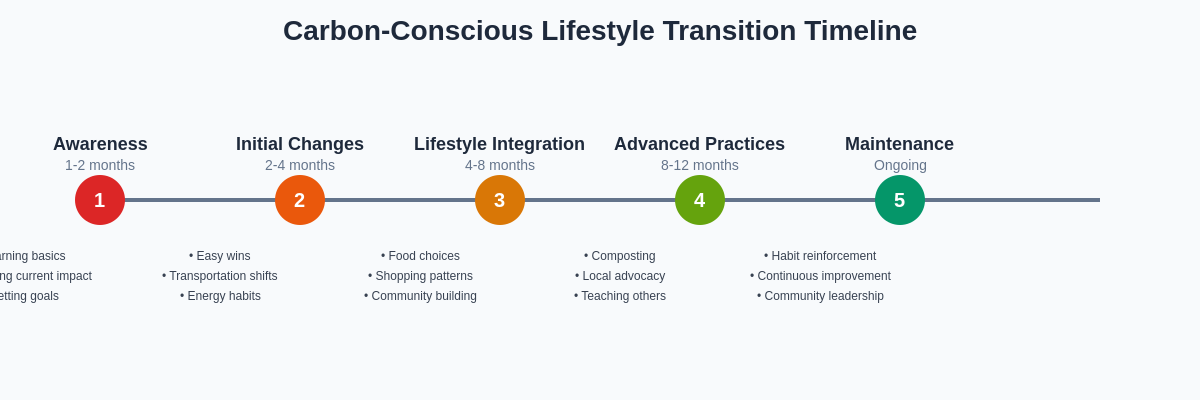
Measurement and feedback systems that provide ongoing assessment of environmental impact help residents maintain motivation and adjust strategies based on effectiveness measurements while celebrating progress and identifying areas for continued improvement in personal and collective environmental performance.
Community legacy development ensures that environmental initiatives and knowledge sharing continue beyond individual resident turnover, creating institutional memory and ongoing commitment to sustainability that benefits future sharehouse communities while contributing to broader environmental awareness within Tokyo’s international resident networks.
The transformation of lifestyle choices through carbon footprint awareness represents a fundamental shift in how individuals approach daily decisions within shared living environments, demonstrating that environmental consciousness can enhance rather than complicate community living while creating meaningful opportunities for personal growth, cultural exchange, and collective action toward sustainability goals that extend far beyond individual housing choices to influence broader social and environmental systems throughout Tokyo’s dynamic international community.
Disclaimer
This article is for informational purposes only and does not constitute professional environmental or lifestyle advice. Carbon footprint awareness and sustainability practices may vary significantly based on individual circumstances, cultural backgrounds, and practical constraints. Readers should research local environmental regulations and consider their specific situations when implementing lifestyle changes. The effectiveness of environmental practices mentioned may vary depending on building conditions, community dynamics, and regional environmental policies.