Living in a Tokyo sharehouse presents fascinating opportunities to witness and participate in diverse celebration styles that reflect the rich tapestry of cultural backgrounds represented among international residents. The ways different cultures approach festivities, mark special occasions, and express joy through communal activities create complex social dynamics that can either foster deep connections or generate unexpected conflicts within shared living spaces.
Understanding these cultural nuances becomes essential for maintaining harmony in multicultural environments where residents from various continents bring their unique traditions, expectations, and celebration philosophies into close proximity. The intersection of different cultural celebration styles in sharehouses often produces unexpected learning opportunities while simultaneously challenging preconceived notions about appropriate social behavior and community participation.
The Spectrum of Cultural Celebration Approaches
Different cultures demonstrate remarkably varied approaches to celebration intensity, duration, planning requirements, and social expectations that directly impact sharehouse dynamics. Some cultures emphasize elaborate advance preparation and formal invitation processes, while others favor spontaneous gatherings that develop organically through casual social interaction and shared enthusiasm for momentary joy.
Western celebration traditions often prioritize individual milestone recognition through birthday parties, graduation celebrations, and personal achievement acknowledgments that center around the individual being honored. These celebrations typically involve gift-giving customs, decorative preparations, and structured activities designed to highlight the celebrant’s importance while creating memorable experiences for all participants.
Making friends through Tokyo sharehouse communities reveals how celebration participation often serves as the foundation for building lasting relationships across cultural boundaries. The willingness to embrace different celebration styles frequently determines social integration success and long-term community satisfaction within diverse living environments.
Asian celebration cultures demonstrate strong emphasis on collective participation, seasonal observances, and respect for traditional customs that honor family connections and cultural heritage. These celebrations often involve specific food preparation requirements, ceremonial elements, and intergenerational knowledge sharing that can create rich learning experiences for international participants willing to engage respectfully with unfamiliar traditions.
Gift-Giving Customs and Financial Expectations
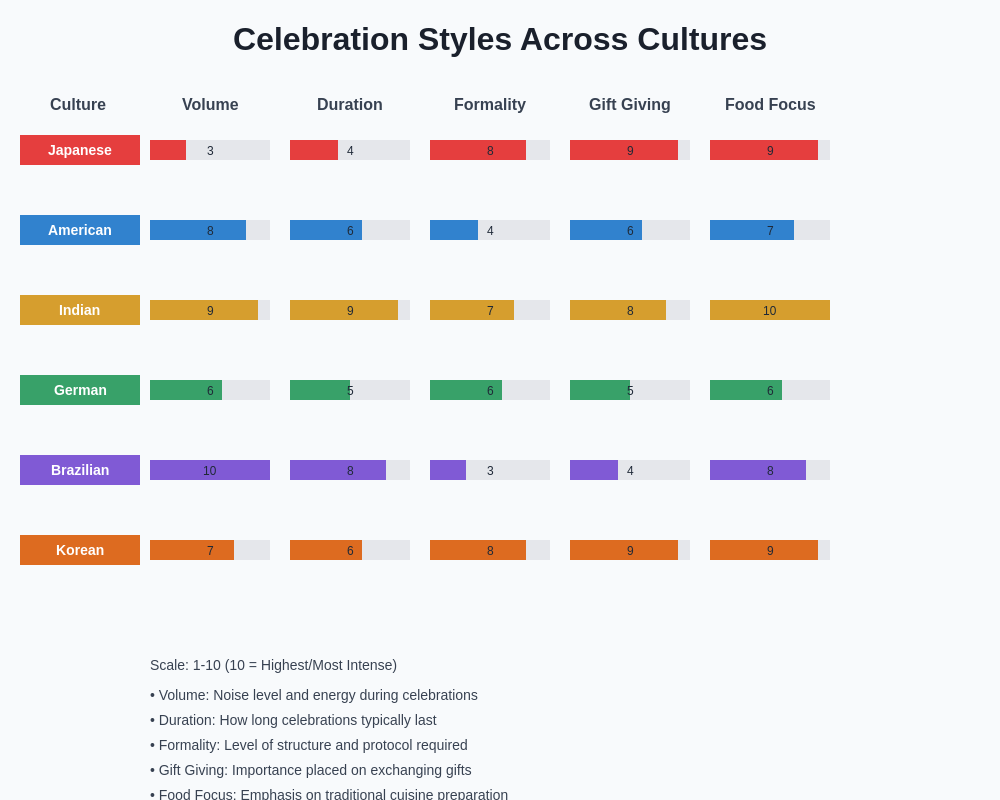
The economic dimensions of celebrations vary dramatically across cultures, creating potential tension points when residents operate under different assumptions about appropriate spending levels, gift exchange expectations, and financial contribution requirements. Some cultures view elaborate gift-giving as essential expressions of friendship and respect, while others prioritize shared experiences over material exchanges.
Japanese gift-giving culture involves intricate considerations of relationship hierarchy, occasion appropriateness, and reciprocal obligation systems that can confuse international residents unfamiliar with these complex social protocols. Understanding utility bills in Japanese sharehouses often becomes relevant when celebration costs impact shared expenses and budget planning discussions among housemates.
Western cultures typically embrace more casual gift-giving approaches that emphasize personal thoughtfulness over monetary value, allowing participants to contribute according to their financial capabilities without creating social pressure or embarrassment. However, these relaxed attitudes can sometimes be interpreted as lack of respect or insufficient appreciation by cultures that place greater emphasis on formal gift presentation and expensive offerings.
The financial burden of frequent celebrations can create particular challenges for students and young professionals managing tight budgets while trying to maintain positive social relationships within their sharehouse communities. Living costs in Tokyo sharehouses explained provides context for understanding how celebration expenses impact overall living budgets and financial planning strategies.
Food Culture and Dietary Considerations
Culinary traditions form central components of most cultural celebrations, bringing together complex considerations of dietary restrictions, preparation methods, ingredient availability, and sharing customs that can significantly impact sharehouse kitchen usage and social dynamics. Different cultures demonstrate varying approaches to communal cooking, food sharing protocols, and mealtime social interaction expectations.
Religious dietary restrictions create additional complexity layers when planning inclusive celebrations that accommodate diverse faith backgrounds while maintaining authentic cultural expression. How dietary restrictions complicate meal planning explores the practical challenges of creating celebration menus that respect various cultural and religious requirements without compromising traditional authenticity.
Asian celebration foods often require specialized ingredients, extended preparation times, and specific cooking techniques that may challenge standard sharehouse kitchen facilities and equipment availability. The sharing of traditional recipes and cooking methods during celebrations frequently becomes a powerful vehicle for cultural exchange and relationship building among residents from different backgrounds.
Western celebration foods typically emphasize convenience and individual preference accommodation, allowing for easier adaptation to dietary restrictions and kitchen resource limitations. However, these pragmatic approaches may lack the ceremonial significance and cultural depth that other traditions associate with proper celebration food preparation and presentation.
Music and Entertainment Preferences
Musical traditions and entertainment choices during celebrations reveal deep cultural values regarding community participation, noise levels, time boundaries, and appropriate social behavior that can create significant friction in shared living environments. Some cultures embrace loud, energetic celebration styles that extend late into the night, while others prefer quiet, intimate gatherings with minimal disruption to household routines.
How music preferences clash in shared spaces addresses the common conflicts that arise when different musical traditions meet in confined living spaces during celebration events. The challenge of balancing cultural authenticity with respect for neighbors and housemates requires careful negotiation and compromise among all parties involved.
Dancing traditions vary enormously across cultures, from formal choreographed performances that require significant space and preparation to spontaneous movement expressions that emerge naturally from musical inspiration. These different approaches to physical celebration can create awkwardness or excitement depending on participants’ comfort levels and cultural familiarity with various dance forms.
Entertainment technology preferences also differ significantly, with some cultures embracing karaoke systems, video displays, and electronic music enhancement while others prioritize acoustic instruments, storytelling traditions, and conversation-based social interaction. How karaoke sessions reveal personality differences illustrates how these entertainment choices often expose deeper cultural values and social expectations.
Time Concepts and Duration Expectations
Cultural attitudes toward time significantly influence celebration planning, duration expectations, and social courtesy considerations that can create misunderstandings between residents operating under different temporal frameworks. Some cultures view precise scheduling and punctual arrival as essential respect demonstrations, while others embrace flexible timing and organic event evolution.
The concept of appropriate celebration duration varies dramatically, with some cultures expecting brief, focused gatherings that conclude at predetermined times while others anticipate extended social events that continue until natural conclusion through participant fatigue or mutual agreement. These different temporal expectations can create practical challenges regarding noise management, shared space usage, and daily routine disruption.
How work location should influence sharehouse choice becomes relevant when considering how professional schedules and cultural celebration timing intersect within sharehouse communities. Residents with demanding work commitments may struggle to participate in extended celebration traditions while maintaining their professional responsibilities and personal well-being.
Planning timelines also reflect cultural values, with some traditions requiring weeks or months of advance preparation involving multiple community members, while others celebrate spontaneous joy through immediate gathering and impromptu festivity creation. These different approaches to celebration organization can create coordination challenges and participation inequities within diverse sharehouse communities.
Space Usage and Decoration Philosophies
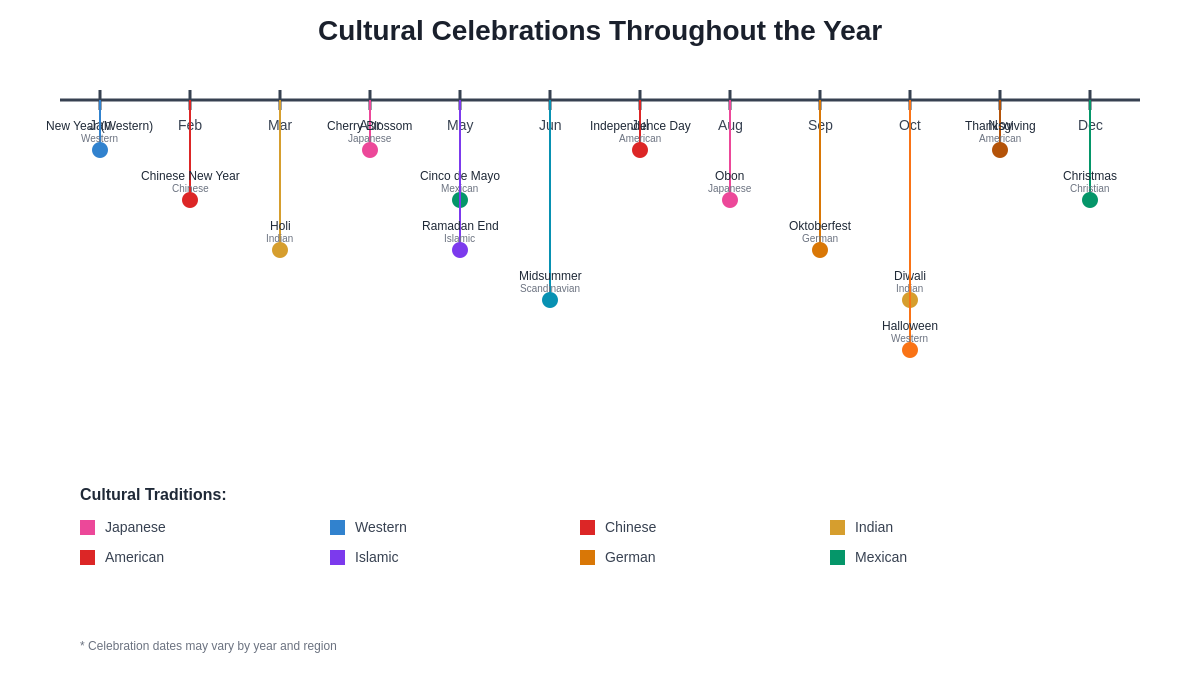
Different cultures demonstrate distinct approaches to space transformation during celebrations, ranging from minimal environmental modification to elaborate decorative installations that completely alter the appearance and atmosphere of shared living areas. These varying decoration philosophies can create conflicts over resource allocation, cleanup responsibilities, and aesthetic preferences among housemates.
Some celebration traditions require extensive space rearrangement, furniture relocation, and temporary installation of cultural decorations that may interfere with daily household routines and other residents’ space usage needs. How art projects take over common areas explores similar dynamics when creative activities compete with practical living requirements in shared environments.
Sacred or ceremonial space creation represents particularly sensitive territory when different religious and cultural traditions require specific environmental conditions that may conflict with household rules or other residents’ comfort levels. Understanding these requirements and negotiating appropriate accommodations becomes essential for maintaining community harmony while respecting diverse spiritual practices.
Cleanup expectations and responsibility distribution following celebrations reveal additional cultural differences regarding community obligations, individual accountability, and appropriate post-event behavior. Some cultures emphasize immediate restoration of shared spaces while others expect gradual cleanup processes that extend over several days following major celebration events.
Communication Styles During Celebrations
The ways different cultures express joy, appreciation, and social connection during celebrations can create communication challenges when verbal and non-verbal expression styles clash within multicultural sharehouse environments. High-context cultures that rely heavily on subtle cues and implicit understanding may struggle to connect with low-context celebration styles that emphasize direct expression and explicit communication.
Volume levels and emotional expression intensity vary significantly across cultural backgrounds, with some traditions embracing loud vocalization, enthusiastic physical expression, and dramatic emotional displays while others prefer quiet dignity, restrained behavior, and subtle appreciation demonstration. These different expression styles can create discomfort or misunderstanding among participants unfamiliar with various cultural communication norms.
How language barriers prevent deep friendships becomes particularly relevant during celebrations when emotional expression and cultural sharing create opportunities for deeper connection or increased alienation depending on communication effectiveness and cultural sensitivity among participants.
Humor traditions and entertainment preferences during celebrations often reveal cultural values regarding appropriate social behavior, respect boundaries, and community inclusion expectations that can either build bridges or create division among diverse sharehouse residents attempting to share joyful experiences across cultural boundaries.
Religious and Spiritual Dimensions
Many cultural celebration traditions contain significant religious or spiritual elements that require sensitive navigation within secular sharehouse environments where residents practice different faiths or maintain non-religious worldviews. These spiritual dimensions can create profound meaning for some participants while generating discomfort or exclusion feelings for others who don’t share similar beliefs.
Prayer elements, blessing ceremonies, and sacred ritual components within cultural celebrations require careful consideration regarding inclusion expectations, participation requirements, and respect protocols that honor traditional authenticity while maintaining community accessibility for all residents regardless of their spiritual backgrounds and comfort levels.
How religious considerations affect daily routines provides context for understanding how spiritual practices intersect with shared living dynamics beyond celebration events, creating ongoing considerations for community harmony and mutual respect among residents with diverse faith traditions and secular perspectives.
Seasonal religious observances often involve dietary restrictions, behavioral modifications, and community participation expectations that can impact entire sharehouse communities even when only some residents practice the relevant faith traditions. Balancing respect for religious authenticity with practical living considerations requires ongoing dialogue and compromise among all community members.
Age and Generation Factors
Different generational approaches to celebration within various cultures create additional complexity layers when multiple age groups coexist within sharehouse communities and bring their distinct celebration expectations and energy levels to shared social events. Younger generations often embrace fusion approaches that blend traditional elements with contemporary expression while older residents may prioritize authentic cultural preservation.
Energy levels and physical participation capabilities vary significantly across age groups, creating challenges for celebration planning that accommodates diverse physical abilities and social preferences without excluding any community members based on age-related limitations or generational cultural differences.
How age differences impact sharehouse compatibility explores the broader implications of generational diversity within shared living environments, including celebration styles that reflect different life experiences and cultural exposure levels among residents of varying ages and backgrounds.
Technology integration preferences during celebrations often correlate with generational differences, creating potential conflicts between traditional celebration methods and modern enhancement tools that younger residents may consider essential while older participants view as cultural dilution or unnecessary complexity.
Creating Inclusive Celebration Strategies
Successful multicultural sharehouse communities develop adaptive celebration approaches that honor diverse cultural traditions while creating inclusive experiences that welcome participation from all residents regardless of their cultural backgrounds or familiarity with specific celebration customs. These inclusive strategies require ongoing communication, cultural education, and compromise among all community members.
Rotation systems that allow different cultural groups to lead celebration planning throughout the year can ensure equal representation while providing learning opportunities for residents to experience unfamiliar traditions in authentic contexts guided by knowledgeable cultural practitioners. Living with Japanese roommates in Tokyo sharehouses offers insights into cross-cultural learning opportunities that celebrations can facilitate.
Educational components within celebrations help bridge cultural knowledge gaps while building appreciation for traditions that may initially seem foreign or incomprehensible to participants from different backgrounds. Explanation of cultural significance, historical context, and symbolic meaning transforms celebration participation from mere social activity into meaningful cross-cultural learning experience.
Budget consideration strategies that accommodate varying economic capabilities while maintaining celebration quality and cultural authenticity require creative problem-solving and community cooperation that can strengthen relationships while ensuring no residents feel excluded due to financial limitations or different spending priorities and cultural expectations.
Conflict Resolution and Compromise Techniques
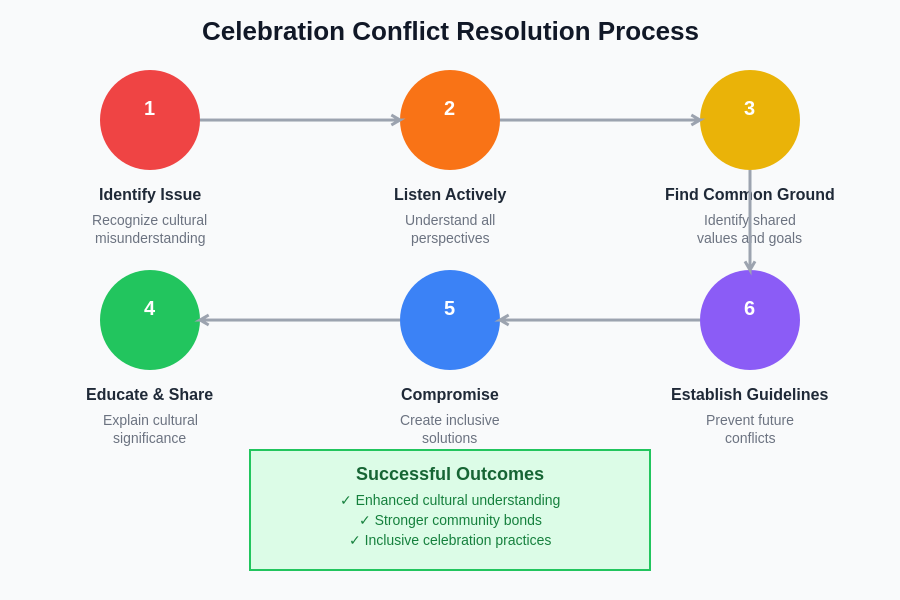
When celebration style differences create tension or misunderstanding within sharehouse communities, effective conflict resolution approaches must address both practical concerns and deeper cultural sensitivity issues that may not be immediately apparent to participants unfamiliar with the cultural contexts involved in the celebration conflicts.
How to handle roommate conflicts without moving out provides general frameworks that apply specifically to celebration-related disputes where cultural differences create ongoing tension requiring systematic resolution approaches rather than simple one-time compromise solutions.
Mediation techniques that acknowledge cultural validity while finding practical solutions help resolve celebration conflicts without forcing any residents to abandon their cultural traditions or feel that their backgrounds are being dismissed or devalued by the community resolution process.
Prevention strategies that establish clear celebration guidelines and communication protocols before conflicts arise prove more effective than reactive approaches that attempt to resolve cultural misunderstandings after they have already damaged community relationships and created lasting resentment among residents.
The celebration of cultural diversity within Tokyo sharehouses creates opportunities for profound personal growth, expanded cultural understanding, and meaningful international friendships while simultaneously presenting ongoing challenges that require patience, empathy, and commitment to inclusive community building from all residents willing to embrace the complexity and richness of multicultural celebration experiences.
Disclaimer
This article is for informational purposes only and reflects general observations about cultural celebration differences. Individual experiences may vary significantly, and cultural generalizations should not be applied to specific individuals or situations. Readers should approach cultural differences with respect, openness, and recognition that every person’s cultural background and celebration preferences are unique to their personal experiences and family traditions.