The seemingly innocent act of washing dishes or wiping down a counter can become the epicenter of explosive conflicts that tear apart otherwise harmonious sharehouse communities across Tokyo. What begins as minor irritations about unwashed cups or forgotten cleaning duties escalates into passive-aggressive notes, heated confrontations, and ultimately the exodus of frustrated residents who never imagined that soap and sponges could destroy their living situation so completely.
The psychology behind cleaning conflicts runs far deeper than surface-level hygiene concerns, revealing fundamental differences in cultural expectations, personal values, and power dynamics that shape how people navigate shared living spaces. Understanding these underlying forces becomes essential for anyone seeking to maintain peaceful coexistence in Tokyo’s competitive sharehouse market, where alternatives are expensive and moving costs can devastate monthly budgets.
The Cultural Foundation of Cleaning Conflicts
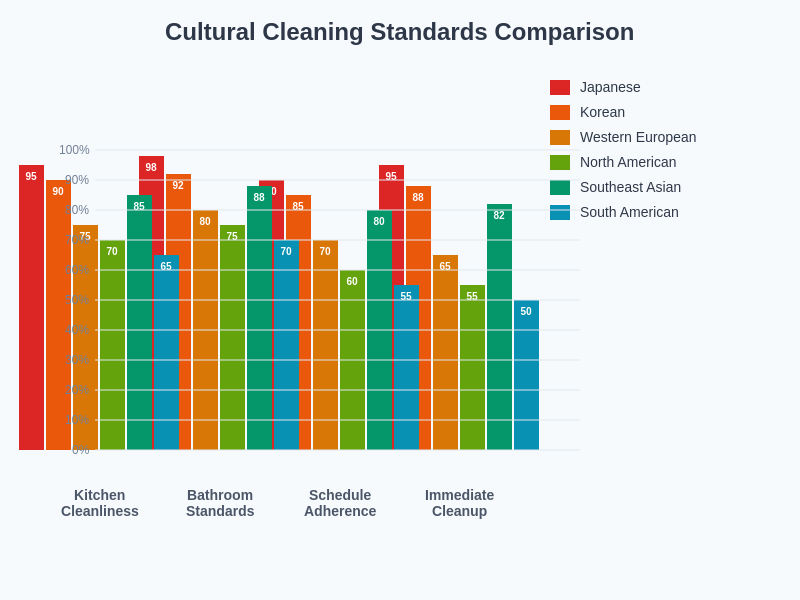
Japanese cleaning standards often clash dramatically with international perspectives on household maintenance, creating immediate tension points that many foreign residents fail to anticipate during their initial sharehouse selection process. The concept of “omotenashi” extends beyond customer service into personal living spaces, where meticulous attention to cleanliness reflects respect for shared environments and community members.
Japanese sharehouse rules every foreigner should know becomes crucial knowledge for understanding how deeply ingrained cleanliness expectations influence daily interactions and long-term relationship building within mixed-cultural living environments. The gap between understanding rules intellectually and implementing them consistently creates fertile ground for misunderstandings and resentment.
Western concepts of “clean enough” frequently fail to meet Japanese standards for shared spaces, particularly in kitchens and bathrooms where hygiene concerns intersect with cultural values about consideration for others. These differences manifest not only in cleaning frequency and thoroughness but also in timing, methods, and the social significance attached to maintaining pristine common areas.
The concept of “reading the air” extends to cleaning responsibilities, where explicit instructions may be minimal but expectations remain extraordinarily high. International residents often struggle with unspoken protocols that native Japanese residents internalize from childhood, leading to accusations of inconsideration when foreign housemates fail to meet unstated standards.
The Psychology of Shared Responsibility
Individual cleaning habits developed over decades in private family homes suddenly become public performances subject to constant scrutiny and judgment from housemates who may have vastly different tolerance levels for mess, disorder, and cleanliness maintenance schedules. The transition from private accountability to public responsibility creates stress and anxiety that many residents underestimate until conflicts emerge.
Psychological ownership of shared spaces becomes complicated when multiple residents use the same facilities with different frequency patterns, cleanliness standards, and personal investment in maintaining pristine conditions. How to handle roommate conflicts without moving out provides valuable insights into addressing these fundamental tensions before they escalate into irreparable relationship damage.
The “tragedy of the commons” manifests clearly in sharehouse cleaning scenarios where individual convenience consistently trumps collective responsibility, leading to gradual degradation of living standards and mounting resentment among residents who maintain higher personal standards. This dynamic becomes particularly pronounced when some residents consistently contribute more cleaning effort while others consistently contribute less.
Personality types that thrive in structured environments often clash with more flexible personalities who resist rigid cleaning schedules and detailed protocols, creating ongoing tension between order-seeking and freedom-preferring residents. These fundamental differences in approach to structure and responsibility extend beyond cleaning into broader lifestyle compatibility issues.
Common Trigger Points and Escalation Patterns
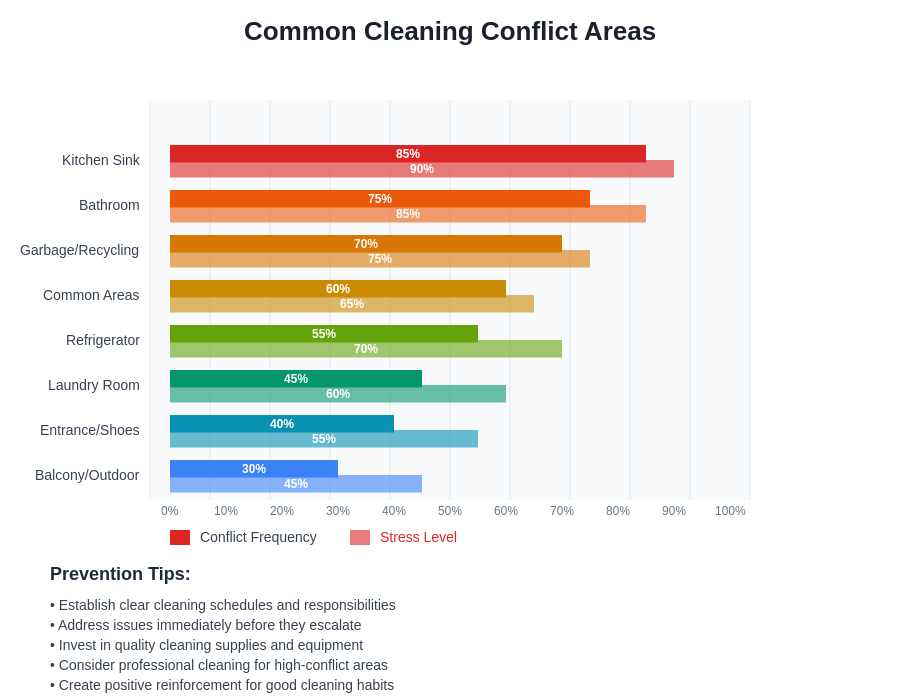
Kitchen sink protocols emerge as the most frequent battleground where dirty dishes accumulate beyond socially acceptable timeframes, creating visual reminders of inconsiderate behavior that trigger emotional responses far exceeding the actual inconvenience caused. The kitchen sink becomes a symbolic representation of respect, consideration, and community values that extends well beyond its practical function.
Kitchen politics actually work in Japanese sharehouses reveals how seemingly minor infractions cascade into major relationship problems when underlying communication issues prevent direct address of concerns. The accumulation of small grievances creates explosive potential that can destroy months of positive relationship building.
Bathroom cleaning responsibilities generate particularly intense conflicts due to privacy concerns, hygiene sensitivities, and the intimate nature of bathroom usage that makes neglect feel personally offensive to other residents. Hair in drains, water spots on mirrors, and toilet cleanliness become flashpoints for broader discussions about respect and consideration.
Garbage and recycling protocols in Tokyo’s complex waste management system create additional stress points where mistakes or negligence can result in fines, neighbor complaints, and building management intervention that affects all residents. The learning curve for proper waste sorting becomes a source of ongoing tension when some residents consistently make errors that impact the entire household.
The Escalation Cycle of Cleaning Drama
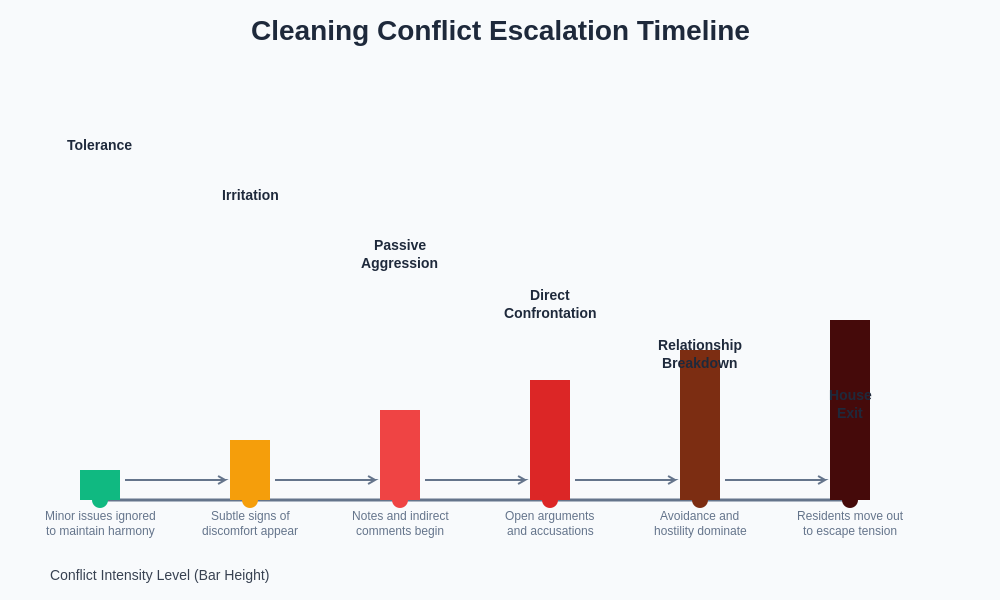
Initial tolerance periods allow minor infractions to accumulate without direct confrontation as residents attempt to maintain harmony while hoping that problems will resolve naturally through awareness and consideration. This grace period creates false impressions of acceptable standards that become difficult to correct once habits solidify and expectations shift.
Passive-aggressive communication begins when direct conversation feels too confrontational or uncomfortable, leading to anonymous notes, pointed comments, and indirect references that increase tension while failing to address underlying issues effectively. Making friends through Tokyo sharehouse communities becomes significantly more challenging when communication patterns deteriorate into hostile exchanges.
The buildup phase involves mounting frustration as small issues compound without resolution, creating emotional investment in being “right” about cleaning standards while opponents become increasingly defensive about personal habits and lifestyle choices. Residents begin keeping mental scorecards of contributions and infractions that fuel resentment and justification for retaliation.
Direct confrontation typically occurs during high-stress periods when other life pressures reduce tolerance for household annoyances, leading to disproportionate emotional responses that surprised participants often regret but struggle to retract effectively. These explosive moments can permanently damage relationships and create lasting hostility that poisons the entire living environment.
Power Dynamics and Control Issues
Unofficial leadership roles emerge when some residents take initiative in establishing cleaning protocols and standards, creating implicit hierarchies that other residents may resent or resist depending on their personality types and cultural backgrounds. The assumption of authority over shared spaces can generate conflicts about who has the right to set standards and enforce compliance.
Gender dynamics often influence cleaning expectations in ways that reflect broader cultural assumptions about domestic responsibilities, creating particular pressure on female residents to maintain higher standards while male residents may face less scrutiny for similar behavior patterns. These unconscious biases can create unfair burden distribution that generates legitimate grievances.
Age and experience differences in sharehouse living can create mentorship dynamics where longer-term residents expect newer residents to adapt to established norms, while newcomers may view existing standards as arbitrary or excessive for their personal comfort levels. Living with Japanese roommates in Tokyo sharehouses requires navigating these hierarchical expectations carefully.
Economic factors influence cleaning standards when residents with different financial resources have varying abilities to purchase cleaning supplies, replace worn equipment, or hire professional cleaning services that could alleviate household tensions. The intersection of money and cleanliness creates additional complexity in establishing fair and sustainable protocols.
The Role of Communication Breakdown
Language barriers complicate cleaning discussions when precise descriptions of standards, concerns, and expectations require vocabulary and cultural context that many international residents lack, leading to misunderstandings that perpetuate rather than resolve underlying issues. Technical cleaning terminology and polite complaint language present particular challenges for non-native speakers.
Cultural communication styles clash when direct feedback approaches meet indirect suggestion preferences, creating situations where messages fail to convey intended urgency or importance while receivers remain unaware of growing dissatisfaction. The Japanese preference for harmony maintenance can prevent clear communication about serious cleanliness concerns.
Timing sensitivity affects receptiveness to cleaning feedback when residents are stressed, tired, or dealing with work or personal pressures that reduce their capacity for constructive problem-solving discussions. Approaching sensitive topics during inappropriate moments can trigger defensive responses that escalate rather than resolve conflicts.
Assumption-making replaces direct inquiry when residents interpret behavior patterns without seeking clarification about intentions, circumstances, or underlying factors that might explain apparent inconsideration or negligence. These assumptions often prove incorrect but create emotional responses based on incomplete information.
Long-term Consequences of Unresolved Cleaning Conflicts
Relationship deterioration extends beyond cleaning issues when unresolved conflicts create general hostility that affects all household interactions, transforming previously comfortable living environments into tense spaces where residents avoid common areas and minimize social contact. Real stories from Tokyo sharehouse residents frequently feature cleaning conflicts as primary factors in moving decisions.
Social isolation occurs when residents choose avoiding confrontation over participating in household activities, leading to fragmented communities where individual members operate independently rather than contributing to collective well-being and mutual support systems. The loss of community benefits represents a significant reduction in sharehouse living value.
Financial impact emerges when residents move out due to cleaning conflicts, creating turnover costs for remaining residents through higher rent burdens, security deposit losses, and the time investment required to find suitable replacement housemates. How much Tokyo sharehouses really cost per month increases significantly when cleaning conflicts drive resident turnover.
Reputation damage affects future housing opportunities when negative references or online reviews mention cleaning conflicts, creating obstacles for finding alternative accommodations in Tokyo’s competitive rental market. The long-term consequences of unresolved household drama extend well beyond immediate living situations.
Prevention Strategies and Early Intervention
Clear expectation setting during initial move-in processes helps prevent misunderstandings by establishing explicit standards, protocols, and consequences that all residents understand and agree to follow. Understanding utility bills in Japanese sharehouses should be accompanied by equally detailed cleaning responsibility discussions.
Regular household meetings provide structured opportunities for addressing minor concerns before they escalate into major conflicts, allowing residents to voice frustrations, suggest improvements, and collaborate on solutions that work for everyone involved. Proactive communication prevents the buildup of resentment that fuels explosive confrontations.
Rotation systems for cleaning responsibilities ensure fair distribution of unpleasant tasks while providing variety that prevents any individual from feeling permanently burdened with maintaining standards that others benefit from without contributing equivalent effort. Well-designed rotation systems account for schedule differences and skill variations.
Professional cleaning services represent an investment in household harmony that many sharehouses find cost-effective when the expense is shared among multiple residents and prevents conflicts that could lead to expensive turnover or relationship damage. Outsourcing contentious tasks can eliminate many common trigger points.
Conflict Resolution Techniques and Mediation
Direct communication training helps residents develop skills for addressing cleaning concerns without triggering defensive responses or escalating tensions unnecessarily. Learning to express needs clearly while acknowledging others’ perspectives creates foundation for constructive problem-solving rather than blame assignment.
Compromise strategies acknowledge that different cleanliness standards can coexist within reasonable bounds when residents negotiate expectations that respect individual preferences while maintaining acceptable common area conditions. Finding middle ground requires flexibility and good faith effort from all parties involved.
Third-party mediation through house managers, building administrators, or neutral residents can provide objective perspective and structured problem-solving processes when direct negotiation fails to produce acceptable solutions. External intervention may be necessary to break deadlock situations before they become irreparable.
Documentation of agreements helps prevent future disputes by providing clear reference points for expectations and consequences that all parties acknowledged and accepted. Written protocols eliminate ambiguity about standards and procedures that could lead to renewed conflicts.
Building Sustainable Cleaning Cultures
Positive reinforcement for good cleaning behavior creates encouraging environments where residents feel appreciated for their contributions rather than only receiving feedback when problems occur. Recognition and gratitude build motivation for continued cooperation and consideration.
Education about proper cleaning techniques and cultural expectations helps international residents understand not just what to do but why certain standards matter in Japanese living contexts. Knowledge reduces anxiety and resistance while building confidence in meeting community expectations.
Community-building activities that include cleaning components can transform mandatory chores into social bonding opportunities that strengthen relationships while maintaining household standards. Shared effort during deep cleaning sessions creates positive associations with cleanliness maintenance.
Student sharehouses near top Tokyo universities often develop innovative approaches to cleaning responsibility that balance academic pressures with household maintenance needs through creative scheduling and mutual support systems.
The path toward harmonious sharehouse living requires acknowledging that cleaning responsibilities serve as a microcosm for broader relationship skills including communication, compromise, respect, and cultural sensitivity. Mastering these challenges creates not only cleaner living spaces but also stronger communities where residents support each other through the inevitable stresses of life in Tokyo.
Success in managing cleaning responsibilities translates into improved capabilities for handling other sharehouse challenges while building relationships that can provide lasting value beyond temporary housing arrangements. The investment in developing these skills pays dividends throughout one’s time in Japan and beyond.
Disclaimer
This article is for informational purposes only and does not constitute professional conflict resolution or psychological advice. Individual sharehouses may have different cleaning policies and cultural dynamics. Readers should communicate directly with housemates and management about specific cleaning concerns and expectations. The effectiveness of suggested strategies may vary depending on individual circumstances and cultural contexts.