Climate control represents one of the most persistent and emotionally charged sources of conflict in shared living environments, transcending cultural boundaries and creating tensions that can fundamentally alter the dynamics of even the most harmonious sharehouse communities. The seemingly simple act of adjusting a thermostat becomes a complex negotiation involving personal comfort, financial responsibility, cultural conditioning, and power dynamics that residents often underestimate until they find themselves in the midst of heated disputes that extend far beyond temperature preferences.
The psychological and physiological aspects of temperature preference create deeply personal attachments to specific comfort levels that residents frequently view as non-negotiable, leading to daily confrontations over thermostat settings that escalate into broader conflicts about respect, consideration, and household decision-making authority. Understanding these underlying dynamics provides essential insights for anyone navigating the complex social ecosystem of shared housing arrangements where individual comfort intersects with collective responsibility.
The Science Behind Temperature Preferences
Individual temperature preferences stem from complex combinations of biological factors, cultural conditioning, and personal experiences that create significant variations in comfort zones among different residents within the same living space. Metabolic rates, body composition, circulation efficiency, and hormonal influences contribute to substantial differences in how individuals perceive and respond to identical environmental temperatures, making consensus on ideal settings particularly challenging.
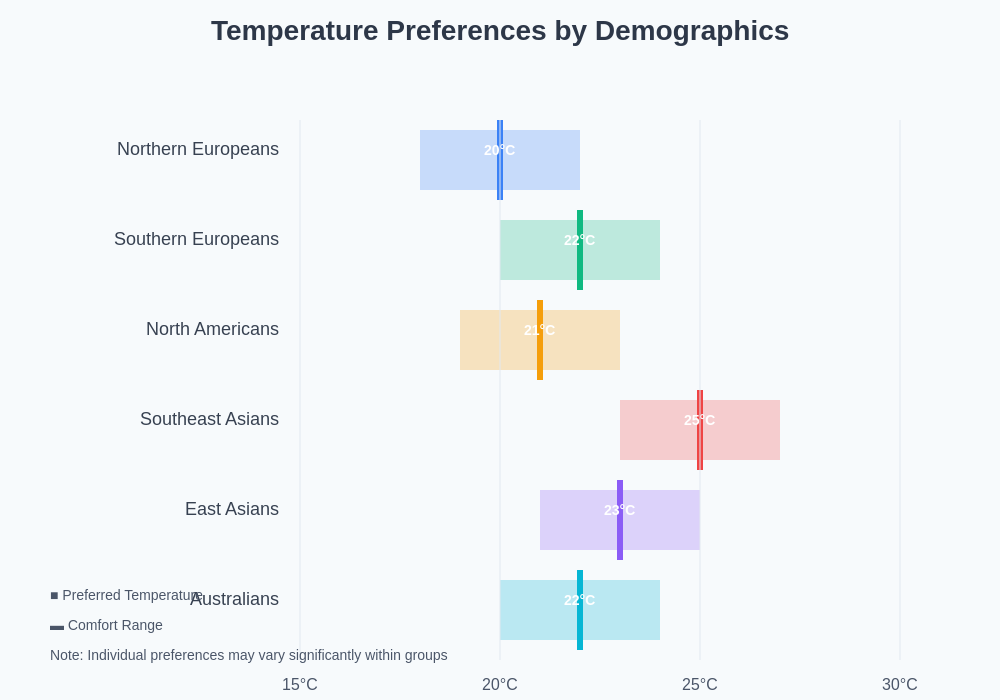
Research indicates that optimal comfort temperatures can vary by as much as ten degrees Celsius between individuals, creating situations where one person’s comfortable environment becomes another’s source of physical discomfort and stress. Understanding how heating bills create health vs budget dilemmas reveals the additional complexity that financial considerations add to these already challenging negotiations.
Cultural backgrounds significantly influence temperature tolerance and expectations, with residents from different geographical regions bringing vastly different assumptions about appropriate indoor temperatures and seasonal adjustment patterns. Northern European residents might prefer cooler indoor temperatures year-round, while those from tropical climates may require warmer environments to feel comfortable, creating fundamental incompatibilities that transcend simple personal preference.
Gender differences also play documented roles in temperature preference variations, with statistical tendencies toward different comfort ranges that can create predictable patterns of conflict when combined with other demographic factors within sharehouse communities.
Financial Tensions and Utility Bill Wars
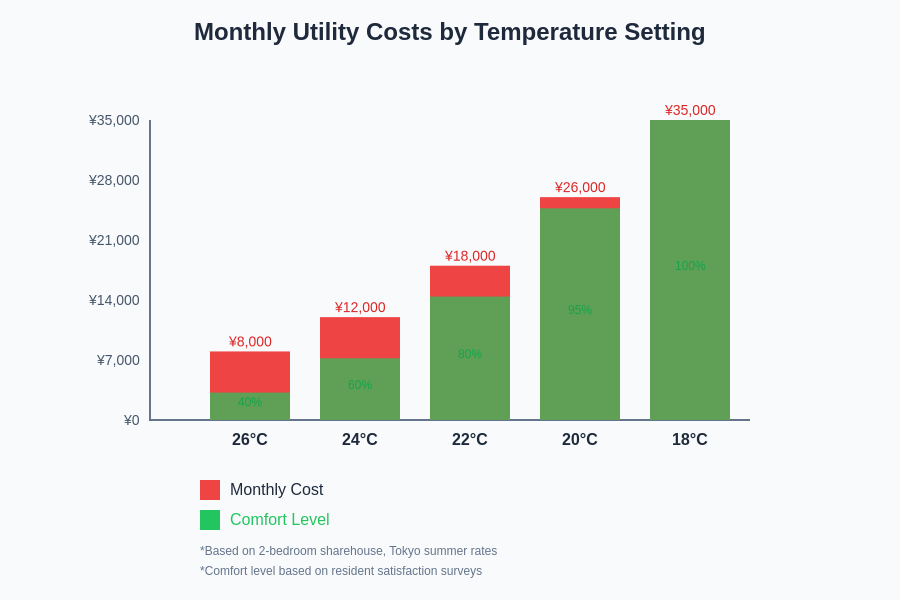
The economic implications of climate control decisions transform personal comfort preferences into financial disputes that directly impact every resident’s monthly budget and long-term financial planning. Why heating bills create monthly budget chaos demonstrates how temperature control decisions can dramatically affect utility costs and create resentment among residents with different financial capabilities.
Air conditioning costs during Tokyo’s humid summers can represent substantial portions of monthly housing budgets, particularly in older buildings with inefficient systems that consume excessive electricity to maintain comfortable temperatures. Residents with limited financial resources may advocate for minimal cooling use, while those with greater economic flexibility might prioritize comfort over cost savings, creating class-based tensions within the household.
Heating expenses during winter months present similar challenges, with some residents willing to wear additional layers and use personal heating devices to avoid high utility bills, while others prefer maintaining consistently warm indoor temperatures regardless of cost implications. These philosophical differences about spending priorities often reflect deeper values about comfort versus frugality that extend beyond simple temperature preferences.
The challenge of equitable cost distribution becomes particularly complex when residents have different schedules, with some home during peak temperature hours while others are away at work or school. Determining fair payment structures for utility bills when usage patterns vary significantly creates ongoing negotiations and potential resentment among housemates.
Cultural Climate Conditioning
Different cultural backgrounds create fundamentally different expectations about indoor temperature management, seasonal adaptation strategies, and the appropriate use of mechanical climate control systems that can create persistent misunderstandings and conflicts within international sharehouse communities. Japanese cultural approaches to seasonal temperature management often emphasize adaptation and minimal energy use, contrasting sharply with Western expectations of consistent indoor comfort levels.
Traditional Japanese concepts like “gaman” (enduring the seemingly unbearable) influence attitudes toward temperature tolerance, encouraging adaptation to seasonal variations rather than mechanical climate modification. International residents from cultures that prioritize indoor climate control may interpret these approaches as unnecessarily uncomfortable or even unhealthy, creating philosophical divides about appropriate living standards.
How cultural differences impact holiday celebrations illustrates how cultural variations extend beyond temperature preferences to encompass broader lifestyle expectations that influence daily living decisions and community harmony.
Regional climate conditioning from residents’ home countries creates additional complications, with those from consistently temperate climates struggling with Tokyo’s dramatic seasonal variations, while others from extreme climate regions may have different tolerance levels and adaptation strategies that conflict with housemate expectations.
Seasonal Warfare Patterns
Tokyo’s distinct seasonal climate patterns create predictable cycles of climate control conflicts that intensify during temperature transition periods when residents struggle to agree on appropriate responses to changing weather conditions. Spring and autumn represent particularly challenging periods when daily temperature fluctuations create constant thermostat adjustment battles between residents with different comfort thresholds.
Summer conflicts typically center around air conditioning usage intensity, with debates over acceptable temperature settings, operating hours, and room-specific cooling strategies that reflect both comfort preferences and financial concerns. Why air conditioning bills spike in summer explains the economic pressures that intensify these seasonal disputes.
Winter heating conflicts often involve more complex negotiations about layering expectations, room heating priorities, and the balance between personal responsibility for warmth and collective heating costs. Some residents prefer maintaining consistent indoor temperatures through central heating, while others advocate for zone heating and personal warming strategies that create uneven comfort levels throughout the house.
Transition periods between seasons create additional stress as residents disagree about when to begin or discontinue climate control measures, leading to daily adjustment wars over thermostat settings as weather conditions fluctuate unpredictably.
Technology and Control Power Dynamics
Modern smart thermostats and climate control systems introduce new dimensions to sharehouse conflicts by creating questions about access authority, scheduling permissions, and override capabilities that transform temperature disputes into broader power struggles within household hierarchies. How smart thermostats reduce utility conflicts explores both the benefits and complications that technology introduces to these situations.
Physical access to thermostat controls creates implicit power dynamics, with residents closest to control panels or those with technical knowledge often assuming de facto authority over temperature settings that may not reflect household consensus or democratic decision-making processes. These situations frequently evolve into passive-aggressive battles involving repeated adjustments and counter-adjustments throughout the day.
Remote control capabilities through smartphone applications add complexity by enabling residents to make temperature changes from anywhere, potentially overriding settings made by housemates who are physically present and experiencing current conditions. This technological layer can escalate conflicts by removing the natural discussion opportunities that physical thermostat access provides.
Programming and scheduling features require household consensus about daily temperature routines, sleep preferences, and work schedule accommodations that force explicit negotiations about previously informal temperature management patterns, often revealing deeper incompatibilities that residents had not previously recognized.
Health and Wellness Implications
Temperature-related conflicts extend beyond comfort preferences to encompass legitimate health concerns that complicate resolution strategies and add moral dimensions to what might otherwise be simple preference negotiations. Respiratory conditions, circulation problems, and sleep disorders can create medical necessities for specific temperature ranges that override normal compromise solutions.
Humidity control needs vary significantly among residents based on skin conditions, allergies, and respiratory sensitivities that require different environmental conditions for optimal health and comfort. These medical considerations create ethical obligations that transcend simple majority rule or cost-sharing arrangements, requiring more sophisticated accommodation strategies.
Sleep quality impacts from temperature variations affect work performance, academic success, and overall quality of life in ways that extend climate control conflicts into broader lifestyle and productivity concerns. Why sleep quality suffers in shared environments examines how temperature conflicts contribute to these broader wellness challenges.
Mental health implications of chronic discomfort create additional layers of conflict as residents become increasingly irritable, stressed, and emotionally reactive due to persistent temperature-related discomfort that affects their overall living satisfaction and interpersonal relationships.
Economic Class and Privilege Considerations
Socioeconomic differences among residents create unequal stakes in climate control decisions, with wealthy housemates potentially willing to absorb high utility costs for comfort while budget-conscious residents feel pressured to endure uncomfortable conditions to maintain financial stability. These economic disparities transform temperature preferences into class-based conflicts that reflect broader inequalities within household communities.
International students on limited budgets may prioritize cost savings over comfort, while working professionals with stable incomes might view expensive climate control as a reasonable living standard investment, creating fundamental disagreements about appropriate spending priorities that extend beyond simple temperature preferences.
Living costs in Tokyo sharehouses explained demonstrates how utility expenses represent different proportional impacts on residents with varying income levels, making equitable cost-sharing arrangements particularly challenging when consumption preferences differ significantly.
The privilege of climate control tolerance varies based on factors like room location, insulation quality, and access to personal heating or cooling devices that create unequal experiences of shared temperature settings, potentially making compromise solutions unfair to residents in less advantageous circumstances.
Communication and Conflict Resolution Strategies
Effective management of climate control conflicts requires proactive communication strategies that address both practical temperature management and underlying relationship dynamics that influence how residents perceive and respond to temperature-related decisions. How to handle roommate conflicts without moving out provides frameworks applicable to these specific disputes.
Establishing clear protocols for temperature adjustment discussions prevents spontaneous conflicts by creating structured opportunities for residents to express concerns, propose solutions, and negotiate compromises before frustrations escalate into emotional confrontations that damage household relationships.
Documentation strategies for tracking temperature preferences, utility costs, and adjustment patterns provide objective foundations for discussions and help identify patterns that might reveal workable compromise solutions or highlight fundamental incompatibilities that require alternative arrangements.
Mediation techniques specific to environmental comfort conflicts focus on separating personal preferences from practical solutions, encouraging creative problem-solving that addresses underlying needs rather than fixed position advocacy that prevents flexible resolution strategies.
Technological Solutions and Workarounds
Modern technology offers various solutions for managing climate control conflicts through zone-based systems, personal climate devices, and automated scheduling that can reduce direct confrontations while accommodating different comfort needs within shared living spaces. Smart home integration provides opportunities for sophisticated temperature management that goes beyond simple thermostat adjustments.
Personal heating and cooling devices allow individual residents to modify their immediate environment without affecting shared spaces, potentially reducing conflicts over central climate control settings while enabling personalized comfort solutions that respect both individual needs and collective financial considerations.
Zone-based heating and cooling systems enable different temperature settings in various areas of the house, accommodating diverse preferences while maintaining cost control through targeted climate modification that reflects actual usage patterns and individual needs rather than whole-house compromise solutions.
Energy efficiency technologies and monitoring systems provide real-time feedback about climate control costs and environmental impact, enabling informed decision-making that balances comfort preferences with financial and environmental responsibility considerations.
Long-term Relationship Impacts
Persistent climate control conflicts create lasting effects on household dynamics that extend far beyond immediate temperature disputes, influencing trust levels, communication patterns, and overall satisfaction with shared living arrangements in ways that can determine the long-term viability of sharehouse communities.
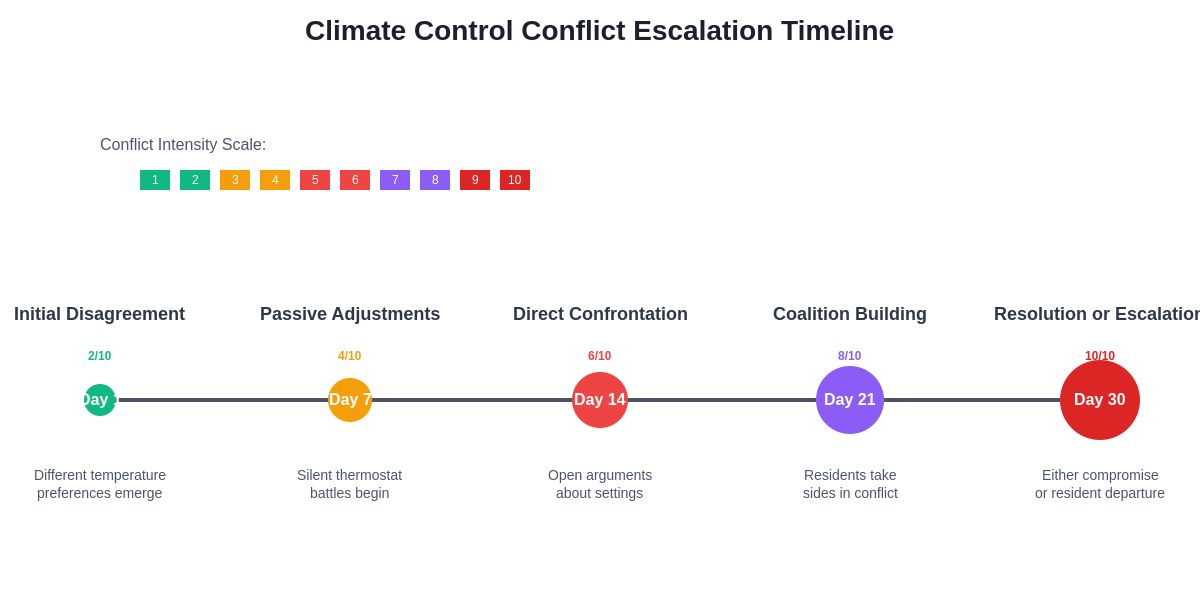
Unresolved temperature conflicts often become symbols of broader respect and consideration issues, with residents interpreting climate control decisions as indicators of how much their housemates value their comfort and well-being, creating emotional stakes that transcend practical temperature management.
Why some residents feel constantly judged explores how seemingly minor daily conflicts like temperature preferences can contribute to broader feelings of alienation and dissatisfaction that affect overall living experiences and community integration.
The development of coping strategies for climate control conflicts influences residents’ conflict resolution skills and cultural adaptability in ways that extend beyond sharehouse living to affect professional relationships, future housing decisions, and cross-cultural competency development.
Prevention and House Rule Development
Proactive approaches to climate control management through comprehensive house rules and decision-making frameworks prevent many conflicts by establishing clear expectations, cost-sharing arrangements, and adjustment protocols before disputes arise. Japanese sharehouse rules every foreigner should know provides cultural context for developing appropriate guidelines.
Seasonal planning discussions allow residents to anticipate temperature-related challenges and develop strategies for managing utility costs, comfort preferences, and system maintenance before peak usage periods create pressure and conflict situations that are more difficult to resolve objectively.
Budget allocation strategies for utility expenses create predictable financial frameworks that separate comfort decisions from cost concerns, enabling residents to make temperature choices within predetermined spending limits that prevent financial disputes from complicating comfort negotiations.
Regular household meetings focused specifically on environmental comfort issues provide ongoing opportunities for residents to adjust agreements, address emerging problems, and maintain communication channels that prevent small irritations from escalating into major conflicts that threaten household stability.
The complexity of climate control conflicts in sharehouses reflects broader challenges of shared living that require patience, flexibility, and creative problem-solving to navigate successfully. Understanding the multiple dimensions of these disputes enables residents to develop more effective strategies for maintaining both personal comfort and household harmony while building valuable skills in negotiation, cultural adaptation, and community living that benefit their broader life experiences.
Disclaimer
This article is for informational purposes only and does not constitute professional advice on conflict resolution or climate control systems. Individual experiences with temperature preferences and sharehouse conflicts may vary significantly based on personal circumstances, cultural backgrounds, and specific living situations. Readers should consider their own needs and consult relevant professionals when addressing serious climate control or interpersonal conflicts in shared living environments.