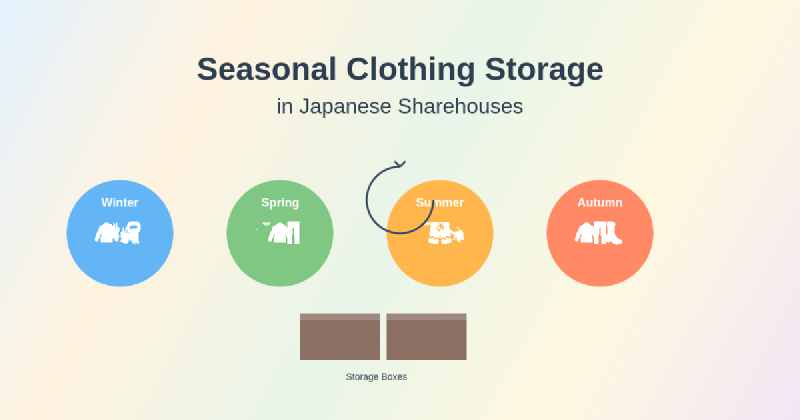
Living in a Japanese sharehouse presents unique challenges when it comes to managing your wardrobe throughout the year, particularly as the country’s distinct seasonal changes demand completely different clothing requirements for each period. The dramatic shift from humid summers requiring lightweight fabrics to frigid winters necessitating heavy coats and layers creates storage dilemmas that many international residents find overwhelming, especially when confined to the limited space typically available in shared living arrangements.
The art of seasonal clothing management in Japanese sharehouses extends far beyond simple organization, encompassing humidity control, space maximization, and strategic rotation systems that accommodate the country’s extreme seasonal variations. Understanding how to effectively navigate these transitions while maintaining access to appropriate clothing becomes essential for comfort, professional appearance, and overall quality of life throughout your sharehouse experience.
Understanding Japan’s Seasonal Clothing Demands
Japan’s four distinct seasons create dramatically different clothing requirements that can overwhelm newcomers unprepared for the intensity of seasonal transitions. Summer temperatures regularly exceed 35°C with oppressive humidity levels, making lightweight, breathable fabrics essential for daily comfort and professional requirements. Living costs in Tokyo sharehouses explained often underestimate the additional expenses associated with building appropriate seasonal wardrobes for Japan’s extreme climate variations.
Winter conditions plunge below freezing with biting winds that penetrate through inadequate clothing, requiring substantial investments in quality coats, thermal layers, and waterproof footwear that consume significant storage space throughout the warmer months. The spring and autumn transitional periods demand versatile layering options that can adapt to rapidly changing daily temperatures and unexpected weather patterns.
The professional clothing requirements in Japanese business culture add another layer of complexity, as appropriate attire varies significantly between seasons while maintaining strict standards for appearance and quality. Many international residents discover that their home country wardrobes prove inadequate for Japan’s climate extremes, necessitating substantial clothing purchases that strain both budgets and storage capacity in already cramped sharehouse accommodations.
Space Limitations in Sharehouse Living
Sharehouse rooms in Japan typically provide minimal storage space, often consisting of a single small closet or wardrobe unit that cannot accommodate full seasonal wardrobes simultaneously. How limited storage forces you to live minimally explores the psychological and practical adjustments required when transitioning from spacious home storage to restrictive shared living arrangements.
The standard sharehouse room allocation rarely exceeds ten square meters, with storage solutions often limited to a narrow closet, small dresser, and whatever space can be created under the bed or in corners. These constraints force residents to develop strategic storage systems that maximize vertical space, utilize hidden storage areas, and maintain organized rotation schedules for seasonal clothing transitions.
Common areas typically prohibit personal storage, limiting residents to their private room space for all clothing and personal items. This restriction eliminates the possibility of using hallway closets, basement storage, or garage space that might be available in traditional housing arrangements, intensifying the pressure to optimize limited bedroom storage capacity.
The competition for common area drying space during seasonal transitions creates additional challenges, as multiple residents simultaneously attempt to air out stored clothing, wash seasonal items, and prepare wardrobes for upcoming weather changes. Understanding peak usage times and developing efficient rotation schedules becomes essential for successful seasonal clothing management.
Summer Storage Strategies and Humidity Control
Japan’s notoriously humid summers create specific storage challenges that extend beyond simple space management to include moisture control, odor prevention, and fabric protection during the extended hot season. How moisture control prevents mold growth provides essential guidance for protecting stored winter clothing during the humid months when condensation and poor ventilation can destroy expensive garments.
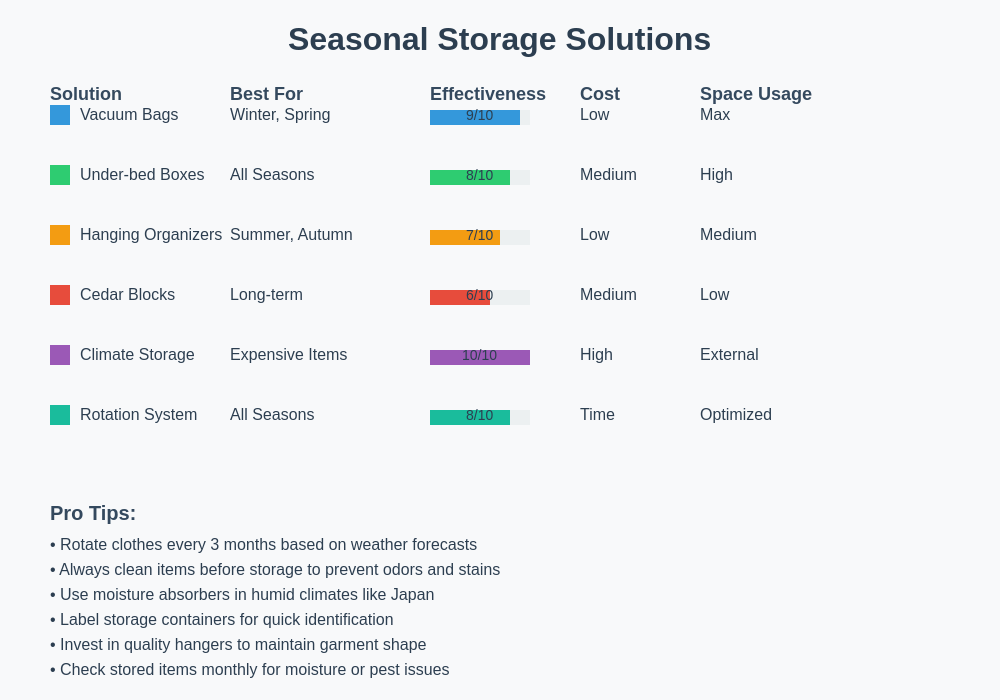
Vacuum-sealed storage bags become indispensable tools for compressing bulky winter items into manageable sizes that fit under beds or in closet corners, while moisture absorbing packets protect against humidity damage during the lengthy storage period. However, proper preparation involves thorough cleaning, complete drying, and strategic packing to prevent wrinkles and maintain garment shape throughout the storage duration.
Cedar blocks, moisture absorbers, and breathable storage containers help maintain clothing quality during humid storage periods, while regular inspection schedules prevent unnoticed damage from developing into costly garment replacement requirements. The investment in quality storage supplies proves economical compared to replacing destroyed clothing items at the end of each storage season.
Strategic air circulation within storage areas, even when space is limited, prevents moisture accumulation and maintains freshness in stored garments. Small battery-operated fans, moisture-wicking materials, and strategic ventilation gaps help create airflow that protects clothing investments during extended storage periods.
Winter Preparation and Heavy Clothing Management
The transition to winter clothing in Japanese sharehouses requires careful planning and strategic storage solutions to accommodate the volume of heavy coats, boots, scarves, and thermal layers necessary for surviving harsh winter conditions. How heating bills create health vs budget dilemmas highlights the importance of quality winter clothing when sharehouse heating may be inadequate for comfort.
Professional cleaning before storage ensures garments remain fresh and ready for use when cold weather returns, while proper hanging and folding techniques prevent permanent creases and shape distortion in expensive coats and structured garments. The investment in quality hangers and garment bags protects professional clothing that must maintain pristine appearance for work requirements.
Footwear rotation becomes particularly complex during winter months, as waterproof boots, dress shoes, and casual footwear each serve specific purposes while consuming precious floor space in compact sharehouse rooms. Vertical shoe storage solutions and under-bed organizers help maximize limited floor space while maintaining easy access to frequently needed items.
The bulky nature of quality winter coats often requires dedicated hanging space that cannot be compressed or folded without damage, creating competition for limited closet rod space and necessitating creative hanging solutions or specialized storage furniture designed for small spaces.
Transitional Season Flexibility and Layering Systems
Spring and autumn in Japan present unique storage challenges as weather patterns shift rapidly and unpredictably, requiring ready access to both warm and cool weather clothing options simultaneously. How climate change affects building comfort explores how increasingly unpredictable weather patterns complicate seasonal clothing preparation and storage planning.
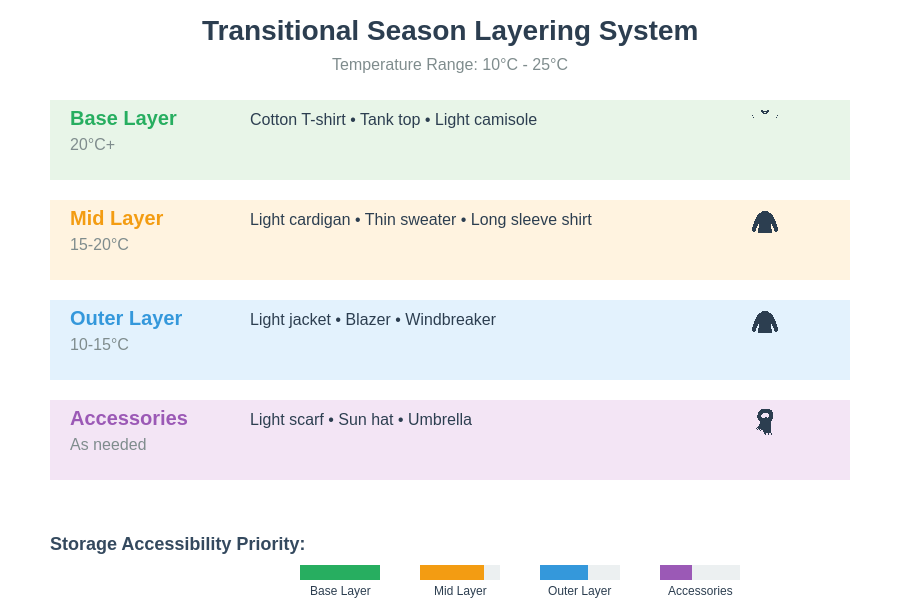
Layering systems become essential during transitional periods, requiring easy access to lightweight base layers, medium-weight cardigans or jackets, and heavier outer layers that can be added or removed throughout the day as temperatures fluctuate. This accessibility requirement challenges traditional storage approaches that prioritize space efficiency over convenience.
Strategic wardrobe positioning places frequently needed transitional pieces in easily accessible locations while maintaining stored seasonal items in more remote storage areas. This approach requires regular adjustment as weather patterns shift and seasonal requirements change throughout the transitional periods.
The unpredictable nature of spring allergies and sudden temperature drops necessitates keeping both allergy medications and emergency warm clothing readily accessible, even when seasonal transitions suggest they might not be needed. Weather forecasting becomes an essential skill for anticipating clothing needs and adjusting storage accessibility accordingly.
Creative Storage Solutions for Small Spaces
Maximizing storage capacity in limited sharehouse spaces requires innovative approaches that utilize every available inch while maintaining organization and accessibility. Why minimalist lifestyles clash with accumulator tendencies examines the psychological challenges of downsizing clothing collections to fit restricted storage space.
Under-bed storage solutions provide significant capacity for seasonal clothing when properly organized with clear containers, vacuum-sealed bags, and systematic labeling that enables quick identification and retrieval. Bed risers create additional vertical space for storage while maintaining room functionality and aesthetic appeal.
Wall-mounted storage systems maximize vertical space without consuming floor area, though installation must comply with sharehouse regulations regarding wall modifications and damage prevention. Removable hooks, over-door organizers, and tension rod systems provide storage expansion without permanent alterations.
Multi-functional furniture that incorporates storage capacity, such as ottoman storage benches or beds with built-in drawers, maximizes utility within space constraints while providing convenient access to stored items. These investments prove worthwhile for long-term sharehouse residents who need efficient storage solutions.
Fabric Care During Extended Storage
Proper fabric care during seasonal storage periods protects clothing investments and ensures garments remain wearable after months in compressed or confined storage conditions. How cleaning responsibilities create house drama touches on the importance of maintaining personal cleanliness standards, which extends to proper clothing care and storage practices.
Natural fiber garments require special attention during storage, as wool, silk, and cotton materials need protection from insects, moisture, and compression damage that can permanently alter garment shape and texture. Cedar blocks, lavender sachets, and breathable garment bags provide protection while maintaining fabric integrity.
Synthetic materials often tolerate compression storage better than natural fibers, making them ideal candidates for vacuum-sealed bags and tight storage containers during off-seasons. However, proper preparation still involves thorough cleaning and complete drying to prevent odor development and staining during storage periods.
Regular inspection schedules throughout storage periods enable early detection of moisture problems, pest issues, or storage container failures that could damage entire seasonal wardrobes. Monthly checks provide adequate monitoring without excessive disruption to organized storage systems.
Seasonal Shopping and Wardrobe Planning
Strategic seasonal shopping approaches help minimize storage requirements while ensuring adequate clothing for changing weather conditions. How seasonal shopping affects storage space explores timing strategies that optimize wardrobe functionality within space constraints.
End-of-season sales provide opportunities to acquire quality clothing at reduced prices, though purchases must be balanced against available storage space and anticipated future needs. Careful evaluation prevents impulse buying that exceeds storage capacity and creates organization problems.
Investment in versatile pieces that function across multiple seasons reduces total wardrobe volume while maintaining style flexibility throughout the year. Quality basics that layer effectively prove more valuable than numerous single-season items that consume storage space without providing versatility.
Wardrobe evaluation at each seasonal transition identifies items that no longer fit, match personal style, or serve practical needs, enabling strategic decluttering that creates space for new acquisitions while maintaining organized storage systems.
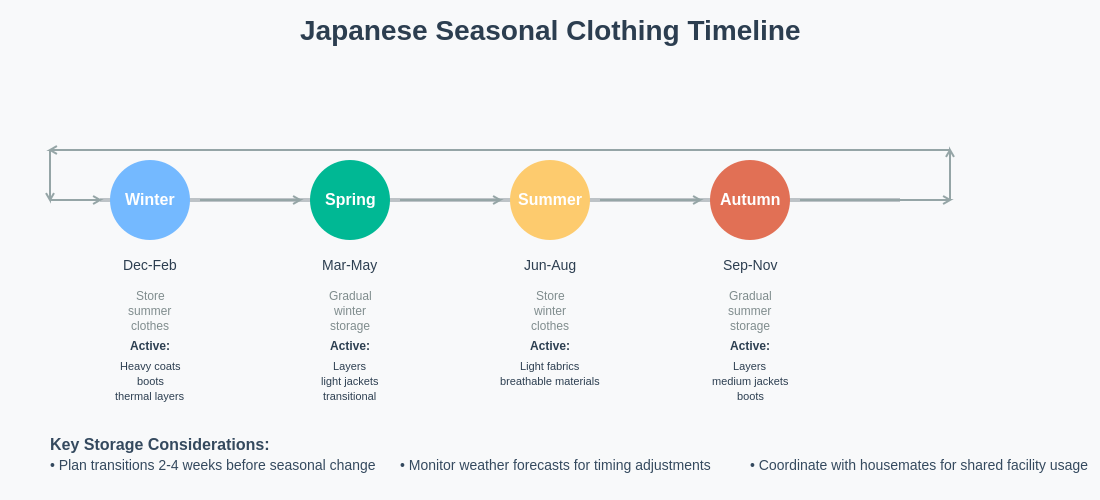
This timeline demonstrates the cyclical nature of seasonal clothing management in Japan, showing how storage and active wardrobe needs shift throughout the year with specific timing considerations for optimal transitions.
Technology and Climate Monitoring
Modern technology offers tools for monitoring storage conditions and protecting clothing investments during extended storage periods. How smart thermostats reduce utility conflicts demonstrates how technology can help optimize living conditions, extending to storage area climate control.
Digital hygrometers monitor humidity levels in storage areas, providing early warning of moisture problems that could damage stored clothing before visible signs appear. These affordable devices prove invaluable for protecting expensive garments during humid summer storage periods.
Smartphone apps help track seasonal wardrobe inventories, storage locations, and rotation schedules, preventing forgotten items and optimizing storage efficiency. Digital organization systems prove particularly valuable when managing complex storage arrangements across multiple containers and locations.
Climate-controlled storage solutions, while more expensive, provide optimal protection for valuable clothing items that cannot tolerate humidity fluctuations or temperature extremes common in sharehouse environments. The investment may prove worthwhile for professional wardrobes or specialty garments.
Community Considerations and Shared Spaces
Sharehouse living requires consideration of other residents when managing seasonal clothing transitions, particularly regarding common area usage, laundry scheduling, and storage practices that affect shared spaces. How to handle roommate conflicts without moving out provides strategies for navigating potential conflicts arising from storage and space usage.
Coordinating seasonal transitions with housemates helps distribute common area usage and prevents overwhelming shared facilities during peak changeover periods. Communication about schedules and space needs promotes harmony while ensuring everyone can complete necessary seasonal preparations.
Shared storage solutions may be possible in some sharehouses, though clear agreements about space allocation, access schedules, and responsibility for maintenance help prevent conflicts and misunderstandings. Written agreements protect all parties and ensure fair usage of any shared storage resources.
Laundry room usage intensifies during seasonal transitions as residents simultaneously wash stored clothing, prepare items for storage, and adjust their active wardrobes. Understanding peak usage times and planning accordingly reduces wait times and potential conflicts over shared facilities.
Long-term Clothing Investment Strategies
Successful seasonal clothing management in Japanese sharehouses requires strategic thinking about long-term wardrobe investments that balance quality, versatility, and storage efficiency. How career changes affect sharehouse eligibility reminds us that professional clothing needs may evolve, requiring adaptable wardrobe strategies.
Investment in quality pieces that withstand repeated storage cycles proves more economical than frequent replacement of cheaper garments that deteriorate under storage stress. Well-constructed clothing maintains shape and appearance despite compression storage and extended storage periods.
Building a core wardrobe of versatile pieces that mix and match effectively reduces total clothing volume while maintaining style options across all seasons. Strategic color coordination and classic styles provide flexibility without requiring extensive storage space for numerous specialized items.
Regular wardrobe assessment and strategic replacement scheduling help maintain appropriate clothing inventory without exceeding storage capacity. Planning replacements in advance enables strategic shopping during sales periods while ensuring adequate clothing for changing seasons.
The seasonal clothing storage challenges inherent in Japanese sharehouse living require systematic approaches, creative solutions, and strategic planning that extends far beyond simple organization. Success depends on understanding Japan’s extreme seasonal variations, maximizing limited storage space through innovative solutions, and maintaining clothing quality through proper care during extended storage periods. With appropriate preparation and systematic approaches, residents can maintain comfortable, professional wardrobes throughout the year while thriving in the space constraints of shared living environments.
Disclaimer
This article is for informational purposes only and does not constitute professional advice regarding clothing care, storage solutions, or property modifications. Storage strategies should comply with individual sharehouse rules and regulations. Climate conditions and storage effectiveness may vary based on specific building characteristics, room orientation, and local environmental factors. Readers should assess their individual storage needs and consult with property managers regarding permissible modifications and storage solutions.