Living in Tokyo sharehouses creates an intensive laboratory for developing sophisticated conflict resolution abilities that extend far beyond the immediate living environment. The unique combination of cultural diversity, language barriers, shared resources, and close proximity generates daily opportunities for interpersonal challenges that demand creative solutions and diplomatic navigation. Through these experiences, residents naturally develop advanced communication skills, emotional intelligence, and problem-solving strategies that prove invaluable throughout their personal and professional lives.
The transformation of conflict resolution capabilities occurs through constant exposure to different perspectives, communication styles, and cultural approaches to problem-solving. Understanding how cultural differences affect friendship building provides context for the complex social dynamics that create both challenges and growth opportunities in international living environments.
The Natural Development Environment of Sharehouses
Tokyo sharehouses function as intensive training grounds for conflict resolution due to their inherent structure and demographics. The convergence of multiple nationalities, age groups, professional backgrounds, and personality types within confined spaces creates a microcosm of global society where disagreements and misunderstandings arise with remarkable frequency and diversity.
The necessity of maintaining harmonious living conditions while preserving individual needs and preferences forces residents to develop sophisticated negotiation skills and emotional regulation techniques. Unlike conflicts in other settings that can be avoided or postponed, sharehouse disputes require immediate attention and collaborative solutions to prevent escalation and maintain community stability.
Daily interactions around shared resources, household responsibilities, and personal boundaries provide continuous practice opportunities for applying conflict resolution principles in real-world scenarios. How cleaning responsibilities create house drama illustrates typical situations that require diplomatic handling and collaborative problem-solving.
Progressive Skill Development Through Cultural Exposure
The multicultural environment of Tokyo sharehouses accelerates conflict resolution skill development by exposing residents to diverse approaches to handling disagreements and expressing dissatisfaction. Each cultural background brings unique communication patterns, conflict avoidance strategies, and resolution preferences that challenge residents to expand their interpersonal toolkit.
Japanese cultural norms emphasizing harmony and indirect communication create learning opportunities for residents from more direct communication cultures to develop subtlety and patience in addressing conflicts. Conversely, international residents from assertive cultures help Japanese housemates practice more direct expression of needs and boundaries.
The gradual exposure to different conflict styles builds adaptability and cultural sensitivity that enables residents to tailor their approach based on the personalities and backgrounds of the people involved. How cultural communication styles create misunderstandings provides insights into the specific challenges and learning opportunities these differences create.
This cultural immersion develops sophisticated pattern recognition abilities that help residents quickly assess conflict situations and select appropriate resolution strategies based on the cultural context and individual preferences of all parties involved.
Emotional Intelligence Enhancement Through Daily Practice
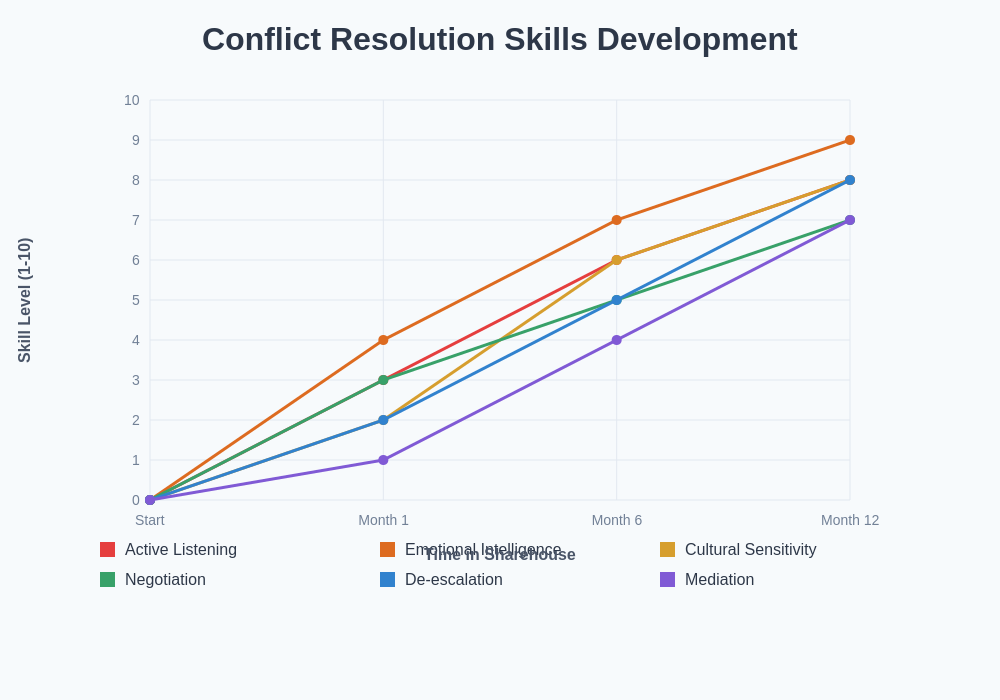
The intensive social environment of sharehouses provides exceptional opportunities for developing emotional intelligence through constant observation of emotional expressions, triggers, and responses across different cultural contexts. Residents learn to read subtle emotional cues and understand the underlying feelings that drive surface-level conflicts.
Living in close proximity with diverse personalities requires developing empathy and perspective-taking abilities that extend understanding beyond personal experiences and cultural assumptions. The necessity of maintaining positive relationships with people whose backgrounds and reactions differ significantly from one’s own builds emotional flexibility and compassion.
Daily exposure to emotional expressions and conflict triggers across different cultures builds sophisticated emotional vocabulary and recognition skills. Residents develop nuanced understanding of how stress, frustration, disappointment, and anger manifest differently across cultural backgrounds and individual personalities.
Why emotional intelligence becomes more important explores how these skills prove essential for navigating the complex social dynamics that characterize international living environments.
Communication Skills Refinement and Adaptation
Sharehouse living demands continuous refinement of communication skills as residents navigate language barriers, cultural misunderstandings, and varying levels of directness in expressing needs and concerns. The necessity of clear communication for practical coordination develops precision in expressing thoughts and active listening abilities.
The multilingual environment challenges residents to develop simplified communication strategies that transcend language limitations while maintaining emotional nuance and respect. This process builds exceptional clarity in expression and patience in ensuring mutual understanding during difficult conversations.
Residents naturally develop skill in reading non-verbal communication cues and understanding contextual meaning that extends beyond spoken words. The international environment requires sensitivity to different comfort levels with directness, confrontation, and emotional expression that builds sophisticated communication adaptability.
The practice of explaining personal needs and boundaries across cultural and linguistic differences develops exceptional clarity in self-expression and awareness of how different communication styles impact relationship dynamics and conflict resolution effectiveness.
Negotiation and Compromise Mastery
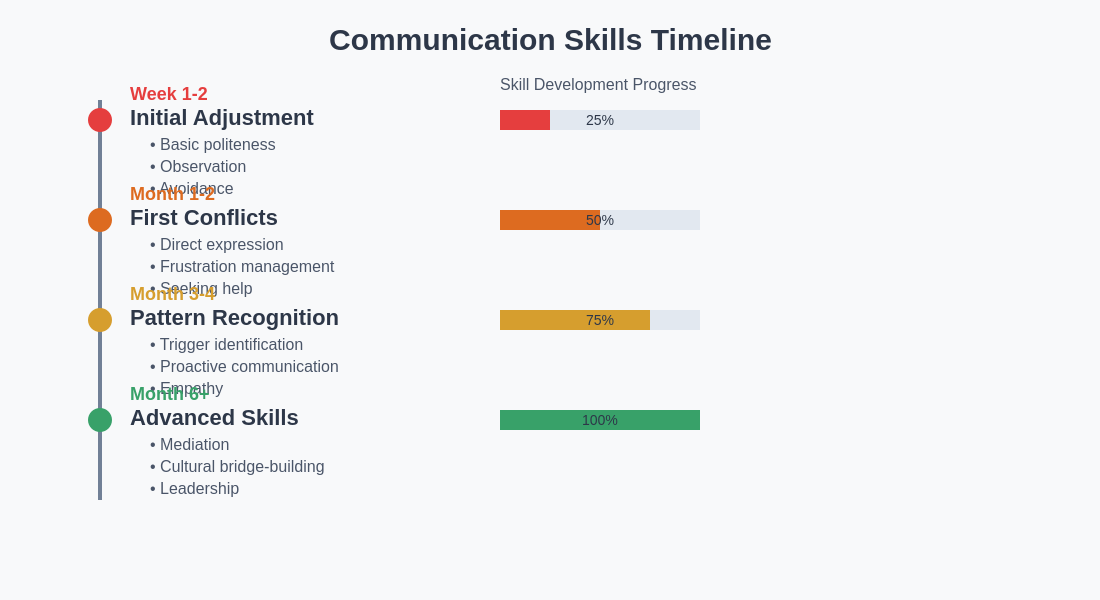
The shared living environment creates countless opportunities for developing negotiation skills through decisions about household rules, resource allocation, social activities, and personal boundaries. These daily negotiations require balancing individual preferences with group harmony and practical constraints.
Residents learn to identify win-win solutions that address multiple perspectives and needs simultaneously. The necessity of maintaining long-term relationships while resolving immediate conflicts builds strategic thinking about negotiation outcomes and relationship preservation.
The practice of finding creative compromises for issues ranging from kitchen scheduling to noise management develops innovative problem-solving approaches that consider multiple variables and stakeholder needs. How to handle roommate conflicts without moving out provides examples of practical negotiation strategies that residents develop through experience.
The international context adds complexity to negotiations by requiring consideration of different cultural values, expectations, and communication preferences that enhance the sophistication and effectiveness of compromise solutions.
Stress Management and De-escalation Techniques
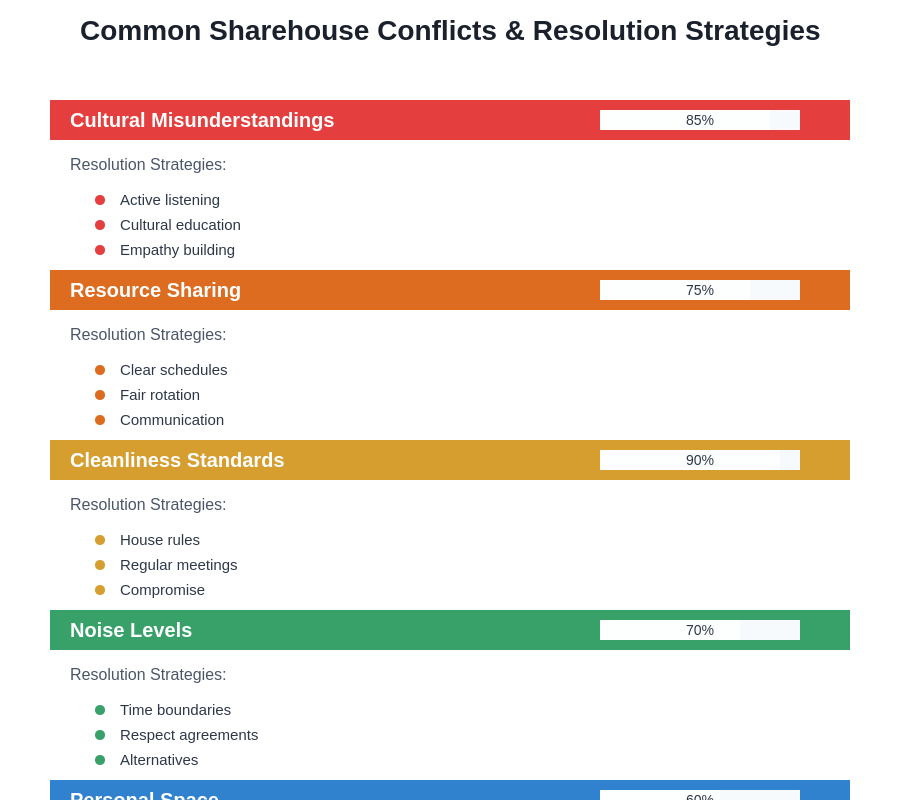
The high-pressure environment of shared living with multiple personalities and cultural backgrounds creates natural opportunities for developing stress management and conflict de-escalation abilities. Residents learn to recognize escalation triggers and implement calming strategies before situations become destructive.
The necessity of maintaining household harmony while addressing legitimate concerns builds skills in timing, approach selection, and emotional regulation during difficult conversations. Residents develop intuitive understanding of when to address issues immediately versus allowing cooling-off periods.
Living with diverse stress responses and coping mechanisms across different cultures builds understanding of how to approach conflicts with people who handle stress differently. This exposure develops flexible de-escalation strategies that adapt to individual personalities and cultural backgrounds.
The practice of managing personal stress while supporting housemates through their challenges builds emotional resilience and conflict prevention abilities that reduce the frequency and intensity of interpersonal difficulties.
Leadership and Mediation Development
The informal leadership opportunities that arise in sharehouses provide practical experience in mediation and conflict resolution facilitation. Natural leaders often emerge to help resolve disputes between other residents, developing valuable mediation skills through hands-on practice.
Residents learn to maintain neutrality while facilitating discussions between conflicting parties, developing skills in active listening, reframing issues, and guiding conversations toward collaborative solutions. These experiences build confidence in handling complex interpersonal situations and group dynamics.
The multicultural context adds sophistication to mediation skills by requiring understanding of different cultural approaches to authority, hierarchy, and conflict resolution preferences. Successful mediators learn to adapt their facilitation style to accommodate various cultural expectations and communication patterns.
The experience of successfully resolving conflicts for others builds reputation and trust within the community while developing advanced interpersonal skills that prove valuable in professional and personal contexts beyond the sharehouse environment.
Professional Skill Transfer and Career Benefits
The conflict resolution abilities developed through sharehouse living translate directly into professional advantages in workplace collaboration, team management, and client relationships. The multicultural communication skills prove particularly valuable in international business environments and diverse workplace settings.
The experience of navigating complex group dynamics and facilitating collaborative solutions builds leadership capabilities that employers highly value. The ability to remain calm under pressure while addressing sensitive interpersonal issues demonstrates emotional maturity and professional competence.
The cultural sensitivity and adaptability developed through international living experiences enhance career opportunities in globalized industries and organizations with diverse workforces. The practical experience of working with people from different backgrounds provides authentic cultural competency that supports professional advancement.
Why some residents become unofficial leaders explores how these naturally developed leadership and conflict resolution skills create opportunities for residents to take on greater responsibilities and influence within their communities.
Long-term Personal Growth and Relationship Benefits
The conflict resolution skills developed through sharehouse experiences create lasting improvements in personal relationships, family dynamics, and social interactions throughout residents’ lives. The enhanced emotional intelligence and communication abilities improve relationship satisfaction and reduce interpersonal stress.
The confidence gained through successfully navigating diverse conflicts builds resilience and adaptability that supports personal growth and life satisfaction. Residents develop optimism about their ability to handle challenging interpersonal situations and maintain positive relationships despite differences.
The exposure to different conflict resolution approaches and cultural perspectives creates flexibility in personal relationships and openness to different ways of handling disagreements. This adaptability enhances romantic relationships, friendships, and family dynamics by reducing rigid expectations and increasing empathy.
The practice of maintaining community harmony while expressing individual needs builds sophisticated boundary-setting skills that improve personal well-being and relationship quality in all life contexts.
Cultural Competency and Global Citizenship
The intensive multicultural exposure of Tokyo sharehouses develops genuine cultural competency that extends far beyond surface-level awareness of different customs and traditions. Residents develop deep understanding of how cultural backgrounds influence conflict perception, expression, and resolution preferences.
This cultural fluency creates more effective and respectful approaches to international relationships and collaborations throughout residents’ personal and professional lives. The ability to navigate cultural differences with sensitivity and skill proves valuable in increasingly globalized social and professional environments.
The experience of successfully building friendships and resolving conflicts across cultural boundaries develops confidence and enthusiasm for international engagement. How cultural sensitivity develops through daily interaction illustrates the transformation process that residents experience.
The development of global citizenship mindset through practical multicultural experience creates ambassadors for international understanding and cooperation who contribute positively to cross-cultural relationships throughout their lives.
Resilience Building Through Challenge Navigation
The constant low-level challenges and occasional significant conflicts that characterize sharehouse living build exceptional resilience and stress tolerance. Residents develop confidence in their ability to handle interpersonal difficulties and maintain positive relationships despite occasional setbacks.
The experience of working through conflicts with people initially perceived as incompatible builds optimism about human relationships and faith in the possibility of finding common ground across significant differences. This optimism enhances overall life satisfaction and relationship quality.
The practice of maintaining emotional equilibrium while addressing legitimate concerns builds emotional stability and maturity that supports personal well-being and relationship success throughout residents’ lives.
Why some residents develop better communication skills explores the specific mechanisms through which these resilience-building experiences create lasting personal development and improved relationship capabilities.
Integration and Application Beyond Sharehouse Context
The conflict resolution abilities developed through sharehouse experiences integrate into residents’ overall interpersonal skill set, creating natural and authentic improvements in communication effectiveness and relationship management. These skills become permanent aspects of personality and social functioning rather than temporary adaptations to living circumstances.
The confidence and competence gained through successfully navigating complex multicultural conflicts creates willingness to engage with challenging interpersonal situations in other contexts. Residents become resources for friends, colleagues, and family members seeking guidance on relationship difficulties and communication challenges.
The practical experience of building harmony in diverse communities creates lasting commitment to inclusive and collaborative approaches to group dynamics and social organization. Former sharehouse residents often become advocates for diversity and multicultural understanding in their subsequent communities and organizations.
The transformation of conflict resolution abilities through sharehouse living represents one of the most valuable and enduring benefits of the international living experience, creating capabilities that enhance personal satisfaction, professional success, and social contribution throughout residents’ lives.
Disclaimer
This article is for informational purposes only and reflects general observations about skill development in sharehouse environments. Individual experiences may vary significantly based on personality, cultural background, and specific living situations. The development of conflict resolution abilities depends on active engagement with challenges and commitment to personal growth rather than passive exposure to multicultural environments.