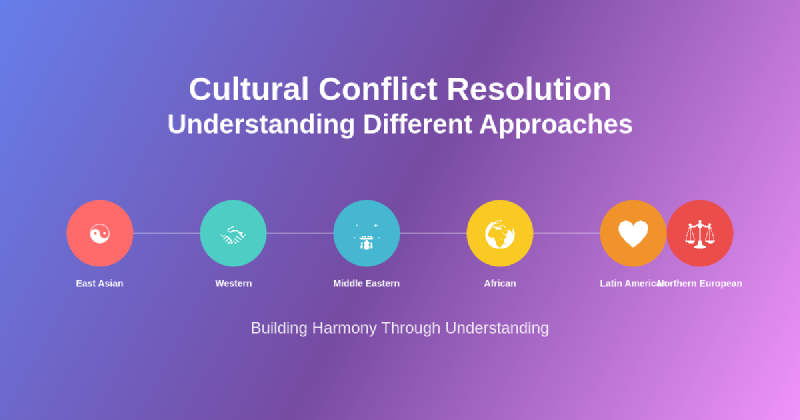
Living in an international sharehouse environment brings together individuals from diverse cultural backgrounds, each carrying distinct approaches to handling disagreements and resolving conflicts. These deeply ingrained cultural patterns of conflict resolution can create both fascinating learning opportunities and significant challenges when people from different backgrounds must navigate disputes together. Understanding these cultural variations becomes essential for creating harmonious living environments and building meaningful cross-cultural relationships.
The way individuals approach conflict resolution reflects centuries of cultural evolution, social norms, and communication patterns that vary dramatically across different societies. In sharehouse environments, where daily interactions require constant negotiation and compromise, these cultural differences become magnified and can either lead to enriching cultural exchange or persistent misunderstandings that affect the entire community’s well-being.
The Foundation of Cultural Conflict Resolution Patterns
Cultural approaches to conflict resolution emerge from fundamental differences in how societies prioritize individual versus collective needs, direct versus indirect communication, and hierarchical versus egalitarian social structures. These underlying cultural dimensions shape not only how people perceive conflicts but also what they consider appropriate responses and desired outcomes when disagreements arise.
Understanding how cultural differences affect friendship building provides essential context for recognizing how these patterns influence daily interactions and relationship development within sharehouse communities. The intersection of conflict resolution styles with friendship formation creates complex dynamics that require careful navigation and cultural sensitivity.
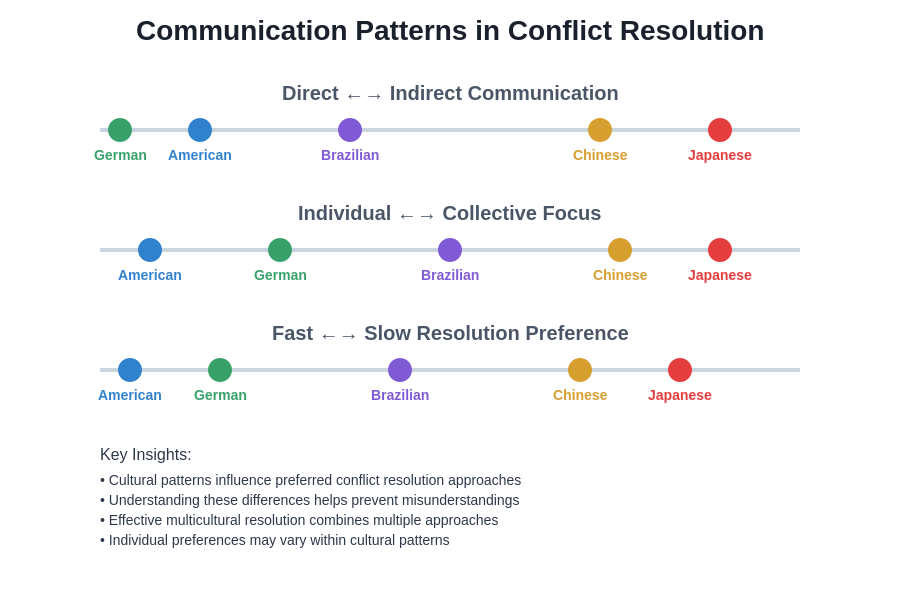
High-context cultures, prevalent in many Asian societies, tend to emphasize subtle communication, face-saving behaviors, and indirect approaches to addressing conflicts. Individuals from these backgrounds often prefer to resolve disputes through intermediaries, non-verbal cues, and gradual escalation processes that allow all parties to maintain dignity throughout the resolution process.
Low-context cultures, common in many Western societies, typically favor direct communication, explicit problem-solving approaches, and immediate addressing of conflicts through open dialogue. People from these cultural backgrounds often view direct confrontation as healthy and necessary for maintaining honest relationships and preventing small issues from escalating into larger problems.
Japanese Conflict Resolution Approaches in Sharehouse Settings
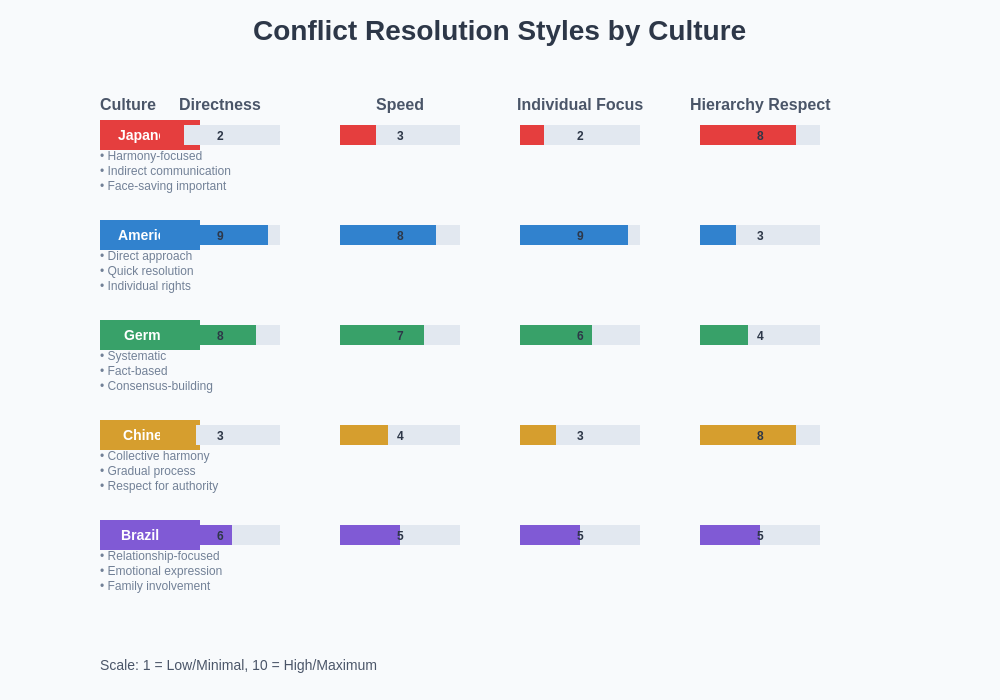
Japanese conflict resolution culture emphasizes harmony preservation, consensus-building, and face-saving mechanisms that can seem complex or indirect to international residents unfamiliar with these approaches. Living with Japanese roommates in Tokyo sharehouses offers insights into navigating these cultural dynamics effectively.
The concept of “wa” (harmony) drives much of Japanese conflict resolution, prioritizing group stability over individual satisfaction and encouraging solutions that allow everyone to maintain social standing. This approach often involves lengthy discussion periods, multiple informal consultations, and gradual movement toward consensus rather than quick decision-making or majority-rule outcomes.
Indirect communication patterns in Japanese culture include the use of suggestion rather than direct requests, silence as a form of disagreement, and the expectation that others will read between the lines to understand underlying concerns. International residents may initially interpret these behaviors as passive-aggressive or unclear, while Japanese residents might view direct approaches as aggressive or inconsiderate.
The role of hierarchy and seniority in Japanese conflict resolution affects how disputes are addressed, with age, experience, and social position influencing who speaks first, whose opinions carry more weight, and how solutions are implemented. Understanding these dynamics helps international residents navigate conflicts more effectively while respecting cultural norms and expectations.
Western Individualistic Approaches to Conflict Resolution
Western cultural approaches to conflict resolution typically emphasize individual rights, direct communication, and efficient problem-solving that aims to address issues quickly and move forward. How cultural communication styles create misunderstandings explores how these differences can impact daily sharehouse interactions.
The direct communication style common in many Western cultures involves explicitly stating problems, discussing disagreements openly, and expecting immediate responses and solutions. This approach values honesty, transparency, and individual expression even when it might create temporary discomfort or challenge group harmony.
Individual rights and personal autonomy play central roles in Western conflict resolution, with emphasis on protecting personal space, individual choices, and equal treatment regardless of age, gender, or social position. This can sometimes clash with more hierarchical or collective approaches favored by other cultures.
Time efficiency and quick resolution characterize many Western approaches to conflict, with preference for addressing issues immediately rather than allowing them to persist or require extended discussion periods. This urgency can sometimes conflict with cultures that prefer gradual consensus-building or extensive consultation processes.
Asian Collective and Hierarchical Resolution Methods
Many Asian cultures employ conflict resolution methods that prioritize group harmony, respect for authority figures, and face-saving mechanisms that protect all parties’ dignity throughout the dispute resolution process. How age differences impact sharehouse compatibility examines how hierarchical considerations affect conflict dynamics.
Collective decision-making processes involve extensive consultation with group members, seeking input from respected individuals, and working toward solutions that benefit the entire community rather than focusing solely on the disputing parties. This approach can take significantly more time but often results in more sustainable and widely accepted outcomes.
Face-saving mechanisms ensure that all parties can maintain their dignity and social standing throughout the conflict resolution process. This involves careful attention to public versus private discussions, allowing people to change their positions without appearing to lose face, and finding solutions that don’t require anyone to admit complete fault or failure.
The role of intermediaries and respected community members in facilitating discussions helps maintain neutrality and provides face-saving opportunities for all parties. These intermediaries often possess the cultural knowledge and social standing necessary to guide conversations toward acceptable solutions while respecting everyone’s dignity and cultural expectations.
Middle Eastern and Mediterranean Relationship-Focused Approaches
Middle Eastern and Mediterranean cultures often approach conflict resolution through relationship-focused methods that emphasize personal connections, family involvement, and honor-based considerations that extend beyond the immediate dispute. How friendship expectations differ across cultures provides context for understanding these relationship-centered approaches.
Family and community involvement in conflict resolution reflects the interconnected nature of relationships in many Middle Eastern cultures, where disputes between individuals affect entire social networks and require broader community consideration. This can involve consulting with family members, seeking advice from respected elders, and considering the impact of resolutions on extended relationships.
Honor and reputation considerations influence both the causes of conflicts and the acceptable methods for resolving them. Solutions must not only address the immediate problem but also preserve the honor and reputation of all parties involved, sometimes requiring creative approaches that satisfy multiple levels of social expectations.
Emotional expression and passionate discussion are often considered normal and healthy parts of the conflict resolution process in many Mediterranean cultures, where animated conversations and emotional intensity don’t necessarily indicate hostility or permanent damage to relationships. Understanding this communication style helps prevent misinterpretation of cultural expression patterns.
Northern European Consensus-Building and Systematic Approaches
Northern European cultures often employ systematic, consensus-building approaches to conflict resolution that emphasize thorough discussion, democratic decision-making, and fair treatment for all parties involved. How democratic decision-making works in international sharehouses explores how these methods function in practice.
Systematic problem-solving involves breaking down conflicts into component parts, analyzing each element thoroughly, and developing comprehensive solutions that address root causes rather than just surface symptoms. This methodical approach can seem slow to cultures that prefer quick resolution but often results in more permanent solutions.
Democratic participation ensures that all affected parties have opportunities to express their views, contribute to solution development, and participate in decision-making processes. This egalitarian approach values equal input regardless of age, gender, or social position, which can sometimes conflict with more hierarchical cultural approaches.
Fairness and equality principles guide both the process and outcomes of conflict resolution, with emphasis on ensuring that solutions don’t unfairly burden any particular individual or group. This focus on equitable treatment reflects broader cultural values around social justice and equal rights.
African Ubuntu and Community-Centered Resolution
African cultural approaches to conflict resolution, exemplified by the Ubuntu philosophy, emphasize community restoration, collective healing, and solutions that strengthen rather than divide social bonds. How community building happens in diverse sharehouses examines how these principles can enhance sharehouse dynamics.
Community restoration focuses on healing relationships and rebuilding social harmony rather than simply determining fault or punishment. This approach views conflicts as opportunities to strengthen community bonds and improve mutual understanding rather than as problems to be eliminated or winners to be determined.
Collective responsibility acknowledges that conflicts affect entire communities and that solutions require community participation and support. This perspective encourages shared ownership of both problems and solutions, creating more sustainable outcomes that benefit everyone involved.
Storytelling and oral tradition play important roles in African conflict resolution, with narrative approaches helping people understand different perspectives, share experiences, and find common ground through shared human experiences. These methods can be particularly effective in multicultural environments where people need to bridge different worldviews.
Latin American Familial and Emotional Resolution Patterns
Latin American cultures often approach conflict resolution through familial networks, emotional expression, and relationship repair that emphasizes maintaining personal connections despite disagreements. How extended family involvement affects sharehouse dynamics explores how these patterns influence living arrangements.
Familial mediation involves seeking guidance and support from family members who can provide perspective, offer advice, and help facilitate resolution processes. This approach reflects the central role of family relationships in many Latin American cultures and the belief that personal disputes affect broader family networks.
Emotional processing and expression are considered healthy and necessary parts of conflict resolution, with open discussion of feelings, concerns, and emotional impacts being viewed as essential for genuine resolution. This emotional openness can seem overwhelming to cultures that prefer more reserved approaches but often leads to deeper understanding and stronger relationships.
Relationship repair emphasizes restoring and strengthening personal connections rather than simply resolving immediate disputes. This focus on long-term relationship health often involves forgiveness, reconciliation rituals, and efforts to improve future interactions rather than dwelling on past problems.
Navigating Multi-Cultural Conflict Resolution in Sharehouses
Successfully managing conflicts in multicultural sharehouse environments requires understanding and respecting different cultural approaches while finding common ground that works for everyone involved. How to handle roommate conflicts without moving out provides practical strategies for managing these complex situations.
Cultural awareness and sensitivity training can help sharehouse residents understand different conflict resolution styles, recognize when cultural differences are influencing disputes, and adapt their approaches to be more effective with people from different backgrounds. This education helps prevent misunderstandings and promotes more successful resolution processes.
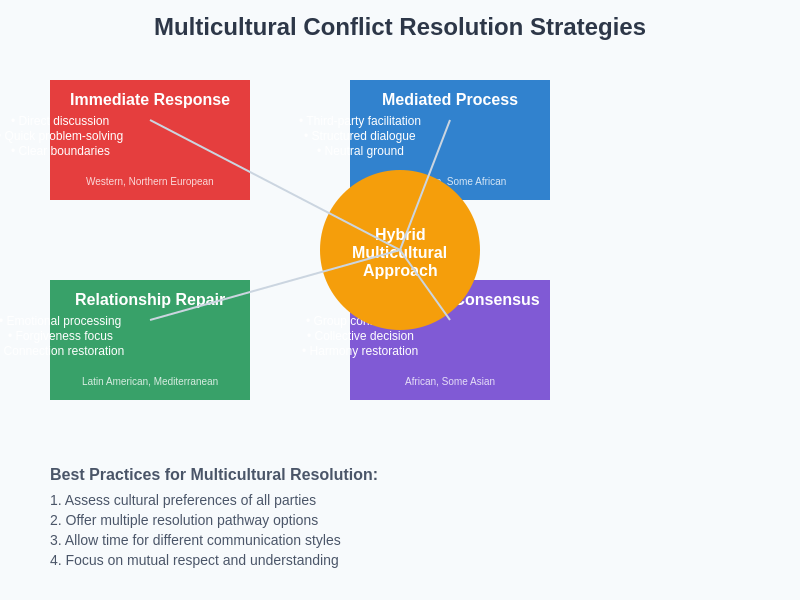
Hybrid approaches that combine elements from different cultural traditions can create inclusive resolution methods that respect everyone’s cultural background while achieving practical solutions. This might involve combining direct communication with face-saving mechanisms, individual expression with collective decision-making, or immediate action with thorough consultation processes.
Establishing house rules and agreements that acknowledge cultural differences while creating clear expectations can help prevent conflicts and provide frameworks for resolution when disputes do arise. These agreements should be developed collaboratively with input from all cultural perspectives represented in the house.
Building Cross-Cultural Conflict Resolution Skills
Developing effective cross-cultural conflict resolution skills requires practice, patience, and willingness to learn from mistakes and cultural misunderstandings. How cultural sensitivity develops through daily interaction examines how these abilities develop over time through consistent practice and learning.
Active listening across cultural boundaries involves not only hearing what people say but understanding the cultural context behind their communication style, the emotions they may be expressing indirectly, and the solutions they might prefer based on their cultural background. This deeper level of listening requires patience and cultural knowledge.
Flexibility in approach allows individuals to adapt their conflict resolution style to match the cultural preferences and comfort levels of others involved in disputes. This might mean being more direct with some people, more indirect with others, involving intermediaries when appropriate, or allowing more time for consensus-building processes.
Cultural humility acknowledges that everyone has unconscious biases and limited understanding of other cultures, creating openness to learning from mistakes and adjusting approaches based on feedback and new cultural knowledge. This humility creates space for growth and improvement in cross-cultural interactions.
Creating Inclusive Resolution Systems in International Communities
International sharehouse communities benefit from developing inclusive conflict resolution systems that accommodate different cultural approaches while maintaining fairness and effectiveness for all residents. Making friends through Tokyo sharehouse communities explores how inclusive approaches enhance community building.
Multi-step resolution processes can accommodate different cultural preferences by offering various options for addressing conflicts, from immediate direct discussion for those who prefer quick resolution to mediated processes for those who prefer indirect approaches or extended consultation periods.
Cultural mentorship programs pair experienced residents with newcomers to help them understand house dynamics, cultural expectations, and effective conflict resolution approaches within the specific community context. These relationships provide ongoing support and guidance for navigating cross-cultural interactions.
Regular community discussions about conflict resolution, cultural differences, and communication preferences help maintain awareness of diverse approaches and allow the community to continuously improve its inclusive practices. These conversations also provide opportunities for cultural education and mutual understanding.
The development of cultural competency in conflict resolution represents an ongoing journey rather than a destination, requiring continuous learning, practice, and adaptation as communities evolve and new cultural perspectives join the group. Success in multicultural living environments depends on embracing these differences as opportunities for growth rather than obstacles to overcome, creating richer, more harmonious communities that benefit everyone involved.
Understanding and respecting cultural differences in conflict resolution ultimately enriches the sharehouse experience by providing multiple pathways to harmony, teaching valuable life skills for an increasingly interconnected world, and creating opportunities for meaningful cross-cultural relationships that extend far beyond shared living arrangements.
Disclaimer
This article is for informational purposes only and presents general cultural patterns that may not apply to all individuals from any particular culture. Cultural approaches to conflict resolution exist on a spectrum, and personal preferences, individual experiences, and generational differences can significantly influence how people handle conflicts. Readers should avoid stereotyping and instead focus on understanding and respecting individual differences while being aware of potential cultural influences on communication and conflict resolution styles.