The sharing of consumer electronics in Tokyo sharehouses represents one of the most complex yet potentially rewarding aspects of communal living, where expensive devices become accessible through collective ownership while creating intricate webs of responsibility, usage rights, and maintenance obligations. Understanding how these sharing arrangements function in practice requires deep insight into Japanese cultural norms, international resident expectations, and the delicate balance between individual desires and community harmony that defines successful sharehouse living.
The dynamics of electronics sharing extend far beyond simple access to devices, encompassing issues of financial contribution, usage scheduling, maintenance responsibilities, and the establishment of community rules that accommodate diverse cultural backgrounds and personal preferences. These arrangements often serve as microcosms of broader sharehouse dynamics, revealing how residents navigate competing interests, establish trust, and create systems that benefit everyone while minimizing conflict and ensuring long-term sustainability.
The Economics of Shared Electronics
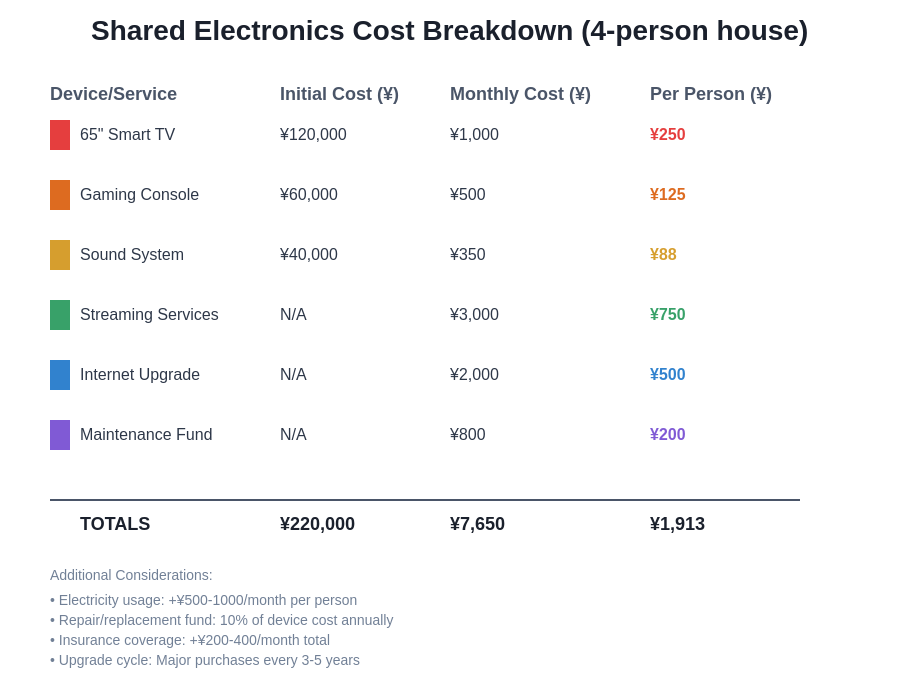
The financial structure underlying electronics sharing in Tokyo sharehouses typically involves complex calculations that account for initial purchase costs, ongoing maintenance expenses, utility consumption, and replacement planning that can significantly impact both individual budgets and overall house economics. Understanding living costs in Tokyo sharehouses provides context for how electronics sharing fits into broader expense management strategies.
Most sharehouses employ one of several funding models for major electronics purchases, ranging from upfront contributions by all residents to graduated payment systems based on usage frequency or room rental costs. The most common approach involves collective decision-making about purchases followed by proportional cost-sharing, though this system often creates complications when residents have different preferences, budgets, or planned duration of stay in the house.
The depreciation of electronics creates ongoing financial considerations as devices lose value over time while requiring maintenance, repairs, and eventual replacement. Houses must establish policies for handling situations where residents move out before devices reach the end of their useful life, often involving deposit systems or buyout arrangements that can become sources of significant conflict if not clearly established from the beginning.
Insurance and liability considerations add another layer of complexity, as shared electronics worth thousands of dollars require protection against damage, theft, and accidents that could result in significant financial losses for all residents. Many sharehouses struggle with determining appropriate coverage levels and responsibility allocation when expensive devices are damaged or stolen.
Common Area Entertainment Systems
Television and audio systems in sharehouse common areas serve as focal points for community interaction while simultaneously creating potential sources of conflict over content selection, volume levels, and usage timing that require careful management through established protocols and mutual respect. Making friends through Tokyo sharehouse communities explores how shared entertainment experiences contribute to relationship building.
The selection of appropriate television sizes and audio capabilities must balance competing desires for high-quality entertainment experiences with space constraints, budget limitations, and neighbor considerations that can restrict volume levels and usage hours. Japanese building standards and noise ordinances particularly influence audio system specifications and usage rules in urban sharehouses.
Streaming service subscriptions create additional complexity as residents may have different preferences for content libraries, language options, and specialized services that can result in multiple overlapping subscriptions or difficult choices about which services to maintain collectively. The management of shared accounts, password security, and simultaneous usage limits requires ongoing coordination and clear policies.
Remote control management, input switching protocols, and equipment operation procedures may seem trivial but often become sources of frustration when residents have different technical comfort levels or cultural approaches to shared property use. Establishing clear operating procedures and troubleshooting protocols helps minimize conflicts and ensures everyone can effectively use shared systems.
Gaming Console Sharing Dynamics
Gaming consoles in sharehouses create unique social dynamics that combine expensive hardware sharing with competitive gaming experiences, personal save data management, and scheduling challenges that can either unite communities through shared experiences or divide them through conflicts over access and usage priorities. The popularity of gaming among international residents makes console sharing particularly relevant in many Tokyo sharehouses.
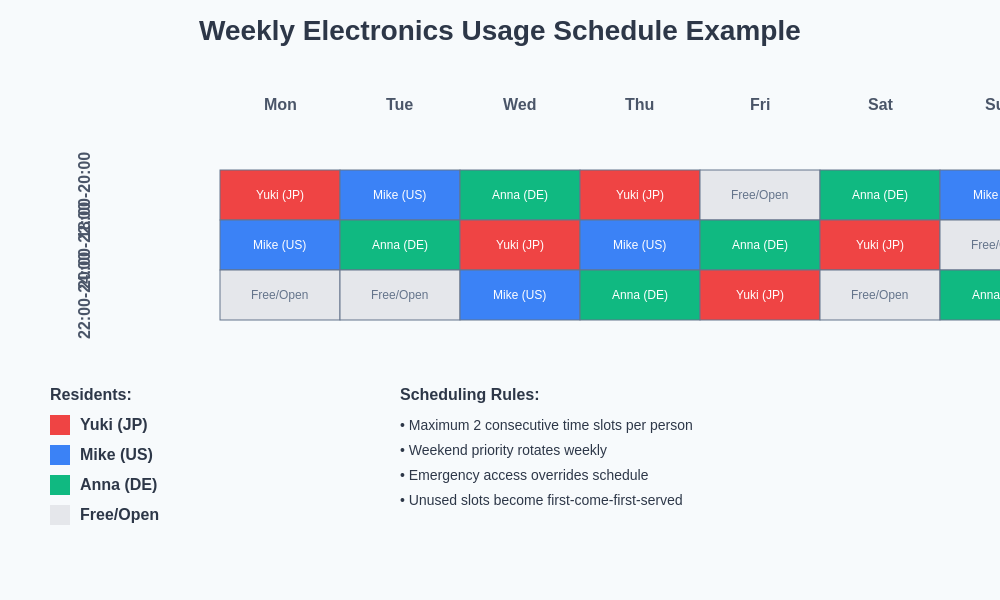
The establishment of fair usage scheduling becomes crucial when multiple residents want access to popular gaming systems, particularly during peak evening and weekend hours when work and study schedules allow for leisure time. Many houses implement reservation systems, time limits, or rotation schedules that attempt to balance individual desires with community needs.
Game library management presents ongoing challenges as residents may have different genre preferences, age ratings comfort levels, and financial willingness to contribute to game purchases. Digital versus physical game ownership creates additional complications regarding sharing, resale value, and account management that require clear policies and ongoing communication.
Multiplayer gaming experiences can enhance community bonding through cooperative and competitive play, but they can also create tensions when skill level differences, cultural gaming preferences, or competitive personalities clash during shared gaming sessions. Living with Japanese roommates in Tokyo sharehouses provides insights into cultural differences that may affect gaming experiences.
Personal Device Integration
The integration of personal smartphones, tablets, laptops, and other devices with shared entertainment systems creates technical and social challenges around compatibility, security, and usage protocols that require clear boundaries and established procedures for successful implementation. Modern sharehouses must accommodate diverse device ecosystems and varying technical comfort levels among residents.
Screen mirroring, casting, and direct connection capabilities allow personal devices to interface with shared displays and audio systems, but these connections can create security vulnerabilities, compatibility issues, and usage conflicts when multiple residents want to share content simultaneously. Establishing clear protocols for personal device connections protects both individual privacy and shared system security.
The sharing of charging stations, adapters, and accessories for personal electronics often extends beyond official sharing arrangements as residents informally borrow items for convenience, creating potential sources of conflict when items are damaged, lost, or not returned promptly. Many houses establish lending policies and tracking systems for commonly needed accessories.
Personal entertainment preferences clash with communal viewing when residents want to use shared screens for individual activities like video calls, streaming personal content, or playing mobile games, requiring negotiation and scheduling that balances individual needs with community access to shared facilities.
Internet and Connectivity Sharing
High-speed internet access represents one of the most critical shared electronic resources in modern sharehouses, affecting everything from work productivity to entertainment streaming quality, with usage patterns and bandwidth management creating ongoing challenges for maintaining adequate service levels for all residents. Understanding utility bills in Japanese sharehouses explains how internet costs are typically managed.
Bandwidth allocation and network prioritization become contentious issues when multiple residents engage in high-bandwidth activities simultaneously, such as video streaming, online gaming, or video conferencing for work or study purposes. Quality of service management and fair usage policies help ensure equitable access while maintaining acceptable performance levels.
Network security protocols must balance accessibility for legitimate residents with protection against unauthorized access and potential security breaches that could compromise personal data and shared network resources. Password management, guest access policies, and device registration systems require ongoing maintenance and clear procedures.
The proliferation of smart home devices, streaming dongles, and connected appliances can quickly overwhelm network capacity and create management challenges as residents add personal devices to shared networks without coordination or consideration of cumulative impact on network performance.
Maintenance and Repair Responsibilities
The maintenance of shared electronics involves complex responsibility allocation systems that must account for normal wear and tear, accidental damage, and deliberate misuse while ensuring adequate funding for repairs and replacements without creating unfair financial burdens for individual residents. Clear policies established before problems arise help prevent conflicts and ensure prompt resolution of technical issues.
Regular maintenance schedules for cleaning, software updates, and preventive care help extend device lifespans and maintain optimal performance, but these activities require coordination and assigned responsibilities that may not align with residents’ preferences or availability. Many houses establish rotating maintenance duties or designate technically inclined residents as informal maintenance coordinators.
When repairs are needed, houses must quickly determine whether issues result from normal use, accidents, or negligence, as this determination affects who bears financial responsibility for repair costs. Documentation systems, incident reporting procedures, and clear damage assessment protocols help ensure fair resolution of repair situations.
The decision to repair versus replace devices involves cost-benefit analyses that consider device age, repair costs, and remaining useful life, but these decisions must be made collectively and may involve significant financial commitments that affect all residents regardless of their individual usage patterns or preferences.
Usage Scheduling and Time Management
Effective scheduling systems for shared electronics must accommodate diverse daily routines, work schedules, and leisure preferences while ensuring fair access for all residents and maintaining community harmony during peak usage periods. The development of workable scheduling systems often requires experimentation and adjustment as house dynamics and resident needs evolve over time.
Peak usage conflicts typically occur during evening hours, weekends, and holidays when multiple residents have simultaneous leisure time and competing desires for entertainment system access. Houses employ various strategies including time limits, reservation systems, and priority scheduling that attempt to balance individual needs with community accessibility.
Cultural differences in entertainment preferences, viewing habits, and social norms around shared space usage can create scheduling challenges when residents have incompatible expectations about appropriate content, volume levels, or group versus individual usage of shared systems. Japanese sharehouse rules every foreigner should know provides cultural context for understanding these differences.
The enforcement of scheduling systems requires community commitment and clear consequences for violations, as informal systems often break down when residents prioritize personal convenience over established agreements. Successful houses typically combine clear rules with flexible adjustment mechanisms that accommodate changing needs and special circumstances.
Privacy and Security Considerations
The sharing of electronics creates privacy vulnerabilities when personal accounts, browsing history, and private information become accessible to other residents through shared devices and network connections. Residents must balance the convenience of shared access with the protection of sensitive personal and professional information.
Account management for streaming services, gaming platforms, and other online services becomes complicated when multiple residents use shared credentials while maintaining individual preferences, purchase histories, and privacy settings. Clear policies about account usage, personal information protection, and credential security help prevent unauthorized access and maintain individual privacy.
Smart devices and connected appliances in sharehouses collect data about usage patterns, preferences, and behaviors that may reveal personal information about individual residents to other house members or external parties. Understanding data collection practices and implementing appropriate privacy protections requires technical knowledge and ongoing vigilance.
The installation of personal security software, VPN services, and privacy tools on shared devices requires coordination to ensure compatibility and prevent conflicts between different residents’ security preferences and requirements.
Conflict Resolution and Community Rules
Electronics sharing conflicts often reflect deeper issues about communication, respect, and community values that require structured resolution processes and clear enforcement mechanisms to maintain house harmony and prevent minor disagreements from escalating into major disputes. How to handle roommate conflicts without moving out provides general conflict resolution strategies.
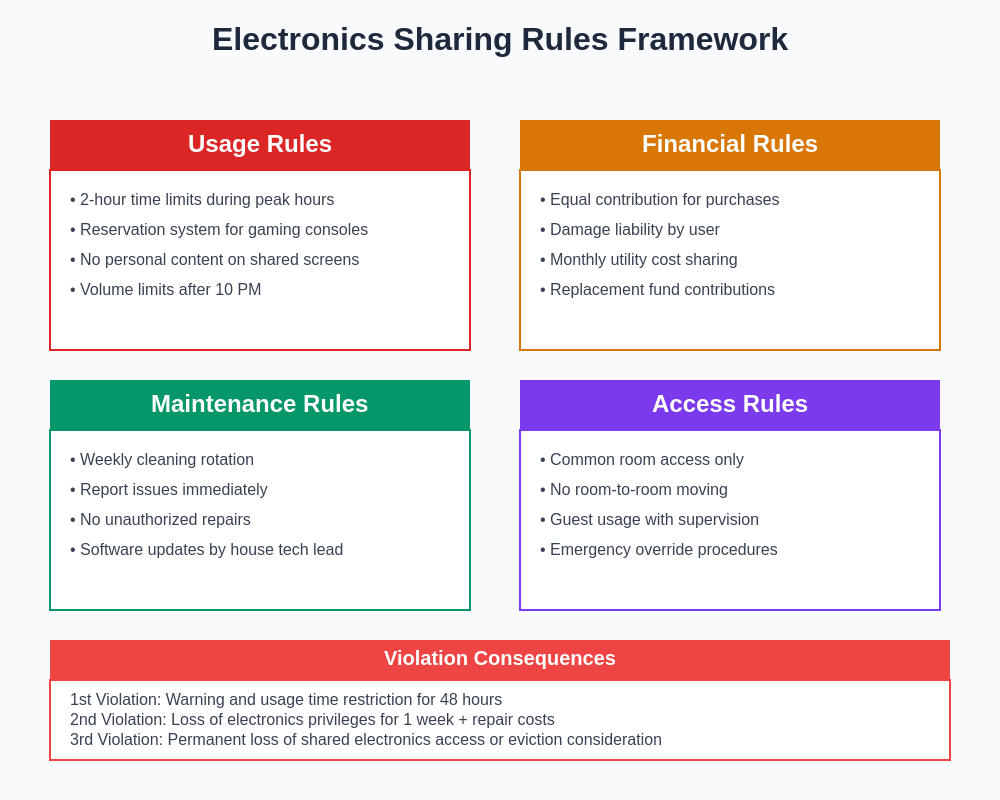
The establishment of house rules governing electronics use must balance individual freedoms with community needs while being specific enough to prevent misunderstandings and flexible enough to accommodate changing circumstances and resident preferences. Successful rule systems typically evolve through community input and regular review processes.
Enforcement mechanisms for electronics sharing violations range from informal community pressure to formal penalties and potential eviction for serious or repeated violations. The effectiveness of enforcement depends on community commitment to established rules and consistent application regardless of personal relationships or cultural differences.
Mediation processes for electronics-related conflicts should provide structured forums for addressing grievances while maintaining relationships and finding solutions that address underlying needs rather than just immediate disagreements. Many houses designate neutral mediators or establish regular house meetings for addressing ongoing concerns.
Cultural Differences in Sharing Attitudes
International residents bring diverse cultural attitudes toward shared property, personal responsibility, and community obligations that can create misunderstandings and conflicts without proper awareness and accommodation of different perspectives and expectations. Understanding these differences helps create inclusive sharing systems that work for residents from various cultural backgrounds.
Japanese cultural norms around group harmony, indirect communication, and collective responsibility may conflict with more direct communication styles and individualistic approaches to shared property that some international residents bring to sharehouse environments. Bridging these cultural differences requires patience, education, and flexible approaches to rule-making and enforcement.
Different cultural concepts of ownership, borrowing, and property care can lead to conflicts when residents have incompatible expectations about how shared electronics should be treated, maintained, and accessed. Clear communication about expectations and regular check-ins about satisfaction levels help identify and address cultural misunderstandings before they create serious problems.
The integration of cultural celebrations, entertainment preferences, and social customs through shared electronics systems can enhance community bonding when handled inclusively, but can create division when some residents feel excluded or overwhelmed by unfamiliar content or practices.
Technology Evolution and Upgrade Cycles
The rapid pace of technology evolution creates ongoing challenges for sharehouses as devices become obsolete, new features become desirable, and compatibility issues arise between older shared systems and newer personal devices that residents want to integrate with house electronics.
Upgrade decision-making processes must balance the desires for latest technology with budget constraints and the diverse needs of residents who may have different priorities for features, performance, and compatibility. Collective decision-making about major technology purchases requires structured processes that ensure all voices are heard while enabling timely decisions.
Backward compatibility concerns arise when houses upgrade some components while maintaining others, creating potential incompatibility issues that can render existing devices less useful or create additional complexity in system operation and maintenance.
The disposal of obsolete electronics requires coordination to ensure proper recycling, data security, and potential recovery of residual value through resale or trade-in programs that benefit all contributing residents rather than individuals who happen to be present during disposal decisions.
Long-term Sustainability Strategies
Successful electronics sharing systems require long-term planning that accounts for resident turnover, technology evolution, and changing community needs while maintaining financial sustainability and community satisfaction throughout changing house demographics and external circumstances.
Resident turnover creates ongoing challenges as new residents must be integrated into existing electronics sharing systems while departing residents may have contributed financially to devices they will no longer benefit from using. Clear policies for handling transition periods help ensure continuity and fairness during resident changes.
Community education and orientation processes help new residents understand existing electronics sharing systems while providing opportunities to suggest improvements and modifications based on their experiences and needs. Regular system reviews and updates ensure that sharing arrangements continue to serve community needs effectively.
The development of house traditions and social customs around electronics sharing can create positive community experiences that encourage respect for shared property and cooperation in maintaining systems that benefit everyone while creating lasting memories and friendships through shared entertainment experiences.
Electronics sharing in Tokyo sharehouses represents a complex intersection of technology, economics, culture, and community dynamics that requires careful planning, clear communication, and ongoing adaptation to create systems that enhance rather than complicate the shared living experience. Success depends on establishing clear expectations, maintaining open communication, and prioritizing community harmony while ensuring that technological resources serve their intended purpose of enhancing residents’ quality of life and social connections.
Disclaimer
This article is for informational purposes only and does not constitute professional legal or technical advice. Electronics sharing arrangements vary significantly between different sharehouses and may be subject to local regulations, insurance requirements, and contractual obligations. Readers should consult with relevant professionals and carefully review their specific housing agreements when implementing electronics sharing systems. The effectiveness of strategies mentioned may vary depending on individual circumstances, community dynamics, and technological requirements.