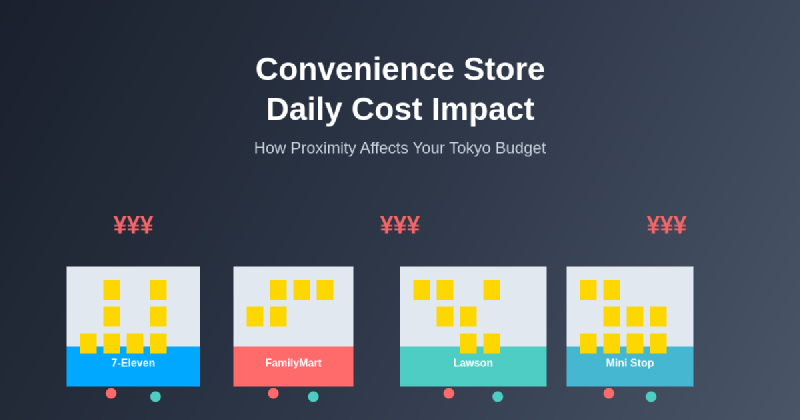
The proximity of convenience stores to your Tokyo sharehouse represents a seemingly minor location factor that can dramatically reshape your daily spending patterns, lifestyle habits, and overall monthly budget in ways that many international residents fail to anticipate until they experience the profound convenience and financial implications firsthand. The ubiquitous presence of convenience stores throughout Tokyo creates a unique retail ecosystem that fundamentally alters traditional shopping behaviors and cost structures for sharehouse residents.
Understanding how convenience store accessibility influences your financial habits becomes crucial for accurate budget planning and lifestyle adaptation in Tokyo’s distinctive urban environment. The convenience premium associated with these stores, combined with their strategic positioning and extended operating hours, creates complex spending dynamics that can either enhance your quality of life through time savings or significantly inflate your monthly expenses through impulsive purchasing patterns.
The Convenience Store Economy in Tokyo
Tokyo’s convenience store infrastructure represents one of the most sophisticated retail networks in the world, with over 8,000 stores distributed across the metropolitan area to ensure that virtually every resident lives within walking distance of multiple locations. The major chains including 7-Eleven, FamilyMart, and Lawson have strategically positioned their outlets to maximize accessibility while creating overlapping coverage areas that foster competition and service innovation.
The density of convenience stores in Tokyo far exceeds what international residents typically experience in their home countries, with some neighborhoods featuring stores on every block and major intersections hosting multiple competing outlets. Living costs in Tokyo sharehouses explained demonstrates how location-specific factors like store proximity contribute to overall monthly expense variations across different neighborhoods.
The economic model of Japanese convenience stores differs fundamentally from international counterparts through their emphasis on high-quality prepared foods, comprehensive service offerings, and premium pricing strategies that reflect the value proposition of ultimate accessibility and convenience. This model creates unique cost-benefit calculations for sharehouse residents who must balance convenience premiums against time savings and lifestyle quality improvements.
Direct Impact on Food and Meal Costs
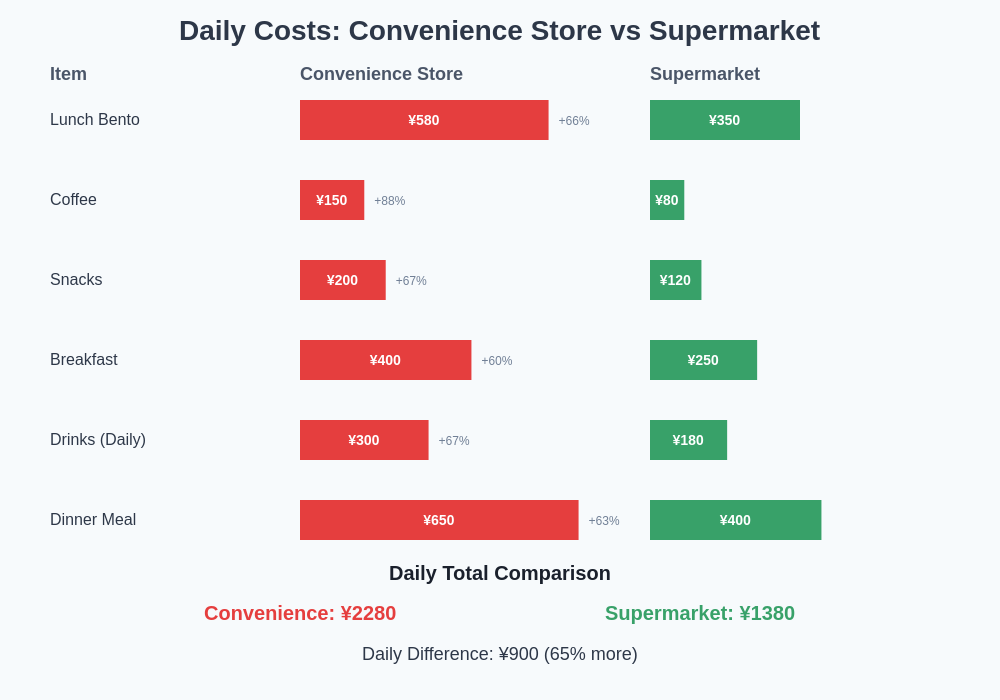
Convenience store proximity fundamentally alters food purchasing patterns and meal cost structures for sharehouse residents, particularly those with limited cooking facilities or demanding work schedules that restrict traditional grocery shopping opportunities. The prepared food sections of convenience stores offer extensive selections of ready-to-eat meals, snacks, and beverages that command significant price premiums compared to grocery store alternatives or home-cooked options.
A typical convenience store meal ranges from 400 to 800 yen, while equivalent grocery ingredients might cost 200 to 400 yen, representing markup rates of 50 to 100 percent for the convenience factor. How much Tokyo sharehouses really cost per month illustrates how these seemingly small daily expenses can accumulate into substantial monthly budget impacts for residents who rely heavily on convenience store dining.
The quality and variety of convenience store prepared foods in Japan often exceed international expectations, featuring restaurant-quality meals, fresh ingredients, and sophisticated preparation methods that justify premium pricing for many consumers. However, residents who consistently choose convenience over cost-effectiveness may find their food budgets expanding by 30 to 50 percent compared to traditional grocery shopping and home cooking approaches.
Late-night dining options represent another significant cost factor, as convenience stores provide 24-hour access to food and beverages when traditional restaurants and supermarkets have closed. This accessibility can lead to increased spending on late-night snacks, drinks, and meals that might otherwise be avoided or prepared at home with advance planning.
Service Premium and Convenience Costs
Beyond food expenses, convenience stores in Tokyo offer extensive service portfolios that create additional spending opportunities and convenience premiums that can significantly impact monthly budgets. Services such as package shipping, bill payments, ticket purchases, photocopying, and financial transactions generate frequent store visits that often result in impulse purchases and incremental expenses.
The convenience of handling multiple errands in a single location creates time savings that many residents value highly, but these services typically carry premium pricing compared to alternative options. How to budget realistically for sharehouse living emphasizes the importance of accounting for these service costs when planning monthly expenses and evaluating location-based living decisions.
Banking and financial services through convenience store ATMs often involve transaction fees that can accumulate substantially for frequent users, particularly international residents who may require cash more often due to limited credit card acceptance in certain situations. These fees, typically ranging from 100 to 300 yen per transaction, can add 2,000 to 5,000 yen monthly for regular users.
Package delivery and shipping services through convenience stores offer unmatched flexibility for busy residents but charge premium rates compared to direct courier services or post office alternatives. The convenience of 24-hour package pickup and drop-off locations justifies these costs for many residents, but budget-conscious individuals should consider the cumulative impact of frequent service usage.
Impulse Purchasing and Behavioral Economics
The strategic layout and merchandising techniques employed by Japanese convenience stores are designed to maximize impulse purchases and increase average transaction values through psychological triggers and behavioral conditioning that can significantly impact spending patterns for nearby residents. The placement of high-margin items near entry points, checkout counters, and frequently accessed sections creates numerous opportunities for unplanned purchases during routine visits.
Limited-time promotional items, seasonal specialties, and exclusive product collaborations generate artificial scarcity and urgency that encourage impulse buying behaviors among regular customers. How to calculate your true living costs highlights how these psychological spending triggers can inflate actual living expenses beyond planned budgets if not consciously managed.
The frequency of store visits for legitimate needs creates multiple daily exposure opportunities to promotional displays, new products, and tempting items that can result in incremental purchases that seem insignificant individually but accumulate into substantial monthly expenses. Residents living within one block of convenience stores report average visit frequencies of 2-3 times daily, dramatically increasing exposure to impulse purchase opportunities.
The cashless payment systems and digital point programs implemented by major convenience store chains reduce the psychological friction associated with spending by minimizing the tangible exchange of money and creating reward incentives that encourage increased purchase frequency and volume.
Location-Based Rent Versus Convenience Trade-offs
Sharehouses located in close proximity to multiple convenience stores often command rental premiums that reflect the perceived value of enhanced accessibility and lifestyle convenience, creating complex cost-benefit calculations for prospective residents. Best Tokyo neighborhoods for sharehouse living examines how convenience factors influence rental pricing and neighborhood desirability across different Tokyo areas.
The rental premium for convenience store proximity typically ranges from 5,000 to 15,000 yen monthly, depending on neighborhood density and accessibility factors. Residents must evaluate whether this upfront cost increase generates equivalent value through time savings, lifestyle improvements, and reduced transportation expenses for daily shopping needs.
Areas with limited convenience store access often feature lower rental costs but may require longer travel times and transportation expenses for routine shopping, potentially offsetting some of the savings through increased time investment and commuting costs. Cheaper sharehouse options in Tokyo suburbs explores how distance from central amenities affects both rental costs and daily living expenses.
The availability of late-night shopping options can particularly benefit residents with irregular work schedules, shift workers, or international business professionals who may find traditional retail hours incompatible with their lifestyle needs. For these individuals, the convenience premium may represent excellent value despite higher overall costs.
Comparative Analysis with Traditional Retail Options
Understanding the cost differentials between convenience stores and traditional retail alternatives enables informed decision-making about shopping patterns and budget allocation strategies. Supermarkets typically offer 20-40 percent lower prices on comparable items, while discount retailers and bulk purchasing options can provide even greater savings for budget-conscious residents.
The time investment required for traditional shopping, including travel time, shopping duration, and product selection processes, must be factored into cost comparisons to determine true value propositions. Living with Japanese roommates in Tokyo sharehouses discusses how cultural shopping preferences and habits influence household expense patterns and individual spending decisions.
Seasonal price variations affect convenience stores differently than traditional retailers, with convenience stores maintaining more stable pricing throughout the year while supermarkets offer greater seasonal discounts and promotional periods that can significantly reduce costs for strategic shoppers.
The quality consistency and product reliability of convenience store items often exceed that of discount alternatives, justifying premium pricing for residents who prioritize food safety, freshness, and reliability over cost minimization in their purchasing decisions.
Time Value and Opportunity Cost Considerations
The time savings generated by convenience store proximity create tangible value that must be quantified against premium pricing to determine overall cost-effectiveness for individual residents. For professionals with high hourly earning potential or demanding work schedules, the time saved through convenient shopping may justify significant convenience premiums.
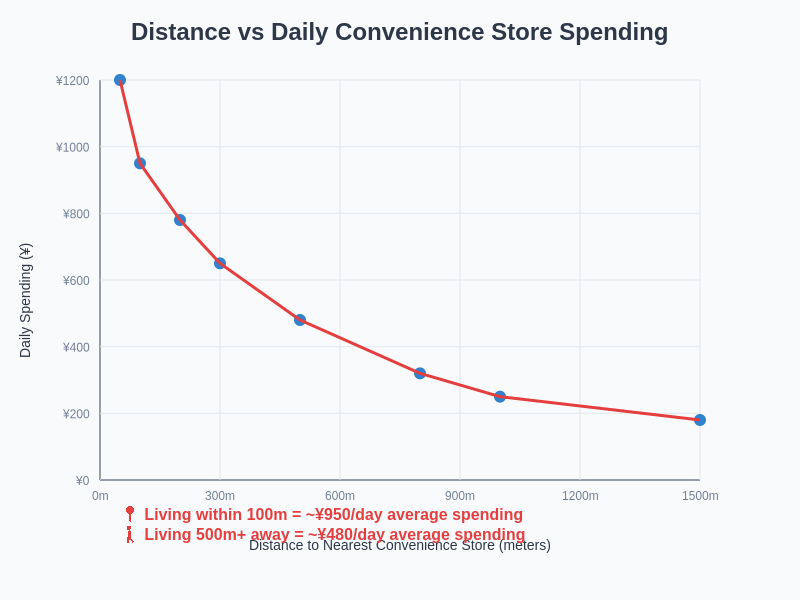
A typical convenience store visit requires 5-10 minutes compared to 30-60 minutes for equivalent supermarket shopping including travel time, representing substantial time savings that can be redirected toward productive activities, leisure pursuits, or additional work opportunities. How commute times impact your quality of life examines how location-based time savings affect overall lifestyle satisfaction and productivity.
The reduced planning and preparation requirements for convenience store shopping eliminate the need for extensive meal planning, shopping list preparation, and scheduled shopping trips that traditional grocery shopping demands. This flexibility particularly benefits residents with unpredictable schedules or those who prefer spontaneous lifestyle approaches.
The mental energy and decision-making fatigue associated with extensive shopping trips can be minimized through convenient local access, potentially improving overall quality of life and reducing stress levels despite higher financial costs.
Neighborhood Dynamics and Social Implications
Convenience store proximity influences social interactions and community dynamics within sharehouse environments through shared shopping patterns, meal timing synchronization, and informal gathering opportunities that can enhance or complicate residential relationships. Making friends through Tokyo sharehouse communities explores how local amenities affect social dynamics and friendship formation among residents.
Shared convenience store visits often create opportunities for spontaneous social interactions and collaborative purchasing decisions that can strengthen house community bonds while potentially influencing individual spending patterns through peer pressure or group purchasing behaviors.
The availability of immediate shopping options can reduce motivation for advance planning and collaborative house shopping arrangements that might otherwise generate cost savings through bulk purchasing and shared meals. This individualization of shopping patterns may increase overall household expenses while reducing community interaction opportunities.
Cultural differences in convenience store usage patterns among international residents can create learning opportunities and cultural exchange experiences that enhance the sharehouse living experience beyond simple convenience factors.
Long-term Financial Impact Assessment
The cumulative financial impact of convenience store proximity extends beyond immediate transaction costs to include long-term habit formation, lifestyle adaptation, and spending pattern establishment that can persist even after relocation to areas with different retail accessibility. How to spot financial red flags in sharehouse contracts emphasizes the importance of understanding all cost factors when evaluating housing decisions.
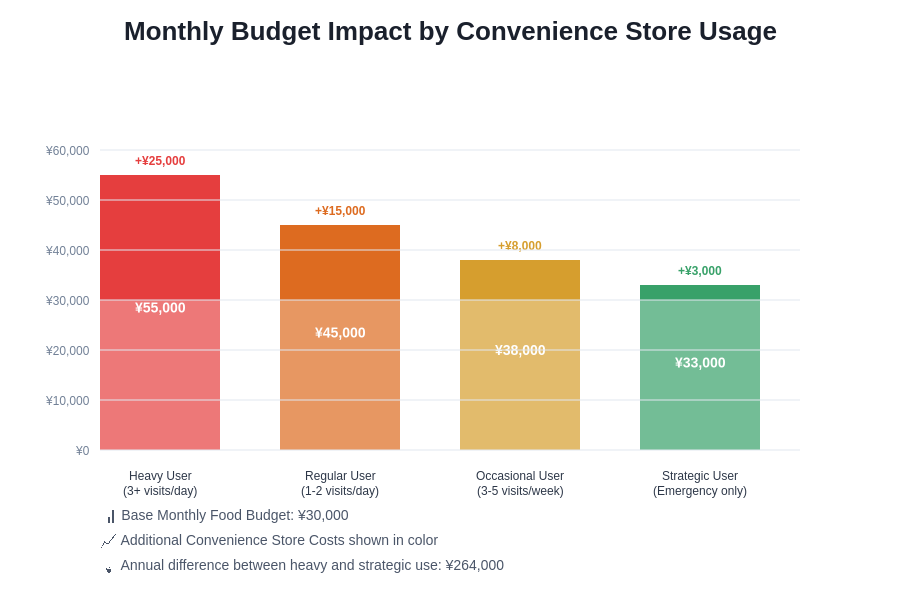
Monthly convenience store spending typically ranges from 15,000 to 40,000 yen for residents with high accessibility, compared to 5,000 to 15,000 yen for those who primarily utilize traditional retail options. This difference of 10,000 to 25,000 yen monthly represents 120,000 to 300,000 yen annually, constituting a significant portion of typical sharehouse budgets.
The lifestyle habits developed through convenient retail access can influence future housing decisions, career choices, and financial planning strategies as residents adapt their expectations and preferences to accommodate convenience-focused living patterns.
Investment in time-saving conveniences may enable increased earning potential through additional work opportunities, side projects, or skill development activities that generate financial returns exceeding the convenience premium costs.
Strategic Budgeting and Mitigation Approaches
Residents can implement various strategies to capture convenience benefits while minimizing financial impact through conscious spending management, selective usage patterns, and hybrid shopping approaches that balance convenience with cost-effectiveness. Setting monthly convenience store spending limits helps maintain budget discipline while preserving access to emergency and high-value convenience purchases.
Utilizing convenience stores primarily for emergency purchases, late-night needs, and time-critical situations while conducting routine shopping at traditional retailers optimizes cost-effectiveness without sacrificing essential convenience benefits. Understanding utility bills in Japanese sharehouses demonstrates how detailed expense tracking enables better financial management and spending optimization.
Leveraging convenience store services selectively for high-value applications such as package delivery, urgent bill payments, and travel-related transactions while avoiding routine usage for everyday purchases minimizes service premium costs while maintaining access to essential capabilities.
Establishing shopping routines that incorporate both convenience and traditional retail options based on specific needs, time availability, and price sensitivity enables optimized spending patterns that maximize value while controlling costs effectively.
The relationship between convenience store proximity and daily costs in Tokyo sharehouse living represents a complex interplay of lifestyle preferences, time valuation, and financial priorities that requires careful consideration and strategic management to optimize both quality of life and budget effectiveness. Understanding these dynamics enables informed decision-making about housing location choices and daily spending patterns that align with individual goals and financial constraints.
Disclaimer
This article is for informational purposes only and does not constitute financial advice. Convenience store pricing, services, and availability may vary by location and change over time. Individual spending patterns and cost impacts will vary based on personal habits, lifestyle choices, and financial circumstances. Readers should conduct their own research and consider their specific situation when making housing and budgeting decisions.