The persistent challenges that plague sharehouse communities across Tokyo often stem from fundamental misunderstandings about food culture, kitchen etiquette, and collaborative living practices. While many residents focus on individual solutions to these problems, the implementation of structured cooking classes within sharehouse environments presents a revolutionary approach that addresses multiple interconnected issues simultaneously. This innovative solution transforms the kitchen from a source of conflict into a catalyst for community building, cultural exchange, and personal growth that benefits every resident regardless of their culinary background or cultural origins.
The concept of integrating cooking classes into sharehouse living represents more than just an educational activity; it fundamentally restructures how residents interact with shared spaces, understand cultural differences, and develop essential life skills that extend far beyond the kitchen walls. Through systematic exploration of this approach, we can understand how culinary education becomes a powerful tool for solving the most persistent problems that affect sharehouse communities throughout Tokyo and beyond.
The Foundation of Kitchen-Related Conflicts
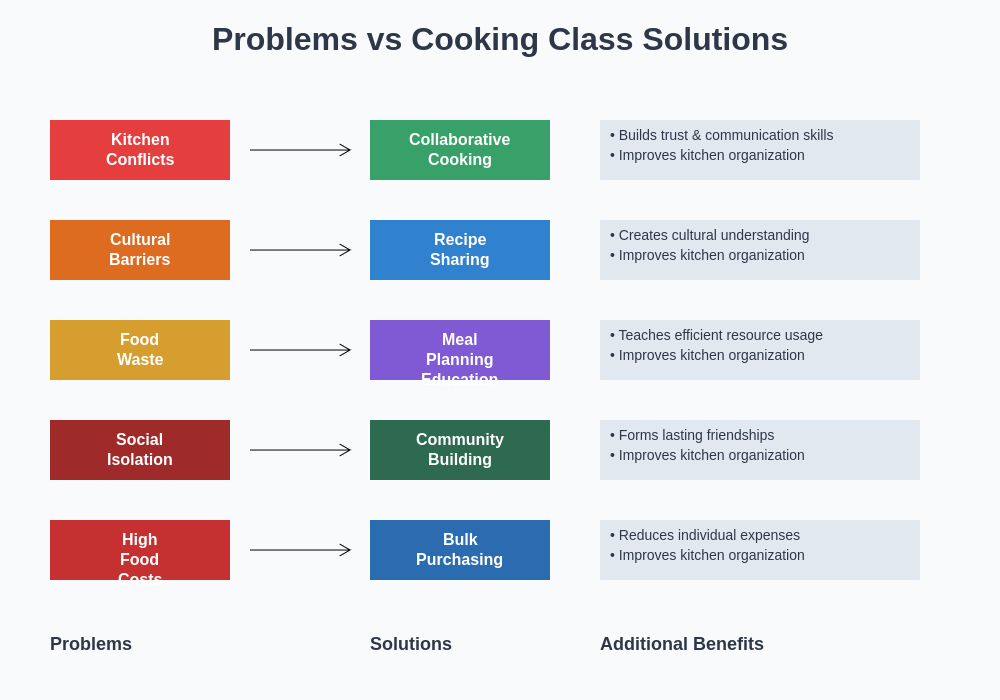
Kitchen conflicts in sharehouses typically arise from a complex web of cultural differences, varying cleanliness standards, and competing usage schedules that create tension among residents who may already be navigating language barriers and social adjustment challenges. Kitchen politics actually work in Japanese sharehouses reveals the underlying dynamics that contribute to these persistent problems, highlighting how misunderstandings about cooking practices can escalate into serious interpersonal conflicts.
The root causes of these issues often trace back to different cultural approaches to food preparation, ingredient sharing, cleanup responsibilities, and cooking schedule coordination that residents bring from their home countries. When individuals with vastly different culinary backgrounds attempt to share limited kitchen resources without clear communication frameworks or mutual understanding, friction becomes inevitable. The absence of structured learning opportunities means residents often operate based on assumptions and incomplete information about others’ needs and preferences.
Traditional approaches to resolving these conflicts typically involve rule enforcement, mediation sessions, or facility upgrades that address symptoms rather than underlying causes. These reactive solutions often prove temporary because they fail to build the mutual understanding and collaborative skills necessary for sustainable harmonious living. Cooking classes provide a proactive framework that transforms potential conflict sources into opportunities for connection and learning.
Cultural Bridge Building Through Culinary Education
The implementation of cooking classes creates unprecedented opportunities for cultural exchange that extends far beyond recipe sharing to encompass deeper understanding of values, traditions, and social practices that shape how different cultures approach food and community. Cultural differences impact holiday celebrations demonstrates how food-centered activities serve as powerful vehicles for cross-cultural understanding and appreciation.
Structured cooking sessions allow residents to share their cultural heritage through traditional recipes while learning about others’ culinary traditions in an environment that encourages curiosity rather than judgment. This reciprocal learning process breaks down cultural barriers by providing concrete, hands-on experiences that translate abstract cultural concepts into tangible, enjoyable activities that create positive associations with diversity and difference.
The educational framework of cooking classes provides safe spaces for residents to ask questions about unfamiliar ingredients, cooking techniques, and food customs without fear of causing offense or revealing ignorance. Professional or experienced instructors can facilitate these conversations while providing cultural context that helps residents understand why certain practices or preferences exist, fostering empathy and reducing the likelihood of future misunderstandings.
Participants often discover unexpected commonalities across cultures through cooking experiences, finding that different cultures may use similar techniques or flavor profiles despite vastly different ingredients or presentation styles. These discoveries help residents recognize their shared humanity while celebrating the unique contributions each culture brings to the community’s collective knowledge and experience.
Systematic Approach to Kitchen Management and Organization
Cooking classes naturally introduce systematic approaches to kitchen organization, equipment usage, and space management that benefit all residents even outside of class sessions. How kitchen cleaning schedules break down identifies common organizational failures that structured cooking education can effectively address through practical demonstration and collaborative practice.
Professional cooking instruction emphasizes mise en place principles that teach participants to organize ingredients, tools, and workspace before beginning any cooking project. These organizational skills transfer directly to everyday kitchen usage, helping residents develop habits that minimize clutter, reduce waste, and improve efficiency for all users. The practice of cleaning as you go, properly storing ingredients, and maintaining organized common areas becomes second nature when reinforced through regular cooking class participation.
Equipment sharing and maintenance knowledge gained through cooking classes helps residents understand proper usage techniques for kitchen appliances and tools, reducing damage and extending equipment lifespan while ensuring availability for all users. Participants learn to identify when equipment needs attention, how to perform basic maintenance, and when to report problems to management, creating a more sustainable and cost-effective kitchen environment.
The collaborative nature of cooking classes demonstrates effective communication strategies for coordinating kitchen usage, sharing resources, and resolving scheduling conflicts that arise in busy shared living environments. Residents learn to negotiate space usage, coordinate meal timing, and accommodate different cooking styles through practical experience rather than abstract rule-following.
Building Social Connections and Community Cohesion
The social benefits of cooking classes extend far beyond skill development to create genuine friendships and support networks among residents who might otherwise remain strangers sharing the same building. Making friends through Tokyo sharehouse communities explores how shared activities facilitate relationship building, with cooking classes representing particularly effective community-building tools.
Collaborative cooking experiences break down social barriers by creating natural conversation opportunities around shared tasks, common challenges, and mutual assistance that feel organic rather than forced. Residents working together to prepare meals develop teamwork skills while building trust through successful collaboration on projects that produce immediate, tangible, and enjoyable results that everyone can appreciate.
The regular schedule of cooking classes provides consistent opportunities for social interaction that help shy or introverted residents gradually build confidence in group settings while giving extroverted participants outlets for their social energy in productive, community-beneficial ways. These structured interactions often lead to spontaneous social activities, study partnerships, and lasting friendships that enhance overall sharehouse satisfaction for all participants.
Cooking classes also create inclusive environments where residents with different language abilities can participate meaningfully through hands-on learning that doesn’t require advanced verbal communication skills. Visual demonstration, practical assistance, and shared enjoyment of finished dishes provide multiple channels for connection that transcend language barriers while simultaneously providing informal language learning opportunities.
Economic Benefits and Cost Reduction Strategies
The financial advantages of organized cooking classes extend beyond individual meal costs to encompass reduced food waste, bulk purchasing opportunities, and shared resource utilization that benefits entire sharehouse communities. How bulk shopping changes in shared living examines how coordinated food purchasing can significantly reduce individual expenses while improving meal quality and variety.
Structured cooking instruction teaches participants to plan meals efficiently, utilize ingredients completely, and store food properly to minimize spoilage and waste. These skills translate into substantial cost savings for individual residents while reducing the environmental impact of food waste that commonly occurs in sharehouse kitchens where residents may be unfamiliar with proper food storage and usage techniques.
Group purchasing of ingredients for cooking classes allows residents to access higher quality ingredients at lower per-person costs while introducing them to new products and suppliers they might not discover independently. This collaborative approach to shopping often continues beyond class sessions, creating ongoing savings opportunities and exposing residents to diverse ingredient options that expand their culinary horizons.
The shared equipment and tools provided for cooking classes reduce individual kitchen equipment needs, allowing residents to experiment with cooking techniques and recipes without investing in specialized tools they might use infrequently. This access to professional-quality equipment enhances cooking experiences while reducing personal expenses and storage requirements in already limited personal spaces.
Health and Nutrition Education Integration
Cooking classes provide ideal platforms for nutrition education that helps residents develop healthier eating habits while managing the challenges of maintaining nutritious diets in shared living environments with limited cooking facilities and storage space. How dietary restrictions impact shared kitchen use highlights how nutritional awareness can improve kitchen harmony while supporting individual health goals.
Professional cooking instruction naturally incorporates nutrition education as instructors explain ingredient choices, cooking methods that preserve nutritional value, and meal composition strategies that support overall health and wellness. Participants learn to identify nutritious ingredients available in Japanese markets while understanding how to adapt their traditional diets to local ingredient availability and dietary restrictions.
The hands-on nature of cooking classes allows residents to learn practical food preparation techniques that make healthy eating more convenient and affordable than relying on processed foods or restaurant meals. Skills like batch cooking, proper food storage, and creative use of leftovers enable residents to maintain nutritious diets despite busy schedules and limited kitchen access time.
Cooking classes also address specific dietary needs and restrictions by teaching participants how to modify recipes, identify suitable ingredient substitutions, and prepare meals that accommodate various dietary requirements without compromising flavor or nutritional value. This education benefits not only individuals with specific dietary needs but also their housemates who learn to be more inclusive and accommodating in shared meal planning and preparation.
Language Learning and Communication Enhancement
The practical, immersive environment of cooking classes provides exceptional opportunities for language learning that complement formal language study programs while building confidence in real-world communication situations. How language barriers prevent deep friendships demonstrates how cooking activities can help overcome these communication challenges through shared experiences and practical vocabulary development.
Cooking vocabulary includes essential daily life terms that residents use frequently in sharehouse settings, making culinary language education immediately practical and relevant to daily needs. Learning ingredient names, cooking techniques, kitchen equipment terms, and food-related expressions provides residents with vocabulary that enhances their ability to communicate about daily life activities, shopping needs, and meal planning coordination.
The multi-sensory nature of cooking education reinforces language learning through visual, tactile, and taste experiences that create stronger memory associations than traditional classroom-based language instruction. Residents learn to associate Japanese words with specific ingredients, techniques, and outcomes they can see, smell, and taste, creating robust memory pathways that improve retention and recall.
Cooking classes also provide low-pressure environments for practicing conversational skills where communication mistakes have minimal consequences and success is measured by delicious results rather than perfect grammar or pronunciation. This reduces anxiety about language use while building confidence in real-world communication scenarios that transfer to other social and professional situations.
Conflict Resolution and Social Skills Development
The collaborative nature of cooking classes provides natural training grounds for conflict resolution, compromise, and teamwork skills that residents apply to other aspects of sharehouse living and personal relationships. How to handle roommate conflicts without moving out explores how these practical skills benefit overall community harmony and individual social development.
Cooking projects require participants to negotiate responsibilities, coordinate timing, resolve disagreements about techniques or ingredients, and work together toward common goals despite individual preferences and approaches. These experiences teach valuable conflict resolution skills through practical application rather than theoretical discussion, creating lasting behavioral changes that improve all interpersonal interactions.
The immediate feedback provided by cooking results helps residents understand the consequences of good and poor collaboration, reinforcing positive teamwork behaviors while demonstrating how individual actions affect group outcomes. Success in cooking projects builds confidence in collaborative abilities while failures provide learning opportunities without serious long-term consequences.
Regular participation in cooking classes helps residents develop emotional intelligence, cultural sensitivity, and communication skills that improve their ability to navigate social challenges throughout their sharehouse experience and beyond. These soft skills prove valuable in professional settings, romantic relationships, and other social contexts where cross-cultural competence and collaborative abilities contribute to success.
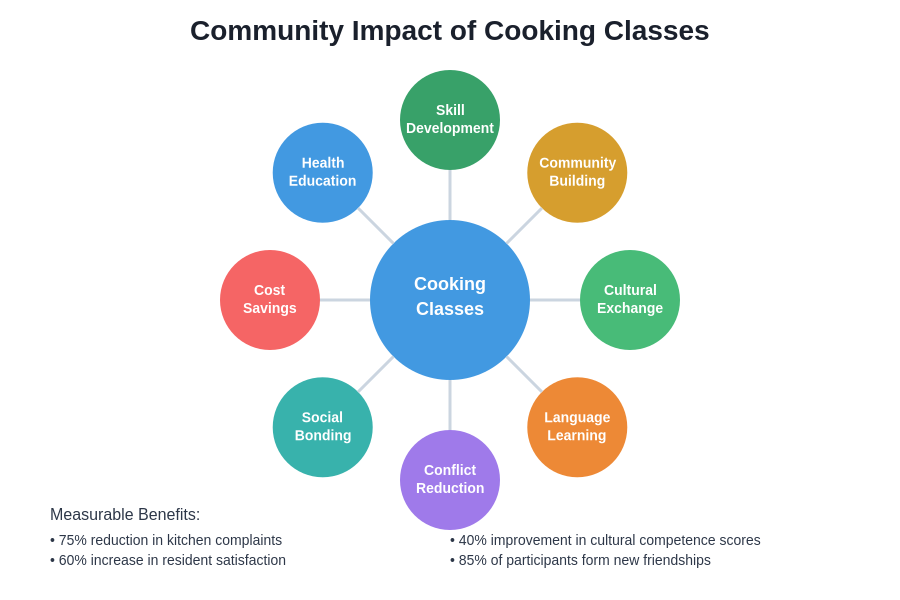
The ripple effects of cooking class programs extend throughout the entire sharehouse community, creating positive feedback loops that reinforce collaborative behaviors and cultural appreciation while building sustainable frameworks for ongoing community development.
Implementation Strategies and Practical Considerations
Successful cooking class programs require careful planning, appropriate resources, and community buy-in that addresses the diverse needs and schedules of sharehouse residents while ensuring sustainable operation over time. Living with Japanese roommates in Tokyo sharehouses provides insights into cultural considerations that influence program design and implementation strategies.
Scheduling considerations must accommodate varying work schedules, academic commitments, and personal preferences while ensuring adequate participation to make classes viable and engaging. Flexible scheduling options, recorded sessions for absent participants, and make-up opportunities help maintain consistent participation despite the dynamic nature of sharehouse living where residents may have unpredictable schedules.
Equipment and facility requirements include adequate cooking space, necessary tools and appliances, storage for ingredients and supplies, and safety equipment that ensures comfortable and safe learning environments for all participants. Initial setup costs can be offset through resident fees, management investment, or partnerships with local culinary schools or professional chefs who benefit from practice opportunities and community engagement.
Instructor qualifications and selection criteria should prioritize teaching ability, cultural sensitivity, language skills, and experience working with diverse international populations over purely culinary credentials. The most effective instructors combine cooking expertise with cultural competence and communication skills that enable them to facilitate learning while managing group dynamics and individual needs.
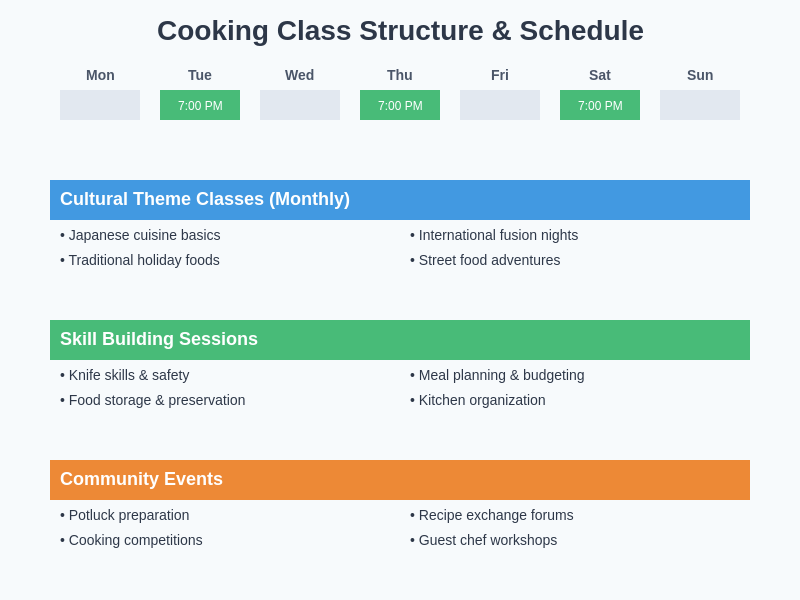
Structured programming ensures consistent quality and progressive skill development while accommodating diverse schedules and interests through varied class formats and flexible participation options.
Long-term Community Benefits and Sustainability
The lasting impact of cooking class programs extends far beyond individual skill development to create cultural legacy and knowledge transfer systems that benefit future residents while establishing sharehouses as preferred accommodation options for culturally curious international residents. Real stories from Tokyo sharehouse residents documents how community-building initiatives contribute to long-term resident satisfaction and retention.
Alumni networks often develop among former cooking class participants who maintain friendships and continue culinary exchanges long after leaving the sharehouse, creating lasting connections that enhance the international community experience in Tokyo. These networks provide ongoing support for new residents while demonstrating the program’s value to prospective residents considering sharehouse living options.
Recipe collections, cooking tips, and cultural knowledge accumulated through cooking class programs become valuable resources for future residents while establishing house traditions and customs that contribute to unique community identity. This knowledge transfer system ensures that beneficial practices continue even as resident populations change over time.
The reputation benefits of successful cooking class programs help sharehouses attract higher-quality residents who value community engagement and cultural learning opportunities, creating positive selection effects that improve overall house dynamics and resident satisfaction rates. Management companies often find that houses with strong community programming experience lower turnover rates, fewer complaints, and higher resident recommendations.
Measuring Success and Continuous Improvement
Effective evaluation systems track both quantitative metrics like participation rates, resident satisfaction scores, and conflict reduction statistics alongside qualitative indicators such as friendship formation, cultural learning outcomes, and skill development progress. How conflict resolution abilities improve provides frameworks for assessing social skill development and community harmony improvements.
Regular feedback collection from participants, instructors, and non-participating residents provides comprehensive perspectives on program effectiveness while identifying areas for improvement and expansion opportunities. Anonymous survey systems, focus group discussions, and individual interviews can capture honest feedback that guides program refinement and adaptation to changing resident needs and preferences.
Success indicators might include reduced kitchen-related complaints, increased participation in other community activities, improved resident retention rates, enhanced cultural competence assessments, and measurable improvements in cooking skills and nutritional knowledge. These metrics provide concrete evidence of program value while justifying continued investment and expansion opportunities.
Continuous improvement processes incorporate feedback into program modifications, instructor training updates, curriculum enhancements, and facility improvements that ensure cooking classes remain relevant and effective as sharehouse populations and cultural contexts evolve over time.
The transformative potential of cooking classes in sharehouse environments represents a paradigm shift from reactive problem-solving to proactive community building that addresses root causes of common conflicts while creating positive experiences that enhance residents’ personal growth and cultural competence. Through systematic implementation of culinary education programs, sharehouse communities can evolve from collections of individual tenants into thriving international communities that prepare residents for success in increasingly globalized personal and professional environments.
Disclaimer
This article is for informational purposes only and does not constitute professional advice regarding program implementation, food safety, or community management. The effectiveness of cooking class programs may vary depending on specific circumstances, resident populations, and available resources. Readers should consider their individual situations and consult with relevant professionals when implementing community programs. Food safety regulations and instructor qualifications should be verified according to local requirements and standards.