The aromatic complexity of international cooking in Tokyo sharehouses creates one of the most nuanced and emotionally charged challenges that residents face in their daily coexistence. What begins as innocent culinary expression often evolves into significant cultural friction that can fundamentally alter house dynamics and resident relationships. The intersection of diverse food traditions, personal sensitivities, and confined living spaces generates conflicts that extend far beyond simple complaints about smells, touching upon deeper issues of cultural identity, respect, and belonging.
Understanding these conflicts requires recognizing that food represents far more than sustenance for most international residents living in sharehouses. Cooking familiar dishes serves as emotional comfort, cultural connection, and identity preservation in an already challenging adaptation environment. When these fundamental needs clash with the sensitivities and preferences of housemates from different backgrounds, the resulting tensions can create lasting divisions that affect every aspect of shared living experiences.
The Science Behind Odor Sensitivity and Cultural Perception
Cultural food traditions fundamentally shape how individuals perceive, process, and react to different cooking aromas throughout their lives. What registers as appetizing and comforting to someone raised with specific spice profiles and cooking methods can trigger strong negative reactions in those unfamiliar with these aromatic signatures. This biological and psychological conditioning creates genuine physiological responses that extend beyond simple preference into actual discomfort and stress reactions.
The confined nature of sharehouse living amplifies these natural sensitivities exponentially, as cooking odors become concentrated in shared spaces with limited ventilation and escape routes. Understanding how air quality problems develop in crowded spaces reveals the technical aspects of how cooking aromas accumulate and persist in poorly ventilated environments, creating ongoing exposure that can overwhelm even moderately sensitive residents.
Research in olfactory psychology demonstrates that smell associations form powerful emotional connections that can trigger memories, stress responses, and cultural reactions that operate below conscious awareness. Strong cooking odors from unfamiliar cuisines can activate subconscious defensive mechanisms that manifest as irritation, anxiety, or rejection, even among individuals who consider themselves culturally open and tolerant in other contexts.
The persistence of certain cooking odors in fabric, furniture, and ventilation systems means that cultural conflicts around food smells often extend far beyond actual cooking periods, creating ongoing reminders and sources of tension that can escalate over time rather than naturally resolving through accommodation or adjustment.
Common Culinary Flashpoints in International Sharehouses
Certain cooking practices and ingredients consistently emerge as primary sources of conflict across diverse sharehouse communities, regardless of the specific cultural mix or management policies in place. Fermented ingredients, strong spices, and cooking methods that produce intensive aromatic output create predictable tension points that experienced sharehouse operators and residents learn to anticipate and address proactively.
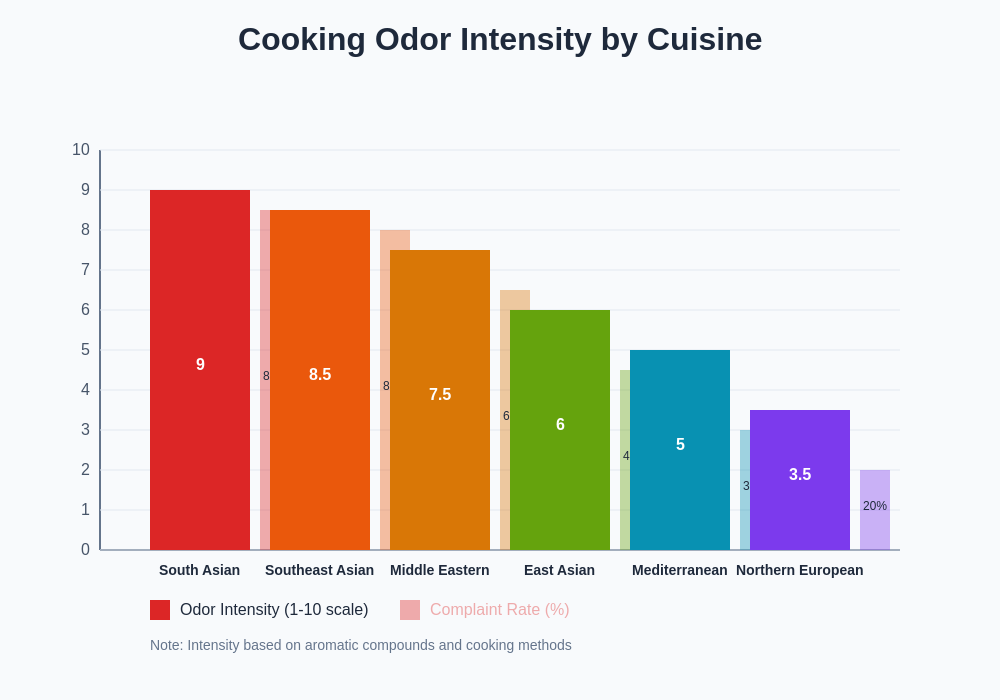
Indian and South Asian cooking traditions frequently generate conflicts due to the intensive use of aromatic spices, extended cooking times, and frying techniques that produce lingering odors. How cultural differences affect friendship building explores how these seemingly minor daily friction points can accumulate into significant relationship barriers that prevent genuine cross-cultural connections from developing naturally.
Southeast Asian cuisines involving fish sauce, shrimp paste, durian, and other fermented ingredients create particularly intense reactions among residents unfamiliar with these flavor profiles. The combination of unfamiliarity and biological odor intensity often produces immediate negative responses that residents struggle to overcome through rational understanding or cultural education alone.
Middle Eastern and North African cooking practices utilizing strong spice blends, preserved ingredients, and traditional cooking methods can create persistent aromatic environments that some residents find overwhelming. The frequency and duration of these cooking sessions often becomes as problematic as the intensity of the resulting odors, creating cumulative stress effects among sensitive housemates.
European and Western cooking traditions, while generally producing milder aromatic impacts, can still create conflicts when involving strong cheeses, seafood preparation, or unfamiliar cooking techniques. The assumption that Western cuisines are “neutral” or “normal” often masks subtle cultural biases that contribute to uneven conflict resolution and enforcement of house rules.
The Psychology of Cultural Food Identity and Adaptation Stress
Living in a foreign country while maintaining cultural identity through food creates complex psychological dynamics that intensify normal adaptation challenges for international residents. The kitchen becomes a sanctuary space where residents can temporarily reconnect with familiar comfort and cultural continuity, making restrictions or criticism of cooking practices feel like personal attacks on identity and belonging rather than simple practical accommodations.
Adaptation stress significantly amplifies sensitivity to criticism about cultural practices, including cooking habits that residents may never have considered problematic or unusual before living in international environments. How cultural sensitivity develops through daily interaction examines how positive cross-cultural learning can occur, but also highlights how negative experiences can create defensive responses that hinder integration and understanding.
The emotional investment in maintaining cultural food practices often correlates directly with the level of homesickness, cultural isolation, and adaptation difficulty that residents experience in their broader Tokyo living experience. Residents struggling with language barriers, social integration, or professional challenges may become particularly defensive about cooking practices as one of the few aspects of their cultural identity they can fully control and express.
Power dynamics within sharehouses significantly influence how cooking conflicts develop and resolve, with majority cultural groups often establishing informal norms that minority residents feel pressured to accommodate. These dynamics can create resentment and cultural hierarchy that extends far beyond kitchen usage into broader house social structures and community relationships.
Ventilation Inadequacies and Building Infrastructure Challenges
Many Tokyo sharehouses operate in converted residential buildings that lack adequate ventilation systems designed for intensive multicultural cooking activities. The infrastructure limitations create technical challenges that amplify cultural conflicts by making odor management genuinely difficult regardless of resident cooperation and consideration levels.
Standard Japanese residential ventilation systems typically accommodate traditional Japanese cooking methods, which produce relatively mild aromatic impacts compared to many international cuisines. How air quality concerns affect daily decisions explores how residents modify their behavior in response to poor ventilation, often creating additional sources of frustration and lifestyle limitations.
Kitchen exhaust systems in older sharehouse buildings frequently prove insufficient for managing multiple simultaneous cooking sessions involving strong spices, high-heat cooking methods, or extended preparation times. The resulting odor accumulation creates genuine air quality issues that can trigger headaches, respiratory irritation, and persistent discomfort among sensitive residents.
Building design factors including window placement, air circulation patterns, and proximity of sleeping areas to cooking spaces can exacerbate odor conflicts by creating uneven exposure levels among residents. Those whose rooms are located near kitchen areas often bear disproportionate impacts from cooking odors, leading to inequitable burden distribution that complicates fair conflict resolution efforts.
Communication Barriers and Conflict Escalation Patterns
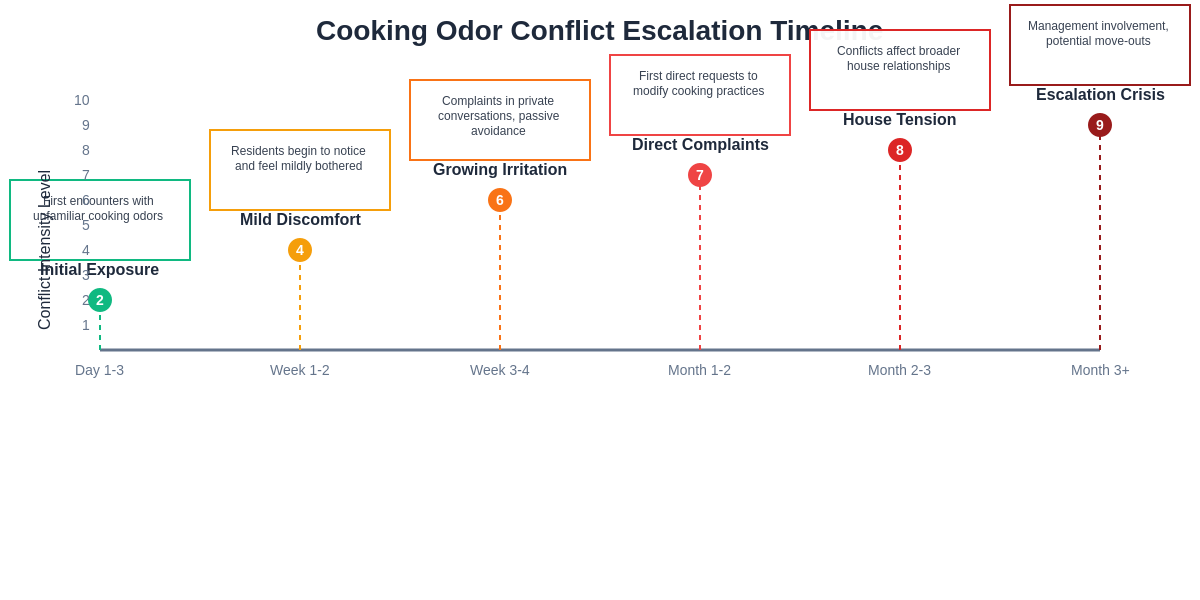
Language limitations significantly complicate discussions about cooking odors and cultural practices, as residents often lack vocabulary to express concerns respectfully or explain cultural significance of particular food traditions. Misunderstandings arise when criticism intended as practical accommodation requests are interpreted as cultural rejection or personal attack, escalating minor issues into significant interpersonal conflicts.
Cultural communication styles further complicate odor-related discussions, as directness levels, conflict avoidance patterns, and politeness expectations vary dramatically across different backgrounds. How cultural communication styles create misunderstandings provides insights into how well-intentioned conversations can deteriorate into lasting resentments through cultural miscommunication patterns.
Passive-aggressive responses to cooking odors often replace direct communication, creating toxic house atmospheres where residents express displeasure through behavior modifications, social exclusion, or retaliatory actions rather than addressing issues constructively. These patterns can persist for months without resolution, gradually poisoning house community dynamics and resident satisfaction levels.
Management involvement in cooking conflicts requires delicate cultural navigation that many sharehouse operators lack training or experience to handle effectively. Heavy-handed enforcement of odor restrictions can create discrimination concerns, while inadequate response to legitimate complaints can enable ongoing conflicts that drive residents to seek alternative housing options.
House Rules Evolution and Cultural Accommodation Strategies
Successful sharehouse communities often develop sophisticated house rule systems that balance cultural food freedom with community comfort through practical accommodation strategies rather than blanket restrictions. These evolving guidelines typically emerge through resident collaboration and experience rather than top-down management mandates, creating more sustainable and culturally sensitive solutions.
Time-based cooking schedules can help minimize conflicts by designating periods for intensive aromatic cooking while preserving quiet hours and peak kitchen usage times for milder food preparation. How meal timing affects kitchen access explores how strategic scheduling can reduce conflicts while maintaining cultural food freedom for all residents.
Ventilation enhancement through portable fans, air purifiers, and window usage protocols can significantly reduce odor accumulation while allowing continued cultural cooking practices. Residents often contribute financially to ventilation improvements when they understand the benefits for reducing ongoing conflicts and improving general kitchen comfort levels.
Ingredient storage protocols that minimize pre-cooking odors from fermented, aged, or particularly aromatic ingredients can address concerns about persistent smells while allowing continued use during actual cooking periods. Sealed containers, refrigeration requirements, and designated storage areas help contain odors during non-cooking periods without restricting cultural food practices.
Cross-Cultural Education and Empathy Building Approaches
Proactive cultural education about food traditions, cooking methods, and aromatic expectations can prevent conflicts by building understanding and managing expectations before problems develop. House orientation sessions that address cooking diversity help residents prepare mentally for aromatic variety while establishing respectful discussion frameworks for addressing concerns.
Cooking sharing events and cultural exchange meals can transform potential conflict sources into community building opportunities by allowing residents to experience unfamiliar cuisines in positive social contexts. Making friends through Tokyo sharehouse communities demonstrates how shared food experiences can strengthen cross-cultural relationships when approached constructively.
Recipe sharing and cooking collaboration can help residents understand the cultural significance and preparation requirements of different cuisines, building empathy and appreciation that reduces negative reactions to aromatic cooking. Educational approaches work best when they occur during positive social interactions rather than conflict resolution scenarios.
Compromise cooking techniques that maintain cultural authenticity while reducing aromatic intensity can provide practical solutions that satisfy both cultural needs and community comfort. Residents often discover modified preparation methods that preserve essential flavors while accommodating shared living environments through collaborative experimentation and cultural exchange.
Mediation Strategies and Conflict Resolution Frameworks
Effective mediation of cooking odor conflicts requires neutral facilitation that acknowledges both cultural rights and community comfort concerns without favoring particular food traditions or sensitivity levels. Professional mediation techniques adapted for cross-cultural contexts can help residents find sustainable solutions that preserve relationships while addressing practical concerns.
Compromise frameworks that establish clear expectations, accommodation responsibilities, and communication protocols provide structure for ongoing conflict prevention and resolution. How to handle roommate conflicts without moving out offers broader conflict resolution strategies that apply effectively to cooking-related cultural tensions.
Documentation of agreements and house rule modifications helps prevent recurring conflicts by establishing clear precedents and expectations for similar situations. Written guidelines reduce memory-based disputes and provide reference points for consistent application of cultural accommodation policies across different resident combinations.
Regular house meetings that address cooking concerns proactively can prevent minor irritations from escalating into major conflicts by providing structured opportunities for respectful discussion and collaborative problem-solving. Scheduled discussions normalize conversation about cultural differences while maintaining positive community relationships.

Long-term Community Impact and Resolution Success Factors
Successfully resolved cooking odor conflicts often strengthen house communities by demonstrating effective cross-cultural problem-solving capabilities and building mutual respect through collaborative accommodation efforts. Houses that navigate these challenges successfully develop reputations for cultural inclusivity that attract diverse, culturally aware residents who value international community experiences.
Unsuccessful resolution of cooking conflicts frequently leads to resident turnover, cultural segregation within houses, and deteriorating community atmospheres that can persist long after original conflict participants have moved out. Why some residents always feel like outsiders explores how unresolved cultural conflicts can create lasting exclusion patterns that affect house dynamics.
Cultural learning outcomes from addressing cooking conflicts often extend beyond food-related issues into broader cross-cultural competency development that benefits residents in professional, social, and personal contexts throughout their Tokyo experiences. The skills developed through respectful cultural negotiation prove valuable in diverse international environments beyond sharehouse living.
Prevention strategies focusing on resident selection, orientation programs, and proactive cultural education prove more effective than reactive conflict resolution approaches for maintaining harmonious international communities. Houses that invest in cultural competency development create more sustainable and satisfying living environments for all residents regardless of their cultural backgrounds.
The complexity of cooking odor conflicts in international sharehouses reflects broader challenges of cross-cultural coexistence in increasingly diverse urban environments. Success in navigating these conflicts requires combining practical solutions with cultural empathy, effective communication, and genuine commitment to inclusive community building that honors both individual cultural identity and collective comfort needs.
Disclaimer
This article is for informational purposes only and does not constitute professional advice regarding conflict resolution or cultural mediation. Individual experiences with cooking odors and cultural conflicts may vary significantly based on personal sensitivities, cultural backgrounds, and specific living situations. Readers should consult with relevant professionals and consider their specific circumstances when addressing cultural conflicts in shared living environments.