The seemingly innocent practice of sharing discount coupons among sharehouse residents in Tokyo has evolved into one of the most surprisingly complex social dynamics that foreign residents encounter during their Japanese living experience. What begins as a gesture of community cooperation and mutual benefit gradually transforms into an intricate web of unspoken rules, strategic thinking, and competitive behaviors that can fundamentally alter the social fabric of shared living spaces.
The coupon culture in Japan operates on a completely different level compared to most Western countries, with discount opportunities embedded into virtually every aspect of daily shopping and dining experiences. This abundance of savings opportunities, combined with the natural human tendency toward resource optimization and social positioning, creates perfect conditions for competitive dynamics that can surprise even the most culturally aware international residents living in Tokyo sharehouses.
The Foundation of Japanese Coupon Culture
Japanese retail and service industries have perfected the art of customer retention through sophisticated coupon and discount systems that reward loyalty, encourage repeat visits, and create complex webs of savings opportunities that require significant knowledge and strategic planning to maximize effectively. Understanding how grocery shopping becomes more strategic provides insight into how these systems influence daily decision-making processes among sharehouse residents.
The digital transformation of coupon distribution through smartphone applications, point card systems, and location-based offers has created an environment where information becomes currency and timing becomes critical for maximizing savings potential. Residents who master these systems gain significant advantages in their monthly budgets while those who remain uninformed face substantially higher living costs for identical purchases and services.
Traditional paper coupons from newspapers, magazines, and direct mail campaigns continue to play important roles alongside digital offerings, creating multiple streams of discount opportunities that require different strategies, timing considerations, and sharing protocols that can quickly become sources of tension when not properly managed within house communities.
The seasonal nature of many promotional campaigns means that certain periods throughout the year become particularly intense for coupon accumulation and strategic usage, creating natural pressure points where competitive behaviors tend to emerge most prominently among residents who are all attempting to optimize their personal financial situations.
Initial Cooperative Phases and Community Building
Most sharehouses begin their coupon-sharing practices with genuine intentions of mutual assistance and community building, where residents naturally share discovered discounts and promotional offers as part of broader efforts to create helpful and supportive living environments. Making friends through Tokyo sharehouse communities explores how these early cooperative behaviors contribute to initial relationship building among diverse international residents.
The honeymoon period of coupon sharing typically involves spontaneous announcements about discovered deals, informal group purchases to maximize bulk discounts, and casual exchanges of unused coupons that create positive social interactions and demonstrate thoughtfulness toward fellow residents. These early experiences often become foundational memories that residents reference when house dynamics become more complicated.
Newcomers to sharehouses frequently receive warm welcomes through coupon sharing, with established residents offering guidance about local discount opportunities, explaining application procedures for store loyalty programs, and sharing insider knowledge about timing strategies that can significantly impact monthly living expenses. This mentorship aspect creates initial bonds and establishes expectations about community participation.
The establishment of informal communication channels, whether through messaging groups, bulletin boards, or casual conversations, initially serves to democratize access to savings opportunities and ensure that all residents benefit from collective knowledge about discount availability and optimal usage strategies throughout the local shopping ecosystem.
The Emergence of Strategic Behaviors
As residents become more familiar with the economic value of effective coupon usage and begin to understand the finite nature of many promotional offers, strategic thinking naturally begins to influence sharing decisions and community interactions. How group buying power reduces individual costs examines how residents start to calculate personal benefits versus community advantages when making sharing decisions.
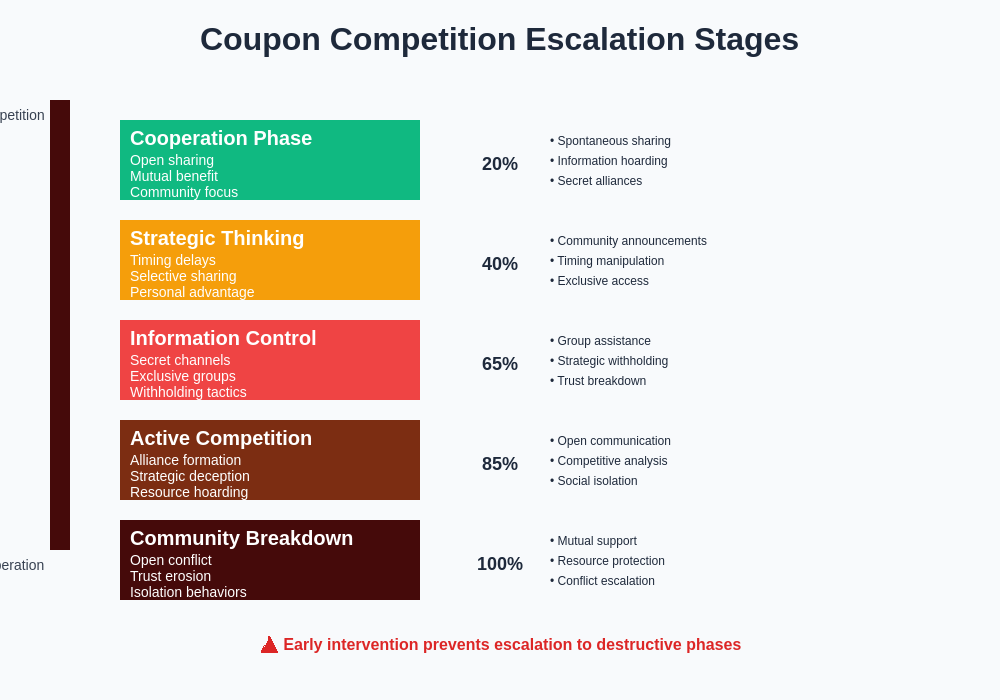
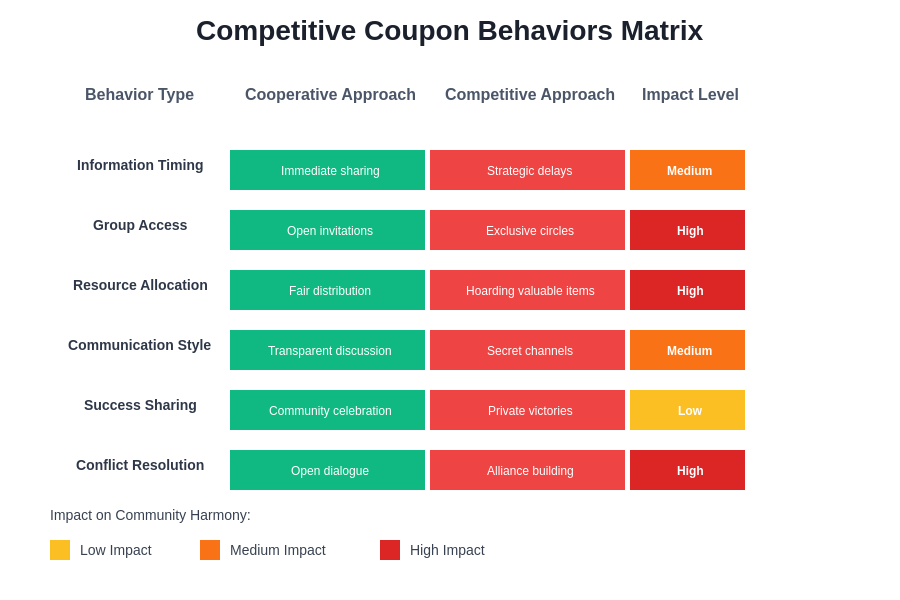
Information hoarding becomes the first noticeable shift from pure cooperation, where residents begin to delay sharing certain high-value opportunities until they have secured their own advantages, or selectively share information based on personal relationships and perceived reciprocity from other house members. This transition often occurs gradually and without explicit acknowledgment from the individuals involved.
The development of informal hierarchies based on coupon-finding abilities and deal negotiation skills creates subtle power dynamics where certain residents become known as the “deal experts” while others are relegated to passive recipient roles that can generate feelings of inadequacy or dependence that complicate social relationships within the house environment.
Strategic timing of announcements becomes increasingly sophisticated as residents learn to optimize their own benefits before sharing opportunities with others, leading to situations where the best deals have already been claimed by the time information reaches the broader house community, creating disappointment and suspicion among those who consistently miss out on premium opportunities.
Psychological Drivers Behind Competitive Escalation
The scarcity principle plays a fundamental role in transforming cooperative coupon sharing into competitive dynamics, particularly when promotional offers have limited quantities, specific timing requirements, or exclusive accessibility that prevents universal participation among all interested residents. How bulk buying creates storage problems illustrates how limited resources create natural competition even in cooperative environments.
Cultural differences in attitudes toward competition, individual versus collective benefit prioritization, and resource sharing create complex interactions where residents from different backgrounds approach coupon opportunities with varying levels of aggressive pursuit and community consideration that can lead to misunderstandings and conflicting expectations about appropriate behavior within shared living spaces.
Economic pressures affect residents differently based on their financial situations, employment status, and family support systems, leading to scenarios where some individuals view coupon optimization as essential survival strategy while others treat it as interesting hobby, creating fundamental misalignments in motivation levels and commitment to competitive behaviors that can strain relationships.
Social status considerations emerge when coupon success becomes associated with intelligence, resourcefulness, and cultural adaptation skills, leading some residents to pursue discount opportunities not primarily for economic benefit but for social recognition and perceived competence within the international community living environment.
Information Warfare and Strategic Withholding
The transformation of shared information into competitive advantage creates sophisticated systems of strategic withholding where residents carefully calculate the personal costs and benefits of sharing particular discount opportunities with house communities. How shared expense apps create new problems explores how technology amplifies these strategic considerations through detailed tracking and analysis capabilities.
Selective sharing based on personal relationships, perceived reciprocity, and social alliances becomes increasingly common as residents develop preferences for sharing valuable information only with trusted individuals while maintaining facades of general cooperation toward the broader house community. This behavior creates insider groups and outsider dynamics that can fundamentally alter social cohesion.
The creation of private communication channels, exclusive group chats, and secret sharing arrangements between trusted residents undermines the original spirit of community cooperation while creating parallel information networks that exclude certain house members from the most valuable discount opportunities and savings strategies available in the local area.
Deliberate misinformation and red herring sharing occasionally emerge as extreme competitive behaviors where residents share expired, invalid, or deliberately misleading coupon information to distract competitors while protecting their own access to legitimate high-value discount opportunities that require limited participation for maximum effectiveness.
Technology’s Role in Amplifying Competition
Smartphone applications and digital coupon platforms create unprecedented transparency in discount tracking while simultaneously enabling sophisticated monitoring of other residents’ coupon usage patterns, spending behaviors, and strategic preferences that can fuel competitive analysis and one-upmanship dynamics. How digital entertainment replaces social interaction examines how technology changes social dynamics in shared living environments.
Real-time notifications and location-based offers create time-sensitive opportunities that reward the fastest responders while disadvantaging residents who are slower to react, creating natural advantages for those who maintain constant connectivity and immediate responsiveness to digital promotional announcements throughout their daily routines.
Social media integration allows residents to observe each other’s shopping successes, restaurant visits, and discount utilization through photos, check-ins, and shared experiences that can generate envy, competitive pressure, and social comparison behaviors that extend far beyond simple economic considerations into broader lifestyle competition dynamics.
The gamification elements built into many coupon applications, including point accumulation, achievement levels, and leaderboard rankings, tap into competitive psychological drivers that transform discount hunting from practical necessity into addictive gaming experiences that can consume disproportionate amounts of time and mental energy while creating unhealthy competitive pressures.
Financial Disparities and Economic Tensions
Varying income levels among sharehouse residents create natural inequalities in both the necessity for aggressive coupon usage and the ability to take advantage of bulk purchase opportunities, group buying requirements, and upfront investment strategies that maximize long-term savings potential. Living costs in Tokyo sharehouses explained provides context for understanding how financial pressures influence resident behaviors.
The emergence of economic classes within house communities based on coupon sophistication and discount access creates subtle but persistent social stratification where residents with greater financial resources or cultural knowledge gain compounding advantages that can exacerbate existing inequalities and create resentment among those struggling with basic living expenses.
Competitive pressure to participate in group purchases, bulk buying initiatives, and shared subscription services can create financial strain for residents operating on tight budgets while generating guilt, social pressure, and feelings of inadequacy among those unable to contribute to collective savings strategies that benefit other house members.
The psychological impact of constantly comparing personal financial optimization strategies with more successful residents can lead to stress, anxiety, and unhealthy spending behaviors as individuals attempt to keep pace with competitive coupon usage while potentially exceeding their realistic budget constraints and financial capabilities.
Social Alliances and Exclusionary Practices
Strategic partnership formation between residents who share similar shopping preferences, schedule availability, and competitive intensity levels creates natural alliances that can exclude other house members from the most beneficial cooperative arrangements and discount opportunities. How friend groups form and exclude others examines how these dynamics develop in shared living environments.
Cultural affinity groups often develop stronger internal coupon sharing networks based on shared language abilities, cultural understanding of promotional systems, and similar attitudes toward competition and resource optimization that can inadvertently marginalize residents from different cultural backgrounds who may have different approaches to community cooperation.
The development of informal credit systems where residents track favors, reciprocal sharing, and mutual benefit contributions creates complex social accounting that can lead to disputes, perceived imbalances, and relationship deterioration when individuals feel that their contributions are not being fairly recognized or reciprocated by other community members.
Exclusive access arrangements for premium discount opportunities, group buying leadership roles, and advanced strategy sharing create insider circles that enjoy superior access to savings while maintaining barriers to entry that prevent other residents from achieving similar levels of economic optimization and community benefit participation.
Impact on House Harmony and Community Cohesion
The gradual transformation of cooperative coupon sharing into competitive dynamics creates subtle but persistent tension that affects daily interactions, social activities, and overall community atmosphere within sharehouse environments. How to handle roommate conflicts without moving out provides strategies for addressing these emerging social challenges.
Communication patterns shift from open information sharing toward guarded conversations, strategic omissions, and careful word choice that reflects underlying competitive awareness and protective behaviors that can make genuine friendship formation more difficult and community building less authentic throughout the shared living experience.
Trust erosion occurs gradually as residents begin to question motivations behind shared information, suspect strategic withholding from other house members, and develop cynical attitudes toward community cooperation that can undermine broader social cohesion and mutual support systems that are essential for successful sharehouse living experiences.
The emergence of spoken and unspoken rules about coupon sharing, discount claiming protocols, and group purchase participation creates regulatory overhead that requires constant navigation and can generate rule violations, enforcement conflicts, and disciplinary discussions that consume community energy and create adversarial rather than cooperative relationships.
Cultural Misunderstandings and Adaptation Challenges
International residents from cultures with different attitudes toward competition, resource sharing, and community cooperation often struggle to understand appropriate boundaries and behavioral expectations around coupon sharing within Japanese sharehouse contexts. How cultural differences affect friendship building explores how these misunderstandings develop and persist.
Language barriers can exacerbate competitive tensions when residents misinterpret sharing offers, promotional details, or usage restrictions, leading to accidental rule violations, inadvertent competitive behaviors, and communication failures that create conflict where none was intended by the original participants in discount sharing arrangements.
Different cultural concepts of fairness, reciprocity, and community obligation create conflicting expectations about appropriate levels of sharing, strategic behavior, and competitive intensity that can lead to cross-cultural conflicts and mutual misunderstanding that damages relationships and community harmony within diverse international living environments.
The learning curve for understanding Japanese promotional systems, discount culture, and optimal usage strategies creates natural advantages for residents with longer local experience while disadvantaging newcomers who may feel excluded from established competitive networks and sophisticated optimization strategies that require cultural knowledge and local experience to implement effectively.
Escalation Patterns and Breaking Points
Competitive coupon sharing typically follows predictable escalation patterns that begin with minor strategic withholding and gradually progress toward more sophisticated information warfare, alliance formation, and exclusionary practices that can fundamentally damage house community dynamics. Why some residents always feel like outsiders examines how these patterns contribute to social isolation.
Breaking points often occur during high-value promotional periods, seasonal sales events, or limited-time opportunities that create intense competitive pressure and reveal the full extent of strategic behaviors that residents have been developing gradually over extended periods of shared living experience, leading to open conflicts and relationship damage.
The discovery of secret sharing arrangements, exclusive group purchases, or deliberate information withholding can trigger community-wide discussions, rule-making sessions, and conflict resolution attempts that may or may not successfully address underlying competitive dynamics and restore cooperative community relationships among affected residents.
Some residents choose to withdraw entirely from coupon sharing activities rather than participate in competitive dynamics, leading to further community fragmentation and the loss of cooperative opportunities that originally benefited all house members through collective knowledge sharing and group optimization strategies.
Resolution Strategies and Community Management
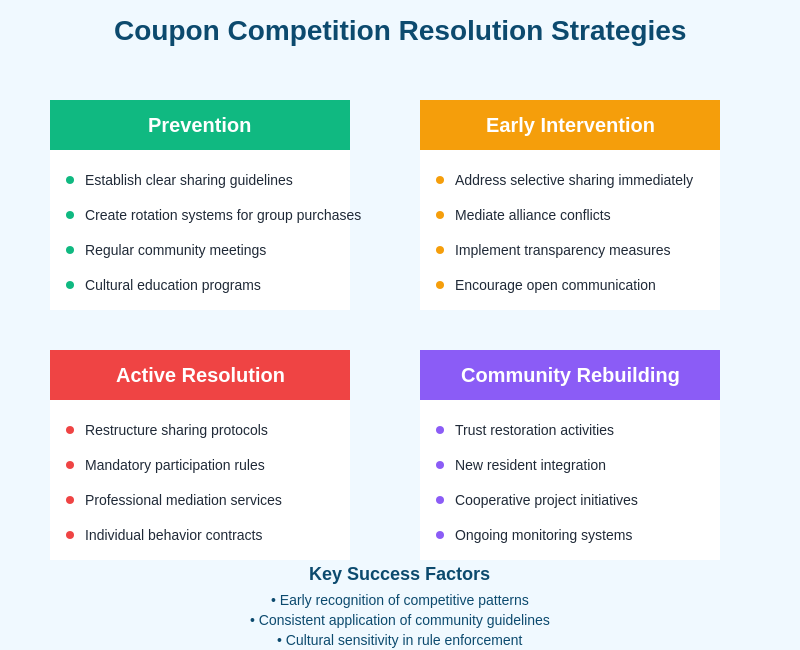
Successful management of competitive coupon sharing requires proactive establishment of clear community guidelines, transparent information sharing protocols, and fair access policies that prevent the development of exclusionary practices while still allowing residents to pursue individual economic optimization strategies. Japanese sharehouse rules every foreigner should know provides framework for understanding effective community management approaches.
Regular community meetings focused specifically on sharing protocols, discount opportunity coordination, and conflict prevention can help maintain cooperative atmospheres while addressing emerging competitive tensions before they escalate into relationship-damaging conflicts that require more intensive intervention and mediation efforts to resolve satisfactorily.
Technology solutions including shared digital bulletin boards, rotation systems for group purchase leadership, and transparent tracking of community contributions can help reduce information asymmetries and competitive advantages while ensuring fair access to collective savings opportunities for all interested residents regardless of their cultural background or coupon expertise levels.
Educational initiatives that help all residents understand Japanese promotional systems, optimal usage strategies, and cultural expectations around sharing can level the playing field while reducing competitive pressures that arise from knowledge imbalances and cultural misunderstandings that create natural advantages for some residents over others.
The evolution of coupon sharing from cooperative community building into competitive dynamics represents a fascinating microcosm of how economic pressures, cultural differences, and human psychology interact within the unique environment of international sharehouse living in Tokyo. Understanding these patterns can help residents navigate the complexities while maintaining positive community relationships and maximizing both individual and collective benefits from Japan’s sophisticated discount culture.
Disclaimer
This article is for informational purposes only and reflects observations about social dynamics in shared living environments. Individual experiences may vary significantly based on house culture, resident personalities, and management approaches. Readers should focus on building positive community relationships while pursuing personal financial goals in ways that support rather than undermine their living environment’s social cohesion.