The emergence of artist-friendly sharehouses in Tokyo has revolutionized how creative professionals connect, collaborate, and cultivate their artistic practices within supportive community environments. These specialized living spaces transcend traditional accommodation by fostering dynamic ecosystems where imagination flourishes, creative boundaries dissolve, and innovative projects emerge through the natural intersection of diverse artistic disciplines and cultural perspectives.
The transformation of conventional sharehouses into vibrant creative hubs reflects a growing recognition that artistic development thrives within collaborative environments where inspiration, resource sharing, and peer support create conditions for extraordinary creative breakthroughs. Understanding how these communities organically develop and sustain themselves provides valuable insights for artists seeking authentic creative partnerships and meaningful artistic growth opportunities.
The Foundation of Artist-Focused Living Environments
Artist-friendly sharehouses distinguish themselves from conventional shared accommodation through deliberate design choices and community structures that prioritize creative expression over purely functional living arrangements. These spaces typically feature expanded common areas configured as impromptu studios, performance venues, and exhibition spaces where residents can seamlessly transition between private creation and collaborative exploration.
The architectural modifications often include enhanced natural lighting, improved ventilation systems for art materials, soundproofing for musical practice, and flexible wall systems that accommodate changing artistic installations and project requirements. Understanding the best Tokyo neighborhoods for sharehouse living becomes particularly relevant for artists seeking areas with established creative scenes and affordable studio rental options nearby.
Management philosophies in artist-focused sharehouses embrace controlled chaos and creative experimentation rather than rigid cleanliness standards and quiet hours that characterize traditional residential environments. House rules typically accommodate irregular working schedules, occasional public events, and the inevitable mess that accompanies serious artistic practice while maintaining basic community harmony and mutual respect.
The selection process for residents often involves portfolio reviews, artistic compatibility assessments, and demonstrated commitment to community participation rather than solely financial qualifications and standard background checks. This screening approach ensures that incoming residents contribute to the creative ecosystem rather than merely consuming shared resources and space.
Organic Network Formation and Creative Collaboration
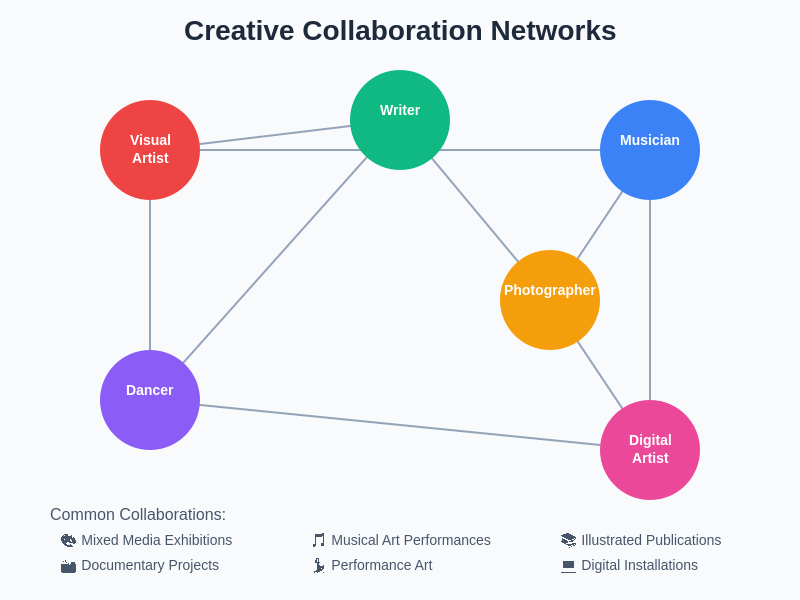
Creative communities within artist sharehouses develop through spontaneous interactions and shared challenges that naturally bring residents together around common artistic interests and complementary skill sets. The proximity of diverse creative practices creates numerous opportunities for cross-pollination between disciplines, leading to unexpected collaborative projects and innovative artistic approaches.
Daily routines in artist sharehouses often revolve around creative schedules rather than conventional work patterns, creating natural gathering points during unconventional hours when traditional social venues remain closed. Late-night painting sessions, early morning music practice, and afternoon critique sessions become regular community touchpoints where relationships deepen and creative partnerships emerge organically.
Making friends through Tokyo sharehouse communities takes on unique dimensions in artist-focused environments where friendships develop around shared creative struggles, collaborative projects, and mutual artistic support rather than purely social compatibility or convenience factors.
The informal mentorship relationships that emerge between more experienced artists and newcomers create knowledge transfer systems that benefit the entire community while establishing sustainable support networks for artistic development and professional growth. These relationships often evolve into lasting creative partnerships that extend far beyond the sharehouse environment.
Resource Sharing and Creative Infrastructure
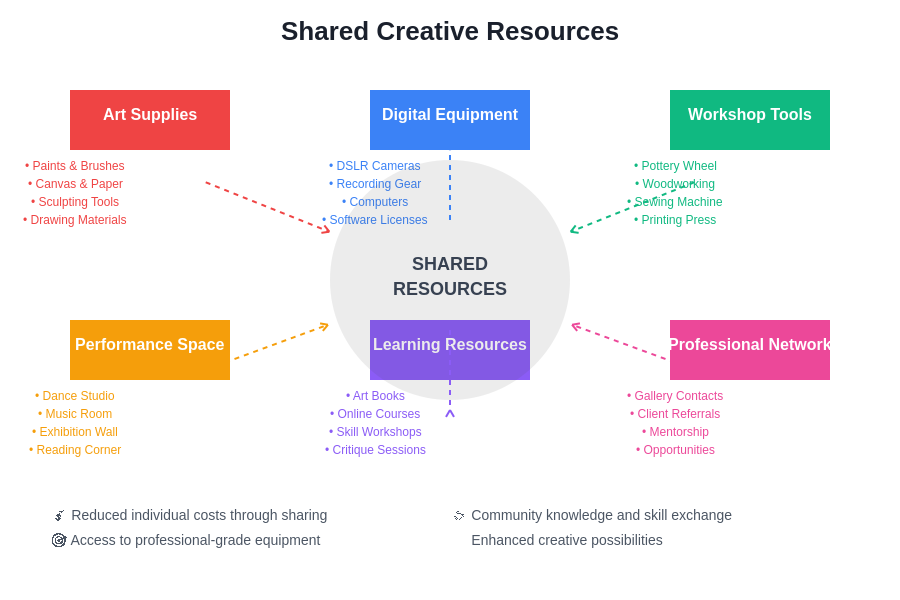
Artist sharehouses develop sophisticated resource-sharing systems that enable residents to access expensive equipment, specialized materials, and professional tools that would be financially prohibitive for individual ownership. Shared darkrooms, pottery wheels, musical recording equipment, and digital design workstations become community assets that democratize access to professional-grade creative tools.
Material libraries emerge organically as residents accumulate surplus supplies and equipment that others can borrow or repurpose for their own projects. Living costs in Tokyo sharehouses explained becomes particularly relevant when considering how resource sharing can significantly reduce individual artistic material expenses and equipment investment requirements.
Tool maintenance and upgrade responsibilities are typically shared among residents who benefit from particular equipment, creating collaborative investment opportunities that allow communities to acquire higher-quality tools than individual budgets would support. This collective approach often results in better-equipped creative spaces than many professional studios and institutions.
Knowledge sharing extends beyond physical resources to include technical skills, artistic techniques, and professional connections that residents freely exchange to support each other’s creative development. Workshop series, skill-sharing sessions, and informal teaching moments become regular community activities that enhance everyone’s artistic capabilities.
Cross-Cultural Creative Exchange and Innovation
Tokyo’s international artist sharehouses serve as unique cultural laboratories where traditional Japanese artistic practices intersect with global creative approaches, generating innovative hybrid techniques and fresh artistic perspectives that reflect the multicultural environment. Residents from different cultural backgrounds bring distinct artistic traditions, aesthetic sensibilities, and creative methodologies that enrich the community’s collective artistic vocabulary.
Language barriers often dissolve through visual communication and hands-on collaborative work, creating authentic cultural exchange opportunities that transcend verbal communication limitations. Living with Japanese roommates in Tokyo sharehouses provides insights into navigating cultural differences that apply equally to artistic collaboration and creative communication.
Traditional Japanese artistic practices such as calligraphy, woodworking, ceramics, and textile arts become accessible to international residents through informal learning exchanges with Japanese artists, while international techniques and contemporary approaches influence local artists’ creative development. This bidirectional knowledge transfer creates unique fusion styles that reflect the sharehouse’s multicultural creative environment.
Cultural festivals, artistic celebrations, and community exhibitions become regular events that showcase the diverse creative output while strengthening community bonds and attracting external interest in the sharehouse’s artistic activities. These events often evolve into networking opportunities that connect residents with Tokyo’s broader creative community and professional opportunities.
Project Development and Collaborative Creation
Artist sharehouses naturally evolve into incubators for ambitious collaborative projects that leverage the diverse skills and perspectives available within the community. Group exhibitions, multimedia performances, community art installations, and social impact projects emerge from casual conversations and shared interests that develop into structured creative endeavors.
The iterative feedback process that occurs through daily interaction allows projects to evolve organically through continuous input from multiple perspectives, resulting in more refined and impactful creative works than individual artists might achieve in isolation. How art projects take over common areas explores the practical dynamics of managing large-scale collaborative work within shared living environments.
Documentation and promotion of collaborative projects often become community responsibilities, with residents contributing photography, videography, writing, and social media skills to ensure that artistic achievements receive appropriate recognition and reach broader audiences. This collective approach to artistic promotion benefits all participants while building the sharehouse’s reputation within Tokyo’s creative community.
The project development cycle typically follows organic timelines that accommodate residents’ varying commitments and availability, creating flexible collaboration opportunities that adapt to individual schedules and artistic priorities rather than rigid deadline structures that might discourage participation.
Professional Development and Career Opportunities
Artist sharehouses serve as informal professional development networks where residents share industry knowledge, career opportunities, and professional connections that accelerate individual artistic careers while strengthening the community’s collective professional prospects. How networking abilities improve through diverse contacts becomes particularly relevant in creative environments where professional success often depends on relationship building and community recognition.
Exhibition opportunities, performance venues, and gallery connections are frequently shared among residents, creating multiple pathways for artistic exposure and professional advancement that benefit the entire community. Residents with established careers often serve as bridges to professional opportunities for emerging artists within the sharehouse.
Business skills and practical knowledge about the art market, pricing strategies, client relations, and promotional techniques are shared freely among residents, addressing common challenges that many artists face when transitioning from pure creative work to sustainable artistic careers. How career changes affect sharehouse eligibility provides context for understanding how artistic career development impacts long-term housing stability.
The supportive environment often encourages residents to take creative risks and pursue ambitious projects that they might avoid in more conventional living situations, leading to breakthrough artistic achievements and career advancement opportunities that emerge from community encouragement and collaborative support.
Conflict Resolution and Creative Differences
Creative communities inevitably encounter conflicts arising from aesthetic differences, resource competition, space usage disagreements, and varying commitment levels to community participation. How to handle roommate conflicts without moving out provides general frameworks that require adaptation for the unique dynamics of artistic collaboration and creative personality conflicts.
Successful artist sharehouses develop conflict resolution mechanisms that acknowledge the emotional intensity of creative work while maintaining community harmony and productive collaboration opportunities. Regular house meetings, mediation protocols, and clear guidelines for shared space usage help prevent minor disagreements from escalating into community-disrupting conflicts.
The diverse creative backgrounds within artist communities often provide multiple perspectives on resolving disputes, with residents contributing different approaches to problem-solving and compromise that reflect their varied cultural and artistic experiences. These diverse viewpoints usually lead to creative solutions that strengthen community bonds rather than simply addressing immediate conflicts.
Artistic critique culture within sharehouses requires careful balance between honest feedback and supportive encouragement, with communities developing protocols for constructive criticism that promote artistic growth without damaging personal relationships or community dynamics.
Sustainability and Long-Term Community Evolution
The cyclical nature of artist residency patterns creates ongoing challenges for maintaining community continuity while welcoming new creative perspectives and energy. How sharehouse rent pricing works in Japan becomes relevant when considering how pricing structures can either support or hinder long-term artistic community development.
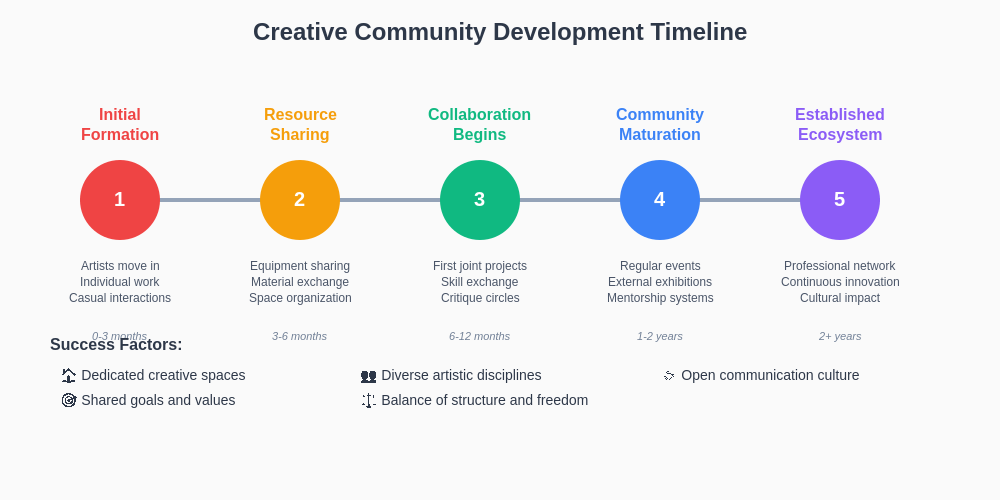
Successful artist sharehouses develop mentorship systems and knowledge preservation methods that ensure community culture and collaborative practices transfer to new residents rather than disappearing with departing artists. Documentation of successful projects, community guidelines, and creative resource inventories help maintain institutional memory across resident transitions.
Financial sustainability requires balancing affordable rent structures that accommodate artists’ typically irregular income patterns with sufficient revenue to maintain creative infrastructure and community programming. How living in sharehouses affects your taxes provides important considerations for artists managing complex income sources and expense deductions related to shared creative spaces.
The evolution of artist sharehouses often follows predictable patterns where initial creative enthusiasm matures into sustainable community structures that balance artistic freedom with practical operational requirements, creating environments that support both emerging and established creative professionals.
Impact on Tokyo’s Creative Ecosystem
Artist-friendly sharehouses contribute significantly to Tokyo’s broader creative landscape by serving as incubators for innovative artistic projects, cross-cultural collaboration, and community-engaged creative practice that enriches the city’s cultural offerings. Student sharehouses near top Tokyo universities provides context for understanding how educational institutions interact with creative living communities.
The public programming that emerges from artist sharehouses often fills gaps in Tokyo’s cultural calendar by providing accessible venues for experimental art, community workshops, and cultural exchange events that might not find support in traditional institutional settings. These grassroots cultural contributions enhance neighborhood vibrancy and attract additional creative professionals to specific areas.
The collaborative models developed within artist sharehouses often influence broader creative community practices, with successful approaches spreading to other creative spaces, artist collectives, and cultural organizations throughout Tokyo. Dating while living in Tokyo sharehouses touches on personal relationship dynamics that also apply to the romantic connections that often develop within close-knit creative communities.
The international connections fostered within multicultural artist sharehouses create ongoing cultural exchange opportunities that extend far beyond individual residency periods, establishing lasting creative partnerships and cultural bridges that benefit Tokyo’s global artistic reputation and international creative collaboration.
Future Directions and Creative Innovation
The continued evolution of artist-friendly sharehouses reflects broader changes in creative career patterns, technology integration, and global cultural exchange that will likely influence future community development and collaborative creative practice. Digital tools and virtual collaboration technologies are beginning to extend sharehouse creative communities beyond physical proximity, creating hybrid local-global creative networks.
Sustainability initiatives within artist communities are driving innovation in eco-friendly creative practices, waste reduction strategies, and resource conservation approaches that serve as models for environmentally conscious creative work. How sustainability values affect household consumption patterns explores how environmental consciousness influences community decision-making and creative practice choices.
The success of artist sharehouses is inspiring new models of creative community development, including artist-focused co-working spaces, hybrid residential-studio complexes, and neighborhood-scale creative districts that build upon the collaborative principles pioneered in sharehouse environments.
The transformative power of artist-friendly sharehouses extends far beyond individual creative development to encompass community building, cultural exchange, and innovative collaborative practice that enriches both residents’ artistic journeys and Tokyo’s vibrant creative landscape. These unique living environments demonstrate how intentional community design can create conditions for extraordinary creative achievement and meaningful artistic collaboration that benefits everyone involved.
Disclaimer
This article is for informational purposes only and does not constitute professional advice about artistic careers or housing decisions. The creative community dynamics described may vary significantly between different sharehouses and individual experiences. Readers should research specific properties and communities thoroughly before making housing or artistic collaboration decisions. The effectiveness of community-building strategies may depend on individual circumstances, artistic disciplines, and community composition.