Navigating Japan’s credit check system as an international resident represents one of the most challenging aspects of securing accommodation in Tokyo’s competitive housing market. The complexity of financial verification processes, combined with cultural differences in credit assessment and documentation requirements, creates significant barriers that can frustrate even well-prepared applicants. Understanding how these systems operate and what alternatives exist becomes crucial for successfully obtaining sharehouse accommodation without the established credit history that Japanese landlords and property managers typically expect from domestic applicants.
The Japanese credit system operates fundamentally differently from Western credit scoring models, relying heavily on employment stability, guarantor relationships, and comprehensive documentation rather than numerical credit scores alone. This approach presents both challenges and opportunities for international residents who must demonstrate financial reliability through alternative means while adapting to cultural expectations around financial responsibility and long-term commitment that permeate every aspect of the rental application process.
Understanding Japan’s Unique Credit Assessment Framework
Japan’s approach to credit evaluation for rental applications differs significantly from international standards, emphasizing relationship-based trust, employment stability, and comprehensive documentation over algorithmic credit scoring systems that dominate markets in North America and Europe. How to find the perfect sharehouse in Tokyo provides context for how credit checks fit into the broader application process, while this specialized knowledge helps international residents prepare more effectively for financial scrutiny.
The absence of international credit score recognition means that established credit histories from home countries carry no weight in Japanese rental applications, forcing even financially responsible applicants to rebuild their credibility from zero upon arrival. This system prioritizes current employment status, bank account stability, and personal references over historical payment behavior, creating opportunities for newcomers who understand how to present their financial situation according to Japanese expectations and cultural norms.
Traditional Japanese rental practices evolved around lifetime employment models and multi-generational family structures that provided natural guarantor systems and predictable income patterns. International residents must navigate these expectations while operating outside conventional support networks, requiring creative approaches to demonstrating financial stability and long-term commitment that satisfy conservative risk assessment criteria used by property managers and landlords.
The emphasis on personal relationships and trust-building extends beyond financial metrics to include character assessment, cultural integration potential, and perceived stability within Japanese society. These subjective factors can significantly influence approval decisions, making preparation and presentation strategies as important as actual financial qualifications for successful sharehouse applications.
Essential Documentation Requirements and Preparation Strategies
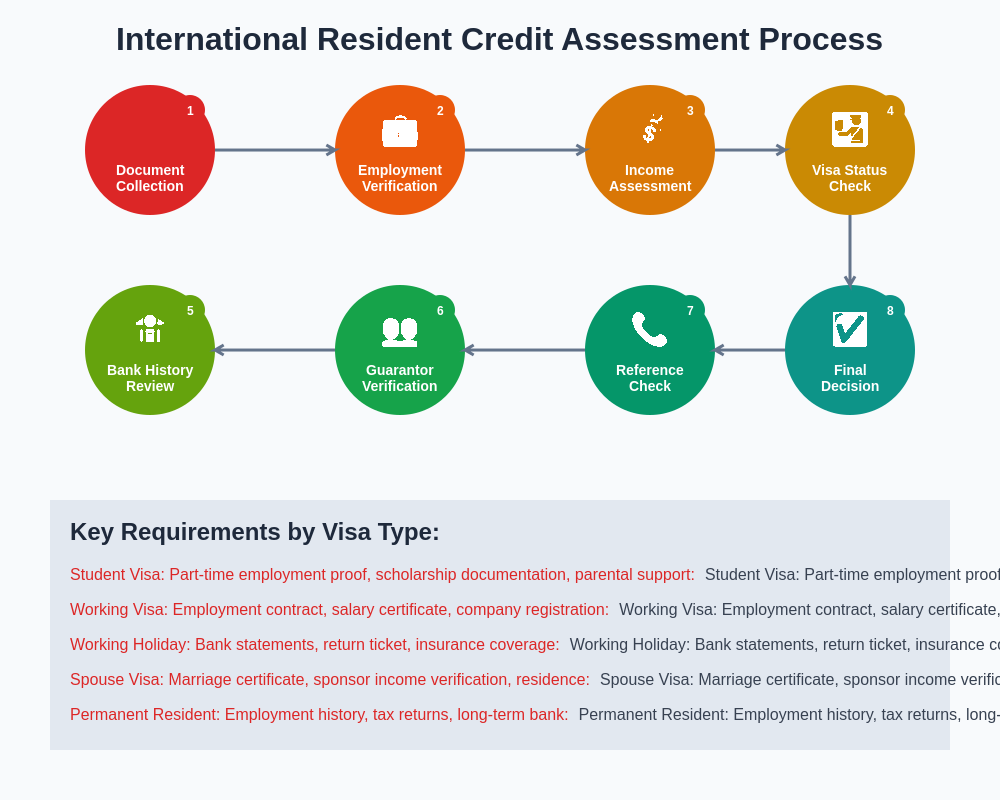
Comprehensive documentation preparation forms the foundation of successful credit verification for international residents, requiring systematic organization of financial records, employment verification, and identity confirmation that meets Japanese administrative standards. What documents you need for Tokyo sharehouse applications outlines basic requirements, while understanding the deeper purpose behind each document helps applicants present their financial situation more persuasively.
Employment documentation must demonstrate not only current income but also job stability and growth potential that indicate long-term financial reliability. Official employment contracts, salary certificates, and company registration information provide primary verification, while supplementary materials such as performance reviews, promotion letters, and professional certifications can strengthen applications by suggesting career advancement prospects and increased future earning capacity.
Bank statement preparation requires careful attention to transaction patterns, account balances, and financial behavior that Japanese property managers interpret as indicators of fiscal responsibility and lifestyle stability. Consistent savings patterns, regular salary deposits, and absence of concerning spending behaviors create positive impressions, while irregular transactions, frequent transfers to overseas accounts, or excessive entertainment expenses may raise questions about financial priorities and long-term commitment to Japanese residence.
Income verification becomes particularly complex for freelancers, entrepreneurs, and remote workers whose earnings may fluctuate significantly or derive from international sources that Japanese assessors find difficult to evaluate. These applicants must provide additional documentation such as tax returns, client contracts, and business registration materials that demonstrate income stability and legitimacy while addressing concerns about payment reliability and business sustainability.
Visa Status Impact on Credit Assessment Procedures
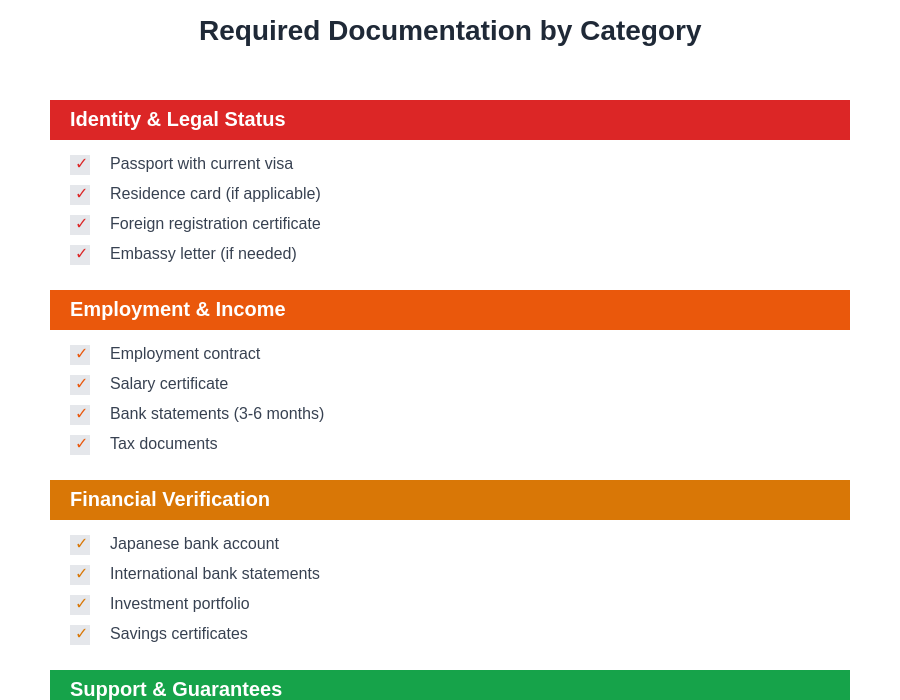
Different visa categories carry varying levels of perceived stability and risk in Japanese credit assessments, directly influencing approval rates and documentation requirements that international residents must navigate during sharehouse applications. Why visa status affects your sharehouse application explores these dynamics, while understanding specific implications helps applicants address potential concerns proactively.
Permanent residents and spouse visa holders generally face fewer obstacles due to their established legal status and presumed long-term commitment to Japanese residence, though they still must provide standard financial documentation and may benefit from highlighting their stable immigration status during applications. Working visa holders with multi-year permits often receive favorable consideration, particularly those employed by established companies or in professional occupations that suggest financial stability and cultural integration.
Student visa holders frequently encounter additional scrutiny due to perceived temporary residence intentions and limited earning capacity, requiring supplementary documentation such as scholarship letters, family financial support statements, or part-time employment verification to demonstrate adequate financial resources. Working holiday visa participants face similar challenges with the added complexity of program duration limits that may concern property managers about tenant turnover and lease completion reliability.
Visa renewal timing can significantly impact credit assessment outcomes, with applications submitted near expiration dates often delayed pending renewal confirmation or rejected due to uncertainty about continued legal residence status. Strategic timing of housing applications relative to visa renewal cycles can improve approval chances while avoiding complications that arise from administrative uncertainties during transition periods.
Alternative Verification Methods for International Applicants
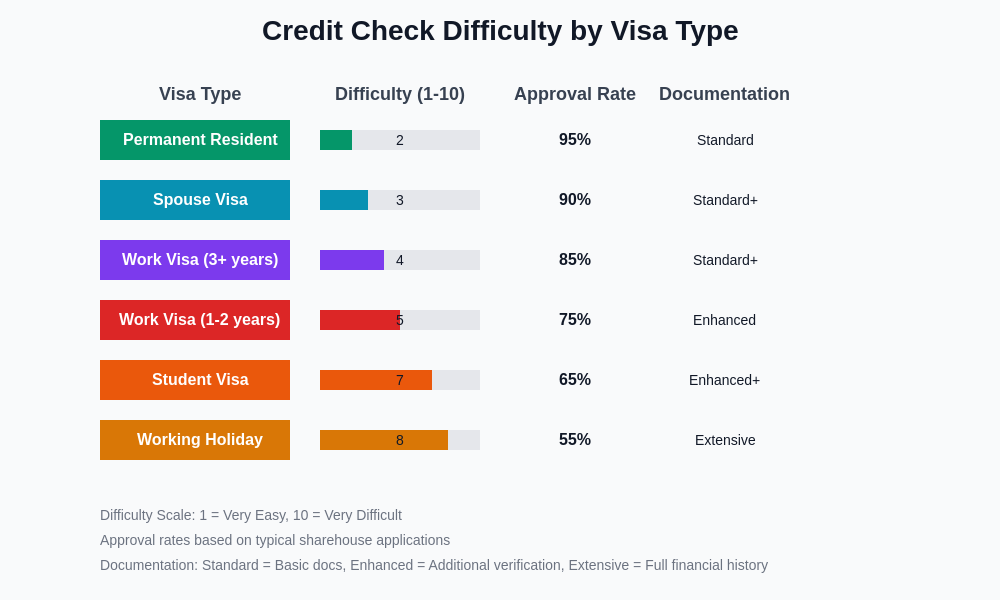
International residents without established Japanese credit histories can leverage alternative verification approaches that demonstrate financial responsibility and stability through non-traditional documentation and relationship-building strategies. How to spot financial red flags in sharehouse contracts helps identify legitimate opportunities while understanding alternative verification prevents applicants from falling prey to exploitative arrangements.
International bank account statements and credit reports from home countries, while not directly recognized by Japanese credit systems, can provide supporting evidence of financial responsibility and payment history that strengthens overall application credibility. Professional translation and notarization of these documents demonstrates thoroughness and respect for Japanese administrative procedures while providing concrete evidence of past financial behavior and creditworthiness.
Employment letters from international companies, particularly multinational corporations with Japanese operations, carry additional weight due to recognizable brand credibility and implied stability that property managers associate with established business relationships. Remote work arrangements require more detailed explanation and documentation but can be successfully presented when supported by contracts, payment histories, and employer verification letters that address concerns about income reliability and professional legitimacy.
Personal references from Japanese colleagues, supervisors, or community members provide cultural credibility and character verification that complement financial documentation while addressing concerns about cultural integration and community compatibility. These relationships demonstrate investment in Japanese society and provide property managers with local contacts who can vouch for applicant reliability and character traits valued in rental relationships.
Guarantor Systems and Their Practical Implementation
Japan’s guarantor system serves as a cornerstone of rental credit verification, requiring international residents to navigate complex relationship networks and financial responsibility arrangements that extend beyond simple co-signing procedures common in other countries. Japanese sharehouse rules every foreigner should know provides cultural context for these relationships, while understanding guarantor mechanics helps international residents develop realistic strategies for meeting these requirements.
Traditional guarantor arrangements involve Japanese residents with established credit histories and stable employment who assume financial responsibility for rental obligations, creating personal and financial relationships that extend beyond simple business transactions. These arrangements require careful cultivation and often develop through workplace relationships, academic connections, or community involvement that demonstrates mutual trust and shared interests beyond immediate housing needs.
Professional guarantor services have emerged as commercial alternatives to personal guarantor relationships, offering fee-based arrangements that provide required verification without imposing on personal relationships or requiring extensive social network development. These services typically charge percentage-based fees and require their own application processes, but can provide accessible solutions for international residents who lack suitable personal guarantor candidates or prefer commercial relationships over personal obligations.
Corporate guarantor programs offered by some multinational employers provide employee housing support that can significantly simplify credit verification processes while reducing individual financial risk and relationship complications. These programs vary widely in scope and availability, but employees of participating companies should investigate these options early in their housing search to understand available benefits and application procedures that may streamline sharehouse approval processes.
Sharehouse-Specific Credit Requirements and Variations
Different sharehouse operators and property types implement varying credit check procedures that reflect their target demographics, risk tolerance, and business models, creating opportunities for international residents to identify operators whose requirements align with their documentation capabilities and financial situation. Best sharehouses in Tokyo provides operator comparisons, while understanding specific requirements helps target applications more effectively.
International-focused sharehouse companies often implement modified credit procedures that account for the unique circumstances of foreign residents, including reduced guarantor requirements, alternative income verification methods, and cultural liaison services that help navigate application procedures. These operators typically charge premium rents but provide simplified approval processes and enhanced support services that can justify additional costs for residents who value convenience and cultural assistance.
Budget sharehouse operators may implement more flexible credit requirements to maintain high occupancy rates, though applicants should carefully evaluate whether reduced scrutiny indicates legitimate accommodation or potential quality concerns that could affect living conditions and resident stability. Cheaper sharehouse options in Tokyo suburbs explores these trade-offs while helping residents make informed decisions about balancing affordability with quality and security.
Luxury sharehouse facilities typically maintain stricter credit requirements that mirror traditional apartment rental standards, requiring comprehensive documentation and often preferring applicants with established Japanese financial histories or substantial international financial credentials. These properties may offer enhanced amenities and services but require thorough preparation and potentially longer application timelines that accommodate detailed verification procedures.
Building Credit History and Long-Term Financial Strategies
Establishing Japanese credit history requires strategic planning and consistent financial behavior that demonstrates integration into Japanese financial systems while building relationships and documentation that support future housing and financial needs. Living costs in Tokyo sharehouses explained provides budgeting foundations, while long-term planning helps international residents develop sustainable financial strategies that support both immediate housing needs and future goals.
Opening Japanese bank accounts and maintaining consistent deposit patterns creates fundamental financial footprints that demonstrate income stability and banking relationship establishment valued by future landlords and financial institutions. Regular salary deposits, automated bill payments, and savings account maintenance provide concrete evidence of financial responsibility and integration into Japanese financial systems that strengthen credit profiles over time.
Credit card applications and responsible usage help establish formal credit histories within Japanese systems, though initial applications may require guarantors or secured arrangements that gradually transition to traditional credit relationships. International residents should research credit products designed for foreign residents and maintain conservative utilization patterns that demonstrate responsible financial management while building positive payment histories.
Utility account establishment and consistent payment histories provide additional credit-building opportunities that require minimal financial commitment while demonstrating long-term residence intentions and responsible bill management. Automatic payment arrangements prevent missed payments while creating positive financial behavior patterns that contribute to overall credit profile development and landlord confidence in future applications.
Common Challenges and Problem-Solving Strategies
International residents frequently encounter specific obstacles during credit verification processes that require targeted solutions and strategic preparation to overcome effectively without compromising housing timelines or settling for unsuitable accommodations. How to handle roommate conflicts without moving out addresses post-approval challenges, while understanding pre-approval obstacles helps prevent application failures and delays.
Language barriers during financial documentation review can create misunderstandings and delays that jeopardize application success, requiring professional translation services or bilingual assistance that ensures accurate communication and proper document interpretation. Investing in professional support during critical application phases often proves cost-effective compared to repeated application fees and extended temporary accommodation costs that result from communication failures.
Documentation authenticity verification may require apostille certification, official translation, and notarization processes that add time and expense to application preparation but demonstrate professionalism and respect for Japanese administrative procedures. Understanding these requirements early in the housing search allows adequate preparation time while avoiding last-minute delays that could result in lost housing opportunities or rushed decision-making.
Income irregularities from seasonal employment, commission-based compensation, or international payment sources require detailed explanation and supporting documentation that addresses property manager concerns about payment reliability and income predictability. Preparing comprehensive income documentation that includes averaging calculations, contract terms, and payment histories helps present irregular income patterns in favorable contexts that emphasize overall financial stability.
Technology and Digital Verification Trends
Modern sharehouse operators increasingly incorporate digital verification tools and online application systems that can benefit international residents by streamlining documentation submission and reducing language barrier complications while maintaining comprehensive verification standards. English-speaking sharehouses in Tokyo for foreigners highlights technology-forward operators, while understanding digital trends helps applicants prepare for evolving application procedures.
Online banking integration allows property managers to verify income and account information directly from financial institutions, reducing documentation requirements and expediting approval processes for applicants with established Japanese banking relationships. International residents should ensure their banking arrangements support these verification methods while maintaining privacy controls that protect sensitive financial information during application processes.
Digital document management systems enable secure submission and storage of financial documentation while providing application status tracking and communication tools that improve transparency and reduce anxiety during approval waiting periods. These systems often include multilingual support and automated translation features that help international residents navigate procedures more independently while maintaining accuracy in document interpretation.
Blockchain-based verification systems and international credit reporting partnerships represent emerging trends that may eventually provide more seamless credit verification for international residents, though current implementation remains limited and experimental. Staying informed about these developments helps residents prepare for future housing searches while understanding current limitations that require traditional documentation approaches.
Regulatory Framework and Legal Protections
Japanese housing discrimination laws provide certain protections for international residents while establishing frameworks for legitimate financial verification that property managers can legally require during application processes. Why some sharehouses avoid certain nationalities explores discrimination issues, while understanding legal protections helps residents identify legitimate verification requirements versus potentially discriminatory practices.
Fair housing regulations prohibit discrimination based on nationality or ethnic origin but permit legitimate financial qualification requirements that apply equally to all applicants regardless of background, creating protected frameworks for credit verification while preventing arbitrary rejection based on prejudice or cultural bias. International residents should understand these protections while preparing to meet legitimate financial requirements that ensure housing provider security and community stability.
Privacy regulations govern how financial information can be collected, stored, and used during application processes, providing international residents with rights regarding data protection and information security that apply throughout verification procedures. Understanding these protections helps applicants provide necessary information while maintaining appropriate privacy controls and questioning potentially excessive information requests that exceed legitimate verification needs.
Legal recourse options exist for residents who experience discriminatory treatment or improper handling of financial information during application processes, though practical enforcement can be challenging and time-consuming compared to prevention through proper preparation and operator selection. Documenting application interactions and maintaining records of financial information requests provides protection while focusing on positive application strategies typically proves more effective for achieving housing goals.
The credit verification landscape for international residents in Japan continues evolving as global mobility increases and technology advances, creating both new challenges and emerging opportunities that will shape future housing access and financial integration for foreign residents. Understanding current systems while staying informed about developing trends enables international residents to navigate existing requirements successfully while preparing for future changes that may simplify or complicate credit verification processes in Japan’s dynamic housing market.
Disclaimer
This article is for informational purposes only and does not constitute professional financial or legal advice. Credit check requirements and procedures vary significantly between different sharehouse operators and may change over time. Readers should verify current requirements with specific property managers and consult with relevant professionals when preparing financial documentation. The effectiveness of strategies mentioned may vary depending on individual circumstances, visa status, and specific operator policies.