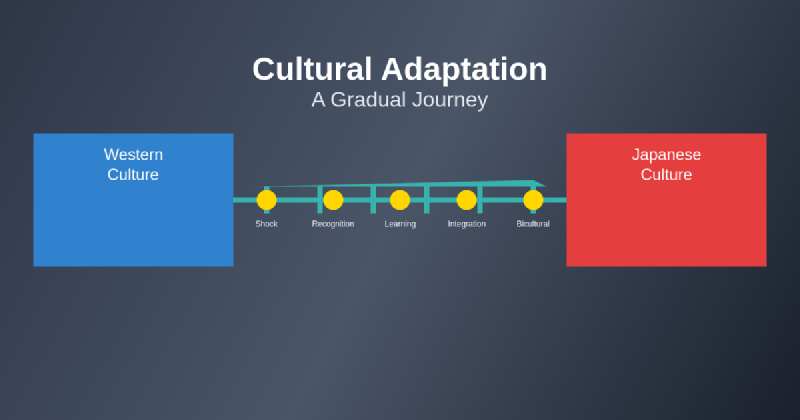
Cultural adaptation in Japanese sharehouses unfolds as a profound and transformative journey that extends far beyond simple language acquisition or learning basic social customs. The gradual nature of this process reflects the deep-seated psychological and emotional adjustments required when immersing oneself in a fundamentally different cultural environment, where every interaction carries the potential for growth, misunderstanding, or meaningful connection that shapes your long-term relationship with Japanese society.
The complexity of cultural adaptation becomes particularly pronounced in sharehouse environments, where daily interactions with Japanese residents and fellow international housemates create a unique microcosm of cross-cultural exchange that accelerates learning while simultaneously presenting challenges that require patience, flexibility, and genuine commitment to understanding perspectives that may initially seem incomprehensible or contradictory to your cultural background.
The Initial Culture Shock Phase
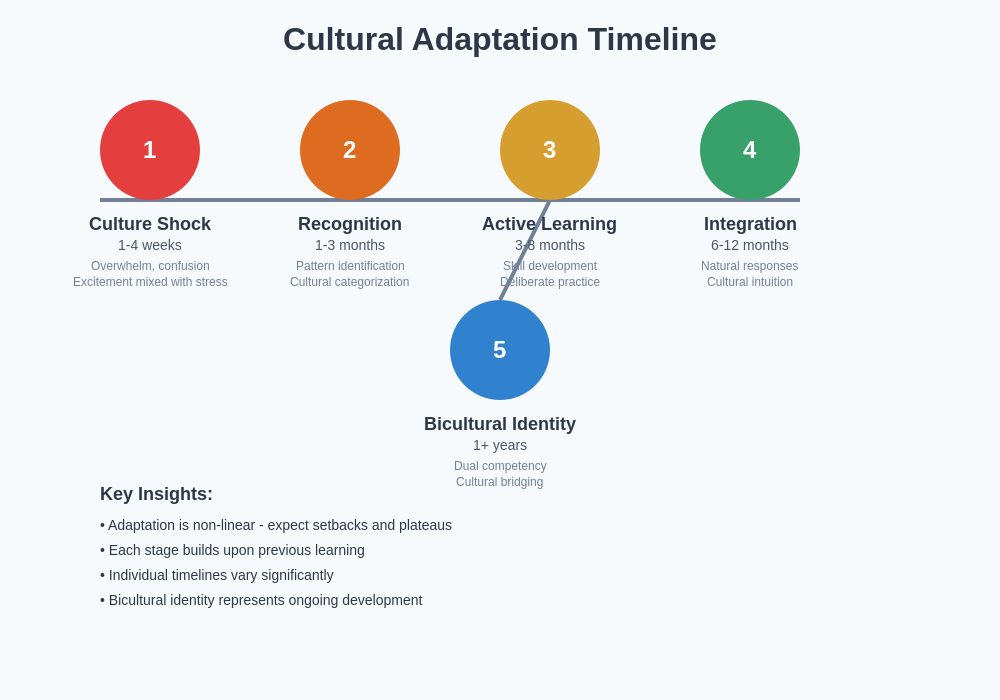
The first weeks of sharehouse living in Japan typically involve a period of intense culture shock that manifests through a combination of excitement, confusion, and overwhelming sensory input that can leave even well-prepared international residents feeling disoriented and emotionally exhausted. This initial phase represents a crucial foundation period where your brain actively works to process and categorize countless new cultural inputs, from subtle communication patterns to completely different approaches to personal space, cleanliness standards, and social hierarchy.
Living with Japanese roommates in Tokyo sharehouses provides essential context for understanding the specific challenges that arise when navigating these early cultural encounters. The intensity of daily exposure to unfamiliar customs, combined with the practical necessities of establishing routines around cooking, cleaning, and social interaction, creates a steep learning curve that demands both intellectual understanding and emotional resilience.
During this phase, many residents experience what psychologists term “cultural fatigue,” a state of mental and emotional exhaustion that results from the constant effort required to interpret and respond appropriately to cultural cues that native residents process automatically and unconsciously. Simple activities like grocery shopping, using shared kitchen facilities, or participating in casual conversations require heightened attention and mental energy that can be surprisingly draining for newcomers.
The biological stress response triggered by constant cultural navigation can manifest through sleep disturbances, appetite changes, and heightened emotional sensitivity that affects overall well-being and social confidence. Understanding these responses as normal and temporary aspects of the adaptation process helps residents maintain perspective and avoid self-criticism during this challenging but essential phase of cultural integration.
Recognition and Pattern Identification
As the initial shock begins to subside, typically after the first month of sharehouse living, residents enter a crucial phase characterized by increased pattern recognition and the development of cultural categorization systems that help organize and make sense of previously confusing social behaviors and expectations. This period represents a significant cognitive shift from reactive confusion to proactive observation and analysis.
Japanese sharehouse rules every foreigner should know becomes increasingly relevant as residents develop the mental framework necessary to understand not just what the rules are, but why they exist and how they reflect deeper cultural values that govern Japanese social interaction and community harmony.
The development of cultural pattern recognition involves learning to distinguish between universal human behaviors and culture-specific expressions of similar underlying needs or emotions. For example, recognizing that Japanese indirect communication styles serve similar functions to direct communication in other cultures, but achieve these goals through different linguistic and behavioral strategies that prioritize group harmony and face-saving considerations.
This phase often includes the exciting discovery of cultural logic systems that initially seemed arbitrary or unnecessarily complicated. Understanding the reasoning behind specific customs or social expectations creates moments of clarity that feel like solving complex puzzles, leading to increased confidence and genuine appreciation for the sophistication and internal consistency of Japanese cultural practices.
Residents typically begin developing personal systems for cultural navigation during this period, creating mental shortcuts and reference frameworks that reduce the cognitive load of daily cultural interpretation while increasing their ability to predict and appropriately respond to various social situations they encounter in sharehouse environments.
Active Learning and Skill Development
The third phase of cultural adaptation involves a transition from passive observation to active skill development, where residents begin deliberately practicing cultural behaviors and communication styles with increasing confidence and sophistication. This period represents a fundamental shift from survival-focused adaptation to growth-oriented cultural exploration and competency building.
Making friends through Tokyo sharehouse communities becomes particularly relevant during this phase, as residents develop the cultural skills necessary to build meaningful relationships that extend beyond surface-level politeness or functional necessity. The ability to engage in culturally appropriate humor, understand subtle social cues, and navigate complex group dynamics marks significant progress in the adaptation journey.
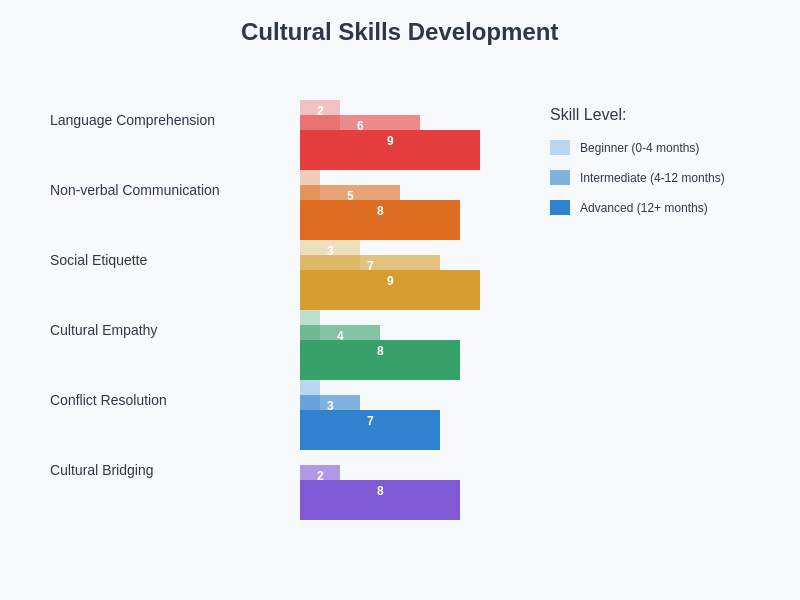
Language learning during this phase extends far beyond vocabulary and grammar acquisition to include the mastery of cultural context, appropriate register selection, and the subtle art of reading between the lines in Japanese communication. Residents begin understanding not just what is being said, but what is meant, what is implied, and what remains diplomatically unspoken in various social situations.
The development of cultural empathy represents one of the most significant achievements of this phase, as residents begin genuinely understanding and appreciating perspectives that initially seemed foreign or illogical. This empathy extends beyond intellectual comprehension to include emotional resonance with cultural values and social priorities that may differ significantly from their original cultural framework.
Residents often experience increased enjoyment and reduced stress during social interactions as their cultural competency improves, leading to a positive feedback loop that encourages further exploration and deeper engagement with Japanese culture and society through their sharehouse community connections.
Integration and Natural Response Development
The fourth phase of cultural adaptation represents a qualitative leap from conscious cultural performance to unconscious cultural integration, where appropriate behaviors and responses begin occurring naturally without deliberate thought or effort. This development indicates that cultural learning has moved from intellectual understanding to embodied knowledge that influences automatic responses and intuitive social navigation.
How cultural sensitivity develops through daily interaction explores the mechanisms through which repeated exposure and practice lead to internalized cultural competency that feels natural rather than performed. This transition often surprises residents who suddenly realize they are responding appropriately to situations without conscious cultural translation or deliberate behavior modification.
The development of cultural intuition allows residents to navigate novel social situations with confidence, drawing upon internalized understanding of cultural principles to generate appropriate responses even in circumstances they have not previously encountered. This flexibility represents a significant advancement from rule-based cultural behavior to principle-based cultural adaptation.
During this phase, residents often begin serving as cultural bridges for newer international residents, sharing insights and strategies that help accelerate the adaptation process for others while reinforcing and deepening their own cultural understanding through the act of explanation and guidance.
The emergence of genuine cultural appreciation, as opposed to mere tolerance or acceptance, marks a crucial development during this integration phase. Residents begin valuing cultural differences not as obstacles to overcome but as enriching perspectives that enhance their understanding of human diversity and social organization.
Bicultural Identity Formation
The advanced stages of cultural adaptation involve the development of a bicultural identity that incorporates elements from both the resident’s original culture and their adopted Japanese cultural framework. This process represents far more than simple cultural addition; it involves the creation of a new, integrated identity that can navigate multiple cultural contexts with authenticity and confidence.
How cultural differences affect friendship building becomes particularly relevant as residents learn to leverage their bicultural perspective to build bridges between different cultural communities and facilitate cross-cultural understanding among their diverse sharehouse networks.
The development of code-switching abilities allows residents to adjust their behavior, communication style, and cultural expression appropriately for different social contexts, whether interacting with Japanese colleagues, international friends, or family members from their home country. This flexibility represents sophisticated cultural competency that enhances both personal and professional opportunities.
Bicultural residents often experience a sense of expanded worldview and increased cognitive flexibility that benefits them in various aspects of life beyond cultural navigation. The mental agility required for cultural adaptation translates into enhanced problem-solving skills, increased empathy, and improved ability to understand multiple perspectives on complex issues.
The ability to serve as cultural interpreters and facilitators becomes a valuable skill that bicultural residents can leverage in professional settings, volunteer activities, and community leadership roles that benefit from cross-cultural understanding and communication expertise.
Navigating Setbacks and Plateaus
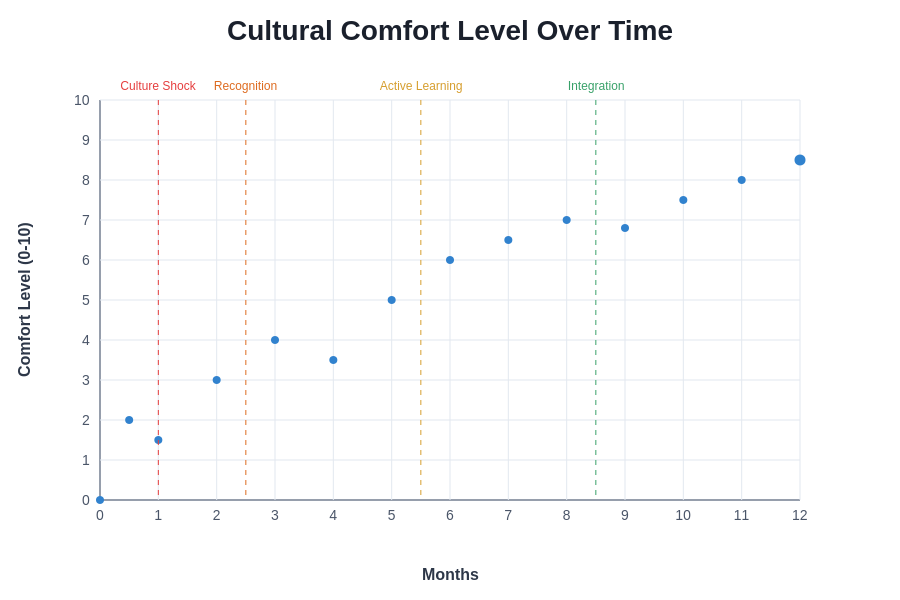
Cultural adaptation rarely proceeds in a linear fashion, and understanding the normal occurrence of setbacks, plateaus, and periods of cultural confusion helps residents maintain perspective and motivation during challenging phases of the integration process. These temporary reversals often occur during times of stress, major life changes, or when encountering new cultural contexts that challenge existing understanding.
How conflict resolution styles differ by culture provides valuable insights for navigating periods when cultural misunderstandings or conflicts arise despite previous progress in adaptation. These challenges offer opportunities for deeper learning and more sophisticated cultural understanding when approached with patience and curiosity.
Seasonal changes, holiday periods, and major life transitions often trigger temporary regression in cultural confidence as familiar support systems may be unavailable or cultural expectations may shift in ways that require renewed learning and adaptation efforts. Recognizing these patterns helps residents prepare for and navigate temporary setbacks without losing sight of their overall progress.
The phenomenon of cultural plateau, where progress seems to stagnate despite continued effort, represents a normal part of the adaptation process that often precedes significant breakthroughs in cultural understanding and competency. Maintaining consistent engagement with Japanese culture and sharehouse community activities during these periods helps ensure continued gradual progress even when advancement is not immediately apparent.
Support networks within sharehouse communities play crucial roles in helping residents navigate setbacks and maintain motivation during challenging adaptation phases. Real stories from Tokyo sharehouse residents often highlight how peer support and shared experiences contribute to resilience and continued growth during difficult periods.
The Role of Patience and Self-Compassion
Successful cultural adaptation requires developing a patient and compassionate relationship with your own learning process, recognizing that cultural competency develops gradually through countless small interactions and incremental improvements rather than dramatic breakthrough moments. This perspective helps maintain motivation and reduces the frustration that can arise from unrealistic expectations about adaptation timelines.
How age differences impact sharehouse compatibility reminds us that adaptation experiences vary significantly based on individual factors, life experience, and personal circumstances. Comparing your adaptation progress to others often leads to unnecessary self-criticism and overlooks the unique strengths and challenges that influence your personal cultural learning journey.
The importance of celebrating small victories and acknowledging incremental progress cannot be overstated in maintaining long-term motivation for cultural adaptation. Recognizing improvements in communication comfort, increased cultural understanding, or successful navigation of challenging social situations helps build confidence and momentum for continued growth.
Developing self-awareness about your cultural adaptation style, including your strengths, challenges, and preferred learning approaches, enables more effective strategy development and realistic goal setting that supports sustainable progress rather than burnout or discouragement.
Long-term Benefits and Transformative Outcomes
The gradual nature of cultural adaptation in Japanese sharehouses ultimately leads to profound personal transformation that extends far beyond the ability to navigate Japanese society effectively. The skills, perspectives, and personal growth that result from this process create lasting benefits that enhance various aspects of life and career development.
How international experience enhances resume value highlights the professional advantages that result from successful cultural adaptation, including enhanced communication skills, cultural sensitivity, and global perspective that employers increasingly value in diverse workplace environments.
The development of cultural adaptability as a transferable skill means that residents who successfully navigate Japanese cultural adaptation are better equipped to handle future cross-cultural challenges, whether in professional settings, travel experiences, or personal relationships with people from diverse backgrounds.
Enhanced emotional intelligence, improved conflict resolution abilities, and increased cognitive flexibility represent valuable personal development outcomes that benefit relationships and life satisfaction beyond the specific context of Japanese cultural adaptation. These skills contribute to more effective communication, deeper empathy, and greater resilience in facing various life challenges.
The sense of personal accomplishment and expanded identity that results from successful cultural adaptation creates lasting confidence and self-efficacy that influences how residents approach future challenges and opportunities throughout their lives.
Cultural adaptation in Japanese sharehouses represents far more than learning to live comfortably in a foreign country; it involves a fundamental expansion of human understanding and capability that enriches personal identity and opens doors to experiences and relationships that would otherwise remain inaccessible. The gradual nature of this process ensures that adaptation is thorough, authentic, and sustainable, creating lasting transformation that continues benefiting residents long after their sharehouse experience concludes.
Disclaimer
This article is for informational purposes only and reflects general patterns of cultural adaptation that may vary significantly among individuals. Cultural adaptation experiences depend on personal factors, cultural background, and specific circumstances that influence the timeline and process of integration. Readers should approach cultural adaptation with patience and seek appropriate support when needed during their sharehouse journey.