Cultural communication styles represent one of the most significant sources of tension and misunderstanding in Tokyo sharehouses, where residents from vastly different cultural backgrounds attempt to navigate daily interactions using fundamentally different approaches to expression, interpretation, and social connection. These differences extend far beyond simple language barriers, encompassing deeply ingrained patterns of nonverbal communication, conflict resolution, emotional expression, and social hierarchy that can create profound confusion and frustration when cultural expectations clash in shared living environments.
The complexity of cross-cultural communication in sharehouses becomes particularly pronounced when residents unknowingly violate cultural norms or misinterpret behaviors through their own cultural lens, leading to escalating tensions that could be easily resolved with better understanding of underlying communication patterns. Living with Japanese roommates in Tokyo sharehouses often involves navigating these intricate cultural dynamics that influence every aspect of daily interaction and community building.
Understanding how different cultures approach communication, express disagreement, show respect, and build relationships provides essential insight for creating harmonious multicultural living environments where residents can appreciate rather than fear cultural differences. The investment in developing cross-cultural communication competence pays dividends not only in improved sharehouse harmony but also in enhanced personal and professional relationships throughout one’s international experience in Japan.
Direct vs. Indirect Communication Paradigms
The fundamental distinction between direct and indirect communication styles creates the foundation for countless misunderstandings in multicultural sharehouses, where residents from cultures that value explicit verbal expression interact with those from societies that emphasize subtle contextual communication and nonverbal cues. Western cultures, particularly those from North America and Northern Europe, typically favor direct communication that prioritizes clarity, efficiency, and explicit statement of needs, preferences, and concerns.
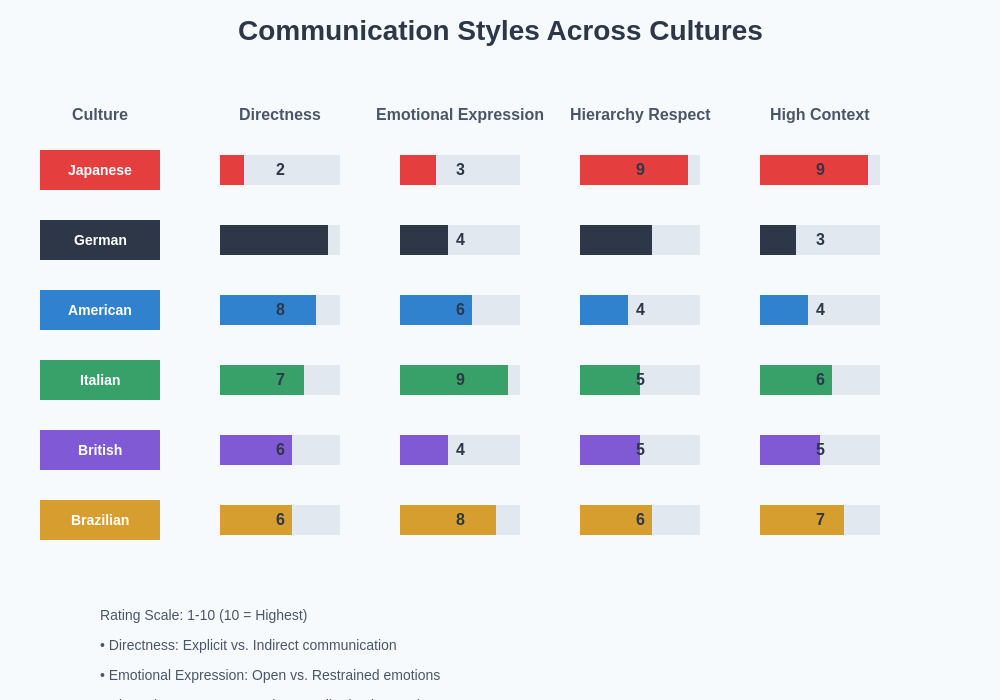
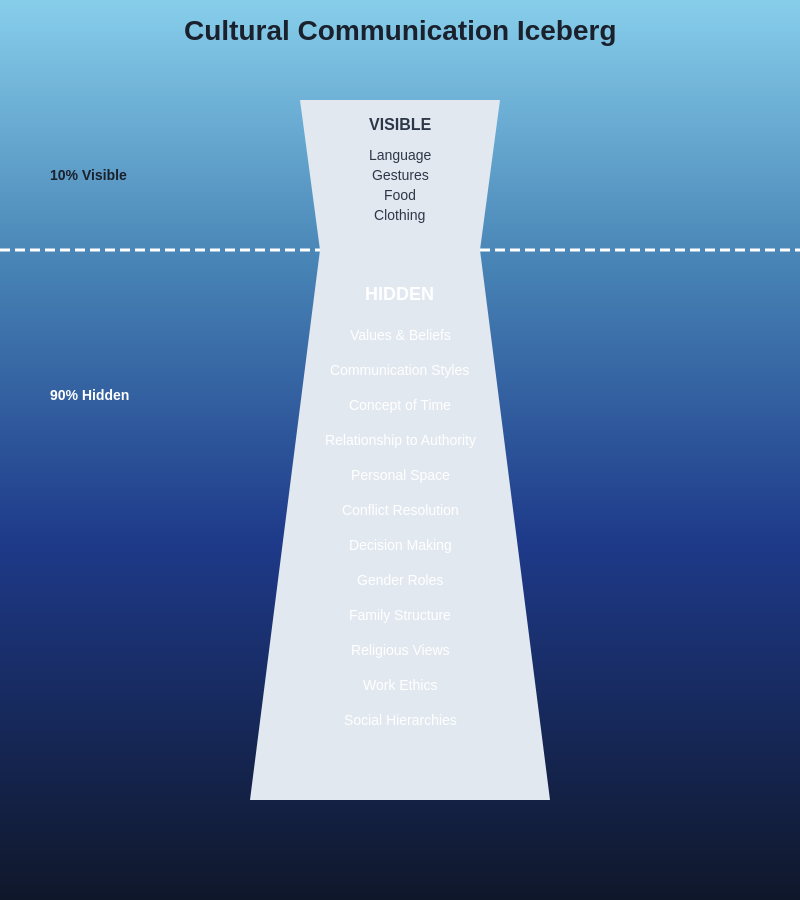
Japanese communication style, along with many other Asian cultures, relies heavily on indirect methods that require reading between the lines, understanding contextual implications, and interpreting subtle social signals that convey meaning without explicit verbalization. Japanese sharehouse rules every foreigner should know often remain unspoken because they are communicated through indirect cultural expectations rather than explicit house policies.
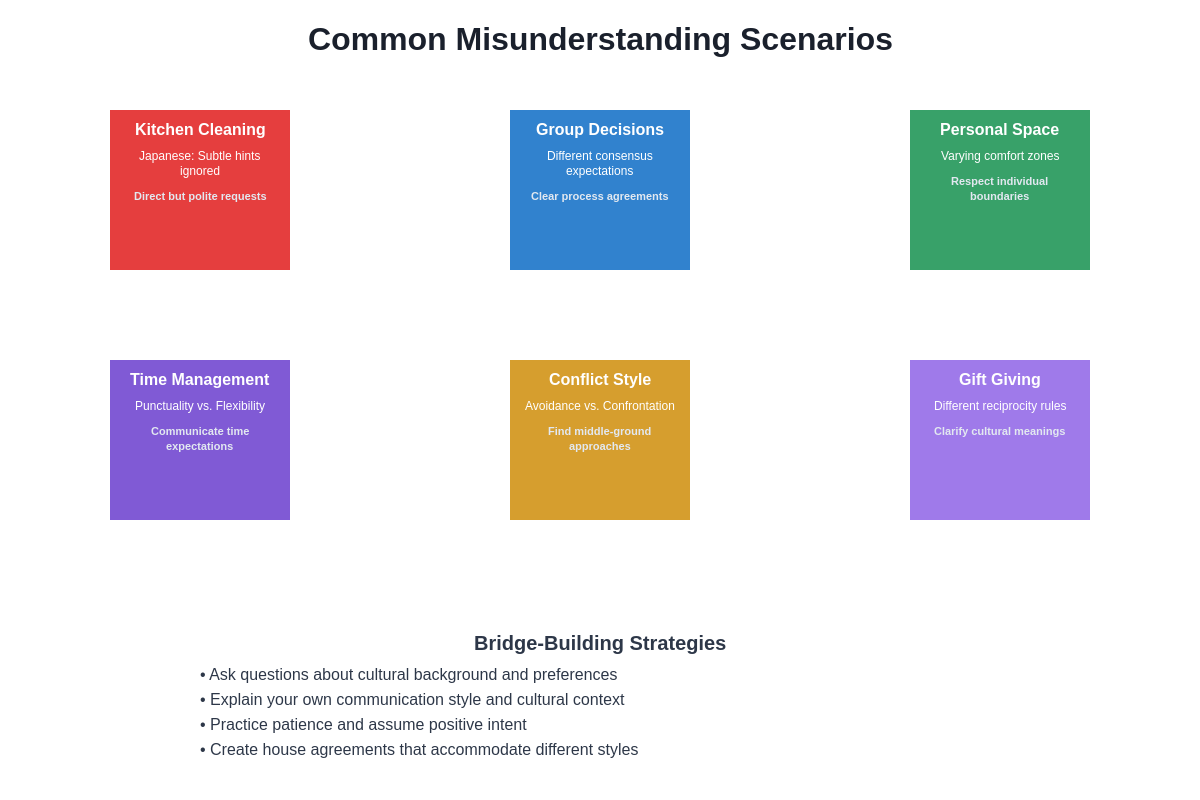
This fundamental difference manifests in daily sharehouse interactions when direct communicators interpret indirect responses as evasive, dishonest, or uncooperative, while indirect communicators perceive direct statements as rude, aggressive, or culturally insensitive. A Japanese resident might express dissatisfaction with kitchen cleanliness through subtle sighs, increased personal cleaning efforts, or gentle suggestions about general tidiness, expecting housemates to recognize and respond to these indirect signals.
Meanwhile, residents from direct communication cultures may completely miss these subtle cues and continue problematic behaviors, interpreting the lack of explicit complaints as acceptance or approval. The resulting frustration builds on both sides as indirect communicators feel ignored and disrespected, while direct communicators remain genuinely unaware that any problem exists until tensions reach crisis levels.
Hierarchical vs. Egalitarian Social Structures
Cultural attitudes toward hierarchy and authority significantly influence how residents interact with each other, make group decisions, and resolve conflicts within sharehouse communities. Many Asian cultures, including Japanese society, maintain strong hierarchical frameworks where age, experience, educational background, and social status determine appropriate communication patterns and decision-making protocols.
These hierarchical expectations often clash with egalitarian approaches common in Western cultures, where residents expect equal voice in discussions regardless of age or background, leading to situations where younger residents from egalitarian cultures unknowingly violate hierarchical protocols by speaking too directly to older housemates or challenging decisions made by senior residents. How age differences impact sharehouse compatibility becomes particularly complex when cultural hierarchy expectations intersect with age-based social dynamics.
The confusion intensifies when hierarchical culture residents interpret egalitarian behavior as disrespectful or inappropriate, while egalitarian culture residents feel frustrated by what they perceive as unnecessary formality or exclusion from decision-making processes. Group discussions about house rules, shared expenses, or activity planning can become particularly contentious when residents operate under different assumptions about who should speak first, whose opinions carry more weight, and how consensus should be reached.
Understanding these different approaches to social organization helps residents recognize that perceived rudeness or exclusion may actually reflect cultural communication patterns rather than personal hostility or intentional discrimination. Making friends through Tokyo sharehouse communities requires navigating these hierarchical expectations while building genuine cross-cultural relationships.
High-Context vs. Low-Context Information Processing
The distinction between high-context and low-context communication styles creates another layer of potential misunderstanding that affects everything from casual conversations to serious conflict resolution in multicultural sharehouses. High-context cultures rely heavily on shared understanding, historical relationships, nonverbal cues, and environmental factors to convey meaning, while low-context cultures depend primarily on explicit verbal information and clear, detailed explanations.
Japanese culture exemplifies high-context communication where meaning depends heavily on situational factors, relationship history, and subtle environmental cues that may be completely invisible to residents from low-context cultures who focus primarily on spoken words. This difference becomes particularly problematic during conflict situations where high-context communicators expect others to understand underlying issues and emotional states without explicit explanation.
Low-context residents often feel frustrated by what they perceive as unclear or incomplete communication, while high-context residents may feel overwhelmed or insulted by requests for detailed explanations of situations they believe should be obvious from contextual cues. How to handle roommate conflicts without moving out requires understanding these fundamental differences in information processing and meaning construction.
The practical implications extend to daily activities such as sharing household responsibilities, coordinating schedules, and expressing preferences for shared spaces, where high-context communicators may assume others understand implicit agreements and expectations that low-context residents never recognized as established protocols.
Emotional Expression and Conflict Management
Cultural attitudes toward emotional expression, conflict acknowledgment, and resolution strategies create significant challenges in multicultural sharehouses where residents must navigate disagreements and interpersonal tensions using vastly different cultural frameworks for managing uncomfortable situations. Some cultures encourage open emotional expression and direct confrontation of problems, while others prioritize emotional restraint and harmony preservation through conflict avoidance.
Mediterranean and Latin American cultures often embrace passionate emotional expression as natural and healthy, encouraging residents to voice concerns immediately and engage in animated discussions to resolve differences. Nordic and Germanic cultures typically favor calm, logical problem-solving approaches that minimize emotional content while focusing on practical solutions and systematic analysis of underlying issues.
Japanese culture emphasizes harmony maintenance and face-saving strategies that often involve indirect conflict management through intermediaries, temporary avoidance, or gradual relationship adjustment rather than direct confrontation. Why conflict resolution styles differ by culture affects not only how problems get addressed but also how residents interpret each other’s problem-solving attempts.
These different approaches to conflict management can create escalating misunderstandings when emotionally expressive residents interpret conflict avoidance as indifference or hostility, while harmony-focused residents perceive direct emotional expression as aggressive or inappropriate. The result often involves residents talking past each other using incompatible frameworks for understanding and resolving interpersonal difficulties.
Nonverbal Communication and Personal Space
Nonverbal communication patterns vary dramatically across cultures, creating numerous opportunities for misinterpretation in sharehouses where residents must constantly navigate proximity, physical interaction, and spatial boundaries according to different cultural expectations. Eye contact, facial expressions, hand gestures, physical touch, and personal space preferences all carry culture-specific meanings that can be easily misunderstood in multicultural environments.
Some cultures interpret direct eye contact as respectful attention and honesty, while others consider sustained eye contact as aggressive or inappropriate, particularly between people of different ages or genders. Hand gestures that seem friendly or emphatic in one culture may be considered rude or offensive in another, leading to unintentional insults during casual conversations.
Personal space expectations create particularly frequent misunderstandings in crowded sharehouse environments where cultural differences in comfortable proximity can make some residents feel invaded while making others feel rejected or excluded. Mediterranean cultures often embrace closer physical proximity and casual touch during conversations, while Nordic cultures typically prefer greater personal space and minimal physical contact even in friendly interactions.
The complexity increases when residents misinterpret nonverbal signals related to romantic interest, friendship boundaries, or respect levels, potentially creating uncomfortable situations that could be avoided through better understanding of cultural nonverbal communication patterns. Dating while living in Tokyo sharehouses becomes particularly complex when nonverbal cultural differences intersect with romantic and social relationship development.
Time Perception and Scheduling Approaches
Cultural attitudes toward time, punctuality, scheduling, and planning create frequent friction in sharehouses where residents must coordinate shared activities, responsibilities, and space usage according to different temporal frameworks and organizational philosophies. Monochronic cultures emphasize linear time management, strict scheduling, and punctuality as expressions of respect and professionalism.
Polychronic cultures prioritize relationship maintenance and flexible adaptation over rigid time adherence, viewing schedule changes and informal timing as natural aspects of social interaction rather than disrespectful behavior. These fundamental differences affect everything from meal planning and bathroom scheduling to group activities and cleaning responsibilities.
German and Swiss residents often expect precise scheduling and reliable adherence to agreed-upon times for shared activities, while residents from more flexible time cultures may interpret this rigidity as unnecessarily controlling or socially cold. Conversely, spontaneous schedule changes or casual approach to timing may be perceived as disrespectful or unreliable by residents from punctuality-focused cultures.
The practical implications extend to house meetings, shared meal planning, guest policies, and coordination of household responsibilities where different time orientations can create ongoing tension and misunderstanding about expectations and commitments. Understanding these temporal cultural differences helps residents develop more flexible and inclusive approaches to coordination and planning.
Language Nuance and Translation Challenges
Even among residents who share common languages, cultural differences in language use, humor styles, directness levels, and conversational patterns create numerous opportunities for misunderstanding and unintended offense. Sarcasm, irony, colloquialisms, and culture-specific references may not translate effectively across cultural boundaries, leading to confusion or misinterpretation of intended meanings.
British humor often relies on self-deprecation and irony that can be misunderstood as genuine self-criticism or criticism of others when interpreted through different cultural frameworks. American directness may seem rude to residents from cultures that value subtle communication, while indirect communication styles may frustrate residents who prefer explicit information exchange.
Translation challenges extend beyond vocabulary to include cultural concepts, social expectations, and emotional nuances that don’t have direct equivalents across cultures. How language barriers complicate legal documents affects not only official paperwork but also everyday understanding of house rules, cultural expectations, and social agreements that residents assume are universally understood.
The complexity increases when residents use second or third languages to communicate, introducing additional layers of potential misunderstanding related to fluency levels, cultural translation patterns, and different approaches to language learning and usage in social contexts.
Gift-Giving and Reciprocity Expectations
Cultural protocols around gift-giving, reciprocity, hospitality, and resource sharing create frequent misunderstandings in sharehouses where residents unknowingly violate cultural expectations or misinterpret generous gestures according to their own cultural frameworks. Some cultures emphasize generous hospitality and resource sharing as fundamental expressions of friendship and community membership.
Other cultures maintain stricter boundaries around personal property and reciprocal obligations, preferring equal exchanges and clear agreements about shared resources and responsibilities. Why gift giving customs create awkwardness affects everything from food sharing and celebration participation to birthday acknowledgments and holiday gift exchanges.
Japanese culture includes complex reciprocity expectations where gifts and favors create ongoing social obligations that must be carefully balanced through appropriate return gestures, while some Western cultures treat gifts as expressions of friendship without creating future obligations. These different frameworks can lead to situations where generous gestures create unintended stress or obligation rather than appreciation and connection.
Understanding cultural approaches to generosity, reciprocity, and resource sharing helps residents navigate these potentially sensitive areas while building positive relationships that respect different cultural values and expectations around material exchange and social obligation.
Decision-Making and Consensus Building
Different cultural approaches to group decision-making, consensus building, and authority distribution significantly impact how sharehouses handle collective choices about rules, activities, expenses, and conflict resolution. Some cultures emphasize individual autonomy and majority-rule voting systems, while others prioritize consensus building and harmonious agreement that includes all perspectives.
Consensus-focused cultures may spend extensive time discussing options and ensuring everyone feels heard before making decisions, while efficiency-focused cultures prefer quick decision-making processes that may leave some residents feeling excluded or unheard. These different approaches can create frustration when residents interpret lengthy discussion as indecisiveness or quick decisions as inconsiderate.
The complexity increases when cultural hierarchy expectations intersect with decision-making processes, creating situations where some residents expect senior members to make final decisions while others assume equal voice regardless of age or experience. How group discussions favor native speakers compounds these challenges when language fluency intersects with cultural decision-making patterns.
Understanding different approaches to collective decision-making helps sharehouses develop inclusive processes that acknowledge cultural diversity while ensuring all residents feel valued and heard in important discussions that affect their living environment and community experience.
Building Cultural Bridge Strategies
Successful navigation of cultural communication differences requires proactive strategies that acknowledge diversity while building understanding and appreciation across cultural boundaries. Creating explicit discussion opportunities about cultural differences, communication preferences, and potential misunderstanding sources helps residents develop awareness and empathy for different approaches to social interaction.
Regular house meetings that include cultural sharing components allow residents to explain their communication styles, discuss potential areas of confusion, and establish house-specific protocols that accommodate different cultural needs while maintaining community harmony. How cultural sensitivity develops through daily interaction involves intentional practice and mutual education rather than assuming understanding will develop naturally.
Establishing clear but flexible house guidelines that acknowledge cultural differences while maintaining functional community standards helps prevent misunderstandings while respecting diverse approaches to social interaction, conflict resolution, and relationship building. These guidelines should address common areas of cultural friction while maintaining adaptability for specific situations and evolving community needs.
Creating mentorship or buddy systems that pair residents from different cultural backgrounds can facilitate cross-cultural learning and provide safe spaces for asking questions, clarifying misunderstandings, and developing deeper appreciation for different communication styles and cultural values.
The long-term benefits of investing in cross-cultural communication competence extend far beyond sharehouse harmony to include enhanced global perspective, improved professional relationships, and deeper personal growth through exposure to different ways of understanding and interacting with the world. Real stories from Tokyo sharehouse residents consistently highlight cultural learning as one of the most valuable aspects of multicultural living experiences.
Developing patience, curiosity, and willingness to question initial interpretations of others’ behavior creates foundation for building meaningful cross-cultural relationships that enrich all residents’ understanding of human diversity and social connection possibilities across cultural boundaries.
Disclaimer
This article is for informational purposes only and does not constitute professional advice on cross-cultural communication or conflict resolution. Cultural patterns described represent general tendencies rather than universal characteristics, and individual differences within cultures may vary significantly. Readers should approach cultural learning with openness and avoid stereotyping while developing personalized strategies for cross-cultural interaction in their specific living environments.