The intricate tapestry of friendship formation in Tokyo sharehouses reveals fascinating patterns shaped by deeply ingrained cultural differences that influence every aspect of social interaction. When individuals from diverse backgrounds attempt to build meaningful connections within shared living spaces, they encounter complex layers of cultural programming that dictate communication styles, social expectations, emotional expression, and relationship development approaches that can either facilitate or hinder genuine connection formation.
Understanding these cultural nuances becomes essential for anyone seeking to navigate the social landscape of international sharehouse living successfully. The intersection of different cultural frameworks creates unique opportunities for personal growth and cross-cultural understanding, while simultaneously presenting challenges that require patience, empathy, and conscious effort to overcome the invisible barriers that cultural conditioning creates in interpersonal relationships.
The Foundation of Cultural Communication Styles
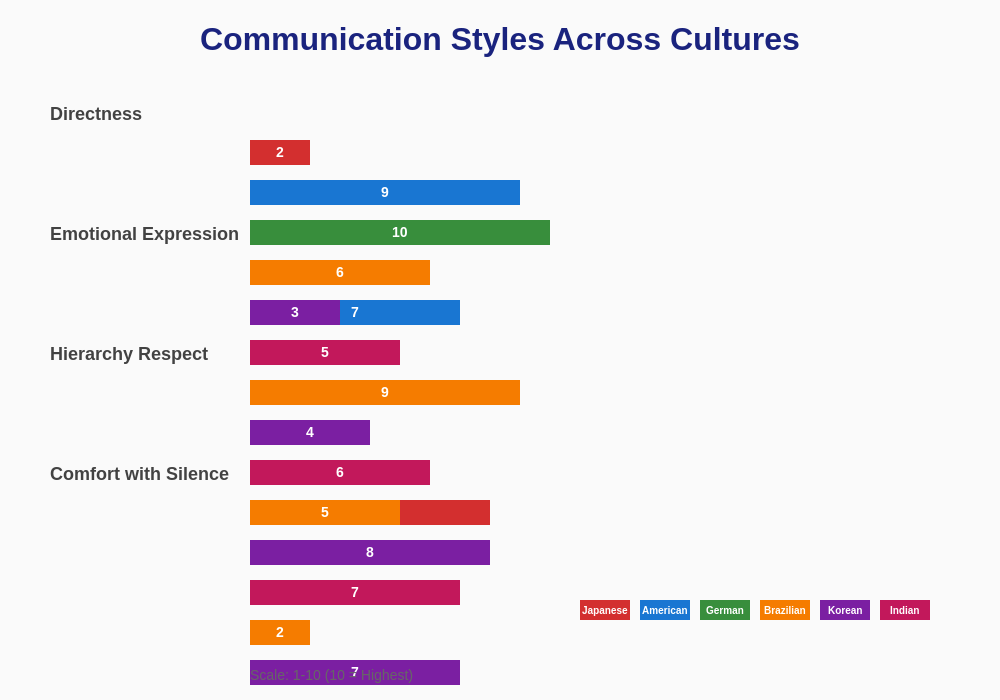
Cultural backgrounds fundamentally shape how individuals approach initial interactions and ongoing communication within sharehouse environments. High-context cultures such as Japan, Korea, and many Middle Eastern countries rely heavily on non-verbal cues, implicit understanding, and indirect communication methods that can be easily misinterpreted by residents from low-context cultures like Germany, Scandinavia, or the United States, where direct communication and explicit verbal expression are valued and expected.
These communication differences manifest in daily interactions through varying comfort levels with silence, different interpretations of politeness markers, and contrasting approaches to conflict resolution that can create misunderstandings even when all parties have positive intentions. Living with Japanese roommates in Tokyo sharehouses provides specific insights into navigating these communication complexities within Japanese cultural contexts.
The speed and directness of communication varies dramatically between cultures, with some valuing quick, efficient exchanges while others prioritize relationship-building through extended conversation and careful attention to social harmony. Understanding these preferences helps residents adjust their communication styles to create more effective and comfortable interactions that foster rather than hinder friendship development.
Social Distance and Personal Space Concepts
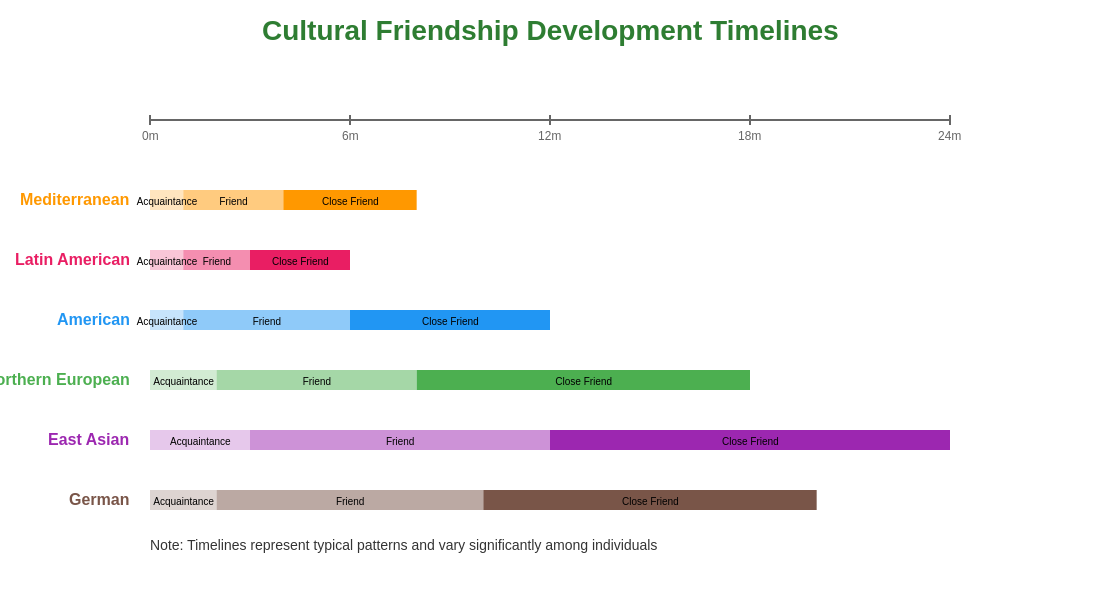
Cultural concepts of appropriate social distance and personal space create significant variations in how quickly and deeply friendships develop within sharehouse environments. Mediterranean and Latin American cultures often embrace closer physical proximity, more frequent touch, and faster progression toward intimate friendship levels, while East Asian and Northern European cultures typically maintain greater physical and emotional distance during relationship development phases.
These differences in social proximity preferences can create uncomfortable situations where one person’s friendly gesture feels invasive to another, or where reserved behavior is interpreted as rejection or disinterest rather than cultural norm adherence. Making friends through Tokyo sharehouse communities explores strategies for bridging these cultural gaps in shared living situations.
The timeline for friendship development varies enormously between cultures, with some expecting rapid progression from acquaintance to close friend status, while others require months or years of consistent interaction before considering someone a true friend. Managing these different expectations requires conscious awareness and explicit communication about relationship boundaries and development preferences that might otherwise remain unspoken and misunderstood.
Hierarchical Structures and Age Considerations
Cultural attitudes toward age, education, and social hierarchy significantly influence friendship formation patterns within diverse sharehouse communities. Cultures with strong hierarchical traditions such as Korea, India, and many African countries emphasize respect for age and educational achievement in ways that can create invisible barriers between residents of different ages or academic backgrounds, while egalitarian cultures prioritize equal treatment regardless of these factors.
How age differences impact sharehouse compatibility examines how these cultural attitudes combine with actual age gaps to create complex social dynamics that affect friendship possibilities and community integration patterns among residents from different cultural backgrounds.
The concept of mentorship versus peer friendship varies significantly between cultures, with some viewing older or more educated residents as natural mentors deserving special respect, while others expect purely horizontal relationships based on mutual interest and compatibility rather than hierarchical considerations. These different expectations can create tension when residents operate under conflicting social frameworks without recognizing the cultural basis for their differences.
Emotional Expression and Vulnerability Patterns
Cultural norms surrounding emotional expression and vulnerability sharing create profound differences in how residents approach deeper friendship development within sharehouse contexts. Cultures that encourage open emotional sharing and personal disclosure as friendship-building tools contrast sharply with those that view such openness as inappropriate or uncomfortable, creating mismatched expectations about relationship depth and intimacy progression.
The concept of emotional labor and support varies between cultures, with some expecting friends to provide extensive emotional support and personal guidance, while others maintain clearer boundaries between friendship and therapeutic relationships. These differences can lead to feelings of rejection or overwhelming responsibility when residents operate under different cultural frameworks for emotional exchange.
Gender considerations add additional complexity to cross-cultural friendship formation, as cultures vary dramatically in their acceptance of close friendships between different genders, expectations for emotional expression based on gender roles, and comfortable boundaries for mixed-gender social activities and personal sharing within shared living environments.
Religious and Spiritual Influences on Social Bonding
Religious and spiritual backgrounds create additional layers of complexity in friendship formation through dietary restrictions, lifestyle practices, social activities participation, and fundamental worldview differences that can either create strong bonds among like-minded individuals or barriers between those with conflicting beliefs and practices.
Why religious considerations affect daily routines explores how different spiritual practices impact shared living dynamics and friendship formation opportunities, particularly around meal sharing, social events, and lifestyle choices that form the foundation of many sharehouse friendships.
The role of shared activities in friendship building becomes complicated when religious or spiritual considerations limit participation in common bonding activities such as drinking, certain types of entertainment, mixed-gender events, or activities scheduled during religious observance times, requiring creative approaches to inclusive community building that respect diverse spiritual needs.
Work-Life Balance Cultural Perspectives
Cultural attitudes toward work-life balance significantly impact available time and energy for friendship development, with some cultures prioritizing social relationships and community building while others emphasize career advancement and individual achievement in ways that limit social engagement opportunities within sharehouse communities.
The concept of leisure time utilization varies between cultures, affecting preferences for group activities, individual pursuits, structured versus spontaneous social interactions, and the role of friendship in overall life satisfaction and goal achievement that influence how residents prioritize relationship building within their broader life strategies.
How career changes affect sharehouse eligibility examines how work-focused cultures impact long-term community stability and friendship maintenance within sharehouse environments where residents may prioritize career advancement over social relationship investment.
Food Culture and Social Bonding Rituals
Food culture represents one of the most powerful and accessible pathways for cross-cultural friendship building within sharehouse environments, yet cultural differences in dietary practices, meal timing, cooking methods, and food sharing customs can create both opportunities and obstacles for social connection development among residents from diverse backgrounds.
The social significance of shared meals varies dramatically between cultures, with some viewing communal eating as essential relationship-building activity while others prefer individual meal preparation and consumption, creating different expectations for kitchen usage, meal planning coordination, and social interaction opportunities around food preparation and consumption activities.
Kitchen politics actually work in Japanese sharehouses provides insights into navigating cultural differences around shared cooking spaces while building friendships through food-related activities that respect diverse cultural practices and dietary requirements.
Language Barriers and Communication Adaptation
Language proficiency differences create multi-layered challenges for friendship formation that extend beyond simple vocabulary limitations to include cultural context understanding, humor appreciation, emotional nuance expression, and the cognitive fatigue associated with constant communication in non-native languages that can limit social energy available for relationship building activities.
The dynamics of multilingual friendship formation involve complex negotiations around language choice for group conversations, translation assistance expectations, patience with communication mistakes, and the emotional impact of being unable to express personality fully in second or third languages that may not capture individual wit, intelligence, or emotional depth accurately.
Why language barriers prevent deep friendships explores specific strategies for overcoming communication obstacles while building authentic connections that transcend linguistic limitations through shared activities, non-verbal bonding, and gradual language skill development that strengthens rather than hinders friendship formation.
Conflict Resolution and Relationship Repair
Cultural approaches to conflict resolution significantly impact friendship resilience and long-term relationship sustainability within sharehouse communities where disagreements and misunderstandings are inevitable aspects of shared living that require effective resolution strategies respecting diverse cultural frameworks for addressing interpersonal problems.
Direct confrontation versus indirect conflict resolution preferences create challenges when residents from different cultural backgrounds attempt to address relationship problems using incompatible approaches that may escalate rather than resolve underlying issues, requiring cultural bridge-building skills and explicit negotiation of conflict resolution processes that accommodate diverse comfort zones.
How to handle roommate conflicts without moving out provides practical frameworks for navigating cultural differences in conflict resolution while preserving and strengthening friendships through difficulties that can ultimately deepen relationships when handled with cultural sensitivity and mutual respect.
Celebration and Ritual Sharing Practices
Cultural celebrations and ritual practices provide powerful opportunities for cross-cultural friendship deepening through shared experiences that offer insights into different worldviews, values systems, and life approaches while creating memorable bonding experiences that strengthen community connections and individual relationship foundations.
The invitation and participation dynamics around cultural celebrations require sensitive navigation of inclusion boundaries, religious considerations, expense sharing expectations, and comfort levels with unfamiliar practices that can either create deeper understanding and appreciation or uncomfortable situations that strain developing friendships if not handled thoughtfully.
How cultural festivals affect house activities examines strategies for inclusive celebration planning that honors diverse cultural traditions while building community cohesion and individual friendships through shared cultural exploration and appreciation activities that enrich the sharehouse living experience.
Technology and Social Media Integration
Cultural differences in social media usage, digital communication preferences, and technology integration for relationship maintenance create additional complexity in modern friendship formation where online and offline interactions blend to create hybrid relationship experiences that vary significantly between different cultural frameworks for digital social engagement.
Privacy expectations around social media sharing, photograph permissions, contact information exchange, and digital friendship documentation reflect broader cultural values about public versus private relationship aspects that influence how friendships develop and maintain momentum through digital platforms alongside in-person interactions.
The generational and cultural intersection of technology usage creates different comfort levels and expectations for digital friendship maintenance that can impact relationship sustainability when residents rely on different communication channels and social platforms for ongoing connection and community participation.
Long-term Friendship Sustainability Factors
The sustainability of cross-cultural friendships formed in sharehouse environments depends on ongoing cultural learning, adaptation flexibility, explicit communication about changing needs and expectations, and commitment to understanding that cultural differences represent opportunities for growth rather than obstacles to overcome in relationship development.
Maintaining friendships across cultural differences requires continuous effort to bridge understanding gaps, celebrate diverse perspectives, navigate changing life circumstances that may affect cultural expression and social availability, and develop shared experiences that transcend cultural boundaries while respecting individual cultural identity and values.
Real stories from Tokyo sharehouse residents showcases examples of successful cross-cultural friendship formation and maintenance strategies that demonstrate the potential for deep, lasting connections when cultural differences are approached with curiosity, respect, and commitment to mutual understanding and growth.
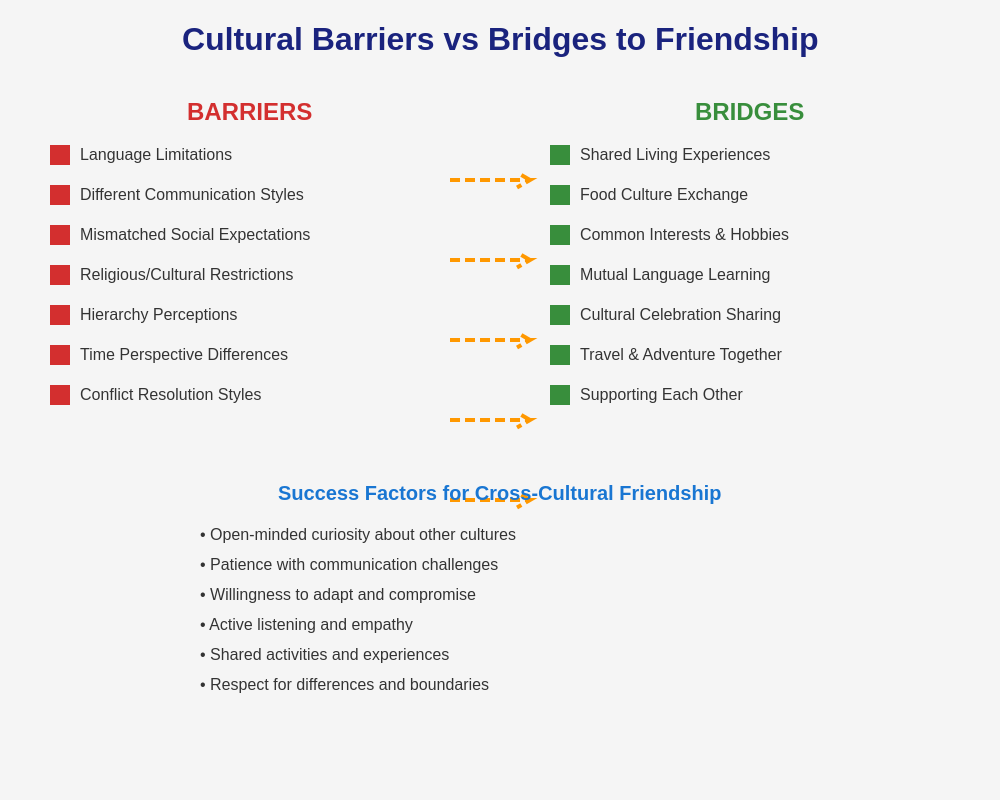
The journey of building friendships across cultural differences within Tokyo sharehouse communities represents one of the most rewarding aspects of international living, offering opportunities for personal expansion, worldview broadening, and meaningful connection formation that enriches life experience far beyond simple accommodation sharing. Success requires patience, empathy, open-mindedness, and commitment to seeing cultural differences as gifts rather than barriers in the beautiful complexity of human connection across diverse backgrounds.
Disclaimer
This article is for informational purposes only and reflects general observations about cultural differences in social interaction. Individual experiences may vary significantly regardless of cultural background, and cultural generalizations should not be applied to specific individuals. Readers should approach cross-cultural friendship building with open minds and avoid stereotyping based on cultural origins. The effectiveness of suggested strategies may vary depending on individual personalities, specific cultural contexts, and unique sharehouse dynamics.