Holiday celebrations in Tokyo sharehouses represent fascinating microcosms of global cultural diversity, where traditions from dozens of countries converge in single living spaces throughout the year. The intersection of different cultural backgrounds during festive seasons creates both extraordinary opportunities for cross-cultural learning and complex challenges that require sensitivity, understanding, and careful navigation to maintain harmony within international communities.
Living alongside people from vastly different cultural backgrounds during holiday periods offers unique insights into how deeply embedded traditions shape individual identities and community expectations. Understanding these dynamics becomes essential for anyone seeking to build meaningful relationships and contribute positively to multicultural living environments while respecting the diverse ways people celebrate their most cherished occasions throughout the calendar year.
The Complex Landscape of International Holiday Calendars
Tokyo sharehouses often house residents from twenty or more different countries, each bringing their own calendar of significant holidays, religious observances, and cultural celebrations that may have little overlap with Japanese traditions or the experiences of other housemates. The complexity of navigating this diverse landscape requires awareness of not just when different holidays occur, but also their relative importance within various cultural contexts and the expectations they create for celebration and participation.
Understanding how cultural differences affect friendship building becomes particularly relevant during holiday seasons when emotional significance and cultural identity converge in powerful ways. The way individuals approach celebrations often reflects deep-seated values about family, community, spirituality, and social connection that extend far beyond simple festive activities.
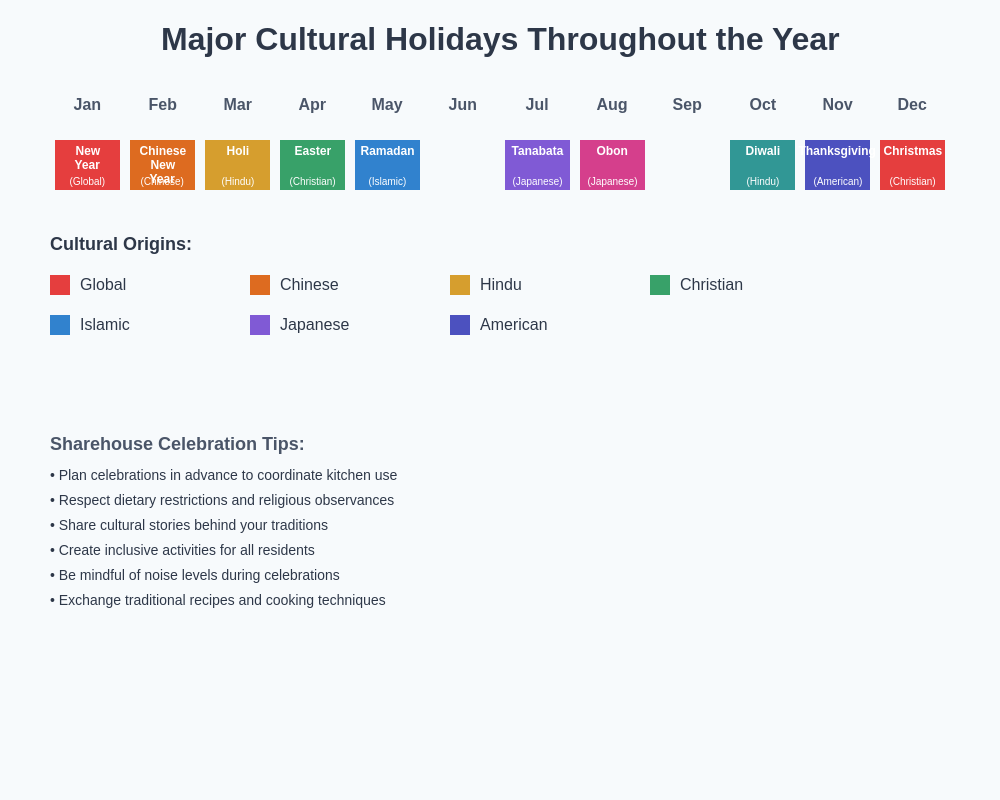
Major Western holidays like Christmas and New Year often dominate sharehouse atmospheres due to their widespread recognition and the prevalence of Western residents in many Tokyo sharehouses, but this dominance can inadvertently marginalize residents from cultures that place greater emphasis on different celebrations such as Chinese New Year, Diwali, Ramadan, or Obon festivities.
The timing of various cultural celebrations throughout the year creates periods of intense cultural activity followed by relative quiet, with some months featuring multiple significant holidays from different traditions while others pass with minimal celebration. Understanding these rhythms helps residents prepare for and participate in the ebb and flow of multicultural holiday experiences that characterize international sharehouse living.
Religious Observances and Secular Celebrations
The distinction between religious and secular celebrations often becomes blurred in multicultural sharehouses, where residents may participate in holidays outside their own traditions purely for social connection while others maintain strict adherence to religious requirements that can affect their ability to participate in certain activities or consume particular foods and beverages during celebrations.
Islamic residents observing Ramadan create unique dynamics within sharehouses as their fasting schedules and evening celebrations contrast sharply with typical meal patterns and social activities that other residents may take for granted. How dietary restrictions impact shared kitchen use becomes particularly relevant during religious observance periods when kitchen access and meal preparation require additional coordination and sensitivity.
Christian holidays often involve specific food traditions and social expectations that may conflict with dietary restrictions of residents from other backgrounds, while Buddhist and Hindu celebrations may include practices like meditation, chanting, or specific ritual preparations that require quiet spaces and understanding from housemates who may not be familiar with these traditions.
The commercialization of holidays in Japan adds another layer of complexity, as residents witness how their traditional celebrations are adapted, modified, or sometimes misrepresented within Japanese commercial culture. Christmas celebrations in Japan, for example, may feel foreign even to Western residents due to unique Japanese interpretations that blend cultural elements in unexpected ways.
Food Traditions and Shared Kitchen Dynamics
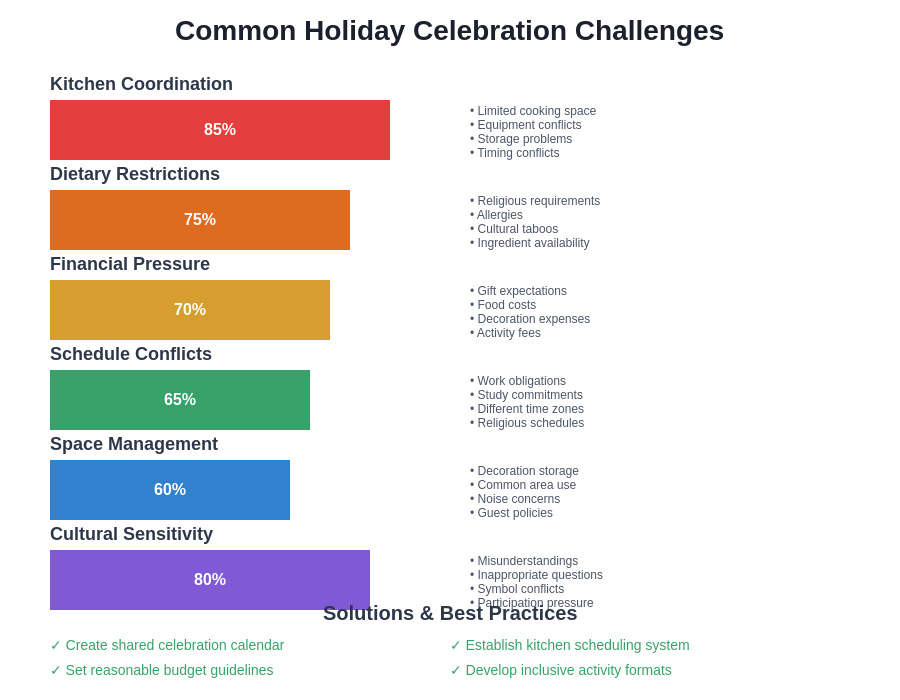
Holiday food preparation represents one of the most complex aspects of multicultural celebrations in sharehouses, where kitchen space limitations, equipment availability, and cooking time requirements often create conflicts that require careful negotiation and advance planning. Traditional holiday meals from different cultures may require specialized ingredients, cooking techniques, or preparation times that strain shared kitchen resources and challenge residents’ abilities to accommodate multiple traditions simultaneously.
How cooking odors create cultural conflicts becomes particularly pronounced during holiday periods when strong spices, fermented ingredients, and unfamiliar cooking methods may create sensory experiences that some residents find overwhelming or unpleasant. The aromatic intensity of traditional holiday dishes can linger in shared spaces for days, affecting residents who may be sensitive to certain smells or prefer different environmental conditions.
The sharing of holiday foods often serves as a bridge between cultures, allowing residents to experience authentic flavors and cooking techniques while learning about the historical and cultural significance behind specific dishes. However, dietary restrictions, allergies, and religious requirements can complicate these exchanges and require careful attention to ingredient lists and preparation methods to ensure inclusive participation.
Storage requirements for holiday ingredients and prepared foods can overwhelm refrigerator and pantry space, particularly when multiple residents are simultaneously preparing elaborate traditional meals. The timing of meal preparation and consumption may also conflict when different cultures have varying traditions about when holiday meals should be served and consumed.
Gift-Giving Customs and Financial Considerations
Gift-giving traditions vary dramatically across cultures, creating potential awkwardness and financial pressure in sharehouses where residents may have different expectations about appropriate gifts, spending levels, and reciprocity requirements during holiday seasons. Some cultures emphasize elaborate gift exchanges while others focus more on shared experiences or symbolic gestures that carry emotional rather than monetary value.
Understanding how cultural communication styles create misunderstandings becomes crucial when navigating gift-giving expectations, as direct communication about financial limitations or cultural differences may be considered inappropriate in some contexts while essential transparency in others.
The concept of obligatory gift-giving versus voluntary generosity differs significantly between cultures, with some traditions creating social pressure to participate in exchanges regardless of personal financial circumstances while others maintain more flexible approaches that accommodate individual situations and preferences.
Secret Santa traditions, common in many Western celebrations, may feel exclusionary to residents from cultures that don’t practice anonymous gift-giving or may conflict with religious beliefs about gift exchanges. Alternative celebration formats that include multiple cultural traditions require creative planning and sensitivity to ensure all residents feel welcome to participate according to their comfort levels and cultural backgrounds.
Decoration Conflicts and Shared Space Management
Holiday decorations often become sources of both joy and tension in sharehouses as different cultural aesthetics, religious symbols, and celebration styles compete for limited common space while residents attempt to create festive atmospheres that reflect their diverse backgrounds. The prominence given to different cultural decorations can inadvertently signal hierarchy or preference that may make some residents feel marginalized or less valued within the community.
Christmas trees, menorahs, Islamic crescents, Hindu rangoli patterns, and other religious or cultural symbols may carry different levels of significance and sensitivity that require careful consideration when planning shared space decorations. Some residents may feel uncomfortable with certain religious imagery while others consider their cultural symbols essential for meaningful celebration.
Storage of decorations between holidays creates ongoing space management challenges in sharehouses where storage is already limited and residents accumulate items throughout the year. The responsibility for purchasing, setting up, and removing decorations often falls unevenly among residents, creating potential resentment and coordination difficulties.
Fire safety considerations become particularly important during holidays that involve candles, incense, or electrical decorations, as different cultural practices may include elements that create safety risks in shared living environments. Understanding building regulations and insurance requirements helps prevent conflicts with property management while ensuring resident safety during celebration periods.
Social Event Planning and Inclusive Participation
Organizing inclusive holiday celebrations requires balancing multiple cultural expectations, dietary requirements, and participation preferences while creating events that feel authentic and meaningful to residents from diverse backgrounds. The challenge lies in developing celebration formats that honor specific cultural traditions while remaining accessible and enjoyable for residents who may be unfamiliar with those practices.
How cultural festivals affect house activities demonstrates how major celebrations can dominate house dynamics for extended periods, requiring advance planning and communication to ensure smooth coordination with other residents’ schedules and commitments.
Language barriers may prevent some residents from fully understanding cultural explanations or participating meaningfully in discussions about holiday traditions and their significance. Providing multiple communication methods and ensuring translation support helps create more inclusive environments where all residents can engage with cultural learning opportunities.
The timing of celebration events must accommodate work schedules, study commitments, and personal obligations that may vary significantly among residents from different cultural backgrounds. Weekend celebrations may conflict with religious observances while weekday events may exclude working residents, requiring flexible scheduling approaches that maximize participation opportunities.
Economic Pressures and Budget Considerations
Holiday seasons often create financial pressure in sharehouses as residents face expectations to contribute to group celebrations, purchase gifts, or participate in activities that may exceed their budgetary constraints. The economic disparities between residents from different countries and employment situations can create uncomfortable dynamics when celebration costs are discussed or divided among housemates.
How living costs affect monthly spending patterns becomes particularly relevant during holiday periods when additional expenses for food, decorations, gifts, and activities can strain already tight budgets. International students and working holiday visa holders may have limited financial flexibility compared to full-time professionals, creating potential exclusion from expensive celebration activities.
Currency exchange considerations affect residents who send money home for family celebrations or receive financial support from abroad, as holiday periods often coincide with increased international money transfers that may be subject to unfavorable exchange rates or transfer fees that impact available celebration budgets.
The expectation to participate in multiple cultural celebrations throughout the year can create cumulative financial pressure that some residents may find difficult to sustain while maintaining their basic living expenses and savings goals. Developing cost-effective celebration alternatives that honor cultural traditions without creating financial hardship requires creativity and open communication about budget limitations.
Workplace and Academic Schedule Conflicts
Different cultural approaches to holiday time off create scheduling conflicts in sharehouses where residents may have varying abilities to participate in extended celebrations due to work obligations or academic commitments that don’t align with their cultural holiday calendars. Japanese workplace culture may not accommodate international holidays that are significant to foreign residents, creating tension between cultural identity and professional responsibilities.
How academic deadlines affect house mood illustrates how educational commitments can conflict with cultural celebration periods, particularly for international students who may face important exams or project deadlines during their traditional holiday seasons.
The mismatch between Japanese national holidays and international cultural celebrations means that residents often must choose between participating in their cultural traditions and meeting work or study obligations. This tension can create stress and disappointment that affects overall house dynamics and individual well-being during what should be joyful celebration periods.
Planning celebration activities around diverse work and study schedules requires advance coordination and flexibility to ensure maximum participation while respecting residents’ professional and academic commitments. Alternative celebration formats that accommodate different availability levels help maintain cultural connections without creating additional stress for busy residents.
Homesickness and Emotional Support Systems
Holiday periods often intensify homesickness among international residents as familiar celebration traditions trigger memories of family gatherings and cultural experiences that cannot be fully replicated in sharehouses. The emotional weight of missing traditional celebrations with family members can create periods of sadness and isolation that affect individual residents and overall house dynamics.
How homesickness affects community building becomes particularly relevant during major cultural holidays when the absence of family and familiar traditions creates emotional challenges that require understanding and support from housemates who may not fully comprehend the cultural significance of specific celebrations.
Creating supportive environments during emotionally challenging holiday periods requires sensitivity to individual needs and cultural backgrounds while providing opportunities for residents to share their traditions and connect with others who may be experiencing similar feelings of displacement and cultural disconnection.
The role of technology in maintaining connections with family celebrations through video calls and virtual participation can create additional dynamics in sharehouses as residents balance their desire to maintain cultural connections with their commitment to building relationships within their immediate living community.
Building Cultural Bridges Through Celebration
Successful multicultural holiday celebrations in sharehouses often become powerful tools for building deeper understanding and appreciation between residents from different backgrounds. When approached with genuine curiosity and respect, these occasions provide opportunities for meaningful cultural exchange that extends far beyond simple party planning or social entertainment.
Educational components of holiday celebrations help residents understand the historical, religious, and cultural contexts that give specific traditions their meaning and significance. Learning about the origins and evolution of different cultural practices creates deeper appreciation and prevents superficial or inappropriate appropriation of traditions that hold sacred meaning for other residents.
The development of hybrid celebration traditions that blend elements from multiple cultures can create unique sharehouse traditions that reflect the specific mix of residents and their collaborative creativity. These fusion celebrations often become cherished memories that residents carry with them long after leaving the sharehouse and help define the community’s identity and values.
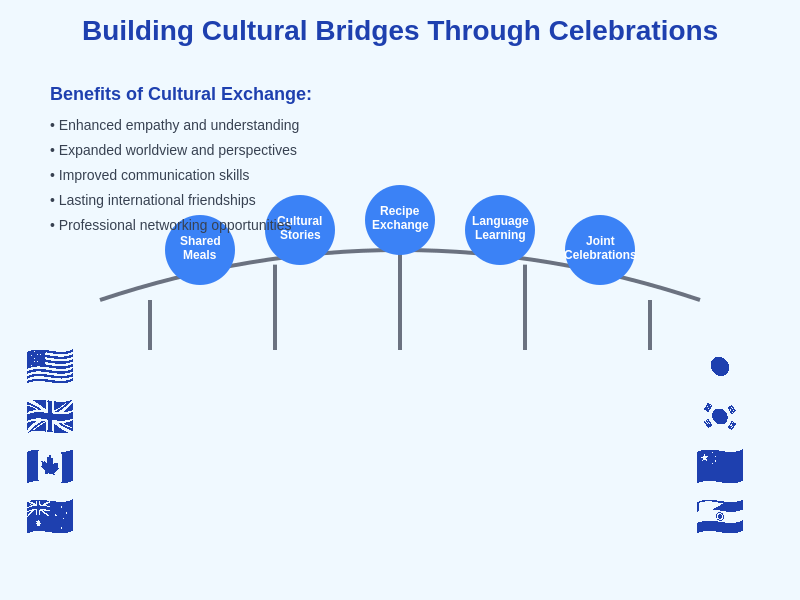
How cultural sensitivity develops through daily interaction demonstrates how regular exposure to different cultural practices during holiday celebrations accelerates cross-cultural understanding and empathy development among residents who approach these experiences with open minds and respectful attitudes.
Long-term Community Impact and Legacy
The way sharehouses handle cultural holiday celebrations often defines their long-term community culture and attracts or repels future residents who are seeking specific types of multicultural experiences. Houses that successfully navigate cultural differences during celebrations often develop reputations for inclusivity and cultural richness that enhance their appeal to international residents seeking meaningful cross-cultural living experiences.
Documentation of successful celebration traditions through photos, recipes, and written accounts helps preserve cultural knowledge and provides guidance for future residents who may want to continue or adapt established traditions. These records become valuable resources for maintaining community continuity despite regular resident turnover.
The skills residents develop in navigating cultural differences during holiday celebrations often transfer to other aspects of international living and career development, providing valuable experience in cross-cultural communication, event planning, and community building that benefits residents long after leaving the sharehouse environment.
Understanding how cultural differences impact holiday celebrations ultimately enriches the international living experience by providing opportunities for personal growth, cultural learning, and the development of global perspectives that prepare residents for increasingly interconnected personal and professional environments throughout their lives.
Disclaimer
This article is for informational purposes only and does not constitute cultural or religious advice. Cultural practices and holiday traditions vary significantly within different communities and individual families. Readers should approach cultural differences with respect, curiosity, and sensitivity while recognizing that generalizations may not apply to specific individuals or situations. The experiences described may vary depending on individual circumstances, house dynamics, and cultural backgrounds of residents.