Cultural festivals represent powerful forces that dramatically reshape the rhythms and dynamics of sharehouse living throughout Japan, creating waves of excitement, anticipation, and sometimes stress that ripple through international communities. These celebrations, ranging from ancient traditional observances to modern pop culture events, fundamentally alter how residents interact, plan their schedules, and experience their shared living spaces during festival periods.
The impact of cultural festivals on sharehouse activities extends far beyond simple calendar adjustments, influencing everything from kitchen usage patterns and social gatherings to transportation schedules and community bonding experiences. Understanding these effects becomes crucial for international residents seeking to navigate the complex social dynamics that emerge during festival seasons while maximizing opportunities for cultural immersion and meaningful connections with housemates from diverse backgrounds.
Festival Calendar and Its Impact on Daily Routines
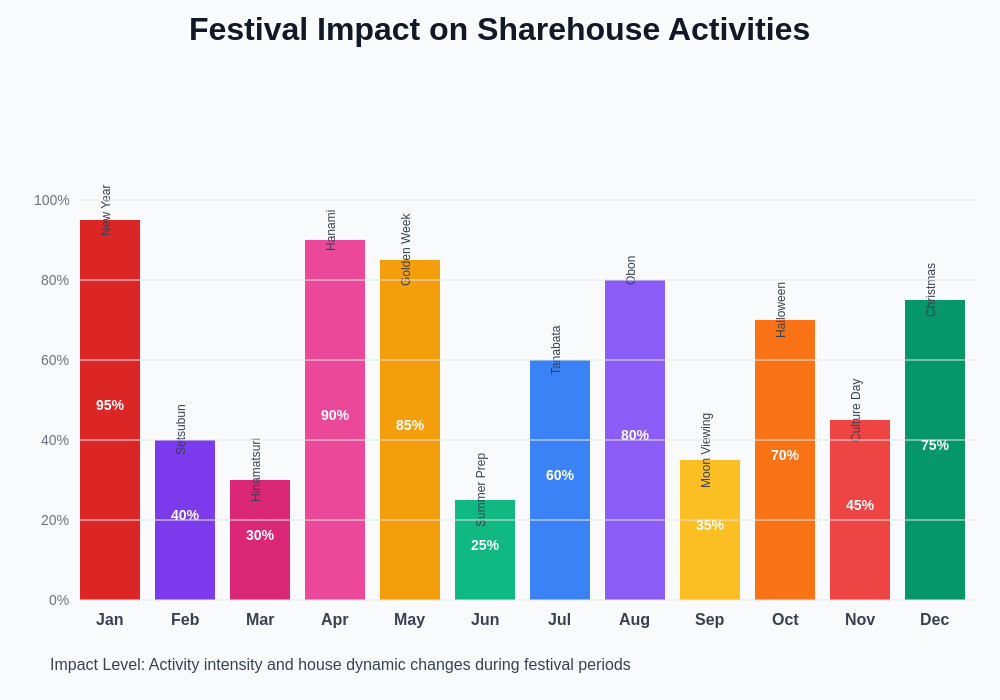
Japan’s festival calendar operates as an invisible conductor orchestrating the rhythm of sharehouse life throughout the year, with major celebrations like Golden Week, Obon, and New Year creating predictable disruptions that experienced residents learn to anticipate and plan around. Living with Japanese roommates in Tokyo sharehouses becomes particularly enriching during these periods when cultural understanding and mutual respect prove essential for maintaining household harmony.
The preparation phases leading up to major festivals often see dramatic shifts in common area usage, with residents gathering for decoration planning sessions, food preparation discussions, and cultural explanation exchanges that transform typically quiet spaces into buzzing community centers. These pre-festival activities create natural opportunities for cultural learning and relationship building that many international residents find among the most rewarding aspects of their sharehouse experience.
Festival periods frequently coincide with altered work schedules, university breaks, and travel patterns that fundamentally change the demographic composition and energy levels within sharehouses. Student sharehouses near top Tokyo universities experience particularly dramatic shifts during academic festival seasons when student residents organize elaborate celebrations or depart for hometown visits.
The cyclical nature of Japan’s festival calendar creates predictable patterns of activity intensity and community engagement that savvy residents learn to leverage for optimal social integration and cultural learning. Understanding these rhythms helps international residents prepare mentally and logistically for periods of heightened activity or unexpected isolation when many housemates travel to participate in hometown celebrations.
Traditional Festival Celebrations in Sharehouses
Traditional Japanese festivals like Tanabata, Hanami, and Setsubun create unique opportunities for authentic cultural exchange within sharehouse communities, transforming ordinary living spaces into venues for time-honored celebrations that many international residents experience for the first time in intimate, educational settings. The preparation and execution of these celebrations often reveal cultural nuances and historical significance that formal language classes or tourist experiences cannot adequately convey.
Hanami season particularly transforms sharehouse dynamics as residents coordinate group outings to popular cherry blossom viewing locations, organize potluck picnics featuring both Japanese traditional foods and international contributions, and navigate the complex social protocols surrounding Japan’s most beloved seasonal celebration. Making friends through Tokyo sharehouse communities becomes especially relevant during hanami when shared experiences create lasting bonds between residents from different cultural backgrounds.
The space limitations and resource sharing inherent in sharehouse living require creative adaptations of traditional festival practices, leading to innovative hybrid celebrations that blend authentic cultural elements with practical compromises necessary for communal living. These adaptations often produce unique traditions specific to individual sharehouses that become cherished memories for residents and contribute to the distinct personality of each living community.
Kitchen facilities become focal points for traditional festival food preparation, with Japanese residents teaching international housemates about seasonal specialties like mochi-making for New Year or preparing special dishes for Obon celebrations. Japanese sharehouse rules every foreigner should know becomes particularly important during these intensive cooking periods when understanding proper etiquette and resource sharing protocols prevents conflicts and ensures successful communal preparation.
Modern Festival Integration and Pop Culture Events
Contemporary festivals and pop culture celebrations bring different but equally transformative energies to sharehouse communities, with events like Halloween, Christmas adaptations, and anime conventions creating opportunities for creative expression and cultural fusion that appeal particularly to younger international residents seeking both entertainment and cultural understanding.
The increasing popularity of Western-influenced celebrations in Japan creates interesting dynamics within sharehouses where international residents often find themselves in teaching roles, sharing traditions from their home countries while learning how Japanese culture adapts and reinterprets foreign celebrations. Cultural differences affecting friendship building becomes particularly evident during these cross-cultural celebration periods when different approach styles and celebration customs emerge.
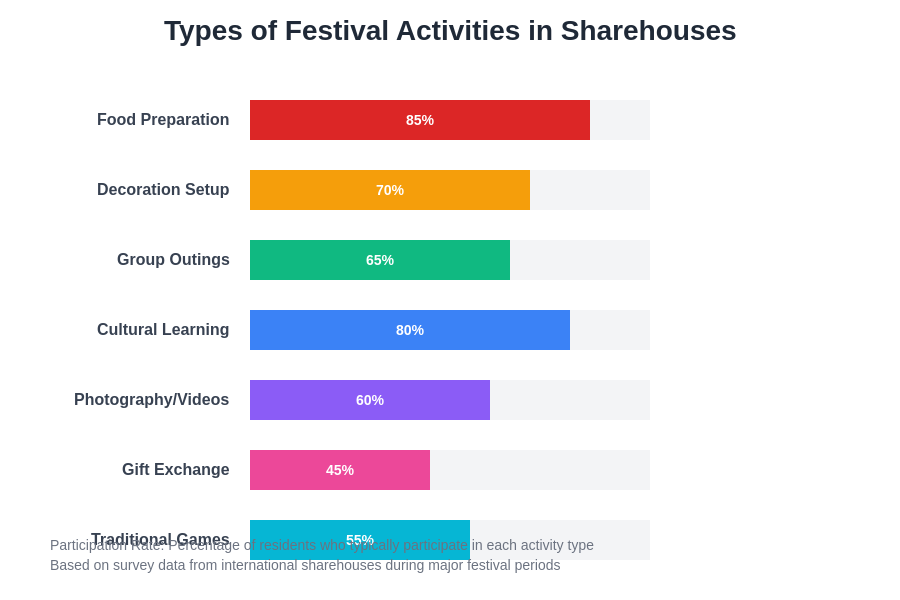
Halloween celebrations in sharehouses often become elaborate community projects involving costume coordination, decoration competitions between rooms or floors, and themed parties that showcase the creativity and collaborative spirit of international communities. These events frequently serve as icebreakers for newer residents and create shared experiences that transcend language barriers through visual creativity and playful interaction.
Technology and social media integration during modern festival celebrations create new forms of community engagement, with residents coordinating through group chats, sharing photos of preparations and celebrations, and sometimes creating content that celebrates their unique multicultural festival experiences. These digital elements often extend the festival experience beyond the physical celebration period and help build lasting connections between residents.
Space Utilization and Resource Management During Festivals
Festival periods dramatically alter how shared spaces function within sharehouses, with common areas transforming from everyday utility spaces into celebration venues that require careful coordination and negotiation among residents with varying levels of interest in participation. How cleaning responsibilities create house drama becomes particularly relevant during post-festival cleanup periods when decorations, food remnants, and increased wear on shared facilities require coordinated restoration efforts.
Kitchen facilities face intense pressure during festival preparation periods, with multiple residents potentially competing for cooking time, refrigerator space, and specialized equipment needed for traditional food preparation. The successful navigation of these resource conflicts often depends on advance planning, clear communication, and the establishment of temporary usage schedules that accommodate both active participants and residents who prefer minimal involvement in celebrations.
Storage limitations in sharehouses create unique challenges for festival-related items like decorations, special serving dishes, and seasonal clothing that may be used infrequently but hold significant cultural or personal value for residents. Creative solutions often emerge through community cooperation, with residents sharing storage responsibilities and developing systems for preserving festival materials for future celebrations.
The transformation of living spaces during festivals sometimes creates temporary displacement for residents who prefer quieter environments or have different schedule requirements, leading to informal arrangements for alternative study spaces, quiet zones, or modified room usage patterns that accommodate diverse needs within the celebration framework.
Cultural Learning Opportunities and Exchange
Festival periods create unparalleled opportunities for deep cultural learning that extends far beyond superficial observation, allowing international residents to participate actively in cultural practices while receiving real-time explanation and context from Japanese housemates who serve as informal cultural ambassadors. How cultural sensitivity develops through daily interaction becomes particularly evident during these intense cultural immersion experiences.
The intimate setting of sharehouse celebrations enables questions, discussions, and cultural comparisons that might be inappropriate or impossible in more formal cultural learning environments. Japanese residents often appreciate the opportunity to share their cultural heritage with genuinely interested international friends, while international residents gain insights into the personal significance and family traditions associated with various celebrations.
Language learning accelerates naturally during festival preparations and celebrations as residents encounter specialized vocabulary, traditional phrases, and cultural concepts that rarely appear in standard language curricula. The contextual learning that occurs during hands-on participation in festival activities often proves more memorable and practical than classroom-based cultural education.
Cross-cultural comparison discussions frequently emerge during festival periods as residents share similar celebrations from their home countries, leading to rich conversations about universal human experiences expressed through different cultural frameworks. These exchanges often reveal surprising commonalities and fascinating differences that deepen mutual understanding and respect among diverse community members.
Social Dynamics and Community Building
Festival celebrations serve as powerful catalysts for community building within sharehouses, breaking down social barriers and creating shared experiences that transform groups of individual residents into cohesive communities with common memories and traditions. How empathy grows through cultural exposure becomes particularly apparent during collaborative festival planning and execution phases.
The collaborative nature of festival preparation naturally creates leadership opportunities and reveals personality traits that might not emerge during routine daily interactions. Some residents discover event planning abilities, others showcase creative talents, and many develop confidence in cross-cultural communication through the shared goal of creating successful celebrations.
Festivals often serve as integration opportunities for newer residents who might otherwise struggle to find their place within established social groups. The inclusive nature of celebration preparation and the need for diverse perspectives and skills create natural entry points for participation that can accelerate social integration processes.
The memory-making aspect of festival celebrations creates lasting bonds between residents that often extend beyond their sharehouse living period, with former housemates maintaining friendships built around shared cultural experiences and celebration traditions that became personally meaningful through collective participation.
Scheduling Conflicts and Coordination Challenges
The intensification of activities during festival periods inevitably creates scheduling conflicts within sharehouses as residents balance celebration participation with work obligations, study commitments, and personal relationships outside the house community. How academic deadlines affect house mood becomes particularly relevant when festival timing coincides with academic or professional pressures.
Transportation coordination becomes complex during major festival periods when multiple residents want to attend the same events, visit similar locations, or travel to hometown celebrations simultaneously. The sharing of travel information, group ticket purchasing, and coordination of departure and return times requires communication skills and advance planning that can strain house relationships if not managed carefully.
Resource allocation conflicts often emerge during festival preparations when multiple celebration preferences compete for limited common space, kitchen time, or decoration budgets. Successful sharehouses develop informal negotiation processes and compromise strategies that allow multiple celebration styles to coexist without creating lasting resentment among residents with different priorities.
The voluntary nature of festival participation within sharehouses creates delicate social dynamics where enthusiastic participants must balance their celebration energy with respect for residents who prefer minimal involvement due to cultural differences, personal preferences, or competing obligations. How conflict resolution styles differ by culture provides valuable insights for navigating these sensitive interpersonal negotiations.
Economic Implications of Festival Celebrations
Festival celebrations introduce additional financial considerations into sharehouse living arrangements, with costs for decorations, special foods, group activities, and gifts creating budget pressures that affect residents differently based on their financial situations and cultural expectations. Living costs in Tokyo sharehouses explained becomes more complex during festival seasons when celebration expenses supplement regular living costs.
Group purchasing for festival supplies, decorations, and special ingredients often provides cost savings but requires coordination and advance commitment from residents who may have varying levels of enthusiasm for celebration expenses. The development of fair contribution systems that account for different participation levels and financial capabilities requires diplomatic communication and flexible arrangement options.
Gift-giving expectations during certain festivals create social pressure and financial stress for international residents unfamiliar with appropriate spending levels, suitable gift categories, or reciprocity expectations within Japanese cultural contexts. How cultural differences impact holiday celebrations provides essential guidance for navigating these potentially awkward social and financial obligations.
The economic benefits of group celebration often include shared transportation costs, bulk purchasing advantages, and the opportunity to experience expensive cultural events or premium foods through cost-sharing arrangements that make previously inaccessible experiences affordable for budget-conscious residents.
Technology and Communication Enhancement
Digital platforms and communication apps play increasingly important roles in coordinating festival activities within sharehouses, with group chats facilitating planning discussions, photo sharing, schedule coordination, and real-time updates during celebration periods. How social media groups connect sharehouse communities explores how these digital tools enhance both the planning and memory-preservation aspects of cultural celebrations.
Translation apps and cultural explanation websites become valuable resources during festival periods when residents encounter unfamiliar customs, specialized vocabulary, or historical references that require additional context for full appreciation and appropriate participation. The collaborative use of these technologies often creates learning opportunities that benefit the entire house community.
Photography and video documentation of festival celebrations within sharehouses create lasting records of cultural exchange experiences while also serving as content for social media sharing that may inspire other international residents or provide family members in home countries with insights into cultural immersion experiences.
The integration of streaming services, music platforms, and online cultural content during festival celebrations allows sharehouses to access authentic festival music, traditional performances, and cultural programming that enhance the authenticity and educational value of their celebrations while accommodating residents who cannot attend external festival events.
Long-term Cultural Impact on Residents
The cumulative effect of experiencing multiple festival seasons within sharehouse communities creates profound cultural learning and personal growth opportunities that extend far beyond entertainment or social experiences. How international experience enhances resume value recognizes that deep cultural immersion through festival participation provides valuable intercultural competency skills sought by employers in globalized industries.
Many international residents report that festival experiences within sharehouses provide their most meaningful cultural insights and create lasting appreciation for Japanese traditions that influences their perspective on cultural diversity and international relationships throughout their lives. These experiences often inspire continued cultural learning and maintain connections to Japanese culture long after residents return to their home countries.
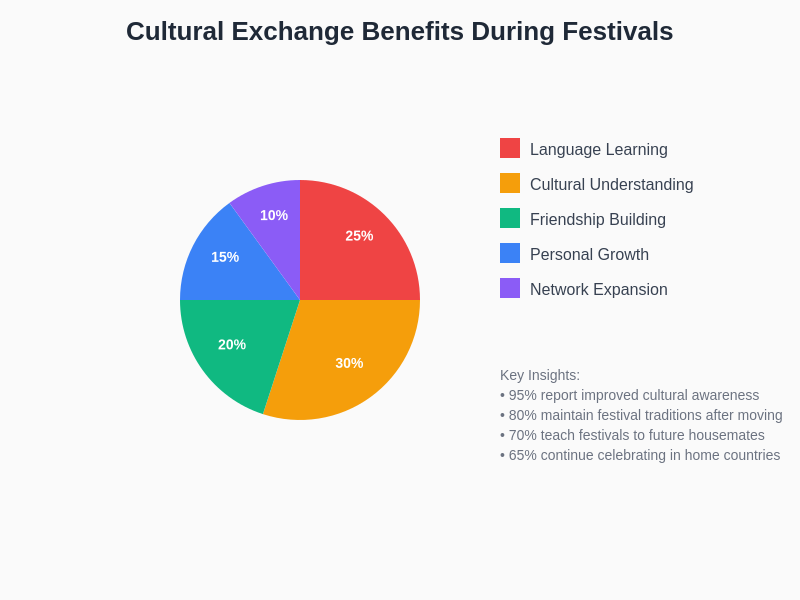
The confidence gained through successful participation in cultural celebrations and the cross-cultural communication skills developed during collaborative festival planning often translate into improved professional and personal relationships outside the sharehouse environment. How cultural competency develops faster in sharehouses examines how these immersive experiences accelerate cultural adaptation and understanding.
The network of relationships built through shared festival experiences often becomes a valuable resource for career opportunities, cultural understanding, and personal support that extends well beyond the sharehouse living period, creating lasting international connections that enrich residents’ personal and professional lives for years to come.
Festival celebrations within sharehouses represent microcosms of successful international cultural exchange, demonstrating how shared experiences, mutual respect, and collaborative celebration can bridge cultural differences while creating meaningful connections that transcend national boundaries and linguistic barriers. These experiences showcase the transformative power of cultural immersion within supportive community environments where learning, celebration, and friendship naturally flourish together.
Disclaimer
This article is for informational purposes only and does not constitute professional advice about cultural practices or sharehouse living arrangements. Festival customs and house policies may vary significantly between different sharehouses and regions. Individual experiences with cultural celebrations may differ based on personal preferences, cultural background, and specific house dynamics. Readers should respect cultural traditions and house rules while participating in any celebration activities.