Living in a Japanese sharehouse as an international resident creates a fascinating yet challenging environment where cultural misunderstandings unfold with surprising frequency throughout ordinary daily interactions. These misunderstandings, while often minor in appearance, can accumulate into significant sources of tension, frustration, and social isolation if left unaddressed. Understanding the mechanics of how these cultural disconnects occur provides essential insights for anyone seeking to thrive in Japan’s unique shared living environments.
The complexity of cross-cultural communication in sharehouses extends far beyond language barriers, encompassing deeply ingrained behavioral patterns, unspoken social expectations, and fundamentally different approaches to privacy, responsibility, and community interaction. Living with Japanese roommates in Tokyo sharehouses requires constant navigation of these cultural nuances that most residents initially underestimate in both frequency and impact on daily life satisfaction.
The Invisible Nature of Cultural Expectations
Cultural misunderstandings in sharehouse environments often begin with the invisible nature of deeply held cultural expectations that residents assume are universal rather than culturally specific. Japanese concepts of cleanliness, respect, and social harmony operate according to unwritten rules that may directly contradict the behavioral norms that international residents learned in their home cultures, creating inevitable collision points in shared spaces.
The concept of “reading the air” or kuuki wo yomu represents one of the most challenging aspects of Japanese social interaction for international residents. This expectation that individuals should intuitively understand social situations and respond appropriately without explicit communication creates constant opportunities for misunderstanding when international residents fail to pick up on subtle social cues that Japanese residents consider obvious and essential.
Japanese sharehouse rules every foreigner should know addresses some explicit guidelines, but the vast majority of cultural expectations remain unwritten and are assumed to be universally understood. This assumption gap creates daily friction points where well-intentioned actions by international residents are interpreted as disrespectful or inconsiderate by Japanese housemates who cannot comprehend how someone could be unaware of such basic social principles.
Kitchen Politics and Food Culture Clashes
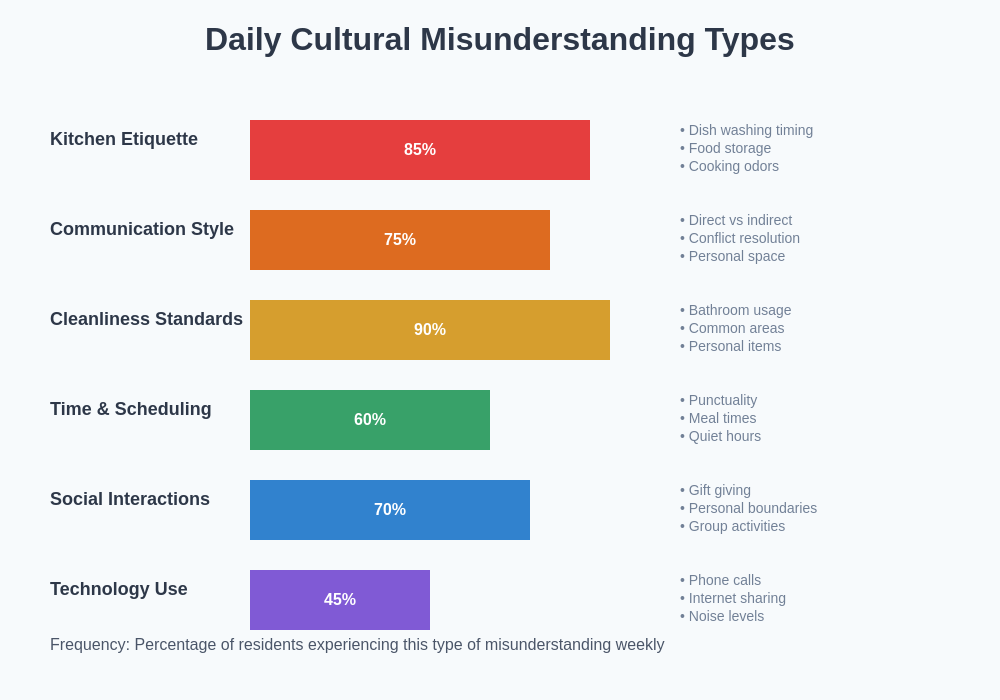
The shared kitchen environment serves as perhaps the most frequent battleground for cultural misunderstandings, where different approaches to food preparation, storage, cleaning, and sharing create daily opportunities for conflict and confusion. How kitchen politics actually work in Japanese sharehouses reveals the complex web of unspoken rules that govern these essential shared spaces.
Japanese kitchen etiquette emphasizes immediate cleaning, minimal odor production, and careful consideration for subsequent users, while many international cultures prioritize efficiency, personal convenience, and different standards of cleanliness that may appear careless or disrespectful to Japanese residents. The simple act of leaving dishes to air dry rather than towel drying them immediately can signal laziness or inconsideration in Japanese cultural context, even when international residents view this as normal and hygienic practice.
Food storage conflicts arise frequently when international residents apply their home country’s approaches to refrigerator space allocation, expiration date management, and ingredient sharing without understanding the precise territorial and temporal boundaries that Japanese residents expect in shared food storage areas. How dietary restrictions complicate meal planning becomes even more complex when cultural approaches to food safety, freshness, and storage vary dramatically between housemates.
Cooking odor sensitivity represents another frequent source of misunderstanding, as Japanese culture places high value on maintaining neutral, unoffensive environments, while many international cuisines involve strong spices, oils, and cooking methods that create lingering aromas. How cooking odors create cultural conflicts explores how these seemingly minor issues can escalate into major relationship problems when cultural contexts aren’t understood by all parties involved.
Communication Style Differences and Social Harmony
The fundamental differences between direct and indirect communication styles create constant misunderstandings in sharehouses where residents from various cultural backgrounds must navigate daily interactions and conflict resolution. Japanese communication culture emphasizes harmony preservation, subtle suggestion, and face-saving approaches that can appear evasive or unclear to residents from more direct communication cultures who value explicit, straightforward expression of concerns and preferences.
How conflict resolution styles differ by culture becomes critically important when small daily irritations accumulate into larger relationship problems that require discussion and resolution. International residents who address concerns directly and immediately may inadvertently create more conflict by violating Japanese preferences for indirect communication, timing consideration, and group harmony preservation.
The concept of personal space and privacy varies dramatically between cultures, creating misunderstandings about appropriate interaction levels, personal boundary respect, and social obligation fulfillment. Some cultures encourage frequent social interaction and view isolation as unfriendly, while others prioritize individual space and consider excessive interaction as intrusive or demanding, leading to mutual misinterpretation of social signals and intentions.
Cleanliness Standards and Responsibility Distribution
Perhaps no area generates more frequent cultural misunderstandings than the dramatically different standards and approaches to cleanliness, maintenance, and shared responsibility that various cultures consider normal and appropriate. How cleaning responsibilities create house drama often stems from fundamental differences in what constitutes acceptable cleanliness levels and who bears responsibility for maintaining shared spaces.
Japanese cleaning culture emphasizes prevention, immediate attention to messes, and proactive maintenance that prevents problems from developing, while many international approaches focus on periodic intensive cleaning sessions that address accumulated issues. These different temporal approaches to cleanliness create ongoing tension when Japanese residents interpret delayed cleaning as laziness or disrespect, while international residents may view immediate cleaning demands as excessive or compulsive.
Bathroom etiquette represents a particularly complex area where cultural differences in hygiene practices, space usage, and cleaning responsibilities create frequent misunderstandings and discomfort. How bathroom cleanliness affects health becomes complicated when residents have different cultural approaches to personal hygiene, shared space usage, and cleaning frequency expectations that may conflict dramatically with housemate preferences.
The concept of collective versus individual responsibility for shared spaces varies significantly between cultures, with some emphasizing individual accountability for personal impact while others prioritize collective effort regardless of individual usage patterns. These philosophical differences about fairness, responsibility, and community obligation create ongoing friction in sharehouse environments where residents must negotiate shared maintenance duties.
Time Concepts and Schedule Coordination
Cultural differences in time perception, schedule flexibility, and punctuality expectations create daily misunderstandings in sharehouses where residents must coordinate shared resource usage, social activities, and household responsibilities. Japanese culture’s emphasis on precise timing, advance planning, and schedule adherence often conflicts with more flexible cultural approaches to time management that prioritize adaptability and spontaneous decision-making.
How meal timing affects kitchen access becomes complicated when residents operate according to different cultural rhythms for eating, cooking, and food preparation that may not align with housemate expectations or shared space availability. The simple act of preparing dinner at a time that seems normal in one culture may interfere with another culture’s established meal schedule, creating unnecessary conflict over kitchen access and usage priority.
Sleep schedule differences rooted in cultural work patterns, social expectations, and lifestyle norms create ongoing tension when residents must balance personal preferences with community consideration for noise levels, light usage, and shared space access during different hours. How sleep quality suffers in shared environments often results from cultural misunderstandings about appropriate quiet hours, activity timing, and consideration for others’ rest needs.
Personal Space and Privacy Boundaries
The fundamental cultural differences in personal space requirements, privacy expectations, and social interaction boundaries create constant opportunities for misunderstanding in sharehouses where residents must balance individual needs with community living realities. Japanese culture’s emphasis on personal space respect and minimal intrusion often conflicts with more social cultures that view frequent interaction and personal interest as friendship building rather than boundary violation.
How personal space boundaries are constantly tested becomes particularly challenging when residents interpret the same behaviors differently based on their cultural background and social expectations. Actions intended as friendly interest may be perceived as invasive curiosity, while respectful distance may be interpreted as unfriendliness or social rejection.
Storage and belonging boundaries represent another frequent source of misunderstanding when cultural approaches to sharing, borrowing, and personal property respect vary dramatically between housemates. Some cultures encourage resource sharing and view borrowing as community building, while others prioritize individual ownership and consider unauthorized use as theft, creating conflict over seemingly minor issues like condiment usage or equipment borrowing.
Gift-Giving and Social Reciprocity
Cultural differences in gift-giving expectations, reciprocity obligations, and social exchange patterns create complex misunderstandings in sharehouses where residents navigate different approaches to generosity, obligation, and relationship building. How gift shopping for housemates becomes stressful often stems from fundamental cultural differences about appropriate gift timing, value, and reciprocal expectations.
Japanese omiyage culture, which emphasizes bringing gifts when returning from travel, may create unexpected social pressure for international residents who don’t understand the cultural significance and reciprocal expectations associated with these gift exchanges. Similarly, international residents’ casual approach to gift-giving may inadvertently create obligation feelings or social discomfort for Japanese housemates who interpret gifts differently within their cultural framework.
The timing and appropriateness of social reciprocity varies dramatically between cultures, with some emphasizing immediate reciprocation while others prefer delayed or indirect reciprocal gestures that may not be recognized or appreciated by housemates from different cultural backgrounds. These differences in social exchange patterns can create feelings of unfairness, unappreciation, or social debt that complicate housemate relationships.
Religious and Dietary Observances
Religious practices and dietary restrictions create complex cultural misunderstandings when residents must accommodate different spiritual observances, food requirements, and lifestyle restrictions within shared living environments. How dietary restrictions impact shared kitchen use becomes particularly challenging when religious requirements conflict with practical shared space usage or cultural approaches to food preparation and storage.
The intersection of religious observance with daily schedules, noise considerations, and space usage creates misunderstandings when residents are unfamiliar with different spiritual practices and their practical implications for shared living. Prayer times, dietary restrictions, and religious holidays may affect shared space usage in ways that require cultural understanding and accommodation from all housemates.
How religious considerations affect daily routines often involves navigating complex requirements that may seem arbitrary or inconvenient to residents unfamiliar with specific religious practices, creating opportunities for misunderstanding and unintentional disrespect when cultural education is lacking.
Technology and Digital Etiquette
Modern sharehouse living involves complex negotiations around technology usage, digital etiquette, and online behavior that reflect different cultural approaches to privacy, noise, and shared resource management. How internet data limits affect your monthly usage becomes complicated when residents have different cultural expectations about fair usage, bandwidth sharing, and technology-related expenses.
Cultural differences in phone usage, video calling etiquette, and social media behavior create misunderstandings about appropriate noise levels, privacy consideration, and shared space usage when residents conduct digital activities. Some cultures view phone conversations as private activities requiring isolation, while others consider them normal social interactions that can occur in shared spaces without special consideration.
Alcohol and Social Drinking Culture
Cultural approaches to alcohol consumption, social drinking, and substance-related behavior create significant misunderstandings in sharehouses where residents navigate different legal, social, and personal boundaries around alcohol usage. How alcohol storage rules affect social life becomes complex when cultural drinking norms conflict with legal requirements, personal preferences, and shared space considerations.
The social expectations around drinking participation, alcohol sharing, and party involvement vary dramatically between cultures, creating pressure and misunderstanding when residents interpret alcohol-related invitations and expectations differently based on their cultural background and personal beliefs about appropriate social behavior.
Gender Dynamics and Social Interaction
Cultural differences in gender interaction norms, social behavior expectations, and appropriate relationship boundaries create complex misunderstandings in mixed-gender sharehouses where residents must navigate different cultural approaches to cross-gender friendship, privacy, and social interaction. How gender policies are legally enforced provides legal framework, but cultural expectations often extend far beyond legal requirements.
Different cultural approaches to clothing, privacy, and personal behavior in shared spaces create misunderstandings when residents have varying comfort levels and expectations about appropriate dress, bathroom usage, and common area behavior. These differences can create discomfort and social tension when cultural norms conflict with personal preferences and shared living realities.
Building Cultural Bridge and Understanding
Successful navigation of cultural misunderstandings requires proactive education, patient communication, and genuine commitment to cultural learning from all sharehouse residents. How cultural sensitivity develops through daily interaction emphasizes the importance of viewing misunderstandings as learning opportunities rather than relationship threats that require defensive responses.
Creating explicit communication channels for discussing cultural differences, asking questions about unfamiliar practices, and addressing misunderstandings before they escalate into serious conflicts helps build stronger, more understanding household communities. How to handle roommate conflicts without moving out often involves addressing underlying cultural assumptions rather than focusing solely on surface-level behavioral changes.
The development of cultural empathy and understanding requires time, patience, and willingness to question personal assumptions about normal behavior while remaining open to different approaches to daily living. Making friends through Tokyo sharehouse communities often depends on successfully navigating these cultural misunderstandings and building bridges of understanding that enhance rather than hinder cross-cultural relationships.
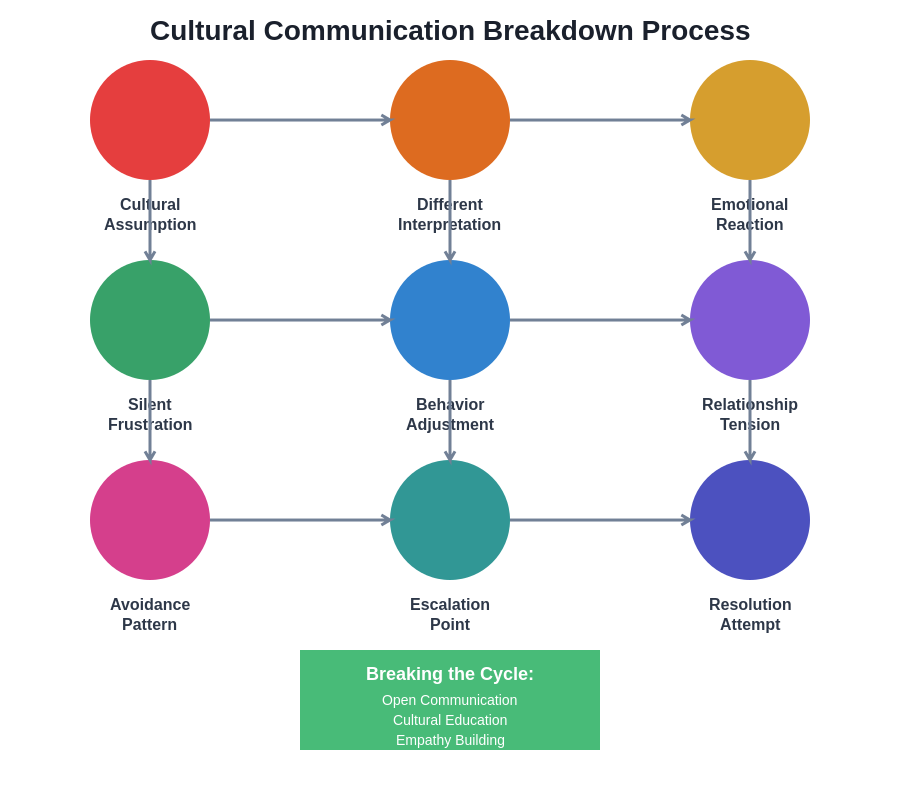
This systematic breakdown shows how innocent cultural assumptions can escalate into serious relationship problems when left unaddressed. Understanding this progression helps residents intervene early and prevent minor misunderstandings from developing into major conflicts.
Understanding that cultural misunderstandings happen daily in sharehouse environments helps normalize these experiences while emphasizing the importance of addressing them constructively rather than allowing them to fester into larger relationship problems. The goal is not to eliminate cultural differences but to develop systems for navigating them respectfully and effectively while building stronger, more inclusive household communities that benefit from cultural diversity rather than suffering from cultural conflict.
Disclaimer
This article is for informational purposes only and does not constitute professional cultural or social advice. Cultural experiences and practices vary significantly between individuals, and generalizations should not be applied to all people from specific cultural backgrounds. Readers should approach cross-cultural living with openness, respect, and willingness to learn from individual experiences rather than relying solely on cultural generalizations.