Living in a Tokyo sharehouse exposes international residents to one of the most fascinating yet frustrating aspects of cross-cultural communication: the moment when a perfectly crafted joke, a clever reference, or a deeply meaningful cultural expression falls completely flat because it simply doesn’t translate across cultural boundaries. These moments of linguistic and cultural disconnect reveal the invisible barriers that exist even among well-intentioned housemates who share living spaces and daily experiences in Japan’s multicultural urban environment.
The phenomenon of lost cultural references in sharehouses extends far beyond simple language translation difficulties, encompassing the complex web of shared cultural knowledge, historical context, social norms, and generational experiences that shape how different nationalities interpret humor, express emotions, and understand social situations. These communication challenges become particularly pronounced in Tokyo’s international sharehouse communities, where residents from dozens of countries attempt to build meaningful relationships despite vastly different cultural backgrounds and reference points.
The Anatomy of Cultural Reference Breakdown
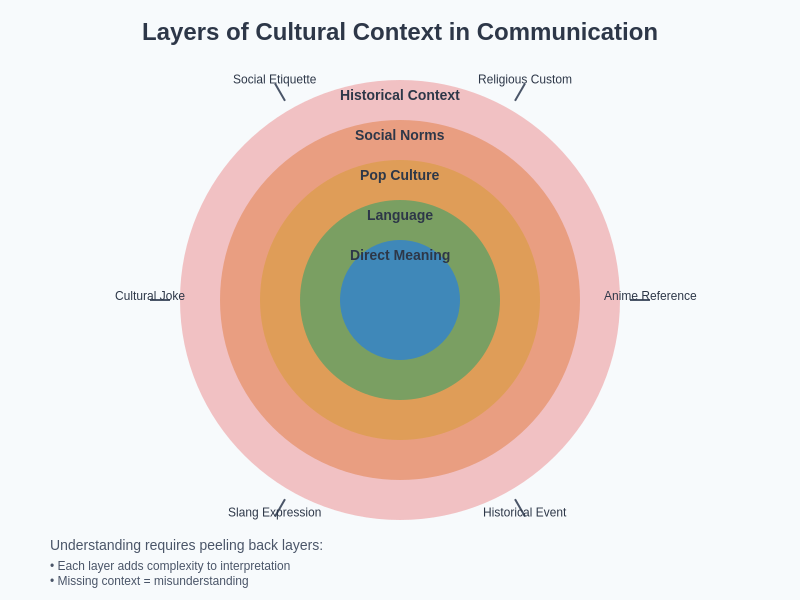
Cultural references operate as shortcuts in communication, allowing people from similar backgrounds to convey complex ideas, emotions, or humor through brief mentions of shared experiences, popular culture, historical events, or social phenomena that require no explanation within their original cultural context. However, when these references cross cultural boundaries in sharehouse conversations, they often become sources of confusion rather than connection, creating invisible walls between residents who are otherwise eager to communicate and bond with their international housemates.
The breakdown typically occurs at multiple levels simultaneously, beginning with the literal translation of words and phrases that may have direct linguistic equivalents but carry completely different connotational meanings or cultural weight in different societies. Understanding cultural differences in sharehouse communication becomes essential for navigating these complex social dynamics that affect daily interactions and relationship building among international residents.
Beyond linguistic translation, cultural references rely heavily on shared knowledge systems that include everything from childhood television shows and educational experiences to political events and social movements that shape national consciousness in ways that are rarely explicitly discussed but are assumed to be universally understood within specific cultural groups. When these assumption systems collide in sharehouse environments, the resulting confusion can range from mild bewilderment to genuine offense or alienation.
Pop Culture and Entertainment References
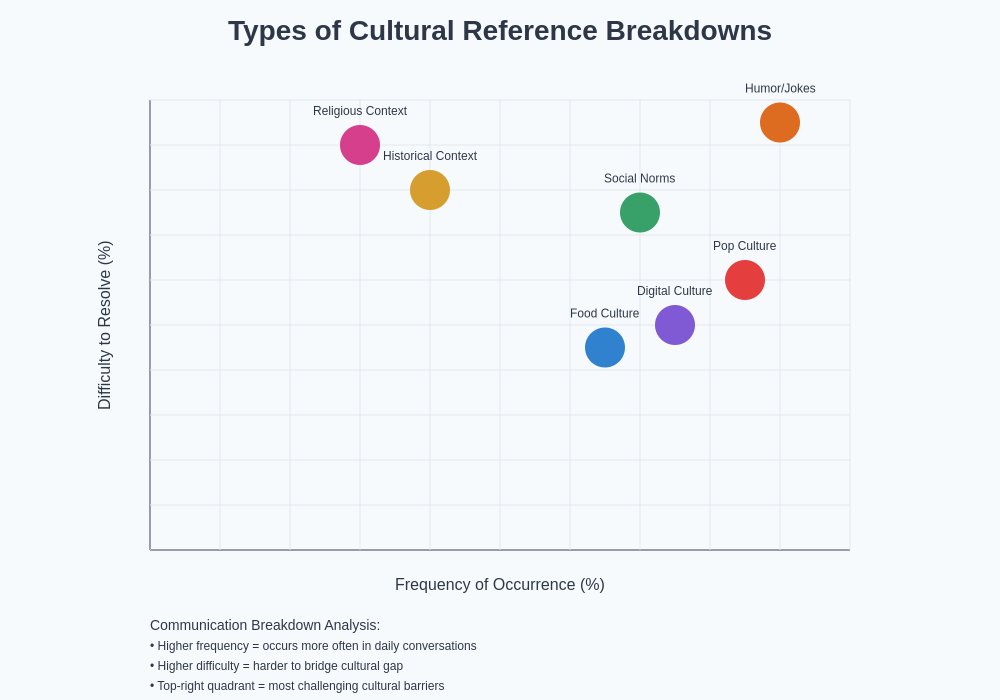
Perhaps nowhere are cultural reference failures more immediately apparent than in discussions of entertainment, where residents discover that their favorite childhood cartoons, beloved comedy shows, iconic music artists, and cultural phenomena that shaped their formative years are completely unknown to housemates from different countries. These moments of disconnect often occur during casual conversations when someone makes what they consider an obvious reference to a universally known character or quote, only to be met with blank stares and requests for explanation that fundamentally alter the intended effect of the reference.
The generational aspect of pop culture references adds another layer of complexity, as residents from the same country but different age groups may find themselves equally mystified by each other’s cultural touchstones, while international residents struggle to understand why certain references carry emotional weight or humorous significance for their housemates. Making friends through sharehouse communities often requires learning to navigate these entertainment-based communication gaps that can initially seem insurmountable.
Television shows, movies, and online content that serve as common cultural languages within specific societies often become sources of exclusion in international settings, where inside jokes and casual references create in-groups and out-groups based on cultural knowledge rather than personal compatibility or shared interests. The challenge becomes particularly acute when pop culture references are used to express complex emotions or social commentary that requires deep cultural context to understand the intended meaning and appropriate response.
Streaming services and global media distribution have created some shared reference points among younger international residents, but these common touchstones are often outnumbered by culture-specific content that remains deeply rooted in national broadcasting systems, local comedy traditions, and regional entertainment preferences that don’t translate across borders effectively.
Historical and Educational Context Gaps
Educational systems across different countries emphasize vastly different historical events, cultural figures, and social movements, creating knowledge gaps that can make seemingly simple references incomprehensible to residents from different educational backgrounds. What one culture considers essential historical knowledge may be completely absent from another culture’s curriculum, leading to misunderstandings that go far deeper than language barriers and touch on fundamental differences in how societies understand their place in global history.
References to historical events, political movements, and cultural milestones that are considered common knowledge in one country often require extensive explanation in international sharehouse settings, transforming casual conversations into impromptu history lessons that can derail social interactions and create awkward educational dynamics between housemates. Living with Japanese roommates in sharehouses often involves learning about Japanese historical perspectives that may differ significantly from international residents’ understanding of the same events.
The challenge extends beyond major historical events to include cultural myths, folklore, literary references, and educational experiences that shape how people interpret metaphors, understand social hierarchies, and relate to authority figures in ways that are largely unconscious but profoundly influential in communication patterns and social expectations.
Humor Translation Challenges
Humor represents one of the most culturally specific forms of communication, relying heavily on shared understanding of social norms, language play, timing conventions, and cultural taboos that vary dramatically across societies and can create significant barriers to social bonding in sharehouse environments. What strikes residents from one culture as hilariously funny may be completely incomprehensible, mildly offensive, or deeply inappropriate to housemates from different cultural backgrounds.
Comedy styles, acceptable topics for humor, and social situations where joking is appropriate differ substantially between cultures, creating minefields for international residents who are eager to share their sense of humor but discover that their comedic instincts don’t translate effectively in cross-cultural settings. Understanding different communication styles in sharehouses becomes crucial for avoiding inadvertent offense and building genuine connections across cultural boundaries.
Wordplay, puns, and linguistic humor present particular challenges in multicultural environments, where the clever language manipulation that creates comedy in one language often becomes incomprehensible nonsense when translated literally, robbing jokes of their intended effect and leaving joke-tellers feeling misunderstood and audience members feeling excluded from the humor experience.
Sarcasm, irony, and subtle forms of humor that rely on tone, context, and shared understanding of social expectations often fail completely in cross-cultural settings, where directness may be valued over subtlety or where different cultures have varying comfort levels with self-deprecation, authority mockery, or social commentary through humor.
Social Norms and Behavioral Expectations
Cultural references often serve as shorthand for complex social behaviors and expectations that are deeply ingrained within specific societies but may be completely foreign to international residents attempting to navigate unfamiliar social territories in their new sharehouse environments. These unspoken rules and behavioral codes are typically transmitted through cultural references that assume shared understanding of appropriate conduct in various social situations.
References to proper etiquette, social hierarchies, and behavioral expectations that seem obvious to residents from similar cultural backgrounds can become sources of confusion and potential conflict when they clash with different cultural norms and values held by international housemates. Learning Japanese social customs in sharehouses requires understanding not just explicit rules but also the cultural context that makes these rules meaningful and important to Japanese society.
The concept of saving face, showing respect, and maintaining harmony takes different forms across cultures, leading to situations where well-intentioned residents inadvertently violate cultural expectations because they lack the reference points necessary to understand why certain behaviors are considered problematic or disrespectful in their new cultural environment.
Gift-giving customs, celebration traditions, and social ritual expectations often involve cultural references that carry deep meaning for some residents while remaining completely opaque to others, creating opportunities for misunderstanding and inadvertent cultural insensitivity despite genuine efforts to be respectful and inclusive.
Technology and Digital Culture Divides
The digital landscape has created new categories of cultural references that divide sharehouse residents along lines of technological access, platform preferences, and online community participation that may not correspond to traditional national boundaries but nonetheless create communication barriers and social exclusions based on different digital experiences and online cultural knowledge.
Social media platforms, online memes, and digital communication styles that are prevalent in some countries may be completely unknown in others, creating generational and cultural gaps that affect how residents share experiences, express humor, and build social connections in their shared living environments. Understanding different social media habits becomes important for navigating these digital cultural divides that increasingly influence offline relationships.
Gaming references, internet culture jokes, and platform-specific communication styles often exclude residents who haven’t participated in particular online communities or who come from countries where different digital platforms dominate social interaction and cultural expression, creating subtle but persistent barriers to full social integration within international sharehouse communities.
Food Culture and Culinary References
Food serves as one of the most immediate and tangible forms of cultural expression in sharehouse environments, yet culinary references often become sources of confusion and miscommunication when residents attempt to describe flavors, cooking techniques, or food experiences using cultural touchstones that don’t exist in other culinary traditions. The challenge extends beyond simple ingredient availability to encompass the cultural significance, preparation methods, and social contexts that surround food consumption in different societies.
References to comfort foods, holiday dishes, and childhood meal experiences carry emotional weight and cultural meaning that can be difficult to convey to housemates who haven’t shared similar culinary backgrounds and cultural food associations. Sharing cooking responsibilities in international sharehouses often involves learning to communicate about food preferences and cultural dietary requirements that may be unfamiliar to other residents.
Spice tolerances, flavor preferences, and eating customs that seem natural and obvious to residents from specific cultural backgrounds often require extensive explanation and cultural context when shared with international housemates who come from completely different culinary traditions and food culture systems.
The social aspects of food consumption, including appropriate meal timing, sharing customs, and food-related etiquette, involve cultural references and assumptions that can create awkward situations when different food cultures intersect in shared kitchen and dining environments where residents are trying to be respectful but lack the cultural knowledge necessary to navigate unfamiliar food-related social expectations.
Religious and Spiritual Context Barriers
Spiritual and religious references that appear in casual conversation often carry profound cultural significance that extends far beyond specific theological beliefs to encompass worldviews, moral frameworks, and social structures that shape how individuals understand personal responsibility, community obligations, and life priorities in ways that may be invisible to residents from different spiritual traditions or secular backgrounds.
Holiday celebrations, religious observances, and spiritual practices that are deeply meaningful to some residents may be completely foreign to others, creating opportunities for miscommunication and cultural insensitivity when references to these important aspects of cultural identity are made without adequate context or explanation. Respecting different religious practices in sharehouses becomes essential for maintaining harmonious living environments that accommodate diverse spiritual needs and cultural expressions.
Moral and ethical references that are rooted in specific religious or philosophical traditions often don’t translate effectively across cultural boundaries, leading to confusion about behavioral expectations and value systems that can affect everything from personal conduct to conflict resolution approaches within international sharehouse communities.
Overcoming Cultural Reference Barriers
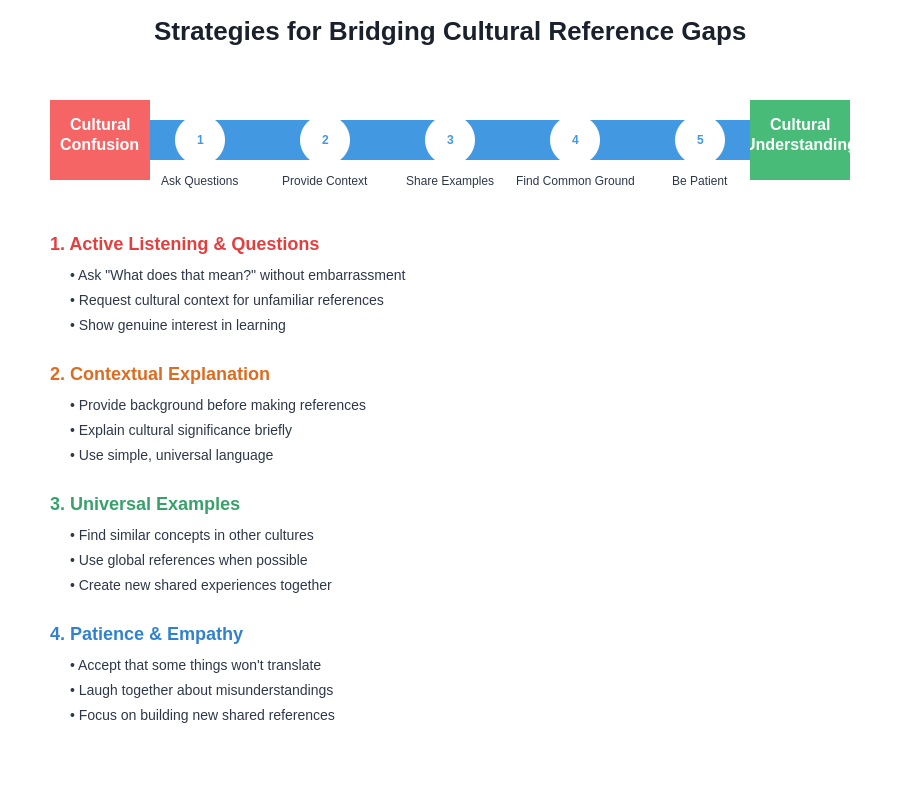
Successful navigation of cultural reference challenges in international sharehouse environments requires developing strategies for bridging communication gaps while maintaining authentic cultural expression and building genuine cross-cultural understanding among residents from diverse backgrounds. The goal becomes creating inclusive communication patterns that allow for cultural sharing without excluding those who lack specific cultural knowledge or reference points.
Active explanation and cultural education emerge as essential skills for international residents who want to maintain their cultural identity while ensuring their communication remains accessible to housemates from different backgrounds. Building cross-cultural friendships in sharehouses involves learning to provide context for cultural references while remaining open to learning about unfamiliar cultural concepts from other residents.
Developing cultural curiosity and asking clarifying questions when encountering unfamiliar references helps create learning opportunities that strengthen relationships rather than creating barriers, transforming moments of confusion into chances for cultural exchange and deeper understanding between international housemates who are navigating similar challenges in their cross-cultural living experiences.
Creating shared reference points through common experiences, activities, and interests helps build new cultural bridges that transcend traditional cultural boundaries while respecting the importance of maintaining individual cultural identity and expression within the diverse sharehouse community environment.
The experience of navigating cultural reference challenges in Tokyo sharehouses ultimately reveals the complex nature of human communication and the importance of cultural context in building meaningful relationships across international boundaries. While these challenges can initially seem overwhelming, they also represent opportunities for personal growth, cultural learning, and the development of more inclusive communication skills that serve international residents well beyond their sharehouse experiences. Understanding and addressing these cultural reference barriers helps create more welcoming and inclusive international communities where residents from all backgrounds can feel understood, respected, and valued for their unique cultural contributions to the shared living experience.
Disclaimer
This article is for informational purposes only and reflects common experiences in international sharehouse living. Cultural experiences and communication challenges vary significantly between individuals and specific living situations. The observations presented are based on general patterns and should not be considered universal truths about any particular culture or nationality. Readers should approach cross-cultural communication with openness, respect, and understanding of individual differences within cultural groups.