Living in a Tokyo sharehouse creates an unprecedented laboratory for cultural learning where daily interactions naturally cultivate deep cross-cultural understanding and emotional intelligence. The process of developing cultural sensitivity through shared living experiences represents one of the most profound and lasting benefits of international community living, transforming initial misunderstandings and cultural assumptions into genuine appreciation and sophisticated intercultural communication skills.
The transformation from cultural newcomer to culturally sensitive global citizen occurs gradually through countless micro-interactions, shared meals, conflict resolutions, and collaborative problem-solving experiences that collectively reshape perspective and build empathy. Understanding this developmental process helps residents maximize their growth potential while contributing positively to their multicultural community environment.
The Foundation of Cultural Learning in Shared Spaces
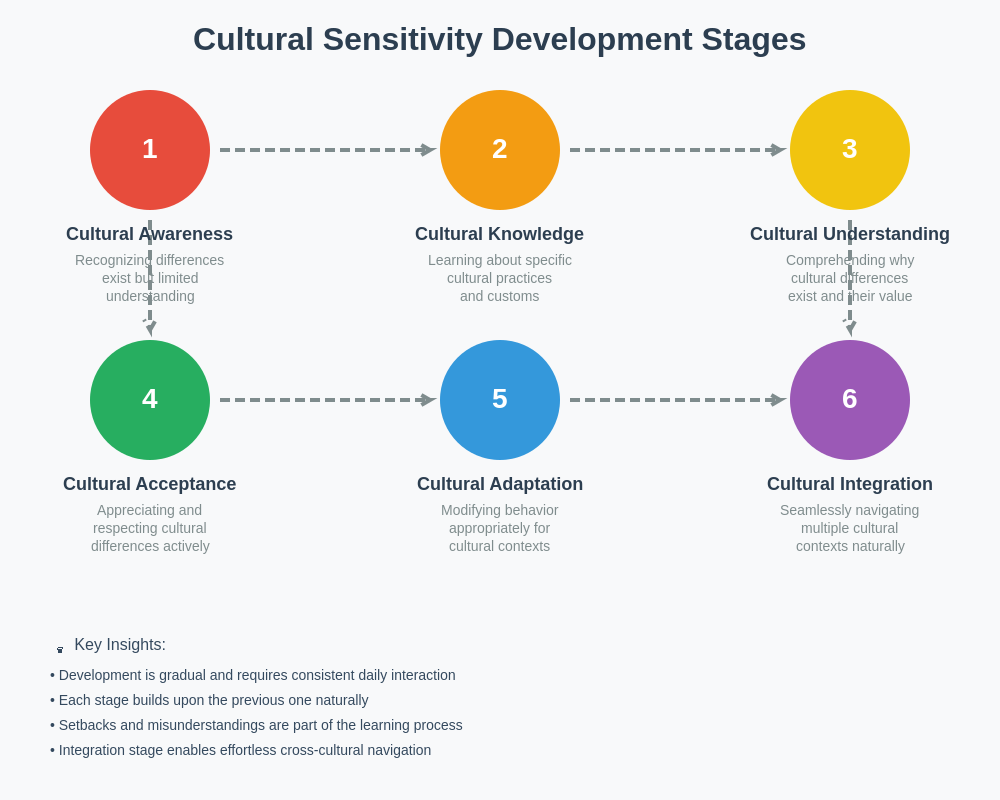
Cultural sensitivity development begins with the recognition that shared living spaces serve as intensive cross-cultural training environments where theoretical knowledge about different cultures transforms into lived understanding through daily experience. Living with Japanese roommates in Tokyo sharehouses provides foundational insights into navigating initial cultural differences and establishing respectful relationships across cultural boundaries.
The intimate nature of shared living accelerates cultural learning by exposing residents to authentic cultural behaviors, values, and communication styles that remain invisible in more formal or superficial intercultural encounters. Morning routines, cooking preferences, cleaning habits, social interactions, and personal space boundaries all become windows into deeper cultural understanding that extends far beyond surface-level cultural stereotypes or guidebook knowledge.
Daily proximity to different cultural approaches to common activities creates opportunities for observation, reflection, and gradual adaptation that naturally builds cultural competence and emotional intelligence. The process requires patience, openness, and willingness to question personal assumptions while developing appreciation for alternative approaches to daily living and social interaction.
Navigating Communication Styles and Language Barriers
The development of cross-cultural communication skills represents one of the most visible and practical aspects of cultural sensitivity growth in international sharehouses. How language barriers prevent deep friendships explores common challenges while highlighting the creative solutions and alternative communication methods that emerge when residents commit to building meaningful connections across linguistic differences.
Non-verbal communication, emotional intelligence, and cultural context interpretation skills develop rapidly when residents regularly interact with housemates who possess different linguistic capabilities and communication preferences. Understanding when directness is appropriate versus when indirect communication shows respect requires ongoing observation and adaptation that builds sophisticated intercultural competence.
The process of learning to communicate effectively across language barriers often reveals deeper cultural values regarding hierarchy, conflict avoidance, emotional expression, and social harmony that significantly impact daily interactions and relationship building. How cultural communication styles create misunderstandings provides specific examples of common miscommunications and strategies for developing more effective cross-cultural dialogue.
Patience with miscommunications, willingness to clarify intentions, and development of alternative expression methods creates stronger intercultural relationships while building personal communication skills that benefit all future cross-cultural interactions. The iterative process of misunderstanding, clarification, and improved understanding creates deep appreciation for communication complexity and cultural nuance.
Understanding Cultural Values Through Daily Practices
Daily living practices reveal core cultural values in ways that theoretical cultural education cannot match, creating authentic learning opportunities that develop genuine cultural appreciation rather than superficial cultural awareness. How traditional preferences impact modern sharehouse living explores how different cultural approaches to modern living create rich learning environments for cultural sensitivity development.
Food preparation, eating customs, cleanliness standards, social interaction patterns, and personal space preferences all reflect deeper cultural values regarding family relationships, individual versus collective priorities, authority structures, and social harmony maintenance. Observing and adapting to these differences while maintaining personal cultural identity creates balanced cultural competence.
The process of negotiating shared house rules that accommodate different cultural preferences requires diplomatic skills, compromise abilities, and creative problem-solving that builds practical intercultural collaboration experience. Japanese sharehouse rules every foreigner should know provides context for understanding how cultural values influence community guidelines and expectations.
Recognition that cultural practices often serve important psychological, social, or practical functions helps develop respect for differences rather than judgment or dismissal of unfamiliar approaches to daily living and community interaction.
Building Empathy Through Shared Challenges
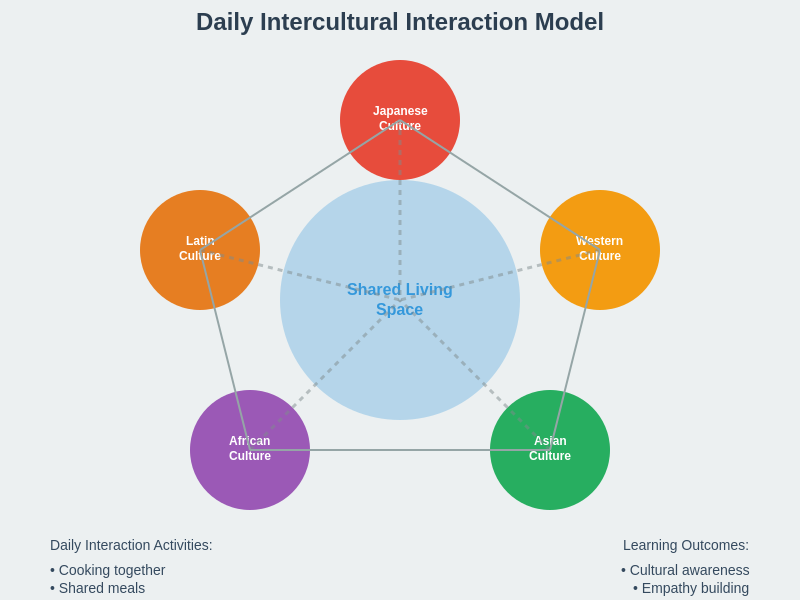
Shared challenges and collaborative problem-solving experiences create powerful opportunities for empathy development and cultural understanding that extend far beyond surface-level cultural awareness. How to handle roommate conflicts without moving out explores how working through difficulties together builds stronger intercultural relationships and deeper mutual understanding.
Financial pressures, homesickness, academic or professional stress, health concerns, and relationship challenges affect residents from all cultural backgrounds, creating common ground that transcends cultural differences while revealing how different cultures approach support, privacy, and problem-solving. The process of offering and receiving help across cultural boundaries builds emotional intelligence and cultural sensitivity.
Understanding how different cultures express stress, seek support, maintain privacy, and handle vulnerability creates appreciation for diverse coping mechanisms and social support systems. Making friends through Tokyo sharehouse communities highlights how shared experiences create lasting intercultural friendships based on mutual support and understanding.
The recognition that fundamental human needs and emotions transcend cultural differences while cultural expressions of these universals vary significantly creates a sophisticated understanding of human diversity that informs all future intercultural interactions and relationships.
Developing Conflict Resolution Skills Across Cultures
Cross-cultural conflict resolution represents one of the most challenging and rewarding aspects of cultural sensitivity development, requiring residents to understand different approaches to disagreement, face-saving, authority, and harmony maintenance. How conflict resolution styles differ by culture provides insights into navigating these complex dynamics while building stronger community relationships.
Learning to identify cultural factors that influence conflict perception, emotional expression, and resolution preferences prevents misattribution of cultural differences to personal characteristics while developing more effective intervention strategies. Direct confrontation, mediated discussion, indirect communication, and collective problem-solving each serve important functions in different cultural contexts.
The process of working through disagreements while maintaining respect for different cultural approaches to conflict creates practical diplomatic skills that benefit professional and personal relationships throughout life. Understanding when cultural adaptation is appropriate versus when cultural education is needed requires sophisticated judgment and emotional intelligence.
Successful cross-cultural conflict resolution often reveals underlying shared values and goals that transcend surface-level disagreements, creating stronger community bonds and deeper appreciation for cultural diversity as a source of creative problem-solving rather than divisive difference.
Celebrating Cultural Diversity and Shared Experiences
The evolution from cultural tolerance to active cultural celebration represents advanced cultural sensitivity development that enriches both individual experience and community atmosphere. How cultural festivals affect house activities explores how sharing cultural traditions creates learning opportunities and stronger interpersonal connections.
Participating in different cultural celebrations, food traditions, religious observances, and social customs creates direct cultural experience that builds appreciation and understanding while contributing to inclusive community atmosphere. The process of explaining personal cultural practices to curious housemates develops cultural articulation skills and deeper self-awareness.
Learning to adapt cultural celebrations for multicultural audiences while maintaining authentic cultural expression requires creativity and cultural sensitivity that benefits both cultural preservation and intercultural communication. How cultural differences impact holiday celebrations provides examples of successful cultural sharing strategies.
The recognition that cultural diversity enhances rather than threatens community cohesion creates positive attitudes toward difference that influence all future intercultural encounters and relationship building opportunities.
Recognizing Personal Cultural Bias and Assumptions
Cultural sensitivity development requires honest self-examination of personal cultural biases, assumptions, and limitations that often remain invisible until challenged by daily exposure to alternative approaches to living and social interaction. How cultural misunderstandings happen daily provides examples of common assumption-based misinterpretations and strategies for developing greater self-awareness.
The process of recognizing personal cultural programming while developing appreciation for alternative approaches creates intellectual humility and emotional intelligence that improves all interpersonal relationships. Understanding that personal cultural practices represent choices rather than universal truths creates openness to learning and adaptation.
Developing awareness of unconscious cultural judgments, communication patterns, and social expectations enables more intentional and respectful intercultural interaction while reducing inadvertent cultural insensitivity or misunderstanding. The ongoing process of cultural self-reflection becomes a lifelong practice that continues developing long after sharehouse experience ends.
Recognition that cultural sensitivity represents an ongoing development process rather than a destination creates realistic expectations and continued commitment to intercultural learning and relationship building throughout personal and professional life.
Practical Application of Cultural Learning
The practical application of cultural sensitivity skills extends far beyond sharehouse living to influence professional relationships, travel experiences, community involvement, and global citizenship throughout life. How cultural competency develops faster in sharehouses explores how intensive intercultural living accelerates skill development compared to other cultural learning opportunities.
Professional environments increasingly value employees who demonstrate cultural competence, emotional intelligence, and ability to work effectively across cultural boundaries, making sharehouse cultural learning a valuable career asset. Understanding how to navigate cultural differences while maintaining productivity and positive relationships becomes increasingly important in globalized work environments.
Travel experiences become more meaningful and authentic when approached with cultural sensitivity skills developed through intensive intercultural living. The ability to quickly adapt to new cultural environments while maintaining respectful curiosity creates richer travel experiences and more positive interactions with local communities.
Community involvement and volunteer activities benefit from cultural sensitivity that enables effective collaboration with diverse populations and appreciation for different approaches to social issues and community building.
Long-term Personal Growth and Global Perspective
The long-term impact of cultural sensitivity development through daily interaction extends throughout life, influencing worldview, relationship approaches, problem-solving strategies, and personal identity in profound and lasting ways. The experience of successful intercultural living creates confidence in navigating cultural diversity and appreciation for global interconnectedness.
Personal identity often becomes more flexible and inclusive through intensive cultural exposure, incorporating appreciation for different cultural strengths while maintaining core personal values and cultural connections. The process creates global citizens who contribute positively to intercultural understanding and cooperation in all their communities.
Understanding that cultural differences often reflect different solutions to universal human challenges creates sophisticated appreciation for human creativity and adaptability while reducing ethnocentric thinking and cultural superiority assumptions. How personal values get challenged and refined explores how cultural exposure influences personal development and value clarification.
The recognition that cultural learning represents a lifelong journey rather than a temporary experience creates ongoing commitment to intercultural understanding, relationship building, and global citizenship that benefits both personal development and broader social harmony.
Building Intercultural Communication Competence
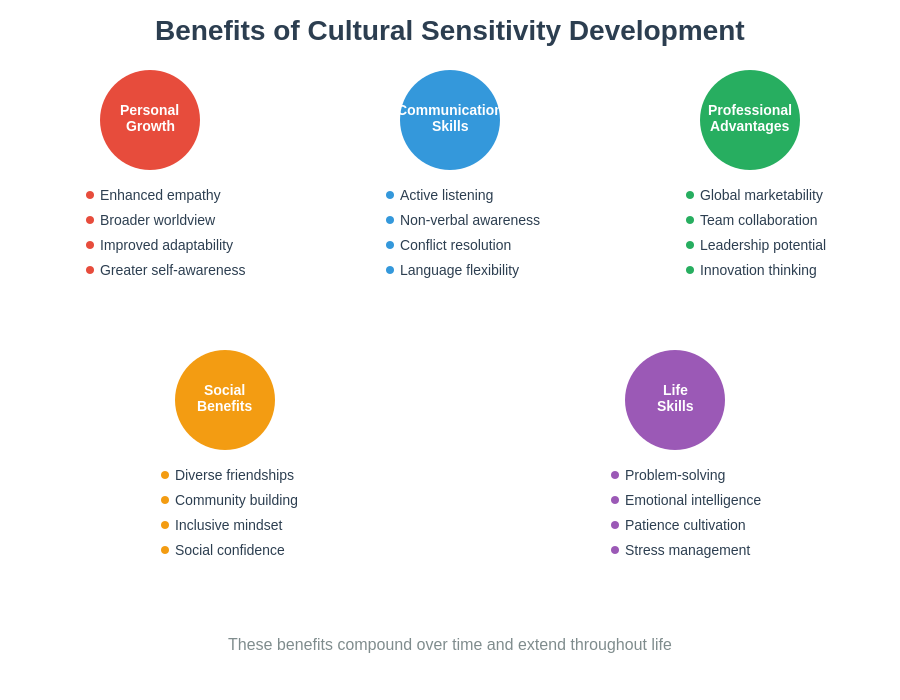
Advanced intercultural communication competence develops through repeated practice in high-stakes social situations where misunderstanding can affect daily comfort and relationship quality. How non-verbal communication becomes more important explores how intensive multicultural living develops sophisticated awareness of cultural communication nuances.
The ability to switch communication styles based on cultural context while maintaining authentic personal expression represents advanced cultural competence that serves professional and personal relationships throughout life. Understanding when adaptation is appropriate versus when education is needed requires sophisticated judgment and emotional intelligence.
Learning to facilitate intercultural communication between housemates from different cultural backgrounds develops mediation skills and cultural bridge-building abilities that benefit community harmony while building valuable leadership experience. The process of helping others navigate cultural differences while managing personal cultural adaptation creates comprehensive intercultural competence.
Recognition that effective intercultural communication requires ongoing attention, practice, and adaptation creates realistic expectations and continued commitment to skill development beyond the sharehouse experience.
Creating Inclusive Communities Through Cultural Awareness
The development of inclusive community building skills represents one of the most valuable outcomes of cultural sensitivity development through daily interaction. Understanding how to create spaces where people from different cultural backgrounds feel welcome, respected, and valued requires sophisticated cultural awareness and emotional intelligence.
Learning to recognize and address cultural exclusion, unconscious bias, and cultural dominance patterns creates more equitable and harmonious living environments while developing social justice awareness and advocacy skills. The process of ensuring that all community members can participate authentically in shared activities and decision-making requires ongoing attention and cultural competence.
Developing strategies for celebrating cultural diversity while maintaining community cohesion creates valuable skills for future community involvement, workplace leadership, and social contribution. The ability to facilitate intercultural collaboration and communication benefits all future group involvement and leadership opportunities.
The recognition that cultural sensitivity serves community building rather than individual accommodation creates positive attitudes toward diversity and inclusion that influence all future social and professional environments.
Cultural sensitivity development through daily sharehouse interaction represents one of the most transformative aspects of international living experience, creating lasting personal growth, professional advantages, and global citizenship that benefits both individual development and broader social harmony. The intensive intercultural learning environment accelerates skill development while building lifelong appreciation for human diversity and global interconnectedness.
Disclaimer
This article is for informational purposes only and reflects general observations about cultural sensitivity development in international living environments. Individual experiences may vary based on personal background, cultural openness, and specific community dynamics. Readers should approach intercultural learning with respect, patience, and willingness to acknowledge personal limitations while maintaining commitment to ongoing cultural education and sensitivity development.