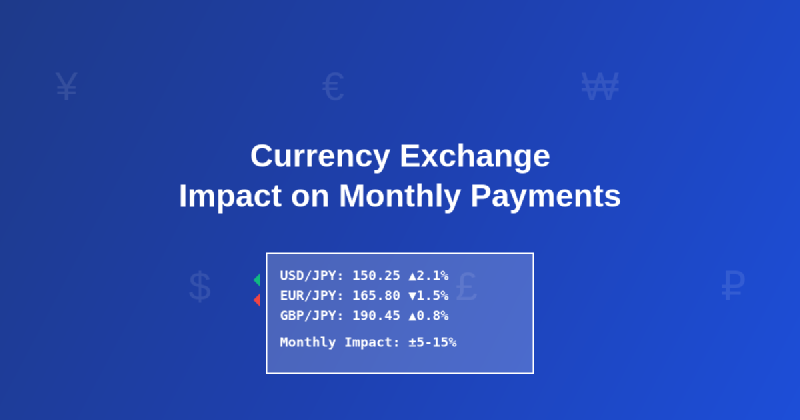
Currency exchange rates represent one of the most unpredictable and potentially costly factors affecting international residents living in Japanese sharehouses, yet this critical financial consideration often receives insufficient attention during the initial planning and budgeting phases. The volatility of exchange rates can transform what appears to be an affordable monthly rent into a significant financial burden, while favorable rate movements can provide unexpected savings that enhance your overall living experience in Japan.
Understanding how currency fluctuations affect your monthly financial obligations extends beyond simple rent calculations to encompass utility payments, transportation costs, food expenses, and emergency reserves that collectively determine your standard of living. The complex interplay between your home country’s economic conditions, Japanese monetary policy, and global financial markets creates an environment where even modest exchange rate movements can have substantial impacts on your monthly budget and long-term financial stability.
The Mechanics of Exchange Rate Impact on Rent Payments
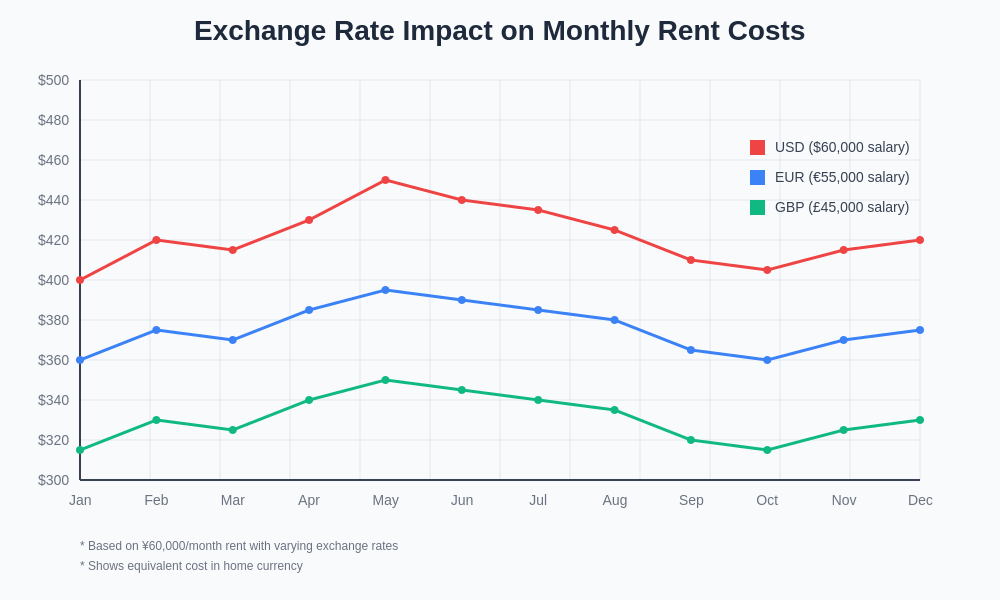
Monthly rent payments in Japanese sharehouses typically require conversion from your home currency to Japanese yen, creating direct exposure to exchange rate fluctuations that can significantly alter your effective housing costs from month to month. How much Tokyo sharehouses really cost per month becomes a moving target when exchange rates introduce variability that can range from five to twenty percent or more during periods of high volatility.
The timing of currency conversion plays a crucial role in determining your actual payment amounts, with differences between spot rates, forward rates, and the rates offered by banks or money transfer services creating additional complexity in cost calculations. International residents often discover that the advertised rent amount represents only a baseline figure that fluctuates based on when and how they execute their currency exchanges each month.
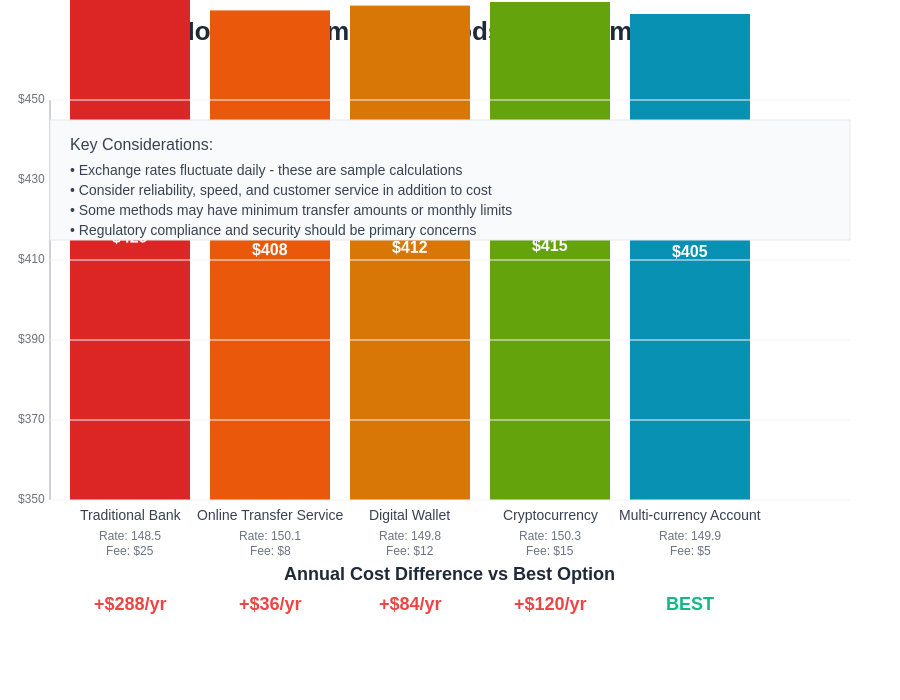
Traditional banking systems typically offer less favorable exchange rates compared to specialized money transfer services, but the convenience and reliability of established banking relationships often justify the additional costs for residents prioritizing stability over marginal savings. The spread between buying and selling rates, combined with transaction fees, can add two to four percent to your effective exchange costs, representing hundreds of dollars annually for typical rent payments.
Budgeting Strategies for Exchange Rate Volatility
Creating effective budgets that account for exchange rate uncertainty requires sophisticated planning approaches that balance cost predictability with financial flexibility, enabling residents to maintain stable living standards regardless of currency market conditions. Living costs in Tokyo sharehouses explained must incorporate exchange rate scenarios that range from best-case to worst-case outcomes for comprehensive financial planning.
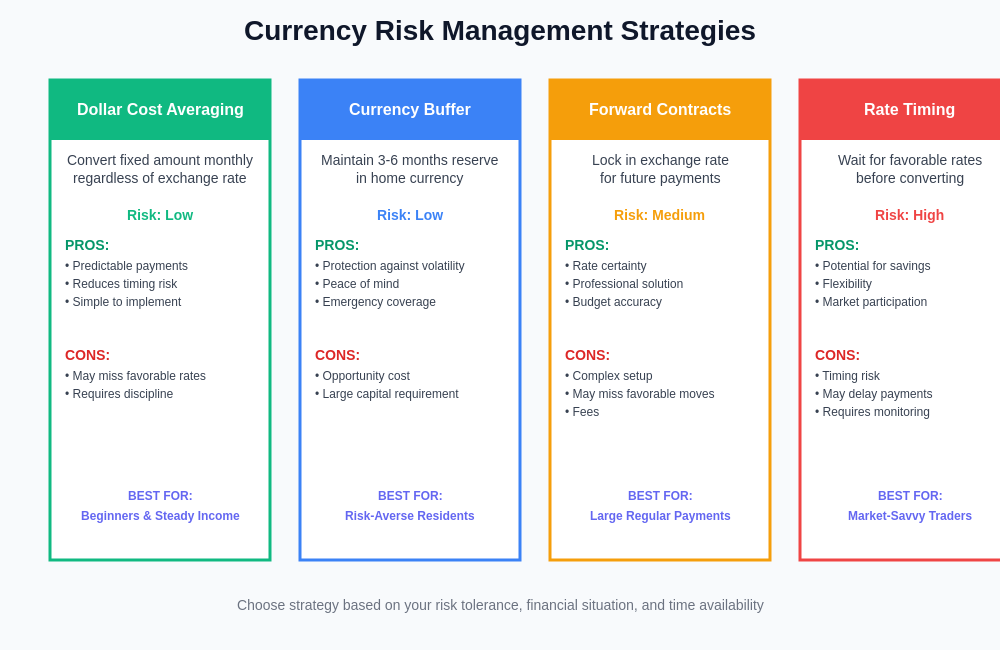
The establishment of currency hedging buffers helps absorb exchange rate shocks by maintaining additional reserves equivalent to three to six months of rent payments, providing financial stability during periods when unfavorable exchange rates would otherwise create budget shortfalls. These reserves can be held in either your home currency or Japanese yen, depending on your risk tolerance and expectations about future currency movements.
Forward currency contracts and currency hedging instruments offer more sophisticated protection against exchange rate volatility, though these financial products require careful evaluation of costs versus benefits and may not be practical for smaller monthly payment amounts typical of sharehouse living. Understanding the mechanics and costs of hedging helps residents make informed decisions about whether such protection justifies the additional complexity and expenses involved.
Monthly budget planning should incorporate exchange rate scenarios that account for historical volatility patterns specific to your currency pair, with contingency plans for managing both favorable and unfavorable rate movements that could affect your financial stability and lifestyle choices. Regular budget reviews and adjustments ensure that your financial plans remain aligned with current exchange rate realities and evolving personal circumstances.
Impact on Different Currency Pairs and Regions
The severity of exchange rate impact varies dramatically depending on your home currency and the historical volatility patterns between that currency and the Japanese yen, with some currency pairs experiencing relatively stable relationships while others demonstrate extreme volatility that can double or halve effective costs over short periods. Cheaper sharehouse options in Tokyo suburbs may become more or less attractive based on how exchange rates affect your purchasing power in different areas of the city.
European residents typically experience moderate exchange rate volatility between the euro and yen, with seasonal patterns and economic cycles creating predictable fluctuation ranges that enable more accurate long-term budget planning. However, major economic events such as central bank policy changes or geopolitical developments can create sudden rate movements that exceed historical ranges and disrupt carefully planned budgets.
American residents face different volatility patterns between the US dollar and yen, influenced by trade relationships, interest rate differentials, and the dollar’s status as a global reserve currency that can create both stability and sudden volatility depending on global economic conditions. The interconnected nature of Japanese and American economies means that economic developments in either country can trigger significant exchange rate movements.
Residents from emerging markets often experience the most significant exchange rate challenges, with their home currencies potentially subject to high volatility, inflation pressures, and economic instability that can create dramatic swings in effective housing costs that may exceed their ability to budget or hedge against such risks.
Timing Strategies for Currency Conversion
Strategic timing of currency conversions can significantly reduce the impact of exchange rate volatility on monthly payments, though this approach requires careful monitoring of market conditions and acceptance of the risks associated with attempting to time currency markets. How to budget realistically for sharehouse living must incorporate timing considerations that balance cost optimization with payment reliability and convenience.
Dollar-cost averaging approaches involve converting fixed amounts of currency at regular intervals regardless of exchange rates, smoothing out the impact of volatility over time while eliminating the stress and uncertainty of trying to optimize conversion timing. This systematic approach provides predictable payment amounts while reducing the risk of making poorly timed conversions during unfavorable market conditions.
Bulk conversion strategies involve converting larger amounts during favorable exchange rate periods to cover multiple months of payments, though this approach requires significant capital reserves and creates exposure to theft, loss, or regulatory changes that could affect your ability to access converted funds when needed.
Real-time rate monitoring and alert systems enable residents to execute conversions when rates reach predetermined targets, though this approach requires active management and may result in delayed payments if target rates are not achieved within required timeframes. The complexity and time commitment of active rate management often outweigh potential savings for residents with demanding work or study schedules.
Technology Solutions and Digital Payment Platforms
Modern financial technology platforms have revolutionized international money transfers and currency conversion, offering residents access to competitive exchange rates, lower fees, and greater convenience compared to traditional banking systems. Understanding utility bills in Japanese sharehouses becomes more manageable when digital platforms enable efficient handling of multiple currency conversions for various monthly expenses.
Specialized money transfer services such as Wise, Remitly, and Western Union provide significantly better exchange rates and lower fees compared to traditional banks, though residents must evaluate the reliability, security, and regulatory compliance of these services before committing to them for essential monthly payments like rent.
Multi-currency accounts enable residents to hold funds in multiple currencies simultaneously, providing flexibility to convert currencies when rates are favorable while maintaining the ability to make payments in Japanese yen when required. These accounts often include features such as automatic conversion triggers and rate alerts that help optimize conversion timing without requiring constant monitoring.
Cryptocurrency and digital currency solutions offer alternative approaches to currency conversion and international payments, though the volatility and regulatory uncertainty surrounding these technologies may introduce additional risks that outweigh potential benefits for essential monthly payments like housing costs.
Long-term Financial Planning and Risk Management
Effective long-term financial planning for international residents must incorporate exchange rate considerations into career decisions, savings strategies, and major financial commitments that extend beyond monthly payment obligations. How to calculate your true living costs requires comprehensive analysis of exchange rate impacts on all aspects of your financial life in Japan.
Career planning considerations include evaluating opportunities to earn income in Japanese yen, which eliminates exchange rate exposure for monthly expenses while creating natural hedging that aligns income and expenses in the same currency. Local employment, freelance work, or business opportunities that generate yen income provide substantial protection against exchange rate volatility.
Savings and investment strategies should account for currency diversification that balances growth opportunities with exchange rate protection, potentially maintaining some assets in your home currency while building yen-denominated reserves for local expenses and emergencies. The optimal currency allocation depends on your long-term residence plans and expected future financial needs.
Insurance and emergency planning must consider how exchange rate movements could affect your ability to respond to unexpected expenses, medical emergencies, or urgent travel needs that require rapid access to funds in specific currencies. Maintaining emergency reserves in both currencies provides flexibility to respond to various scenarios without being forced to accept unfavorable exchange rates during crisis situations.
Regulatory and Tax Implications
Currency exchange activities create potential tax obligations and reporting requirements that vary by your home country’s tax laws and your residency status in Japan, adding complexity to financial planning that extends beyond simple cost optimization considerations. Living with Japanese roommates in Tokyo sharehouses may provide insights into local financial practices, though professional tax advice remains essential for compliance with complex international tax obligations.
Foreign exchange reporting requirements may apply to large currency conversions or cumulative annual conversion amounts, creating documentation obligations that require careful record-keeping and understanding of applicable thresholds and reporting deadlines. Failure to comply with reporting requirements can result in penalties that exceed any savings achieved through exchange rate optimization.
Tax treatment of foreign exchange gains and losses varies significantly between countries, with some jurisdictions treating currency movements as taxable events while others provide exemptions for personal living expenses that may cover sharehouse rent payments. Understanding these rules helps optimize your overall tax situation while ensuring compliance with all applicable obligations.
Banking relationship requirements in both your home country and Japan may be affected by large or frequent currency conversion activities, potentially triggering enhanced scrutiny or additional documentation requirements that could complicate your financial relationships or limit access to certain services.
Practical Implementation and Daily Management
Successful management of currency exchange impacts requires establishing systematic processes that balance cost optimization with convenience and reliability, ensuring that monthly payment obligations are met consistently regardless of market conditions or personal availability to monitor exchange rates. How to handle roommate conflicts without moving out demonstrates the importance of systematic approaches to managing challenging situations, similar to currency management.
Automated payment systems and standing orders can provide payment reliability while incorporating exchange rate optimization through the use of services that offer competitive rates and timing flexibility. Many platforms allow residents to schedule conversions and payments in advance while maintaining the ability to modify timing based on market conditions.
Documentation and record-keeping systems help track exchange rates, fees, and total costs associated with currency conversions, providing data necessary for tax compliance, budget analysis, and optimization of future conversion strategies. Regular analysis of conversion costs and timing helps identify patterns and opportunities for improvement.
Emergency backup procedures ensure that payment obligations can be met even when preferred conversion methods are unavailable due to technical issues, regulatory changes, or market disruptions that could interrupt normal currency exchange processes. Having multiple conversion options and payment methods provides resilience against various types of disruption.
Market Analysis and Trend Recognition
Understanding broader economic factors that influence exchange rates enables residents to make more informed decisions about timing and strategy for currency conversions, though attempting to predict short-term movements remains challenging even for professional currency traders. Real stories from Tokyo sharehouse residents often include experiences with currency challenges that provide practical insights into managing these issues.
Economic indicators such as interest rate decisions, inflation data, employment statistics, and trade balance figures provide context for understanding potential currency movements, though the relationship between economic fundamentals and short-term exchange rates can be complex and counterintuitive. Following economic news and analysis helps residents understand the environment affecting their currency exchange costs.
Seasonal patterns in exchange rates may create opportunities for optimization, with some currency pairs demonstrating predictable fluctuations related to business cycles, tourism patterns, or fiscal year-end activities in major economies. Identifying and capitalizing on these patterns requires careful analysis and timing but can provide consistent cost savings over time.
Central bank policies and international monetary coordination efforts can create significant exchange rate movements that affect monthly payment costs, making it valuable for residents to stay informed about major policy developments and their potential implications for currency relationships.
The complexity of currency exchange management for international residents living in Japanese sharehouses requires balancing multiple competing priorities including cost optimization, payment reliability, regulatory compliance, and personal convenience. Success in managing these challenges comes from developing systematic approaches that provide adequate protection against unfavorable movements while capturing opportunities when favorable conditions arise, all while maintaining the flexibility to adapt to changing circumstances and evolving financial needs throughout your residence in Japan.
Disclaimer
This article is for informational purposes only and does not constitute professional financial advice. Currency exchange rates are subject to significant volatility and unpredictable changes that can affect your financial situation. Exchange rate predictions and timing strategies carry substantial risks and may result in losses. Readers should consult with qualified financial advisors and tax professionals regarding their specific circumstances and obligations. The effectiveness of strategies mentioned may vary depending on individual situations, market conditions, and regulatory changes.