Living with dietary restrictions in a sharehouse environment presents unique challenges that extend far beyond simple meal planning and grocery shopping. The shared kitchen becomes a complex ecosystem where personal health needs, cultural food practices, and social dynamics intersect in ways that can either foster understanding and cooperation or create tension and conflict among residents. Understanding how to navigate these challenges successfully requires careful consideration of both practical solutions and interpersonal communication strategies that respect everyone’s needs while maintaining harmony in the living space.
The impact of dietary restrictions on shared kitchen use encompasses multiple dimensions including food storage protocols, cooking equipment sharing, cross-contamination prevention, scheduling coordination, and the delicate balance of educating roommates about specific needs without creating burden or resentment. How food allergies complicate shared cooking represents just one aspect of this complex challenge that affects thousands of sharehouse residents across Tokyo who must balance their health requirements with communal living practicalities.
Understanding Common Dietary Restrictions in Sharehouses
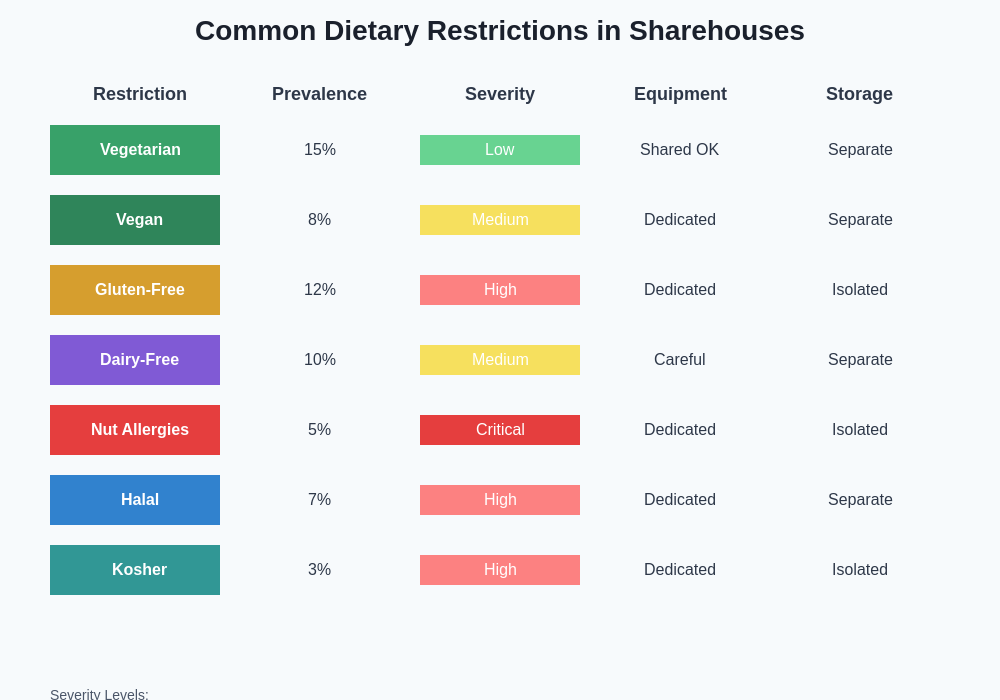
Tokyo’s international sharehouse communities encompass residents with diverse dietary needs ranging from medical necessities such as celiac disease and severe food allergies to religious requirements including halal and kosher dietary laws, lifestyle choices like veganism and vegetarianism, and cultural preferences that shape cooking and eating habits. Each type of restriction brings its own set of challenges and requirements that affect how shared kitchen spaces can be utilized safely and respectfully.
Medical dietary restrictions often require the most stringent protocols due to potential health consequences ranging from mild discomfort to life-threatening reactions. Celiac disease necessitates complete gluten elimination and prevention of cross-contamination through dedicated cooking surfaces, utensils, and storage areas. Food allergies to nuts, shellfish, dairy, or other common ingredients require careful label reading, separate preparation areas, and sometimes emergency medication accessibility that roommates should be aware of for safety purposes.
Religious dietary restrictions such as halal and kosher requirements involve specific preparation methods, ingredient prohibitions, and sometimes separate cooking equipment that must be respected and accommodated within the shared kitchen environment. Why different dietary requirements create cooking conflicts often stems from misunderstanding or lack of awareness about the seriousness and non-negotiable nature of these requirements for practicing individuals.
Lifestyle-based restrictions including veganism, vegetarianism, and specialized diets like keto or paleo create additional complexity in shared spaces where animal products and plant-based alternatives must coexist without cross-contamination while respecting different philosophical approaches to food consumption and preparation.
Practical Kitchen Organization Strategies
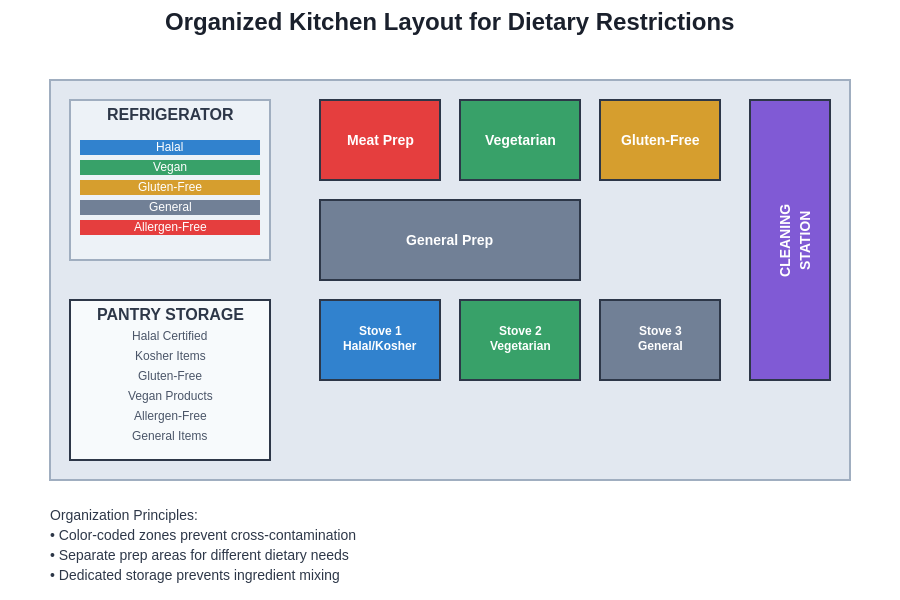
Effective organization of shared kitchen spaces requires systematic approaches that accommodate multiple dietary restrictions while maintaining efficiency and preventing conflicts over storage and preparation areas. How kitchen storage affects cooking schedules becomes particularly relevant when residents need to maintain separate ingredients, cooking tools, and prepared foods to prevent cross-contamination and ensure dietary compliance.
Refrigerator and pantry organization systems that clearly designate areas for different dietary needs help prevent accidental ingredient mixing while ensuring everyone has adequate storage space for their specific food items. Color-coded containers, labels with resident names and dietary indicators, and separate shelving areas create visual systems that reduce confusion and promote respect for individual food storage requirements.
Cooking equipment designation becomes crucial when dietary restrictions require dedicated tools to prevent cross-contamination. Separate cutting boards for meat and vegetarian preparations, designated pots and pans for halal cooking, gluten-free preparation surfaces, and allergen-free cooking utensils may need to be established and clearly marked to ensure safe food preparation for all residents.
The implementation of cleaning protocols that address cross-contamination concerns requires education and cooperation from all residents, regardless of their personal dietary restrictions. Understanding proper sanitization methods, surface cleaning between different food preparations, and shared equipment maintenance helps create a safe cooking environment for everyone while building mutual respect and consideration among housemates.
Managing Cross-Contamination Risks
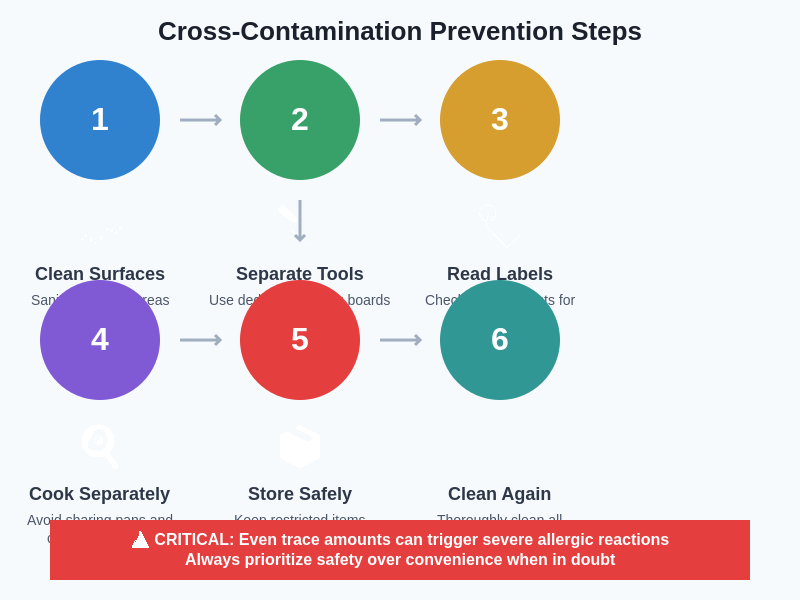
Cross-contamination prevention represents one of the most critical aspects of shared kitchen use when dietary restrictions are involved, requiring comprehensive understanding of how allergens, non-compliant ingredients, and cooking residues can transfer between foods, surfaces, and cooking equipment. Why kitchen cleaning becomes more complicated with dietary restrictions parallels many of the hygiene and safety concerns that arise in shared cooking spaces where multiple dietary needs must be accommodated simultaneously.
Surface preparation and cleaning protocols must address the invisible nature of many contamination risks, particularly for severe allergies and celiac disease where trace amounts of problematic substances can trigger serious health reactions. Dedicated preparation areas, thorough cleaning between different food preparations, and awareness of hidden sources of contamination in shared seasonings, oils, and condiments help minimize risks while enabling safe cooking for all residents.
Equipment sharing protocols require clear guidelines about which items can be safely shared after proper cleaning and which items may need to remain dedicated to specific dietary requirements. Cast iron pans that absorb flavors and residues, wooden cutting boards that can harbor allergens, and small appliances with difficult-to-clean components may require special consideration or individual ownership to prevent contamination risks.
Ingredient storage and handling practices must account for airborne particles, packaging contamination, and shared utensil use that can introduce problematic substances into otherwise compliant foods. Understanding proper storage techniques, reading ingredient labels for hidden allergens or non-compliant additives, and maintaining separate preparation workflows helps protect residents with restrictions while educating others about the importance of careful food handling.
Communication and Education Approaches
Successful navigation of dietary restrictions in shared living spaces requires ongoing communication that balances personal needs with community harmony while educating roommates about specific requirements without creating burden or resentment. Building understanding about cultural food differences often begins with open discussions about dietary needs, their origins, and their non-negotiable aspects that help roommates understand the seriousness of compliance requirements.
Initial conversations about dietary restrictions should cover not only the specific foods and ingredients to avoid but also the practical implications for shared kitchen use, including cross-contamination risks, equipment needs, and emergency procedures for allergic reactions. Providing educational materials, sharing reliable resources, and offering to answer questions helps build understanding while demonstrating the legitimate nature of dietary requirements.
Ongoing communication strategies include regular check-ins about kitchen organization systems, addressing conflicts or misunderstandings promptly, and maintaining flexibility when possible while being firm about non-negotiable safety requirements. How different communication styles affect roommate relationships becomes particularly important when discussing sensitive topics like dietary restrictions that may intersect with religious beliefs, cultural practices, or medical conditions.
Creating shared resources such as ingredient lists for common restrictions, emergency contact information for medical dietary needs, and household guidelines for safe food preparation helps establish clear expectations while providing reference materials that support ongoing compliance and cooperation among all residents.
Scheduling and Coordination Challenges
Shared kitchen scheduling becomes significantly more complex when dietary restrictions require extended preparation times, dedicated cooking periods, or specialized cleaning protocols that affect when and how other residents can use the cooking facilities. Kitchen access timing affects meal planning takes on additional dimensions when residents need uninterrupted time for safe food preparation or require specific sequences of cooking and cleaning to prevent contamination.
Peak cooking times often create conflicts when residents with dietary restrictions need extended periods for careful ingredient preparation, thorough cleaning protocols, or cooking methods that require multiple steps or specialized equipment. Developing fair scheduling systems that account for different time requirements while ensuring everyone has adequate access to cooking facilities requires compromise and understanding from all residents.
Preparation time requirements for restricted diets often exceed those for conventional cooking due to ingredient sourcing, label reading, specialized preparation techniques, and additional cleaning steps that must be completed to ensure safety. Time management in shared cooking spaces requires residents to plan ahead and communicate their needs while remaining flexible when unexpected scheduling conflicts arise.
Cleanup responsibilities and protocols may require additional time and specific procedures when dietary restrictions are involved, affecting the overall kitchen availability and requiring understanding from other residents about extended cleaning periods that ensure safe cooking environments for everyone.
Cultural and Religious Considerations
Religious dietary requirements bring additional complexity to shared kitchen environments where spiritual and cultural practices must be respected alongside practical cooking needs, often requiring separate preparation areas, dedicated equipment, and specific handling procedures that may be unfamiliar to residents from different cultural backgrounds. Understanding diverse cultural food practices helps create inclusive environments where religious dietary observances can be maintained without conflict or compromise.
Halal dietary requirements involve not only avoiding pork and alcohol but also ensuring that meat products come from properly slaughtered animals and that all ingredients, including additives and processing aids, comply with Islamic dietary laws. Shared kitchen environments must accommodate these requirements through separate storage areas, dedicated cooking equipment, and careful attention to ingredient sourcing and preparation methods.
Kosher dietary observances require separation of meat and dairy products, specific preparation methods, and sometimes dedicated sets of cooking equipment and dinnerware that cannot be mixed or shared with non-kosher food preparation. Understanding the complexity and importance of these requirements helps roommates appreciate the need for careful kitchen organization and respectful accommodation of religious practices.
Hindu, Buddhist, and other religious dietary practices may involve vegetarianism, specific ingredient prohibitions, or preparation methods that require consideration and accommodation within shared cooking spaces. Religious considerations in daily routines often extend to food preparation and consumption practices that affect shared kitchen use and require understanding from all residents.
Cultural food practices that may not be strictly religious but carry significant cultural importance also deserve respect and accommodation within shared living environments, creating opportunities for cultural exchange and learning while maintaining consideration for individual practices and preferences.
Economic Impact and Cost Considerations
Dietary restrictions often create additional financial burdens that affect residents’ grocery budgets, storage needs, and cooking equipment requirements, potentially impacting shared household expenses and creating disparities in cost sharing that must be addressed fairly and transparently. How dietary restrictions affect grocery costs includes not only specialized ingredients that may be more expensive but also the need for duplicate items to prevent cross-contamination and ensure dietary compliance.
Specialized ingredient costs for gluten-free products, organic items, kosher or halal certified foods, and allergen-free alternatives often significantly exceed conventional grocery prices, creating budget pressures that may affect residents’ ability to participate in group meal planning or shared grocery shopping arrangements. Understanding these cost differences helps roommates develop fair approaches to shared expenses while respecting individual dietary requirements.
Equipment and storage costs may include dedicated cooking tools, separate food storage containers, specialized cleaning supplies, and individual appliances that prevent cross-contamination while enabling safe food preparation. Individual versus shared kitchen equipment becomes more complex when dietary restrictions require separate tools to ensure safety and compliance.
Waste and efficiency considerations arise when dietary restrictions prevent participation in bulk buying opportunities, group meal preparation, or shared ingredient purchases that typically reduce individual food costs in sharehouse environments. Finding balance between cost efficiency and dietary compliance requires creative solutions and understanding from all residents.
Technology and Modern Solutions
Modern technology offers various solutions for managing dietary restrictions in shared living environments, from apps that help identify compliant ingredients and restaurants to smart storage systems that prevent cross-contamination and digital scheduling tools that coordinate kitchen use among residents with different dietary needs. Digital tools for household management can be adapted to address specific challenges related to dietary restrictions and shared kitchen coordination.
Ingredient scanning applications help residents quickly identify problematic ingredients in packaged foods, reducing time spent reading labels and increasing confidence in food choices while shopping for groceries or checking items in shared storage areas. These tools become particularly valuable for complex dietary restrictions that involve multiple prohibited ingredients or hidden sources of contamination.
Kitchen management apps can facilitate scheduling coordination, track cleaning protocols, and maintain records of safe food preparation procedures that help ensure compliance while building accountability among roommates for maintaining dietary restriction accommodations. Shared scheduling systems can be adapted to include dietary restriction indicators and special requirements that help prevent conflicts and ensure adequate access for all residents.
Smart storage solutions including temperature monitoring, expiration date tracking, and contamination prevention systems help maintain food safety while extending the shelf life of specialized ingredients that may be more expensive or difficult to replace when dietary restrictions are involved.
Building Inclusive Community Practices
Creating truly inclusive sharehouse communities requires moving beyond mere accommodation of dietary restrictions toward active celebration and learning opportunities that turn potential challenges into sources of cultural exchange, education, and community building. Creating inclusive social environments involves recognizing dietary restrictions as opportunities to learn about different cultures, religions, and lifestyles while building empathy and understanding among residents.
Educational cooking events where residents share their dietary practices, teach others about their restrictions, and demonstrate safe preparation techniques can transform potential sources of conflict into community bonding experiences that increase understanding while building practical skills for shared living. These events help normalize dietary restrictions while creating opportunities for cultural exchange and friendship building.
Menu planning collaborations that include all residents regardless of dietary restrictions require creativity and flexibility but can result in meals that everyone can enjoy while introducing residents to new foods, flavors, and cooking techniques they might not have encountered otherwise. Group meal planning strategies become more complex but also more rewarding when they successfully accommodate diverse dietary needs.
Support systems for residents with dietary restrictions include not only practical accommodations but also emotional support for the challenges of maintaining restrictions in shared environments, advocacy during conflicts with less understanding residents, and assistance during medical emergencies related to dietary restrictions.
Emergency Preparedness and Safety Protocols
Medical emergencies related to dietary restrictions require specific preparedness measures including emergency contact information, medication accessibility, clear symptom recognition, and action protocols that all residents should understand to ensure rapid response when severe allergic reactions or other medical complications occur. Emergency preparedness in sharehouses takes on additional importance when residents have dietary restrictions that could result in medical emergencies.
Allergic reaction protocols must be clearly established and communicated to all residents, including recognition of symptoms ranging from mild reactions to anaphylaxis, proper use of emergency medications like epinephrine auto-injectors, and emergency contact procedures that ensure rapid medical assistance when needed. Understanding these protocols helps create safer living environments while building confidence for residents with severe dietary restrictions.
Contamination incident responses require clear procedures for addressing accidental exposure to prohibited ingredients, including immediate action steps, medical consultation guidelines, and communication protocols that ensure appropriate response while maintaining trust and understanding among residents who may have been involved in the incident.
Prevention strategies focus on maintaining safe kitchen environments through ongoing education, regular review of safety procedures, and continuous improvement of accommodation systems that reduce the likelihood of incidents while ensuring all residents feel secure and supported in their dietary restriction management.
The successful navigation of dietary restrictions in shared kitchen environments ultimately depends on a combination of practical solutions, clear communication, mutual respect, and community commitment to creating inclusive living spaces where all residents can maintain their dietary needs safely and comfortably. Building these supportive environments requires ongoing effort from all residents but results in stronger, more understanding communities that benefit everyone through increased cultural awareness, practical life skills, and deeper interpersonal connections that extend far beyond simple accommodation of dietary differences.
Disclaimer
This article is for informational purposes only and does not constitute medical or nutritional advice. Individuals with severe dietary restrictions or food allergies should consult with healthcare professionals for specific guidance. The suggestions provided are based on general best practices and may need to be adapted for specific medical conditions, cultural requirements, or living situations. Readers should always prioritize their health and safety when managing dietary restrictions in shared living environments.