Living with dietary restrictions in a Japanese sharehouse presents a complex web of challenges that extend far beyond simple food preferences, fundamentally altering how residents approach meal planning, grocery shopping, and social interactions within their shared living environment. The intersection of personal health needs, cultural food traditions, and communal kitchen dynamics creates unique obstacles that can significantly impact both daily nutrition and social integration for international residents navigating Tokyo’s sharehouse landscape.
The reality of maintaining strict dietary requirements while sharing kitchen facilities with residents from diverse cultural backgrounds reveals the intricate balance between personal health necessities and community harmony that defines successful sharehouse living. Understanding these limitations and developing effective coping strategies becomes essential for residents whose dietary needs go beyond simple preferences to encompass medical requirements, religious obligations, or ethical commitments that cannot be compromised without serious consequences.
Understanding the Scope of Dietary Limitations in Sharehouses
The prevalence of dietary restrictions among international residents in Tokyo sharehouses has grown substantially as awareness of food allergies, intolerances, and lifestyle-based eating patterns continues to expand globally. How food allergies complicate shared cooking demonstrates how medical dietary requirements create the most rigid constraints, often requiring complete avoidance of specific ingredients that can cause severe health reactions ranging from mild discomfort to life-threatening anaphylaxis.
Religious dietary laws such as halal, kosher, or Buddhist vegetarian requirements introduce additional complexity layers that extend beyond ingredient selection to encompass food preparation methods, cooking utensil usage, and storage protocols that must be maintained consistently to preserve religious compliance. These requirements often conflict with standard sharehouse kitchen arrangements where cooking equipment, storage spaces, and preparation surfaces are shared among residents with varying dietary practices and cultural backgrounds.
Lifestyle-based dietary choices including veganism, vegetarianism, and specialized nutrition programs create their own sets of limitations that, while less medically critical than allergies, still require significant accommodation in shared cooking environments. The challenge intensifies when multiple residents maintain different dietary restrictions simultaneously, creating complex scheduling, storage, and preparation logistics that can strain both kitchen resources and interpersonal relationships within the house community.
Navigating Japanese Food Culture and Ingredient Availability
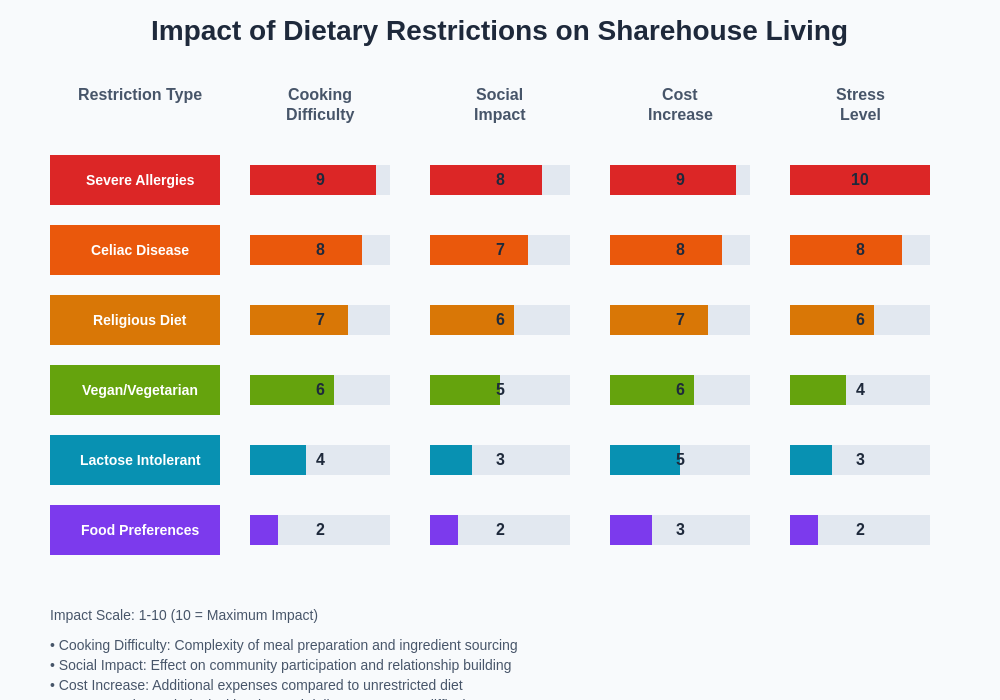
The Japanese food landscape presents particular challenges for residents with dietary restrictions, as traditional cuisine heavily incorporates ingredients that commonly trigger allergies or conflict with religious and ethical dietary requirements. Fish-based dashi forms the foundation of countless Japanese dishes, creating hidden seafood content in seemingly vegetarian options, while soy products appear in multiple forms throughout the culinary tradition, complicating navigation for residents with soy allergies or sensitivities.
How traditional cooking methods clash highlights how deeply embedded cultural cooking practices can inadvertently exclude residents with specific dietary needs, particularly when house communities attempt to prepare traditional Japanese meals for cultural exchange purposes. The ubiquity of wheat-based products in Japanese cuisine, from ramen noodles to tempura batters, creates significant challenges for residents managing celiac disease or gluten sensitivities.
International ingredient availability in Tokyo varies dramatically by neighborhood and store type, with specialized dietary products often commanding premium prices that can strain student and working holiday budgets. The language barrier compounds these challenges, as ingredient labels, allergen warnings, and preparation instructions frequently appear only in Japanese, requiring residents to develop sophisticated label-reading skills or rely on translation applications that may not accurately convey critical dietary information.
Local grocery store layouts and product categorization systems differ significantly from Western approaches, making ingredient substitution and alternative product location time-consuming and frustrating processes. How grocery shopping becomes more strategic explores how residents must adapt their shopping patterns to accommodate both dietary restrictions and local market structures.
Kitchen Sharing Protocols and Cross-Contamination Concerns
The shared nature of sharehouse kitchens creates inherent risks for residents with severe allergies or strict dietary requirements, as cross-contamination can occur through shared cooking surfaces, utensils, and storage areas that previous users may have exposed to prohibited ingredients. Establishing and maintaining effective cleaning protocols becomes critical for preventing accidental exposure, yet enforcement relies heavily on voluntary compliance from all residents who may not fully understand the severity of certain dietary restrictions.
Storage segregation presents ongoing challenges in kitchens with limited refrigerator and pantry space, particularly when multiple residents require separate storage areas to prevent cross-contamination or maintain religious dietary compliance. How refrigerator space wars are inevitable demonstrates how dietary restrictions can escalate normal storage conflicts into more serious health and compliance concerns.
Cooking equipment sharing becomes problematic when certain dietary restrictions require dedicated utensils, cutting boards, or cookware to prevent contamination from prohibited ingredients. The financial burden of purchasing and maintaining separate cooking equipment falls entirely on restricted residents, creating additional expenses that may not have been anticipated during initial sharehouse budgeting processes.
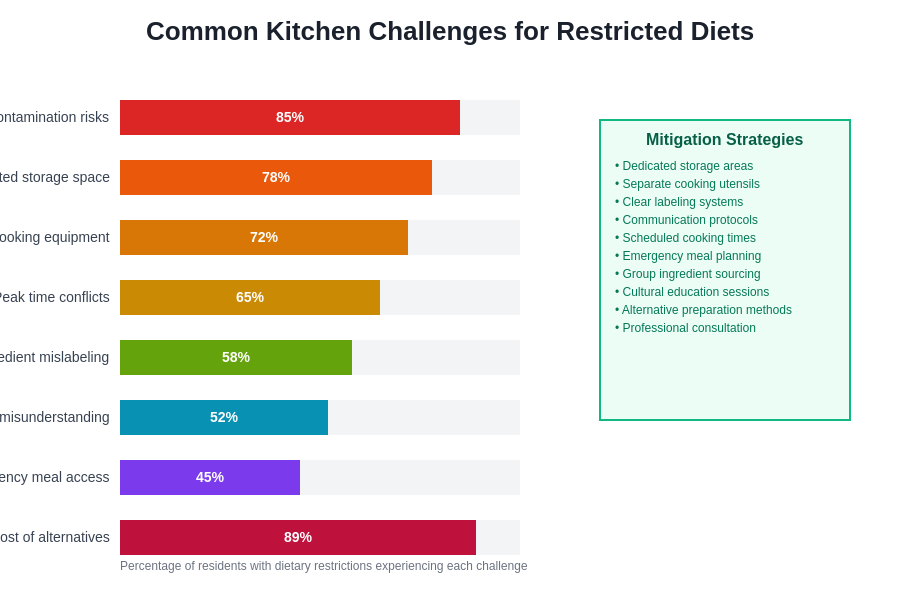
Scheduling conflicts intensify when residents with dietary restrictions require extended preparation times for specialized cooking processes, such as soaking and preparing alternative grains, or when they need exclusive kitchen access to prevent cross-contamination during meal preparation. These timing requirements can create tension with other residents who expect equal access to kitchen facilities during peak cooking hours.
Social Dynamics and Community Integration Challenges
Dietary restrictions can inadvertently create social barriers within sharehouse communities, particularly during group meals, cultural celebrations, and spontaneous cooking sessions that form the backbone of many international friendships and cultural exchange experiences. How cultural festivals affect house activities illustrates how traditional celebration foods often exclude residents with dietary restrictions, potentially marginalizing them from important community bonding experiences.
The preparation of communal meals becomes significantly more complex when accommodating multiple dietary restrictions, often resulting in either oversimplified meal options that satisfy the lowest common denominator or elaborate preparation processes that require multiple cooking streams to accommodate different needs. This complexity can discourage group cooking initiatives and reduce the frequency of shared meal experiences that many residents value as essential components of sharehouse living.
Educational gaps about dietary restrictions among international residents can lead to misunderstandings, skepticism, or dismissive attitudes toward restrictions that are perceived as preferences rather than necessities. These misunderstandings can strain relationships and create uncomfortable social dynamics when residents feel their dietary needs are not respected or accommodated by their housemates.
The financial implications of dietary restrictions often extend beyond individual grocery costs to impact group purchasing decisions, restaurant selections for house outings, and shared meal contributions that can create economic disparities between restricted and unrestricted residents. How group buying power reduces individual costs becomes less relevant for residents whose dietary restrictions prevent participation in bulk purchasing arrangements.
Practical Adaptation Strategies and Workarounds
Successful navigation of dietary restrictions in sharehouses requires proactive communication with potential housemates and house managers during the application and viewing process to ensure compatibility and establish clear expectations about accommodation needs and limitations. How dietary restrictions impact shared kitchen use provides insights into effective communication strategies for discussing dietary needs without creating barriers to housing approval.
Meal planning and preparation strategies must evolve to emphasize batch cooking, ingredient substitution flexibility, and portable meal options that can be prepared with minimal kitchen access during peak usage periods. Residents often develop expertise in one-pot meals, cold preparation techniques, and storage-stable ingredients that reduce both cooking time and cross-contamination risks.
Technology integration through translation applications, ingredient scanning tools, and local dietary restriction support networks can help bridge language and cultural gaps while providing access to specialized product information and alternative ingredient sources. Online communities and social media groups specifically focused on dietary restrictions in Japan often provide valuable crowdsourced information about product availability, restaurant options, and preparation techniques.
Building relationships with local specialty stores, international markets, and online retailers becomes essential for maintaining access to required ingredients and products that may not be available through conventional grocery channels. How convenience store proximity affects daily costs takes on new significance when dietary restrictions limit purchasing options to specialized retailers with higher price points.
Economic Impact and Budget Considerations
The financial burden of maintaining dietary restrictions in Tokyo sharehouses extends significantly beyond simple ingredient costs to encompass specialized product premiums, separate cooking equipment purchases, and reduced opportunities for cost-sharing arrangements that typically benefit sharehouse residents. Alternative ingredient products often cost two to three times more than conventional options, while specialty items may require purchase from expensive import stores or online retailers with substantial shipping fees.
Restaurant dining options become severely limited for residents with strict dietary restrictions, often eliminating the affordable casual dining and convenience food options that many international residents rely on for budget management and social activities. This limitation forces greater reliance on home cooking and meal preparation, increasing both time investment and ingredient costs while reducing flexibility for social dining experiences.
The inability to participate in group meal purchasing, bulk buying arrangements, and shared cooking initiatives eliminates significant cost-saving opportunities that can substantially impact monthly food budgets. How bulk buying creates storage problems becomes irrelevant when dietary restrictions prevent participation in these cost-reduction strategies.
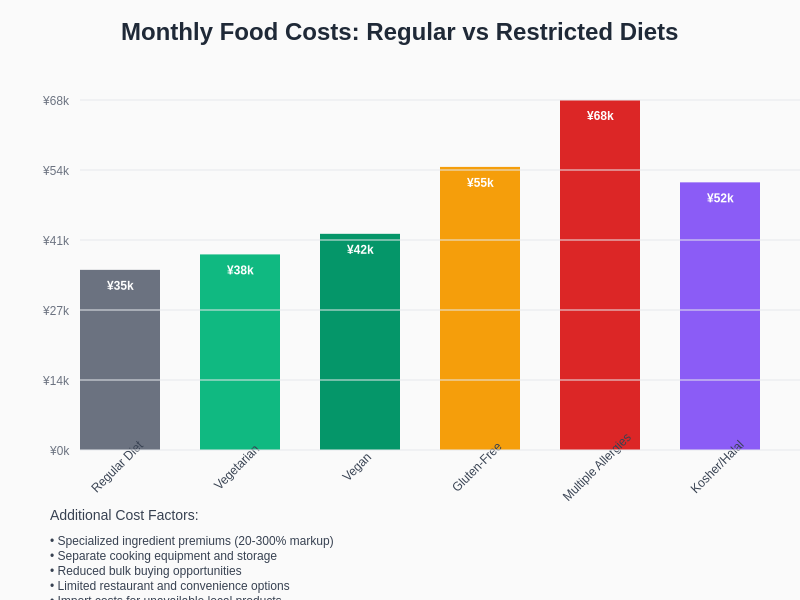
Emergency meal options and backup food supplies require careful planning and higher investment, as conventional convenience foods and emergency meal solutions frequently contain prohibited ingredients, necessitating maintenance of more expensive alternative options that provide security during illness, schedule disruptions, or ingredient availability problems.
Long-term Health and Nutrition Management
Maintaining proper nutrition while managing dietary restrictions in a sharehouse environment requires careful attention to nutrient balance, vitamin supplementation, and meal variety that can be challenging to achieve within the constraints of shared kitchen facilities and limited ingredient availability. The stress of constant vigilance about food safety and ingredient verification can impact overall mental health and relationship satisfaction within the living community.
Access to healthcare providers familiar with specific dietary restrictions may be limited in Japan, particularly for residents who require ongoing medical monitoring of conditions like celiac disease, severe allergies, or metabolically-based dietary requirements. How medical emergencies expose system weaknesses becomes particularly relevant when dietary restriction violations result in health crises that require immediate medical intervention.
Long-term adherence to dietary restrictions can become more challenging in social living environments where peer pressure, convenience factors, and social integration concerns may tempt residents to make compromises that could have serious health consequences. Developing strong personal protocols and support systems becomes essential for maintaining dietary compliance throughout extended sharehouse residency periods.
The psychological impact of dietary restrictions in shared living environments can include feelings of isolation, frustration with limited options, and anxiety about accidental exposure or social exclusion that requires active management through stress reduction techniques, community building, and professional support when necessary. How stress management techniques become necessary provides relevant strategies for coping with restriction-related stress.
Building Supportive Community Networks
Creating inclusive sharehouse environments for residents with dietary restrictions requires proactive education initiatives, clear communication protocols, and community agreement on accommodation practices that balance individual needs with group harmony. House meetings dedicated to discussing dietary restrictions, cross-contamination prevention, and inclusive meal planning can establish foundation understanding that prevents conflicts and promotes mutual support.
Connecting with other residents who share similar dietary restrictions or health-conscious approaches to eating can provide valuable peer support, ingredient sharing opportunities, and collaborative cooking arrangements that reduce both costs and isolation. Making friends through Tokyo sharehouse communities takes on additional importance when dietary restrictions limit conventional social bonding opportunities.
Establishing relationships with local healthcare providers, nutritionists, and dietary specialists who understand both Japanese food culture and international dietary restriction management provides essential support for long-term health maintenance and crisis intervention when needed. These professional relationships become particularly important for residents managing complex medical dietary requirements.
Advocacy within the sharehouse community for inclusive practices, alternative ingredient exploration, and accommodation protocols helps create environment where dietary restrictions are understood as legitimate needs rather than inconvenient preferences. This advocacy can lead to policy changes, kitchen equipment improvements, and community practices that benefit all residents while specifically supporting those with dietary limitations.
The challenge of managing dietary restrictions in Japanese sharehouses ultimately requires a comprehensive approach that combines practical adaptation strategies, community education, financial planning, and health advocacy to create sustainable living arrangements that protect individual health needs while maintaining positive social integration. Success depends on clear communication, mutual respect, and creative problem-solving that acknowledges the legitimate complexity of dietary restriction management in shared living environments.
While dietary restrictions undoubtedly create additional challenges for sharehouse residents, understanding these limitations and developing effective management strategies can lead to successful long-term living arrangements that support both individual health needs and community harmony. The key lies in proactive planning, open communication, and commitment to inclusive practices that recognize dietary restrictions as important aspects of resident diversity rather than obstacles to community building.
Disclaimer
This article is for informational purposes only and does not constitute professional medical or nutritional advice. Individuals with dietary restrictions should consult with healthcare providers and nutrition specialists for personalized guidance. The effectiveness of strategies mentioned may vary depending on specific dietary requirements, medical conditions, and individual circumstances. Readers should conduct their own research and seek professional consultation when making decisions about dietary restriction management in shared living environments.