The transformation of sharehouse living environments through digital entertainment represents one of the most significant cultural shifts in modern Tokyo housing dynamics. What once served as vibrant communities built around shared experiences and face-to-face interactions has increasingly evolved into collections of individual digital bubbles, where residents retreat into personalized entertainment ecosystems that minimize the need for traditional social engagement with housemates and neighbors.
This phenomenon extends far beyond simple preference changes, fundamentally altering the social fabric that traditionally made sharehouse living an attractive option for international residents seeking community and cultural exchange. The availability of unlimited streaming content, immersive gaming experiences, and social media platforms has created alternative forms of entertainment and connection that often feel more comfortable and controllable than the unpredictable nature of real-world social interactions with culturally diverse housemates.
Understanding how digital entertainment habits reshape sharehouse experiences becomes crucial for both current residents navigating changing social dynamics and prospective residents setting realistic expectations about community building in modern shared living environments. Making friends through Tokyo sharehouse communities explores traditional approaches to building relationships, while this analysis examines how digital alternatives are disrupting these established patterns.
The Rise of Individual Entertainment Ecosystems
Modern sharehouse residents increasingly create personalized entertainment environments within their private spaces, complete with high-quality screens, premium sound systems, and multiple streaming subscriptions that provide access to virtually unlimited content libraries. These individual ecosystems offer carefully curated experiences that align perfectly with personal preferences, cultural backgrounds, and language comfort levels, eliminating the compromise and negotiation typically required in shared entertainment situations.
The convenience and customization available through digital platforms make solitary entertainment particularly appealing for international residents who may feel overwhelmed by cultural differences, language barriers, or social anxiety in group settings. Rather than navigating potential misunderstandings or cultural clashes during communal movie nights or group activities, residents can retreat to familiar content that provides comfort and entertainment without social pressure or cultural learning curves.
Gaming platforms have evolved into comprehensive social networks that provide structured interaction with friends from home countries or international gaming communities, creating social fulfillment that competes directly with local sharehouse relationships. These digital communities often feel more accessible and less demanding than building new friendships with housemates who may have different interests, schedules, or communication styles.
The sophistication of modern streaming algorithms creates increasingly personalized content recommendations that deepen individual entertainment engagement while simultaneously reducing motivation to seek alternative forms of entertainment or social interaction. This algorithmic curation builds compelling viewing patterns that can easily consume entire evenings and weekends, leaving little time or energy for community-building activities within the sharehouse environment.
Impact on Common Area Usage and Shared Spaces
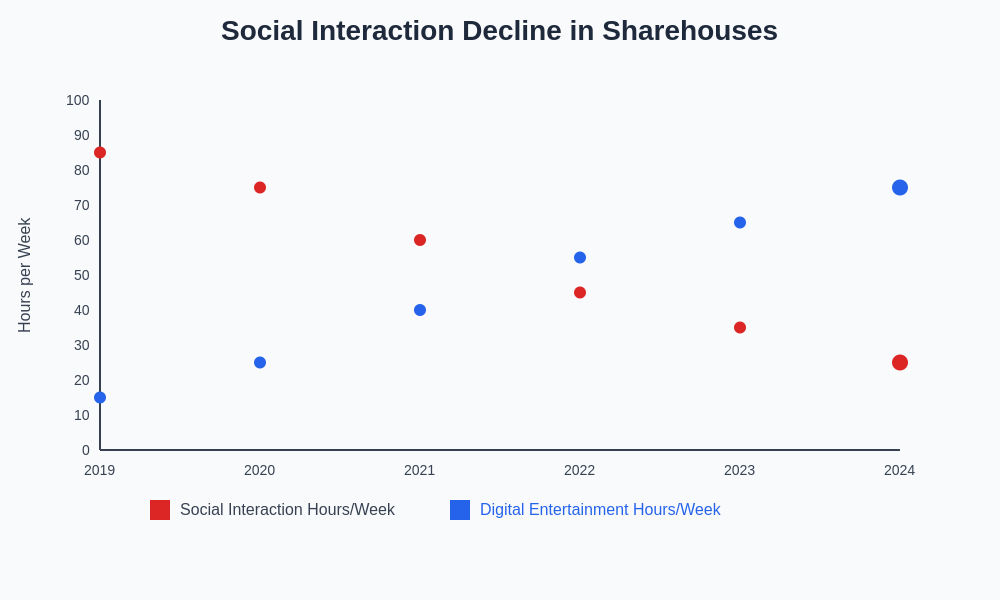
Traditional sharehouse common areas, designed to facilitate interaction and community building, experience dramatic usage pattern changes as residents increasingly prioritize private digital entertainment over shared activities. Kitchens become primarily functional spaces for meal preparation rather than social gathering areas, while living rooms and recreational facilities often sit empty during peak evening and weekend hours when residents historically engaged in group activities.
How digital nomads change sharehouse dynamics examines how remote work patterns contribute to this trend, as residents who spend entire days on digital devices often prefer continued screen-based entertainment rather than transitioning to social interaction modes that require different energy and attention patterns.
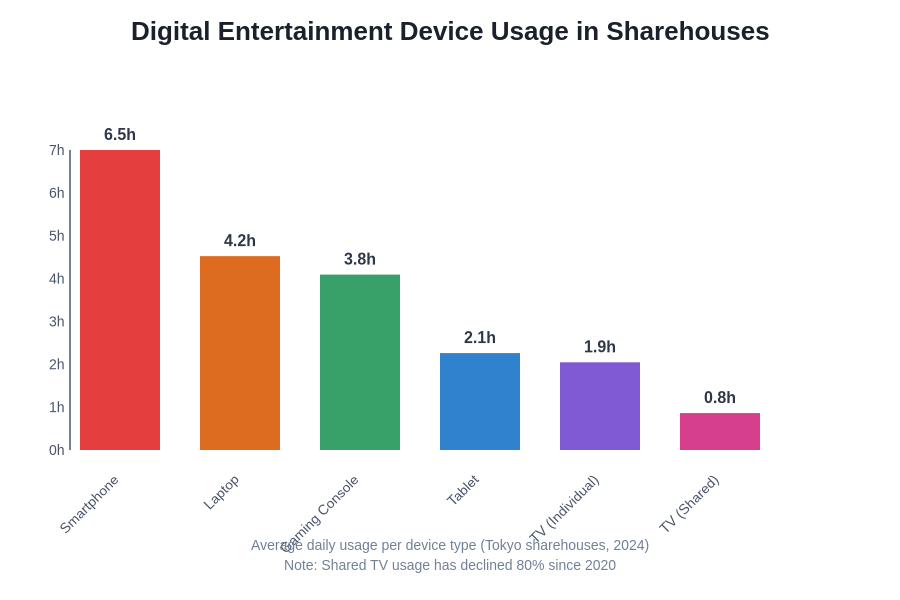
The communal television, once a natural focal point for shared entertainment experiences and spontaneous conversations, competes unsuccessfully with personal devices that offer unlimited content choice, individual volume control, and freedom from group consensus requirements. Many sharehouses report their common area entertainment systems receiving minimal usage despite significant investment in high-quality equipment and comfortable seating arrangements designed to encourage group gatherings.
Shared gaming systems and board game collections, traditionally reliable community-building tools, face similar challenges as residents prefer mobile games, online multiplayer experiences, or streaming content that can be paused and resumed according to individual schedules rather than coordinating with housemates’ availability and preferences.
The Psychology of Digital Comfort Zones
Digital entertainment provides psychological safety that appeals particularly strongly to individuals navigating cross-cultural living situations where social interactions carry higher stakes and potential for misunderstanding or embarrassment. The predictable nature of streaming content, familiar gaming interfaces, and social media connections with established friend networks offers emotional comfort that reduces anxiety and stress compared to unpredictable social interactions with new housemates from different cultural backgrounds.
Language barriers that naturally exist in international sharehouse environments create additional motivation for residents to retreat into entertainment content in their native languages rather than engaging in potentially challenging conversations that require second-language communication skills. This preference for linguistic comfort zones reinforces social isolation patterns while limiting opportunities for language practice and cultural exchange that traditionally represented major benefits of international sharehouse living.
The immediate gratification available through digital entertainment platforms contrasts sharply with the gradual relationship-building process required for meaningful housemate connections. While friendships require time investment, patience, and occasional uncomfortable social navigation, digital entertainment provides instant satisfaction and engagement without requiring emotional vulnerability or social risk-taking.
Individual control over entertainment choices eliminates the negotiation and compromise inherent in group activities, appealing to residents who may feel their preferences are frequently overruled or misunderstood in multicultural environments. How cultural differences affect friendship building explores these dynamics, while digital alternatives sidestep these challenges entirely by eliminating the need for cultural compromise.
Effects on Communication Patterns and Social Skills
Extended periods of digital entertainment consumption create communication pattern changes that affect residents’ ability and motivation to engage in spontaneous conversations, collaborative problem-solving, and the informal social exchanges that build community cohesion within sharehouses. Regular practice in digital environments that prioritize quick responses, abbreviated communication, and emoji-based expression can make longer, nuanced face-to-face conversations feel unnecessarily complex and time-consuming.
The structured nature of most digital entertainment experiences reduces opportunities for developing the flexibility, compromise skills, and cultural sensitivity required for successful international sharehouse living. Gaming achievements, streaming marathons, and social media engagement provide clear feedback and progress markers, while community building requires patience, ambiguity tolerance, and delayed gratification that may feel less rewarding by comparison.
Why building real friendships takes longer than expected addresses the timeline challenges that digital entertainment can exacerbate by providing immediate social gratification that competes with the slower relationship development process required for meaningful housemate connections.
Residents who spend significant portions of their free time in digital environments may experience decreased confidence in their ability to navigate real-world social situations, creating a reinforcing cycle where digital entertainment becomes increasingly attractive compared to social activities that feel more challenging or unpredictable.
Cultural Exchange and Learning Opportunities Lost
Traditional sharehouse environments provided natural opportunities for cultural learning through shared meals, holiday celebrations, storytelling, and collaborative activities that required residents to share their backgrounds, traditions, and perspectives with housemates from different countries and cultures. Digital entertainment consumption typically reinforces existing cultural preferences and comfort zones rather than expanding cultural understanding or appreciation.
The serendipitous discoveries that occurred through group entertainment choices, where residents might encounter movies, music, or games from other cultures through housemate recommendations, become increasingly rare when individual entertainment choices dominate leisure time. These cultural sharing moments historically served as entry points for deeper conversations about traditions, values, and life experiences that built understanding and friendship across cultural divides.
Language learning opportunities naturally embedded in group entertainment experiences, such as watching Japanese television programs together or playing local games, diminish when residents retreat to entertainment in their native languages. Living with Japanese roommates in Tokyo sharehouses highlights these missed opportunities for practical language practice and cultural immersion.
The informal educational exchanges that occurred through shared entertainment experiences, where residents learned about global perspectives, historical events, or social issues through group discussions about movies or documentaries, become replaced by algorithmic content curation that often reinforces existing viewpoints rather than challenging or expanding worldviews.
Technology as Social Mediator vs. Replacement
While digital entertainment increasingly replaces face-to-face interaction, some residents and sharehouses attempt to use technology as a social mediator rather than replacement, organizing group gaming sessions, movie nights using communal screens, or shared streaming experiences that maintain some community elements while incorporating digital entertainment preferences.
These hybrid approaches require intentional effort and often face challenges from residents who prefer the convenience and control of individual entertainment consumption. How gaming communities form in tech-savvy houses explores successful integration strategies, though these represent minority experiences compared to the broader trend toward individual digital entertainment consumption.
Smart home technology and shared entertainment systems can facilitate group experiences when residents actively choose to engage collectively, but the default tendency toward individual consumption means these collaborative opportunities require deliberate scheduling and group coordination that competes with the effortless accessibility of personal entertainment options.
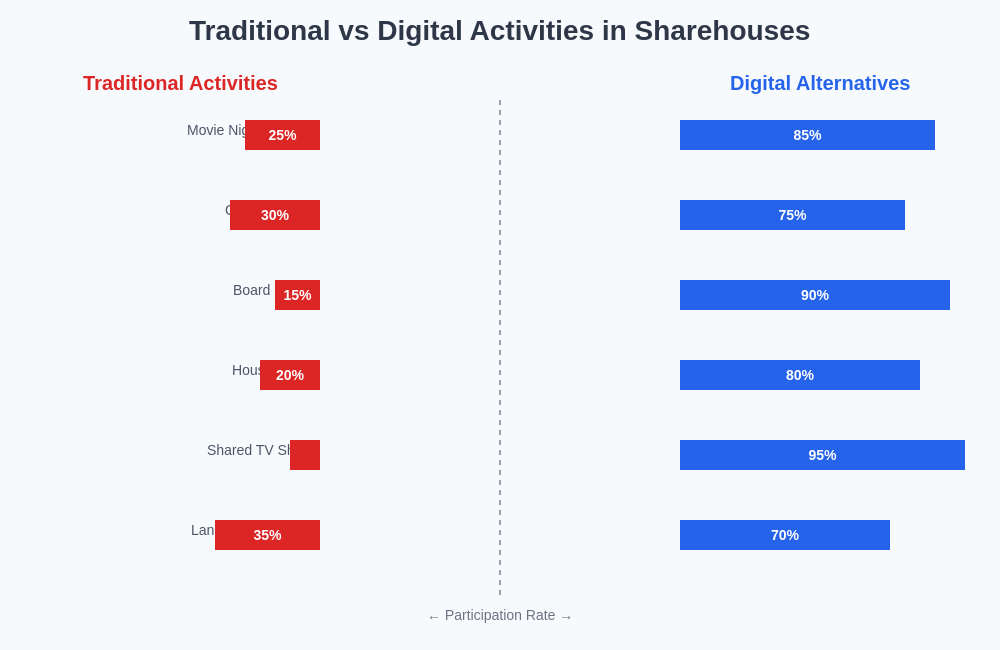
This comparison reveals the stark shift in participation rates between traditional communal activities and their digital alternatives, demonstrating how individual entertainment options consistently outperform group activities in terms of resident engagement and adoption rates.
Social media platforms and messaging apps sometimes serve as bridges for sharehouse community building, allowing residents to share recommendations, coordinate group activities, or maintain connections with housemates. However, these digital communication channels often supplement rather than replace declining face-to-face interaction patterns.
Economic Implications of Individual Entertainment Preferences
The shift toward individual digital entertainment creates economic implications for both residents and sharehouse operators, as shared entertainment resources receive reduced utilization while individual entertainment expenses increase substantially. Residents may maintain multiple streaming subscriptions, premium gaming memberships, and frequent content purchases that collectively exceed the cost of shared entertainment options that could serve entire house communities.
How much Tokyo sharehouses really cost per month typically focuses on accommodation expenses, but digital entertainment costs represent significant budget increases that affect overall affordability calculations for international residents who may already face financial constraints.
Internet infrastructure requirements increase as houses accommodate multiple simultaneous high-bandwidth entertainment streams, creating pressure for expensive network upgrades and higher-tier service plans. Understanding utility bills in Japanese sharehouses may not fully account for these technology-driven cost increases that affect monthly living expenses.
Sharehouse operators face decisions about investing in common area entertainment systems that receive minimal usage versus focusing resources on individual room amenities and high-quality internet infrastructure that residents increasingly prioritize for personal entertainment consumption.
Long-term Consequences for Community Building
The replacement of social interaction with digital entertainment creates long-term consequences for sharehouse community development that extend beyond immediate social dynamics. Residents who spend limited time building relationships with housemates may experience higher turnover rates, reduced satisfaction with their living situations, and missed opportunities for the personal growth and cultural learning that traditionally made sharehouse living transformative rather than merely transactional.
The erosion of natural community-building processes affects new resident integration, as established patterns of minimal interaction make it increasingly difficult for newcomers to connect with existing residents who are already established in individual entertainment routines. This creates reinforcing cycles where social isolation becomes the norm rather than the exception in shared living environments.
Emergency situations, conflicts, and practical challenges that require cooperation and communication become more difficult to navigate when residents lack established relationships and communication patterns with their housemates. How to handle roommate conflicts without moving out becomes more challenging when digital entertainment patterns have already established social distance between residents.
The international networking and friendship opportunities that historically represented significant value propositions for sharehouse living diminish when residents prioritize digital entertainment over relationship building, potentially making alternative accommodation options more attractive for future international residents seeking community experiences.
Strategies for Balancing Digital Entertainment and Social Engagement
Some residents and sharehouses successfully implement strategies that preserve community elements while accommodating preferences for digital entertainment, though these approaches require intentional effort and ongoing commitment from multiple community members to remain sustainable over time.
Scheduled digital detox periods, house-wide entertainment events, and collaborative streaming experiences can create structured opportunities for social interaction while respecting residents’ preferences for digital entertainment. However, these initiatives face challenges from residents who view such efforts as intrusive or unnecessary compared to their preferred individual entertainment routines.
How karaoke sessions reveal personality differences represents one traditional activity that sometimes successfully competes with digital alternatives, though even these cultural experiences face declining participation as residents increasingly prefer private entertainment options.
Creating shared digital entertainment spaces, such as dedicated gaming areas or communal streaming rooms, can provide middle-ground solutions that incorporate technology while maintaining social elements. The success of these approaches depends heavily on house culture and residents’ willingness to compromise individual preferences for community benefits.
The Future of Sharehouse Social Dynamics
Current trends suggest that digital entertainment will continue expanding its influence on sharehouse social dynamics, with implications for how shared living communities develop, maintain cohesion, and provide value to international residents seeking more than mere accommodation solutions. The challenge for future sharehouse development involves creating environments that can successfully integrate digital entertainment preferences while preserving the community benefits that make shared living attractive compared to individual apartments.
Technological developments in virtual reality, augmented reality, and immersive entertainment platforms may further accelerate these trends by providing even more compelling alternatives to face-to-face social interaction. Understanding and adapting to these changes will be crucial for maintaining the viability and attractiveness of sharehouse living as a distinct accommodation option rather than simply a cost-saving measure.
The balance between individual entertainment preferences and community building represents an ongoing negotiation that will likely define the future character of international sharehouse living in Tokyo and other major cities. Success in navigating these changes will require both individual awareness and collective effort to preserve the social benefits that historically distinguished sharehouse living from other accommodation options.
The evolution of sharehouse social dynamics through digital entertainment influence reflects broader cultural shifts toward individualized, on-demand experiences that prioritize convenience and personal control over communal activities and shared experiences. While this transformation offers certain benefits in terms of comfort and accessibility, it also represents a fundamental change in the nature and value proposition of international sharehouse living that deserves careful consideration by both current and prospective residents.
Disclaimer
This article is for informational purposes only and reflects observations about changing social dynamics in sharehouse environments. Individual experiences may vary significantly based on house culture, resident demographics, and personal preferences. The impact of digital entertainment on social interaction depends on various factors including cultural background, age, and individual social needs. Readers should consider their own priorities and communication preferences when evaluating sharehouse living options.