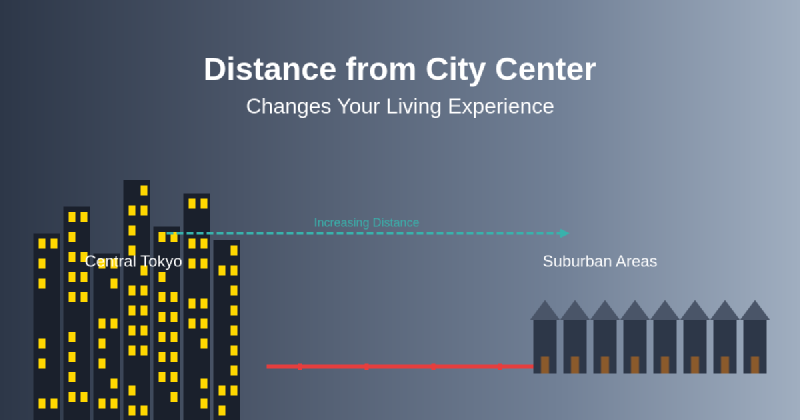
The distance between your sharehouse and Tokyo’s city center represents one of the most influential factors shaping your entire living experience in Japan’s capital. This geographical consideration extends far beyond simple commute times, fundamentally altering everything from daily social interactions and entertainment options to monthly expenses and long-term career opportunities. Understanding these complex relationships empowers residents to make informed decisions that align with their personal priorities, financial constraints, and lifestyle aspirations.
The radiating zones of Tokyo create distinct living environments that cater to different demographics, budgets, and lifestyle preferences. Each ring outward from the central districts offers unique advantages and trade-offs that significantly impact daily routines, social circles, and overall satisfaction with the sharehouse living experience. Recognizing these patterns helps potential residents identify the optimal balance between urban convenience and suburban tranquility that matches their individual circumstances.
Understanding Tokyo’s Concentric Zone Structure
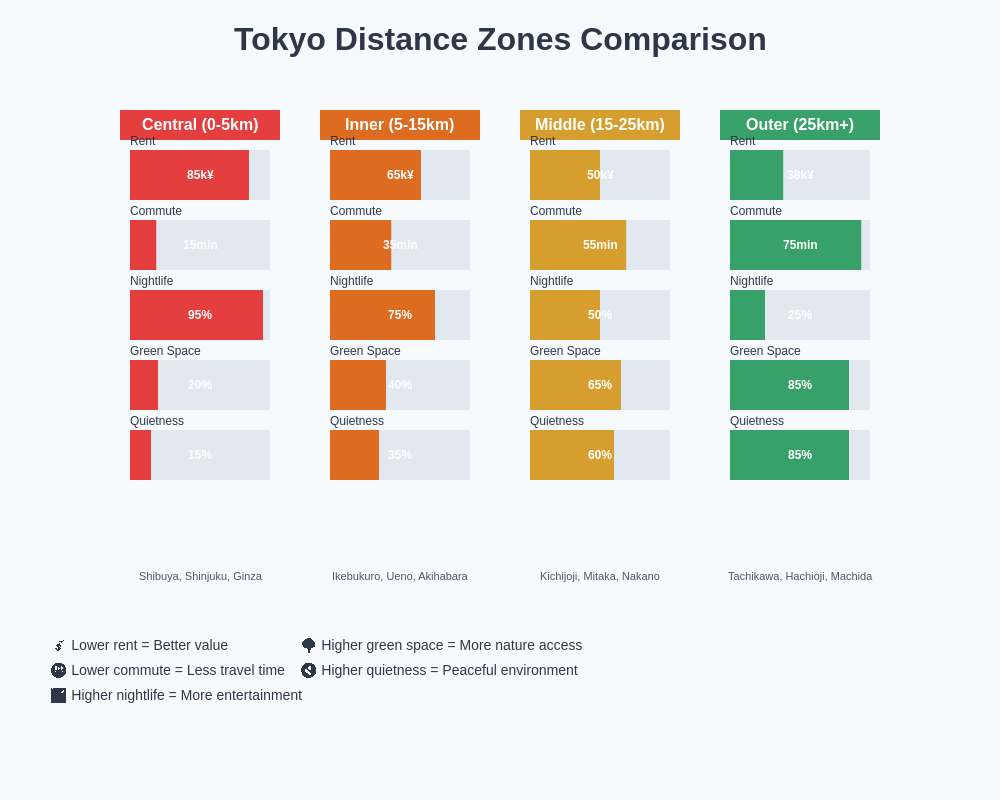
Tokyo’s urban layout follows a distinctive concentric pattern where each successive ring from the center presents dramatically different characteristics in terms of population density, architectural styles, commercial development, and social atmospheres. The innermost zones, encompassing areas like Shibuya, Shinjuku, and Ginza, represent the pinnacle of urban intensity with towering skyscrapers, constant foot traffic, and 24-hour commercial activity that never truly sleeps.
Best Tokyo neighborhoods for sharehouse living reveals how these central areas command premium prices while offering unparalleled access to entertainment, dining, and cultural experiences. The concentration of international businesses, embassies, and multinational corporations in these zones creates vibrant expatriate communities that can significantly enhance networking opportunities and cultural exchange experiences.
Moving outward from the core, intermediate zones such as Ikebukuro, Ueno, and Akihabara provide balanced compromises between urban amenities and residential comfort. These areas often feature well-established sharehouse communities with mature support systems and diverse resident populations that bridge the gap between hardcore urbanites and suburban seekers. The architectural diversity in these zones reflects Tokyo’s historical development patterns, creating neighborhoods with distinct personalities and cultural identities.
The suburban periphery, extending into areas like Mitaka, Kichijoji, and various ward boundaries, offers expansive green spaces, traditional Japanese residential architecture, and community-oriented lifestyles that contrast sharply with central Tokyo’s intensity. These areas often attract residents seeking authentic Japanese cultural experiences, family-friendly environments, and escape from the overwhelming stimulation of constant urban engagement.
Financial Implications of Location Choice
The relationship between distance from city center and living costs follows predictable yet nuanced patterns that extend beyond simple rent differentials. Living costs in Tokyo sharehouses explained demonstrates how central locations command premium prices not only for accommodation but also for daily necessities, dining, and entertainment that can significantly impact monthly budgets.
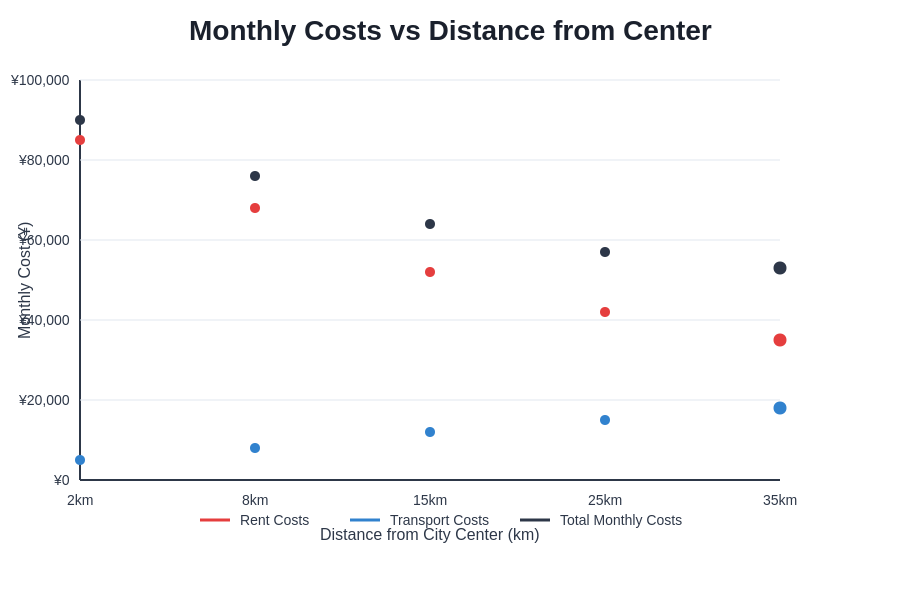
Central sharehouses typically charge rent premiums of 30-50% compared to suburban alternatives, but these higher costs often include superior amenities, professional management services, and prime locations that reduce transportation expenses. The convenience factor of central living can offset higher accommodation costs through reduced commute expenses, time savings, and increased opportunities for walking or cycling instead of relying on expensive train travel.
Cheaper sharehouse options in Tokyo suburbs highlights how suburban living can offer substantial savings on accommodation costs while requiring increased investment in transportation passes, longer commute times, and potentially higher costs for accessing central Tokyo’s entertainment and cultural offerings. The calculation of true living costs must account for these interconnected factors rather than focusing solely on monthly rent figures.
Hidden costs of distance include increased meal expenses due to limited cooking facilities in smaller suburban sharehouses, higher entertainment costs from frequent trips to central areas, and potential career opportunity costs from reduced networking access. How much Tokyo sharehouses really cost per month provides frameworks for calculating these comprehensive cost structures across different location scenarios.
Transportation and Commute Dynamics
Tokyo’s extensive railway network creates complex commute patterns that vary dramatically based on residential location relative to major employment centers and transportation hubs. Business district sharehouses near Tokyo Station explores how proximity to major stations can eliminate lengthy commutes while providing access to multiple train lines that expand employment and social opportunities.
Rush hour experiences differ significantly across Tokyo’s zones, with central residents often enjoying walking commutes or short train rides during peak periods, while suburban residents face crowded trains, transfer complications, and extended travel times that can consume 2-3 hours daily. These commute burdens affect work-life balance, social participation, and overall stress levels that compound over months and years of daily repetition.
How commute times impact your quality of life examines how extended travel times reduce available hours for socializing, hobby pursuit, skill development, and rest that are essential for maintaining physical and mental health. The psychological toll of lengthy commutes often outweighs financial savings from suburban living, particularly for career-focused residents seeking rapid professional advancement.
Weekend and evening transportation patterns create additional considerations for suburban residents who must plan social activities around last train schedules, limited late-night service, and higher taxi costs for returning home after central Tokyo events. These logistics can gradually isolate suburban residents from spontaneous social opportunities and cultural experiences that define much of Tokyo’s appeal for international residents.
Social and Cultural Access Patterns
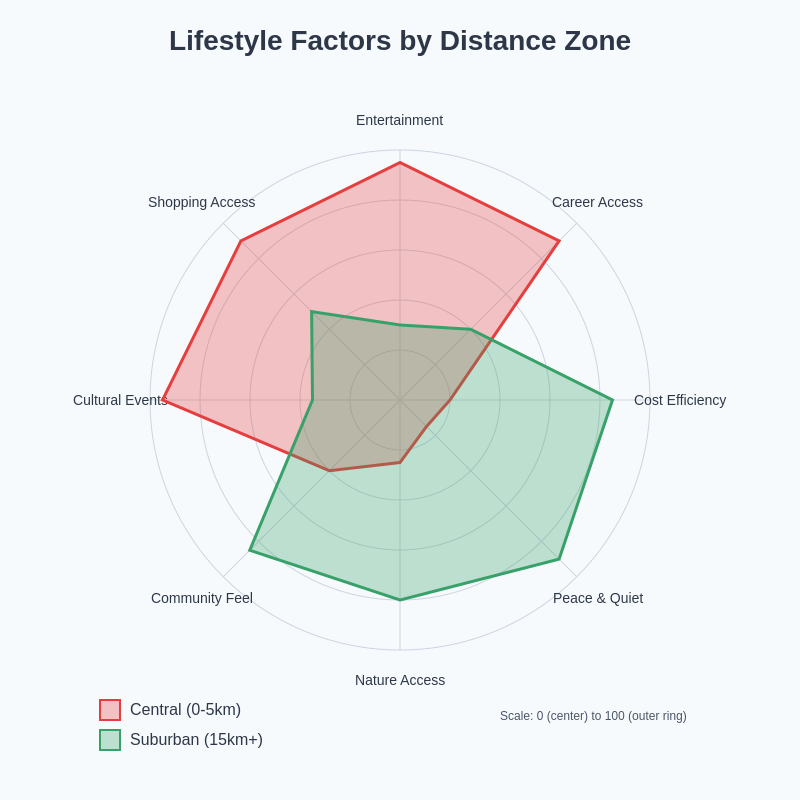
The concentration of international communities, cultural institutions, and entertainment venues in central Tokyo creates significant disparities in social access based on residential location. Central sharehouse residents benefit from immediate proximity to museums, theaters, concert venues, art galleries, and cultural festivals that form the backbone of Tokyo’s international cultural scene.
Making friends through Tokyo sharehouse communities reveals how central locations facilitate organic social connections through chance encounters, neighborhood events, and shared experiences that are less common in suburban areas where residents often commute away for work and entertainment. The density of international residents in central areas creates natural networking opportunities and cultural exchange experiences.
Language learning opportunities also vary significantly with distance from center, as central areas offer more English-language events, international meetups, and diverse conversation partner opportunities that accelerate cultural adaptation and Japanese language acquisition. Living with Japanese roommates in Tokyo sharehouses explores how suburban areas may provide more authentic Japanese cultural immersion through traditional neighborhood interactions and local community participation.
The pace of social life differs dramatically between zones, with central areas supporting spontaneous activities, last-minute plans, and high-energy social calendars, while suburban areas encourage planned activities, early evening schedules, and community-based social structures that appeal to different personality types and lifestyle preferences.
Professional and Career Development Impact
Career advancement opportunities often concentrate in central Tokyo through networking events, professional associations, industry conferences, and spontaneous business interactions that suburban residents may struggle to access regularly. The visibility and accessibility provided by central residence can accelerate career development through increased professional exposure and relationship building opportunities.
How to find perfect sharehouse Tokyo emphasizes how location choice affects long-term career trajectory through daily interaction patterns, professional network development, and access to industry events that often occur in central venues. The convenience of central living enables participation in early morning meetings, evening networking events, and weekend professional development activities without extensive travel planning.
Entrepreneurial activities and startup ecosystems cluster heavily in central Tokyo areas where co-working spaces, investor networks, and collaborative opportunities create supportive environments for business development. Suburban residence can limit access to these ecosystems while potentially providing quieter environments conducive to focused work and product development.
Industry-specific considerations affect location optimization, with creative industries, technology sectors, and international business concentrating in different central areas that may influence optimal sharehouse selection for career-focused residents. Understanding these industry clusters helps align residential choice with professional advancement strategies.
Lifestyle Quality and Daily Experience
The rhythm of daily life varies substantially across Tokyo’s distance zones, creating distinct lifestyle experiences that appeal to different personality types and life stage priorities. Central living supports high-stimulation lifestyles with constant entertainment options, diverse dining experiences, and cultural enrichment opportunities that satisfy residents seeking maximum urban engagement.
Japanese sharehouse rules every foreigner should know explains how house rules and community dynamics often reflect neighborhood characteristics, with central sharehouses typically accommodating busier schedules and more transient residents, while suburban houses may emphasize community building and longer-term relationship development.
Health and wellness considerations include air quality differences, noise pollution levels, green space access, and recreational facility availability that vary significantly with distance from center. Suburban areas often provide better access to parks, hiking trails, and outdoor activities that support physical health and stress reduction, while central areas offer more diverse fitness facilities and wellness services.
Sleep quality and stress management are affected by ambient noise levels, light pollution, and general stimulation intensity that increase toward central areas. Some residents thrive in high-energy environments while others require quieter surroundings for optimal rest and mental health maintenance.
Seasonal Variations and Weather Impact
Tokyo’s seasonal changes affect different zones differently, with central areas benefiting from urban heat island effects during winter but suffering increased temperatures during summer months. Suburban areas may experience more dramatic seasonal temperature variations while offering better access to seasonal activities like cherry blossom viewing, autumn foliage appreciation, and winter illumination events.
Rainy season impacts vary with urban density, as central areas provide extensive underground shopping networks and covered walkways that minimize weather exposure, while suburban areas may require more outdoor exposure during inclement weather. These considerations affect daily comfort and activity planning throughout the year.
Transportation reliability during severe weather events often favors central residents who can walk to destinations or access multiple transportation options when specific lines experience delays or closures. Suburban residents may face greater vulnerability to weather-related transportation disruptions that affect work attendance and social participation.
Technology and Infrastructure Access
Internet connectivity, mobile coverage, and digital infrastructure generally favor central areas where telecommunications companies prioritize service quality and speed upgrades. Understanding utility bills in Japanese sharehouses covers how infrastructure quality affects monthly utility costs and service reliability across different Tokyo zones.
Access to modern conveniences such as 24-hour convenience stores, delivery services, and digital payment acceptance varies with distance from center, affecting daily convenience and lifestyle flexibility. Central areas typically offer superior access to technology-dependent services that increasingly define modern urban living experiences.
Emergency services response times, medical facility access, and public safety infrastructure generally favor central areas through resource concentration and infrastructure investment priorities. These factors affect safety perception and actual security levels that influence overall living comfort and stress levels.
Long-term Adaptation and Satisfaction
Resident satisfaction patterns often evolve over time as initial excitement about central living may give way to fatigue from constant stimulation, while suburban residents may initially feel isolated but gradually appreciate community connections and peaceful environments. Understanding these adaptation cycles helps predict long-term satisfaction with location choices.
Real stories from Tokyo sharehouse residents reveals how location satisfaction often correlates with life stage, career phase, and personal development goals that change over time. Young professionals may prioritize central access while gradually shifting toward suburban tranquility as lifestyle preferences mature.
The flexibility to relocate within Tokyo’s sharehouse network allows residents to experiment with different distance zones while maintaining housing stability and community connections. This adaptability enables optimization of location choice as circumstances and preferences evolve throughout the Tokyo living experience.
Successful Tokyo residence often involves understanding that optimal distance from city center varies with individual circumstances, life goals, and personal preferences rather than following universal formulas. The key lies in honest self-assessment of priorities, realistic evaluation of trade-offs, and willingness to adapt as experiences and needs change over time.
Strategic Decision-Making Framework
Developing a systematic approach to evaluating distance trade-offs requires consideration of both quantifiable factors such as rent costs and commute times alongside qualitative elements including lifestyle preferences, career goals, and social needs. Creating weighted decision matrices can help objective evaluation of complex location choices.
Trial periods and temporary arrangements allow testing different distance zones before committing to long-term housing decisions. Many sharehouse operators offer flexible terms that enable location experimentation while maintaining housing security and community connections throughout the exploration process.
The optimal distance from city center ultimately depends on individual circumstances, personal priorities, and life stage considerations that require honest self-reflection and realistic assessment of both immediate needs and long-term goals. Success in Tokyo sharehouse living comes from aligning location choice with authentic personal preferences rather than following perceived social expectations or generic advice.
Disclaimer
This article is for informational purposes only and does not constitute professional advice. Tokyo’s urban development and transportation systems continue evolving, and specific conditions may vary by season, economic factors, and individual circumstances. Readers should conduct personal research and consider their unique situations when making housing location decisions. The experiences described may not apply universally to all residents or time periods.