Drug-related problems in sharehouses represent one of the most serious threats to resident safety, community well-being, and legal standing that can fundamentally transform a peaceful living environment into a dangerous and legally precarious situation. The impact extends far beyond individual users, creating ripple effects that endanger every resident, compromise property security, and potentially expose all occupants to severe legal consequences under Japan’s strict drug enforcement laws.
Understanding these risks becomes crucial for anyone considering or currently living in shared accommodation, as the presence of illegal substances can escalate quickly from minor infractions to serious criminal investigations that affect entire households. The interconnected nature of sharehouse living means that individual choices regarding drug use create collective vulnerabilities that no resident can entirely escape or ignore.
Understanding Japan’s Zero-Tolerance Drug Laws
Japan maintains some of the world’s strictest drug enforcement policies, with zero-tolerance approaches that make no distinction between casual use and serious distribution when imposing penalties. Why drug policies are strictly enforced reflects the cultural and legal framework that treats any involvement with illegal substances as a serious criminal matter requiring immediate intervention and punishment.
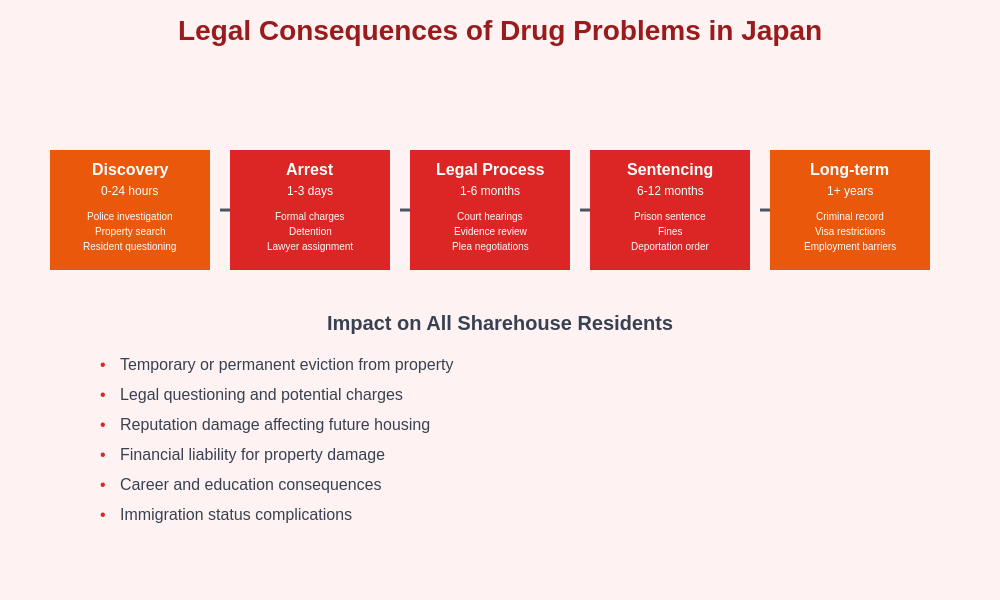
The legal consequences for drug-related offenses in Japan include immediate arrest, extended detention periods without bail, potential deportation for foreign residents, permanent criminal records that affect future visa applications, and complete prohibition from re-entering the country. These penalties apply regardless of the substance quantity, personal use claims, or previous criminal history, making any involvement extremely risky for international residents.
Cannabis, stimulants, psychedelics, and even some prescription medications available legally in other countries fall under strict prohibition in Japan, creating potential legal problems for residents who may not fully understand which substances are considered illegal. The possession, use, distribution, or even knowledge of illegal drugs without reporting can result in serious criminal charges that destroy careers, relationships, and future opportunities.
Law enforcement agencies actively monitor sharehouse communities and respond aggressively to any reports or suspicions of drug activity, often conducting comprehensive searches that affect all residents regardless of their personal involvement or knowledge of illegal activities occurring within the property.
Physical Safety Risks and Health Hazards
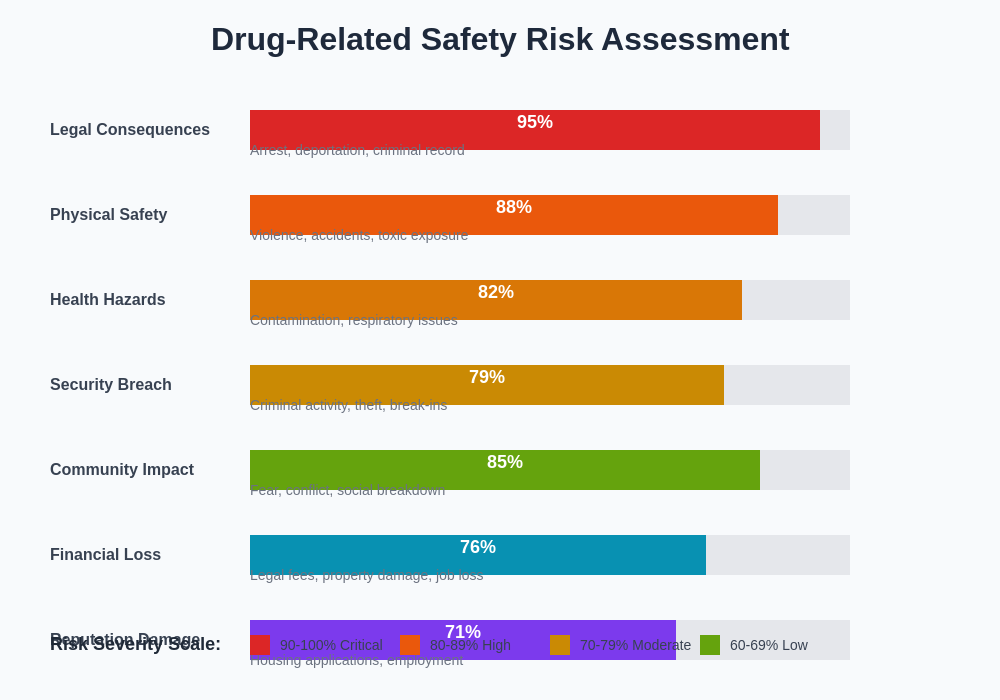
Drug use and distribution activities create numerous physical dangers that extend throughout sharehouse environments, affecting air quality, structural safety, and general health conditions for all residents. The manufacturing, storage, and consumption of illegal substances introduces toxic chemicals, fire hazards, and contamination risks that can persist long after the initial activities have ceased.
Secondhand exposure to drug smoke, vapors, and residual chemicals can cause respiratory problems, allergic reactions, and long-term health complications for residents who never chose to consume these substances themselves. How air quality problems develop in crowded spaces becomes particularly concerning when illegal substances contribute additional toxins to already challenging ventilation situations.
The behavioral effects of drug use create unpredictable situations where impaired judgment, aggressive behavior, and erratic actions can lead to accidents, violence, and property damage that endangers everyone in the immediate vicinity. Residents under the influence may leave cooking appliances unattended, prop doors open for unauthorized visitors, or engage in risky behaviors that compromise building security and safety protocols.
Equipment and paraphernalia associated with drug use often include sharp objects, heating elements, chemical containers, and electronic devices that create fire hazards, injury risks, and toxic exposure possibilities that affect shared living spaces and storage areas throughout the property.
Security Vulnerabilities and Criminal Activity
Drug-related activities attract criminal networks and dangerous individuals who view sharehouses as convenient locations for storage, distribution, and consumption activities that bring violence, theft, and ongoing security threats into residential communities. Why stranger access compromises security becomes amplified when drug users invite dealers, suppliers, and other criminal associates into shared living environments.
The presence of valuable illegal substances creates incentives for theft, break-ins, and violent confrontations that can occur at any time without warning to innocent residents who may become targets simply because they live in the same building. Drug dealers and users often carry large amounts of cash, expensive electronics, and other valuable items that attract additional criminal attention to the entire property.
Compromised building access, disabled security systems, and intentionally hidden activities create ongoing vulnerabilities that persist even after specific incidents are resolved, as criminal networks often maintain surveillance and return to previously successful locations for future activities.
The unpredictable schedules and secretive behaviors associated with drug activities disrupt normal security protocols and make it difficult for residents and management to maintain effective monitoring and protection systems that rely on predictable patterns and cooperative community participation.
Impact on Community Dynamics and Mental Health
Drug problems fundamentally alter the social environment within sharehouses, creating atmospheres of fear, suspicion, and conflict that destroy the positive community dynamics that make shared living attractive and beneficial for international residents. How domestic violence incidents affect everyone demonstrates how individual behavioral problems cascade through entire communities, and drug-related issues follow similar destructive patterns.
Trust between residents erodes quickly when drug use becomes apparent, as community members begin questioning each other’s actions, monitoring suspicious behaviors, and withdrawing from social interactions that previously fostered friendship and cultural exchange opportunities. The stress and anxiety created by living in potentially dangerous environments affects sleep quality, academic performance, work productivity, and overall mental health for all residents.
Normal house activities become complicated by the need to avoid confrontation with drug users, navigate around paraphernalia and contaminated areas, and manage the ongoing uncertainty about when law enforcement actions might occur that could affect everyone living in the property.
The reputation damage associated with drug-related incidents affects all residents’ ability to maintain professional relationships, academic standing, and future housing applications, as property managers and employers often view any connection to drug activities as disqualifying regardless of individual innocence or involvement.
Financial Consequences and Legal Liabilities
Drug-related incidents create significant financial burdens that affect all sharehouse residents through increased insurance premiums, property damage costs, legal fees, and potential civil liability for damages caused by illegal activities on the premises. Why security deposits don’t cover actual damages becomes particularly relevant when drug-related damage includes specialized cleaning, decontamination, and structural repairs that exceed normal wear and tear allowances.
Law enforcement investigations often result in property seizure, extended access restrictions, and mandatory safety inspections that prevent normal use of the building while creating ongoing rental obligations for residents who cannot actually occupy their rooms. The legal costs associated with defending against drug-related charges, even for innocent residents, can reach tens of thousands of dollars and require specialized legal representation.
Insurance policies typically exclude coverage for damages related to illegal activities, leaving residents personally liable for repair costs, medical expenses, and property replacement that can create long-term financial hardship and debt obligations that persist long after the immediate crisis has been resolved.
Employment consequences for residents connected to drug-related incidents can include job loss, security clearance revocation, and permanent career limitations that reduce earning potential and create ongoing financial instability that affects housing options and life opportunities for years into the future.
Early Warning Signs and Risk Assessment
Recognizing the early indicators of potential drug problems enables residents to take protective action before situations escalate into dangerous or legally compromising circumstances that could affect their safety, legal status, and future opportunities. Why some residents become social outcasts often includes behavioral changes that may indicate substance abuse issues requiring attention and intervention.
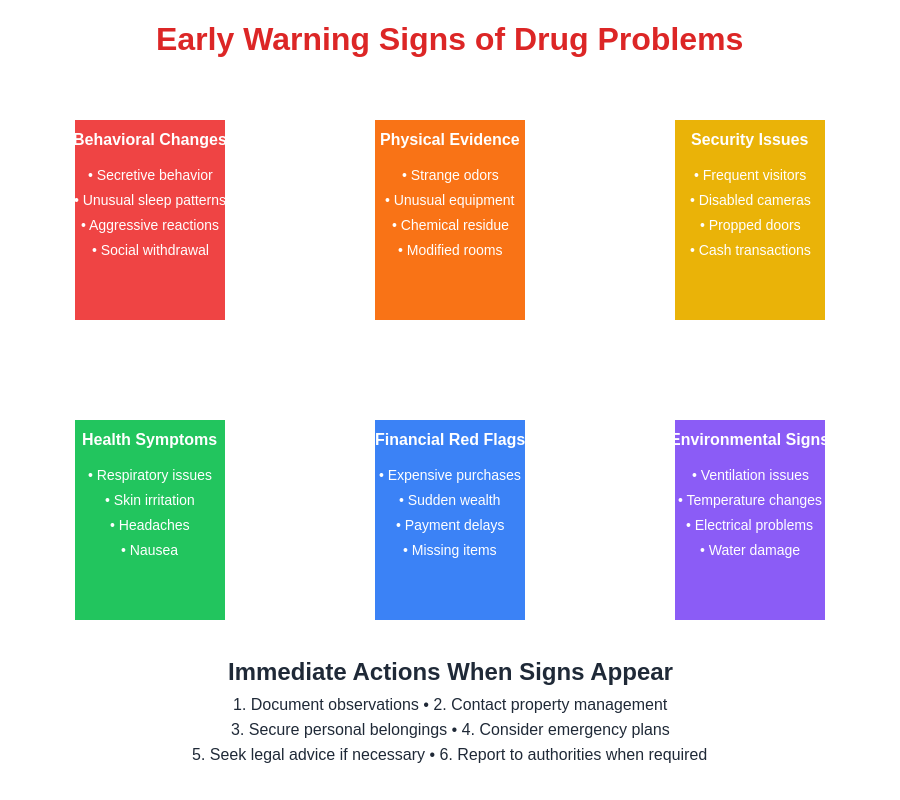
Unusual odors, secretive behaviors, frequent late-night visitors, cash-only transactions, excessive privacy measures, and dramatic personality changes in residents can signal developing drug-related problems that require careful monitoring and potentially professional intervention to prevent escalation into dangerous situations.
Changes in common area usage patterns, missing personal items, damaged property, and altered security arrangements often indicate that illegal activities may be occurring within the building, requiring residents to document these changes and consider protective measures for their personal safety and legal protection.
The presence of unfamiliar individuals, unusual equipment, modified electrical systems, and chemical odors should prompt immediate consultation with property management and potentially law enforcement agencies to prevent situations from developing into serious safety hazards or legal complications.
Prevention Strategies and Protective Measures
Effective prevention requires proactive communication with property management, clear understanding of house rules and legal obligations, and development of personal safety protocols that protect residents from involvement in drug-related activities while maintaining their rights and safety within the shared living environment.
How to handle roommate conflicts without moving out provides frameworks for addressing concerning behaviors before they escalate, but drug-related issues often require immediate professional intervention rather than resident-to-resident conflict resolution approaches that may be inappropriate or dangerous.
Maintaining detailed records of suspicious activities, securing personal belongings, establishing emergency communication protocols, and developing evacuation plans helps residents protect themselves if drug-related incidents occur while providing documentation that may be valuable for legal protection and insurance claims.
Building relationships with local law enforcement, understanding reporting procedures, and knowing legal rights and obligations helps residents navigate complex situations while protecting their interests and contributing to community safety in appropriate and effective ways.
Emergency Response and Crisis Management
When drug-related incidents occur in sharehouses, immediate and appropriate response becomes critical for minimizing harm to residents while protecting their legal interests and physical safety during potentially dangerous and legally complex situations. How emergency medical situations are handled provides general frameworks, but drug-related emergencies require specialized approaches that account for legal implications and safety concerns.
Medical emergencies involving drug overdoses require immediate professional intervention, but residents must balance the need for medical assistance with awareness that emergency responders are legally required to report drug-related incidents to law enforcement agencies, potentially creating legal consequences for all residents.
Evacuation procedures become necessary when drug manufacturing, violent confrontations, or law enforcement raids create immediate dangers that require residents to leave the building quickly while ensuring their personal safety and protecting their belongings from damage or confiscation during chaotic situations.
Communication with family, employers, and academic institutions may become necessary when drug-related incidents affect residents’ ability to maintain normal schedules, access their living spaces, or avoid legal complications that could impact their professional and academic standing.
Long-term Recovery and Community Healing
Recovery from drug-related incidents in sharehouses requires comprehensive approaches that address both immediate safety concerns and long-term community healing processes that restore trust, safety, and positive living environments for remaining residents. Why some residents feel constantly judged reflects the ongoing social challenges that persist after serious incidents have been resolved.
Professional decontamination, security system upgrades, revised screening procedures, and enhanced monitoring protocols help restore physical safety and security, but addressing the psychological impact on residents requires time, support, and often professional counseling services to process traumatic experiences and rebuild confidence in the living environment.
Rebuilding community trust requires transparent communication about policy changes, ongoing safety measures, and commitment to preventing future incidents while respecting residents’ privacy rights and avoiding punitive measures that affect innocent community members who were not involved in drug-related activities.
The reputation repair process for sharehouses affected by drug incidents often takes months or years and requires consistent demonstration of improved safety measures, resident screening procedures, and management responsiveness that rebuilds confidence among prospective residents and community stakeholders.
Legal Rights and Tenant Protections
Understanding legal rights and available protections helps residents navigate drug-related incidents while minimizing personal liability and protecting their interests during investigations, property searches, and potential legal proceedings that may affect their housing situation and legal status. How legal disputes get resolved in sharehouses provides general frameworks that apply to various legal situations including drug-related complications.
Tenants have rights to safe living environments, privacy protections, and due process during investigations, but these rights must be balanced against law enforcement authority and property management obligations that may restrict access and normal use of the building during active investigations.
Legal representation becomes essential when residents face potential charges, deportation proceedings, or civil liability claims related to drug activities that occurred in their living environment, regardless of their personal involvement or knowledge of illegal activities.
Documentation of personal innocence, cooperation with authorities, and evidence of proactive safety measures can provide important legal protection and demonstrate good faith efforts to maintain lawful behavior and community safety standards.
The intersection of drug-related problems and sharehouse safety represents one of the most serious challenges facing shared living communities in Japan, requiring vigilant prevention efforts, immediate response capabilities, and comprehensive recovery strategies that protect residents while preserving the benefits of international community living. Through understanding these risks and implementing appropriate protective measures, residents can maintain their safety while contributing to positive community environments that support cultural exchange and personal growth within the legal and safety frameworks that govern life in Japan.
Disclaimer
This article is for informational and educational purposes only and does not constitute legal advice. Drug laws and enforcement procedures in Japan are subject to change, and specific circumstances may affect individual situations differently. Readers should consult with qualified legal professionals for advice regarding their specific situations. The information provided reflects general understanding of drug-related safety issues and should not be considered comprehensive legal guidance or professional safety recommendations.