Living in Tokyo means accepting the reality of earthquakes as a constant presence in daily life, and for international residents in sharehouses, understanding building safety becomes a matter of survival rather than mere curiosity. Earthquake drills, mandated by Japanese law and conducted regularly throughout Tokyo’s residential buildings, serve as unexpected diagnostic tools that reveal critical structural deficiencies, emergency preparedness gaps, and management oversight issues that could prove life-threatening during actual seismic events.
The process of participating in these mandatory safety exercises exposes residents to sobering realities about their living environment that promotional materials and casual inspections rarely reveal. Through systematic observation during drill procedures, residents gain invaluable insights into evacuation route adequacy, structural integrity indicators, emergency equipment functionality, and coordination capabilities that directly impact their safety and survival prospects during genuine earthquake emergencies.
Understanding Japan’s Earthquake Drill Requirements
Japanese building codes mandate regular earthquake preparedness exercises for all residential facilities housing multiple tenants, with sharehouses falling under strict compliance requirements that vary based on building size, occupancy levels, and local municipal regulations. These drills must occur at predetermined intervals throughout the year, typically quarterly or biannually, and involve comprehensive testing of evacuation procedures, emergency communication systems, and safety equipment functionality.
Why earthquake preparedness varies by Tokyo area becomes evident during these mandatory exercises, as different districts implement varying standards and enforcement levels that directly affect resident safety outcomes. Building managers and property operators must document drill participation, evacuation times, and identified deficiencies to maintain compliance with local fire department and emergency management agency requirements.
The legal framework governing these drills extends beyond simple evacuation practice to encompass comprehensive emergency response testing that includes communication protocols, medical emergency procedures, and coordination with local emergency services. Sharehouse operators who fail to conduct regular drills face significant legal penalties and potential liability issues that could affect insurance coverage and operational licensing status.
Identifying Structural Vulnerabilities During Evacuation Procedures
The physical act of evacuation during earthquake drills immediately exposes critical structural weaknesses that remain invisible during normal daily activities but become potentially fatal obstacles during emergency situations. Narrow stairwells, inadequate handrail support, uneven flooring surfaces, and poor lighting conditions create bottleneck situations and fall hazards that multiply exponentially when dozens of residents attempt simultaneous evacuation under stress conditions.
Older sharehouse buildings converted from alternative uses often reveal alarming structural modifications during drill procedures, including blocked emergency exits, compromised load-bearing walls, and inadequate fire-resistant materials that fail to meet current safety standards. Why some buildings lack proper ventilation becomes critically apparent when evacuation routes pass through poorly ventilated areas that could trap smoke or toxic gases during fire-related emergencies following seismic events.
Door and window accessibility issues surface prominently during timed evacuation exercises, with residents discovering that security measures designed to prevent break-ins also prevent rapid emergency egress. Heavy security doors, barred windows, and complex locking mechanisms that require keys or special procedures create dangerous delays that could prove fatal during actual earthquake situations when seconds determine survival outcomes.
Foundation settling and structural movement evidence becomes visible during drill procedures as residents notice doors that stick, windows that don’t open properly, and floor surfaces that have developed cracks or uneven areas indicating potential structural instability that could worsen catastrophically during seismic activity.
Emergency Communication System Failures
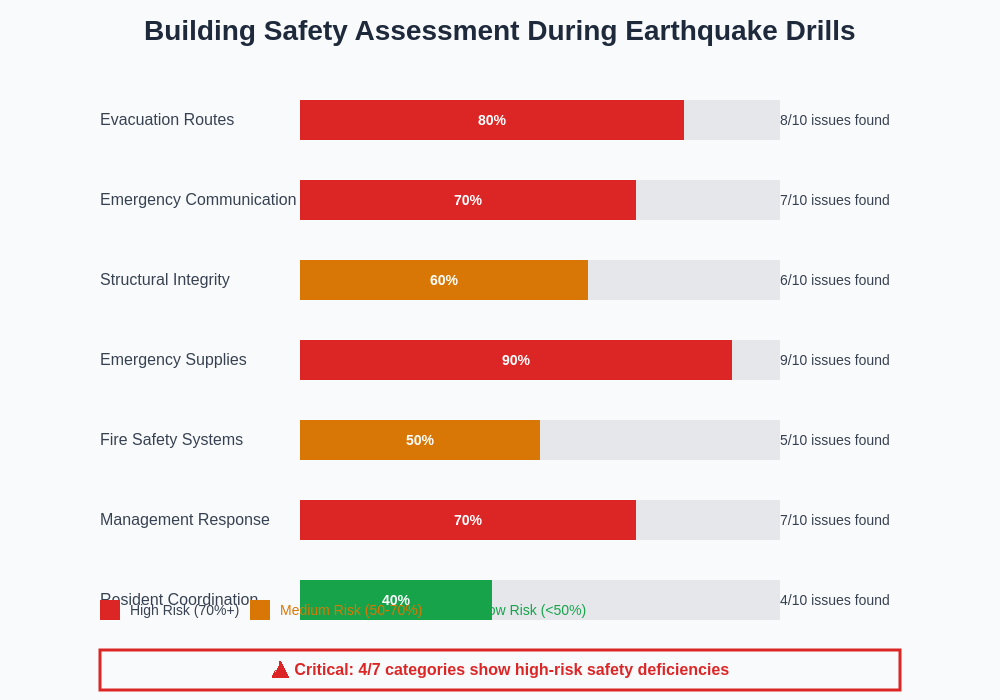
Earthquake drills consistently expose fundamental communication breakdowns between building management, residents, and emergency services that reveal dangerous gaps in emergency coordination capabilities. Public address systems frequently malfunction during drill conditions, leaving residents without critical information about evacuation routes, assembly points, or changing emergency conditions that could affect their safety decisions.
Why emergency communication plans often fail becomes starkly apparent when drill scenarios test the reliability of emergency notification systems under stress conditions. Language barriers compound communication failures as emergency announcements delivered only in Japanese exclude international residents from critical safety information, creating dangerous confusion and delayed response times during evacuation procedures.
Cell phone network reliability during emergency conditions proves unreliable during comprehensive drill exercises that simulate actual earthquake conditions, with residents discovering that their primary communication methods become useless precisely when emergency coordination becomes most critical. Building-based communication systems often lack adequate backup power supplies, rendering them inoperative during extended power outages that commonly accompany major seismic events.
Emergency contact procedures reveal systematic failures in resident information management, with building operators frequently maintaining outdated emergency contact lists, missing medical information, and inadequate documentation of resident capabilities and limitations that could affect evacuation assistance requirements during actual emergencies.
Inadequate Emergency Supply Management
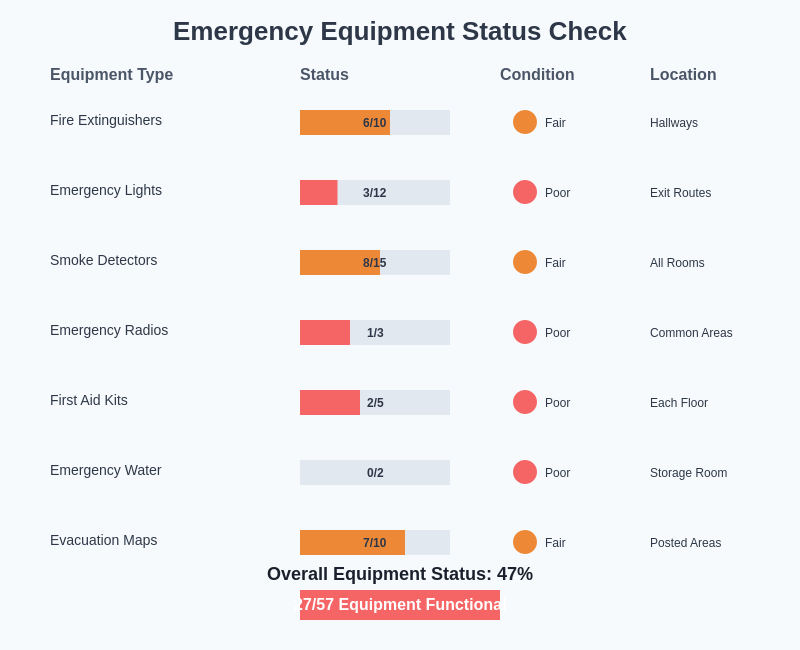
Regular earthquake drills expose shocking deficiencies in emergency supply storage, distribution systems, and inventory management that leave residents dangerously unprepared for extended emergency situations following major seismic events. Emergency water supplies often prove inadequate for actual resident populations, with storage containers frequently empty, contaminated, or inaccessible during drill conditions that simulate real emergency access limitations.
Medical supply availability and accessibility issues surface during drill exercises as residents discover that first aid stations lack basic medical supplies, medications have expired, or storage locations remain locked and inaccessible to residents who might need immediate medical assistance during actual emergencies. Why first aid training should be mandatory becomes evident when drill scenarios reveal that few residents possess basic medical knowledge necessary for treating earthquake-related injuries.
Emergency food supplies frequently prove to be inadequate, expired, or culturally inappropriate for diverse international resident populations with dietary restrictions and cultural food requirements that could affect their ability to maintain nutrition during extended emergency situations. Storage conditions often compromise food safety, with supplies stored in areas subject to moisture, temperature extremes, or pest contamination that render them unsafe for consumption during emergencies.
Emergency equipment functionality testing during drills reveals systematic maintenance failures affecting flashlights with dead batteries, emergency radios that don’t function, and safety equipment that has deteriorated beyond usefulness due to lack of regular inspection and replacement protocols.
Evacuation Route Bottlenecks and Capacity Issues
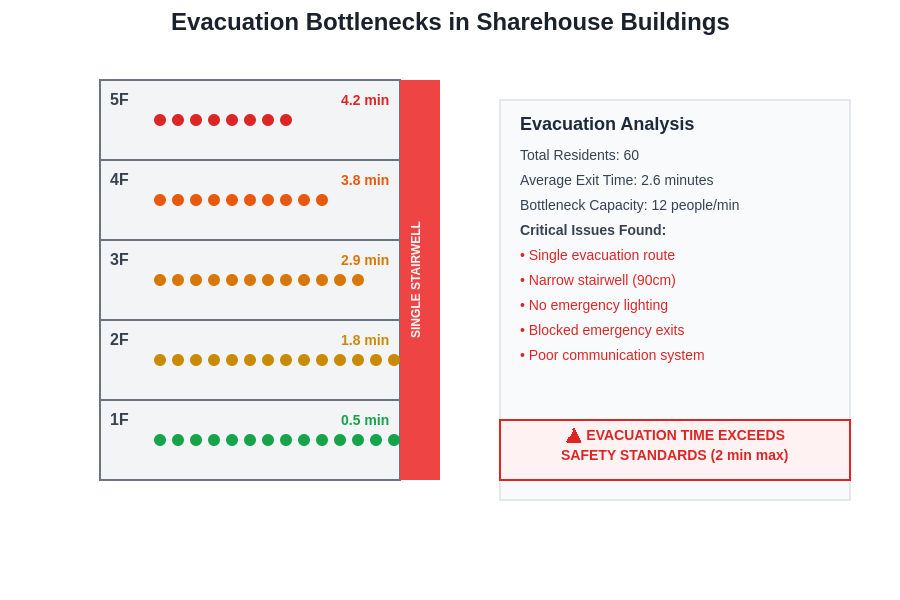
Timed evacuation exercises consistently demonstrate that sharehouse evacuation routes cannot accommodate the rapid egress of all residents simultaneously, creating dangerous bottleneck conditions that could prove fatal during actual earthquake emergencies when panic and injury complications further impede movement. Single-stairwell buildings create particularly hazardous conditions where any obstruction completely blocks evacuation for residents on upper floors.
Morning bathroom queues are inevitable in sharehouses provides a daily reminder of capacity limitations that multiply catastrophically during emergency evacuation when every resident must use the same limited egress routes simultaneously under time-critical conditions. Narrow hallways designed for individual passage become death traps when dozens of panicked residents attempt evacuation simultaneously.
Emergency exit accessibility proves inadequate during drill conditions, with locked exits, blocked passageways, and exits that require special tools or knowledge to operate properly creating dangerous delays and confusion during evacuation attempts. Many sharehouses feature exits that are routinely blocked by bicycles, storage items, or furniture that residents assume will be moved during emergencies but remain as obstacles during drill exercises.
Capacity calculations for designated assembly areas frequently prove unrealistic during actual drill exercises, with outdoor spaces unable to safely accommodate all building residents during adverse weather conditions or in areas with limited space adjacent to busy Tokyo streets where traffic creates additional safety hazards for evacuated residents.
Fire Safety System Integration Problems
Earthquake drills reveal critical integration failures between seismic safety systems and fire prevention equipment that create compound emergency situations requiring different response strategies that often conflict with each other. Fire suppression systems frequently malfunction during seismic simulation conditions, with sprinkler systems failing to activate properly or creating water damage that impedes evacuation efforts during earthquake scenarios.
Why kitchen fire safety becomes critical becomes apparent during comprehensive earthquake drill scenarios that simulate the common occurrence of fire emergencies following seismic events, when cooking equipment, electrical systems, and gas lines frequently suffer damage that creates immediate fire hazards requiring simultaneous earthquake and fire response procedures.
Smoke detection and alarm systems often prove inadequate during drill conditions, with sensors that fail to function properly, alarm volumes that cannot be heard over earthquake drill noise, or systems that create false alarms during seismic simulation exercises, leading to resident confusion about appropriate response procedures during actual emergency conditions.
Emergency lighting systems consistently fail during comprehensive drill exercises, leaving residents attempting evacuation in dark conditions that simulate post-earthquake power outages but reveal inadequate battery backup systems, insufficient lighting coverage in critical evacuation routes, and emergency lighting that fails to provide adequate illumination for safe movement during actual emergency conditions.
Building Age and Maintenance Deficiency Revelations
Earthquake drill exercises in older Tokyo sharehouses expose alarming maintenance deferrals and structural deterioration that building operators routinely conceal through cosmetic improvements that mask serious safety deficiencies affecting earthquake resistance and emergency egress capabilities. Paint and surface treatments often hide structural cracks, water damage, and material deterioration that compromise building integrity during seismic events.
Why some buildings lack environmental features becomes critically relevant during earthquake drills when environmental control systems failure during emergency conditions reveals that buildings lack adequate ventilation, climate control, and air filtration capabilities necessary for extended emergency shelter situations following major seismic events.
Electrical system inadequacies surface during drill conditions when emergency power requirements exceed building electrical capacity, revealing outdated wiring systems that cannot support emergency lighting, communication systems, and essential equipment simultaneously during extended power outage conditions following earthquake events.
Plumbing and water system vulnerabilities become apparent during comprehensive drill exercises that simulate post-earthquake utility disruptions, exposing buildings with inadequate water storage, backup sanitation systems, and emergency water distribution capabilities necessary for maintaining basic health and safety during extended emergency situations.
Management Response and Preparedness Gaps
Regular earthquake drills consistently expose fundamental failures in building management emergency response capabilities, with property operators frequently demonstrating inadequate training, poor emergency coordination skills, and insufficient understanding of their legal responsibilities during actual earthquake emergencies. Management personnel often appear confused about their roles, lack necessary emergency contact information, and demonstrate poor decision-making capabilities during drill scenarios.
Why emergency evacuation plans are often unclear becomes evident when building management fails to provide clear, consistent instructions during drill exercises, creating confusion and potentially dangerous situations where residents receive conflicting information about appropriate emergency response procedures and evacuation routes.
Record-keeping and documentation deficiencies surface during post-drill review processes, with management frequently unable to account for all residents during evacuation exercises, lacking accurate resident counts, and maintaining inadequate emergency contact information necessary for coordinating with families and emergency services during actual earthquake events.
Resource allocation priorities become apparent during drill exercises when management demonstrates greater concern for property protection than resident safety, focusing on securing building assets rather than ensuring effective evacuation procedures and resident welfare during emergency situations.
Resident Cooperation and Cultural Communication Challenges
International resident populations in Tokyo sharehouses face unique challenges during earthquake drill exercises that expose cultural communication barriers, different emergency response training backgrounds, and varying levels of earthquake preparedness experience that can create dangerous coordination problems during actual seismic events. Language barriers prevent effective communication of emergency procedures and safety information to non-Japanese speaking residents.
Why cultural differences affect friendship building extends to emergency cooperation during earthquake drill situations where different cultural approaches to authority, group coordination, and emergency response create confusion and potentially dangerous conflicts during evacuation procedures and emergency assembly situations.
Emergency response training variations among international residents create coordination challenges during drill exercises, with residents from different countries bringing varying levels of earthquake preparedness knowledge and different emergency response protocols that may conflict with Japanese emergency procedures and evacuation strategies.
Physical capability variations among diverse resident populations become apparent during timed evacuation exercises, revealing that emergency plans frequently fail to account for residents with mobility limitations, medical conditions, or physical restrictions that require special assistance during evacuation procedures but lack adequate support systems during actual emergency conditions.
Post-Drill Assessment and Improvement Implementation
The systematic evaluation process following earthquake drill exercises often reveals that identified safety deficiencies and structural weaknesses receive inadequate attention from building management, with critical issues documented but not addressed through necessary repairs, system improvements, or procedural changes that could prevent casualties during actual earthquake events.
How to spot financial red flags in sharehouse contracts extends to evaluating whether building operators invest adequate resources in safety improvements and emergency preparedness enhancements identified during drill exercises, or whether cost-cutting measures compromise resident safety and building emergency response capabilities.
Follow-up drill scheduling and improvement verification processes frequently prove inadequate, with building operators failing to conduct additional drills to test implemented improvements, verify that identified deficiencies have been corrected, or ensure that residents understand updated emergency procedures resulting from post-drill safety enhancements.
Documentation and reporting requirements often receive minimal compliance from building operators who view earthquake drills as bureaucratic obligations rather than genuine safety assessment opportunities, resulting in inadequate record-keeping that prevents proper evaluation of building safety improvements and emergency preparedness enhancement over time.
The sobering realities exposed through mandatory earthquake drill participation provide international residents with critical information necessary for making informed decisions about their accommodation safety and emergency preparedness in Tokyo’s seismically active environment. Understanding these revealed weaknesses empowers residents to take personal safety measures, advocate for necessary building improvements, and make educated choices about their long-term housing security in one of the world’s most earthquake-prone metropolitan areas. The insights gained from these exercises represent invaluable knowledge that could determine survival outcomes during actual seismic emergencies, making participation and careful observation essential responsibilities for anyone living in Tokyo’s sharehouse accommodations.
Disclaimer
This article is for informational purposes only and does not constitute professional safety or structural engineering advice. Emergency preparedness requirements and building safety standards are subject to local regulations and may vary by location and building type. Readers should consult with relevant authorities and professional safety experts regarding specific building safety concerns. The effectiveness of emergency procedures may vary depending on individual circumstances and actual emergency conditions.