Emergency communication plans in Tokyo sharehouses consistently demonstrate alarming failure rates during actual crisis situations, leaving international residents vulnerable and isolated precisely when coordinated response becomes most critical. The gap between theoretical emergency protocols and real-world implementation reveals systemic weaknesses that compound during high-stress situations, creating dangerous scenarios where residents cannot effectively communicate with each other, property managers, or emergency services when disasters strike.
The complexity of emergency communication in multicultural shared living environments extends far beyond simple language barriers, encompassing technological dependencies, cultural response differences, and organizational structures that often crumble under pressure. Understanding these failure patterns becomes essential for residents who must navigate Japanese sharehouse rules every foreigner should know while preparing for scenarios where standard protocols may prove inadequate or completely inoperative.
The Illusion of Preparedness in Sharehouse Emergency Planning
Most Tokyo sharehouses present residents with comprehensive emergency communication documents during move-in procedures, creating a false sense of security that masks fundamental structural weaknesses in crisis response capabilities. These documents typically outline clear hierarchies, contact procedures, and evacuation protocols that appear thorough on paper but fail to account for the dynamic realities of emergency situations where multiple systems can simultaneously malfunction.
Property management companies often design emergency plans around ideal scenarios that assume perfect conditions including functioning telecommunications, accessible building infrastructure, and rational decision-making by panicked residents. Emergency contact systems work in practice reveals how theoretical frameworks struggle against the chaotic nature of actual emergencies where multiple variables interact unpredictably.
The standardization of emergency procedures across different sharehouse properties creates additional vulnerabilities, as generic protocols fail to account for specific building characteristics, neighborhood risks, or resident demographics that significantly influence emergency response effectiveness. Many sharehouses simply adapt templates without conducting site-specific assessments or resident-specific training that would identify critical gaps in their communication strategies.
International residents often receive emergency information in simplified formats that omit crucial details about local emergency services, cultural expectations during disasters, and alternative communication methods that become essential when primary systems fail. This oversimplification creates dangerous knowledge gaps that emerge precisely when comprehensive understanding becomes most vital for survival and coordination.
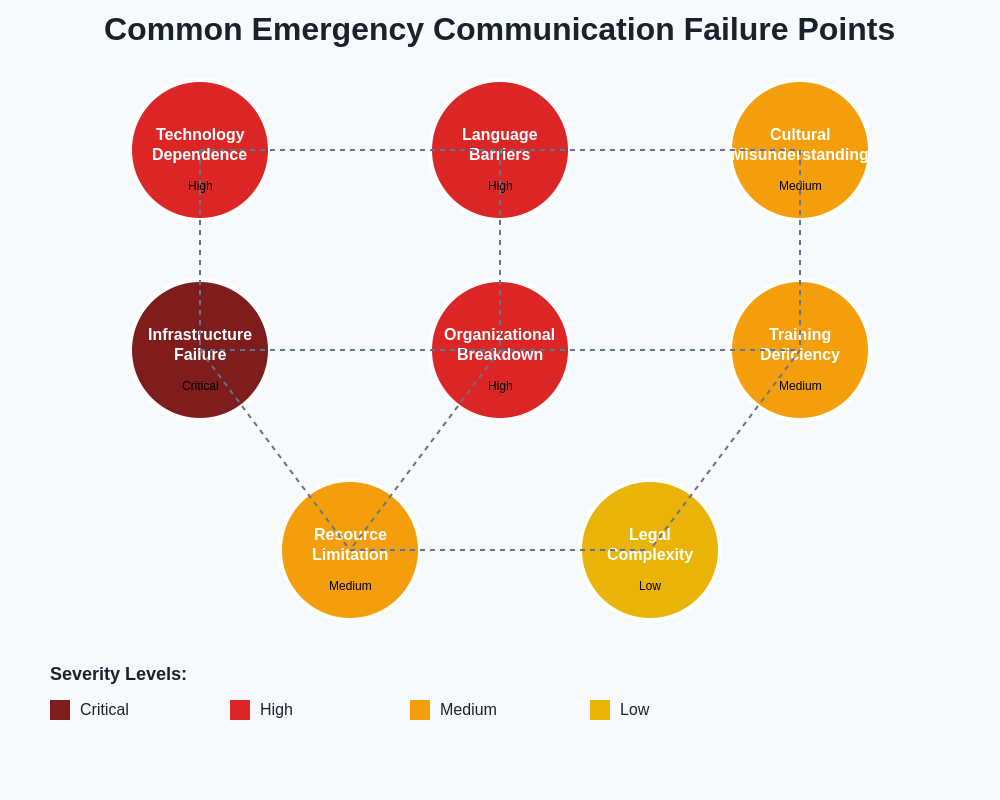
Language Barriers That Multiply During Crisis Situations
Emergency communication failures in Tokyo sharehouses often stem from language complexities that exponentially increase during high-stress situations when clear communication becomes most critical for safety and coordination. Japanese emergency terminology, official announcements, and evacuation instructions use specialized vocabulary that even intermediate language learners struggle to comprehend under normal conditions, let alone during panic-inducing scenarios.
The assumption that English-speaking house managers or residents can effectively translate emergency information in real-time proves consistently unreliable during actual crises when those individuals may be unavailable, overwhelmed, or dealing with their own emergency situations. Living with Japanese roommates in Tokyo sharehouses highlights communication challenges that become exponentially more dangerous during emergencies when misunderstanding can have life-threatening consequences.
Cultural differences in emergency response behavior create additional communication breakdowns, as residents from different backgrounds may interpret instructions, urgency levels, and appropriate actions in conflicting ways that lead to confusion and potentially dangerous delays. What appears as clear guidance to residents from one cultural background may seem ambiguous or contradictory to others, creating communication failures that spread throughout the house community.
Emergency services in Tokyo operate primarily in Japanese, requiring residents to navigate complex linguistic barriers precisely when stress levels peak and cognitive function often decreases. Phone-based emergency communication becomes particularly challenging for non-native speakers who must convey urgent information about location, situation, and required assistance while potentially dealing with noise, panic, and time pressure that makes clear communication extremely difficult.
Technology Dependencies and Digital Failure Points
Modern sharehouse emergency communication plans rely heavily on digital technologies that demonstrate critical vulnerabilities during the exact scenarios when they become most essential for resident safety and coordination. Smartphone applications, messaging platforms, and internet-dependent communication systems often fail simultaneously during large-scale emergencies due to network overload, power outages, or infrastructure damage that eliminates multiple communication channels at once.
The assumption that residents will have charged devices, functional data connections, and familiarity with emergency apps proves problematic during extended crisis situations when power supplies become unreliable and cellular networks experience overwhelming demand. Emergency evacuation plans are often unclear demonstrates how technological dependencies create single points of failure that can isolate entire sharehouse communities when they most need external communication and coordination.
Social media platforms and messaging applications that work effectively for routine communication often become unreliable during emergencies due to server overload, service interruptions, or intentional restrictions implemented by authorities managing crisis communications. Residents accustomed to instant digital communication may find themselves unable to reach housemates, family members, or emergency services through their normal channels.
Battery life limitations compound during extended emergency situations when charging opportunities become scarce and communication needs increase dramatically. Emergency plans that assume continuous device functionality fail to account for power management challenges that can leave residents incommunicado precisely when ongoing coordination becomes essential for safety and group decision-making.
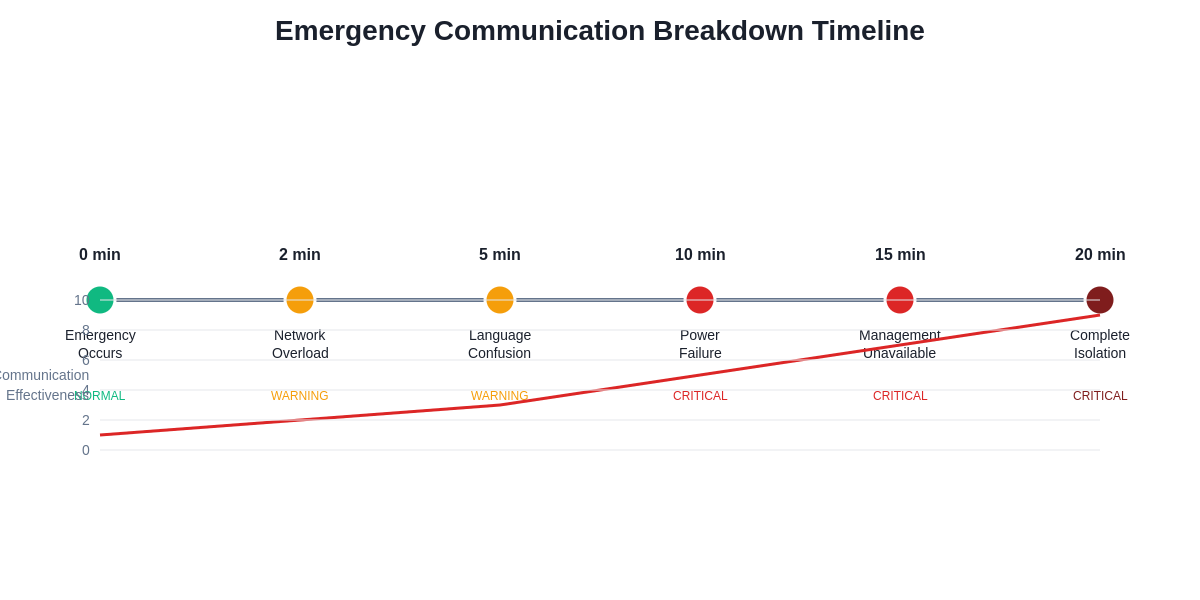
The cascade effect of communication failures accelerates rapidly once initial systems begin failing, creating a compounding crisis where each breakdown makes subsequent coordination increasingly difficult and dangerous.
Organizational Breakdown Under Pressure
Sharehouse emergency communication structures typically assume clear hierarchies and decision-making processes that frequently collapse under the psychological and logistical pressures of actual emergency situations. Designated emergency coordinators may be unavailable, overwhelmed, or psychologically incapable of fulfilling their assigned roles when crisis scenarios exceed their preparation or emotional capacity to respond effectively.
The democratic decision-making processes common in sharehouse communities become problematic during emergencies when rapid, authoritative communication becomes essential for resident safety and effective response coordination. How to handle roommate conflicts without moving out explores interpersonal dynamics that become exponentially more complex when residents must make life-affecting decisions under extreme time pressure and stress.
Property management companies often maintain emergency communication responsibilities for multiple properties simultaneously, creating resource allocation problems during large-scale disasters when many buildings require attention simultaneously. This distributed responsibility model frequently results in communication delays, conflicting information, and inadequate support precisely when sharehouses need immediate, focused assistance from experienced emergency management personnel.
International residents may struggle with Japanese bureaucratic communication styles and formal emergency procedures that require specific cultural knowledge and linguistic capabilities to navigate effectively. The formal, hierarchical nature of Japanese emergency response can create barriers for residents accustomed to more direct, informal communication patterns during crisis situations.
Infrastructure Vulnerabilities and Environmental Factors
Tokyo’s sharehouse emergency communication plans often underestimate the vulnerability of communication infrastructure to natural disasters, power outages, and environmental factors that can simultaneously eliminate multiple communication channels. Earthquakes, typhoons, and flooding can damage cellular towers, internet connections, and building communication systems while creating precisely the scenarios when emergency coordination becomes most critical.
Building-specific infrastructure limitations compound during emergencies when elevators become non-functional, stairwells may be damaged or blocked, and residents on different floors struggle to coordinate without functioning internal communication systems. Emergency medical situations are handled reveals how vertical communication challenges in multi-story sharehouses can prevent effective emergency response when residents cannot physically reach each other.
Neighborhood-level infrastructure failures can isolate entire sharehouse communities from external emergency services and support systems while residents remain unaware of broader regional emergency conditions or available assistance resources. This isolation effect compounds when residents lack local knowledge about alternative communication methods, nearby emergency resources, or community emergency procedures that could provide crucial support.
Environmental factors such as severe weather, smoke, noise, or debris can physically prevent normal communication methods while creating conditions where clear, immediate communication becomes essential for resident safety. Emergency plans that assume normal environmental conditions fail to address scenarios where residents must communicate effectively despite compromised visibility, hearing, or mobility.
Cultural Communication Gaps During Emergencies
Emergency response behaviors and communication expectations vary dramatically across cultures, creating coordination challenges that multiply during crisis situations when residents must work together effectively despite different approaches to authority, group decision-making, and crisis response priorities. Cultural differences affect friendship building explores interpersonal dynamics that become critical during emergencies when residents must trust and coordinate with people from different cultural backgrounds.
Japanese emergency culture emphasizes group harmony, following official instructions, and avoiding panic, while residents from other cultural backgrounds may prioritize individual initiative, questioning authority, or immediate action that conflicts with expected emergency behavior patterns. These cultural differences can create communication breakdowns and coordination failures when residents interpret emergency situations and appropriate responses through different cultural frameworks.
Different cultural approaches to risk assessment, family communication priorities, and acceptable emergency behavior can lead to conflicts about appropriate response strategies when sharehouses face crisis situations requiring coordinated action. Residents may disagree about evacuation timing, resource allocation, or communication priorities based on cultural values that affect emergency decision-making processes.
The concept of personal space, privacy, and independence during emergencies varies significantly across cultures, potentially creating conflicts about information sharing, group coordination, and mutual assistance that can undermine emergency communication effectiveness when residents need to work together most closely.
Inadequate Testing and Training Deficiencies
Most Tokyo sharehouses conduct minimal emergency communication testing, if any, leaving residents unprepared for the practical challenges of coordinating during actual crisis situations when stress, confusion, and system failures create unprecedented communication obstacles. Theoretical knowledge of emergency procedures proves inadequate without hands-on experience that reveals practical implementation challenges and individual response patterns under pressure.
Emergency drills, when conducted, typically focus on evacuation procedures rather than communication challenges, leaving residents unprepared for scenarios where they must coordinate information sharing, decision-making, and resource allocation while dealing with compromised communication systems. Natural disaster preparedness varies by building highlights how inadequate preparation compounds during actual emergencies when residents discover critical gaps in their knowledge and capabilities.
Residents rarely receive training in alternative communication methods, emergency contact procedures, or backup coordination strategies that become essential when primary communication systems fail during crisis situations. This training gap becomes particularly dangerous when residents must rapidly adapt to unfamiliar communication methods while dealing with the stress and time pressure of actual emergencies.
The lack of regular communication plan updates means that resident contact information, building procedures, and emergency resources become outdated precisely when accuracy becomes most critical for effective emergency response and coordination. Outdated information can lead to dangerous delays and misdirected efforts during time-sensitive emergency situations.
Financial and Resource Allocation Issues
Emergency communication equipment and backup systems require ongoing investment and maintenance that many sharehouse operators minimize to reduce operational costs, creating critical gaps in communication capabilities that emerge during actual crisis situations. What security deposits actually cover in sharehouses reveals how cost-cutting measures often prioritize immediate profitability over resident safety infrastructure that becomes crucial during emergencies.
The division of emergency communication responsibilities between property managers, residents, and emergency services often lacks clear financial accountability for maintaining effective systems, resulting in diffused responsibility that leads to neglected equipment, outdated procedures, and inadequate resource allocation for emergency preparedness. This financial ambiguity becomes problematic when crisis situations require immediate resource deployment and clear authority for emergency spending decisions.
International residents may lack access to local emergency services, insurance coverage, or financial resources that domestic residents can access during crisis situations, creating communication challenges about available assistance options and coordination strategies. These resource disparities can complicate emergency communication when residents have different capabilities and support options available during crisis response.
Emergency communication costs, including international calling charges, premium messaging services, and emergency transportation coordination, can create financial barriers that prevent effective communication precisely when coordination becomes most essential for resident safety and emergency response effectiveness.
Legal and Liability Complications
Emergency communication failures in sharehouses create complex legal liability questions when inadequate coordination leads to resident injuries, property damage, or other crisis-related harm that could potentially have been prevented through more effective communication systems. Legal disputes get resolved in sharehouses explores the juridical complexities that multiply during emergency situations when residents must make urgent decisions without clear legal guidance.
Property managers and sharehouse operators often lack clear legal obligations for emergency communication effectiveness, creating ambiguous responsibility structures that can lead to inadequate preparation and delayed response when residents need immediate, coordinated assistance during crisis situations. This legal uncertainty becomes particularly problematic when residents require guidance about their rights, responsibilities, and available resources during extended emergency situations.
International residents may be unfamiliar with Japanese legal frameworks governing emergency situations, tenant rights during disasters, and liability issues related to emergency communication failures, creating additional complexity when they must make legal decisions under extreme time pressure. Language barriers compound these legal challenges when residents must understand complex legal concepts while dealing with emergency stress and time constraints.
Insurance coverage gaps related to communication equipment, emergency coordination costs, and crisis-related expenses can create financial complications that affect emergency response decisions and coordination strategies when residents must balance immediate safety needs against potential financial liability concerns.
Recovery and Post-Emergency Communication Challenges
Emergency communication failures often extend beyond immediate crisis response into recovery periods when residents must coordinate rebuilding efforts, insurance claims, temporary accommodation arrangements, and long-term housing decisions that require sustained communication effectiveness. What moving out really costs in Tokyo sharehouses becomes relevant when emergency situations force residents to evaluate their housing options and coordinate complex transition processes.
Post-emergency psychological effects including trauma, stress, and anxiety can impair communication capabilities precisely when residents need to engage in complex coordination activities related to damage assessment, insurance processes, and community recovery efforts. These psychological factors can create lasting communication challenges that affect long-term sharehouse community function and resident relationships.
The documentation and reporting requirements following emergency situations often require detailed communication records and timeline reconstruction that becomes difficult when original communication systems failed during the crisis period. Residents may struggle to provide accurate information to authorities, insurance companies, or legal representatives when communication breakdowns created gaps in their emergency experience documentation.
Long-term relationship effects from emergency communication failures can permanently damage sharehouse community dynamics when residents lose trust in emergency procedures, management responsiveness, or community support systems that failed during crisis situations. These relationship impacts can affect ongoing communication effectiveness and community resilience for future emergency preparedness.
Understanding the systematic nature of emergency communication failures in Tokyo sharehouses empowers residents to develop personal preparedness strategies, advocate for improved systems, and build informal communication networks that can function effectively when official procedures prove inadequate. The recognition that emergency communication plans often fail should motivate proactive preparation rather than resignation, enabling residents to protect themselves and their communities through realistic emergency readiness that acknowledges both system limitations and personal responsibility for crisis preparedness.
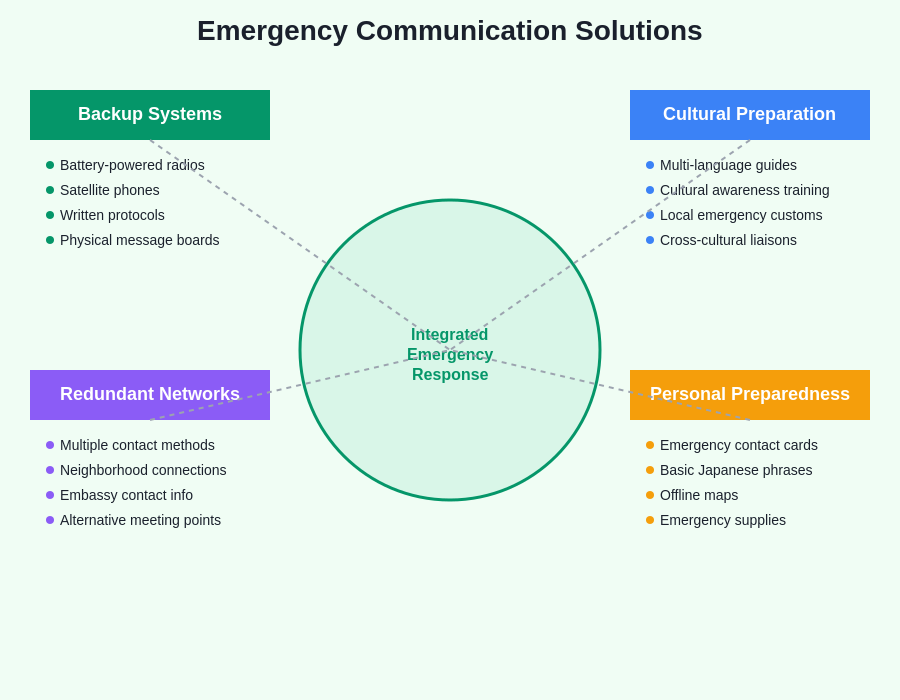
Implementing redundant communication systems and culturally-aware emergency protocols can significantly improve crisis response effectiveness while building community resilience that functions when traditional systems fail.
Disclaimer
This article is for informational purposes only and does not constitute professional emergency management or safety advice. Emergency procedures and communication requirements may vary by location, building type, and local regulations. Readers should consult with local emergency services, property managers, and relevant authorities to understand specific emergency procedures applicable to their situation. The effectiveness of emergency communication strategies may vary depending on individual circumstances, available resources, and emergency conditions.