Emergency contact systems in Tokyo sharehouses represent a critical safety infrastructure that most residents take for granted until they actually need assistance during a crisis situation. The theoretical framework of these systems often differs dramatically from their practical implementation, creating gaps between expected protection and actual response capabilities that can leave residents vulnerable during their most urgent moments of need.
Understanding how these systems function in real-world scenarios provides essential insights for residents who want to ensure their safety while living in shared accommodation environments. The complexity of coordinating emergency responses across multiple residents, language barriers, and varying levels of management involvement creates unique challenges that require careful examination and preparation.
The Structure of Sharehouse Emergency Contact Networks
Most Tokyo sharehouses maintain multi-tiered emergency contact systems designed to handle different types of crisis situations through designated response hierarchies. These networks typically include house managers, property management companies, building owners, and designated resident coordinators who each play specific roles during emergency situations.
The primary contact level usually consists of house managers or resident assistants who serve as first points of contact for day-to-day emergencies and non-life-threatening situations. How to find the perfect sharehouse in Tokyo emphasizes the importance of understanding these management structures during your initial property evaluation process.
Secondary contacts often include property management companies that oversee multiple sharehouses and maintain 24-hour emergency hotlines for serious incidents requiring professional intervention. These companies typically coordinate with local emergency services and provide translation support for international residents who may struggle with Japanese emergency communication protocols.
Tertiary emergency contacts frequently involve building owners, maintenance contractors, and specialized service providers who handle specific types of emergencies such as utility failures, security breaches, or structural problems that require immediate professional attention.
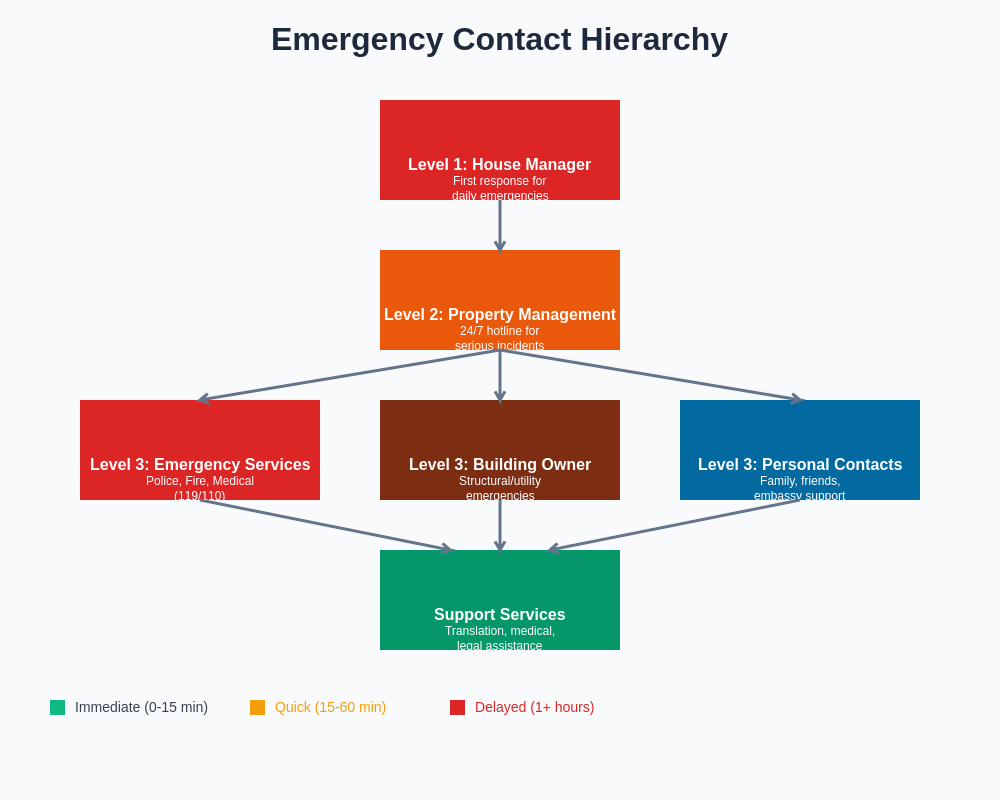
This multi-tiered structure ensures appropriate escalation pathways while distributing response responsibilities across different expertise levels and availability schedules.
Registration Requirements and Documentation Processes
The establishment of emergency contact information involves comprehensive documentation processes that vary significantly between different sharehouse operators and individual property requirements. What documents you need for Tokyo sharehouse applications covers the initial documentation requirements, but emergency contact registration often requires additional ongoing maintenance and updates.
Most sharehouses require residents to provide multiple emergency contacts including family members, employers, and local friends who can be reached during crisis situations. International residents often face challenges in providing appropriate local contacts, leading to reliance on distant family members or embassy contacts that may not be immediately accessible during urgent situations.
The documentation process typically includes contact preference specifications, language capabilities, and relationship descriptions that help emergency responders understand the most effective communication approaches for each individual resident. These details become crucial during actual emergencies when quick decision-making and clear communication can significantly impact response effectiveness.
Regular updates to emergency contact information remain mandatory but often neglected by residents whose circumstances change frequently due to job changes, relationship developments, or social network evolution. Living costs in Tokyo sharehouses explained touches on how life changes affect various aspects of sharehouse living, including emergency preparedness requirements.
Daily Operations and Routine Emergency Response
The practical functionality of emergency contact systems becomes most apparent during routine emergencies that occur regularly in shared living environments. These situations include medical incidents, utility failures, security concerns, and interpersonal conflicts that require immediate attention and coordinated response efforts.
Medical emergencies represent the most common and time-sensitive situations where emergency contact systems face their greatest tests. House managers must quickly assess situations, determine appropriate response levels, and coordinate between emergency services, family contacts, and property management while managing language barriers and cultural communication differences.
Utility emergencies such as water leaks, electrical failures, and heating system breakdowns require different response protocols that involve maintenance contacts, utility companies, and sometimes temporary relocation arrangements for affected residents. Understanding utility bills in Japanese sharehouses provides context for understanding these systems and their failure points.
Security incidents including break-ins, harassment, or dangerous resident behavior activate different emergency contact protocols that may involve police coordination, immediate resident safety measures, and long-term housing security evaluations that can affect entire house communities.
Language Barriers and Communication Challenges
International residents face significant communication challenges during emergency situations that can severely compromise the effectiveness of established contact systems. Language barriers affect not only direct communication with emergency responders but also the ability to clearly describe situations, understand instructions, and coordinate with other residents during crisis situations.
Many emergency contact systems rely heavily on Japanese language communication, creating bottlenecks when house managers or designated contacts are unavailable and residents must communicate directly with emergency services or property management companies. Japanese sharehouse rules every foreigner should know includes communication protocols, but emergency situations often exceed normal rule-based interactions.
Translation services and multilingual support vary dramatically between different sharehouse operators, with some providing comprehensive language assistance while others offer minimal support that leaves international residents struggling to navigate complex emergency procedures. The availability of translation support often correlates directly with the international focus and resident demographics of specific sharehouses.
Cultural communication differences compound language barriers by affecting how residents interpret emergency severity, appropriate response levels, and social expectations around help-seeking behavior that can delay critical response timing during urgent situations.
Technology Integration and Digital Emergency Systems
Modern sharehouses increasingly incorporate digital emergency contact systems that include mobile applications, automated notification systems, and online emergency reporting platforms designed to streamline crisis response coordination. These technological solutions offer potential improvements but also introduce new failure points and complexity layers that can complicate emergency response efforts.
Mobile emergency applications allow residents to quickly contact house managers, report incidents, and access emergency protocol information through user-friendly interfaces that overcome some language barrier challenges. However, these systems require regular maintenance, user education, and reliable internet connectivity that may not be available during certain types of emergencies.
Automated notification systems can quickly alert multiple contacts simultaneously about emergency situations, but they often lack the nuance and context-specific information that human coordinators provide during complex crisis situations. How to find the perfect sharehouse in Tokyo suggests evaluating technological emergency capabilities during property selection processes.
Digital emergency documentation systems maintain centralized records of resident emergency contacts, medical information, and previous incident histories that can improve response effectiveness but raise privacy concerns and require robust data security measures to protect sensitive resident information.
Common System Failures and Response Gaps
Real-world emergency contact systems frequently experience failures that reveal significant gaps between theoretical protocols and practical response capabilities. Understanding these common failure patterns helps residents prepare alternative response strategies and identify potential weaknesses in their housing emergency preparedness.
Contact unavailability represents the most frequent system failure, occurring when designated emergency contacts cannot be reached due to time zone differences, work schedules, travel, or personal circumstances that prevent immediate response. This problem particularly affects international residents whose family contacts may be sleeping or otherwise unavailable during Japan daytime emergencies.
Communication breakdowns often occur when multiple contact levels attempt to coordinate simultaneously, creating information confusion, duplicated efforts, and delayed response timing that can worsen emergency situations. Poor information handoff between house managers, property companies, and emergency services frequently results in critical details being lost or misunderstood.
Response capability mismatches happen when emergency contacts lack the authority, resources, or expertise needed to address specific types of crisis situations effectively. Real stories from Tokyo sharehouse residents provides authentic examples of how these systems perform under pressure.
System overload during major emergencies such as natural disasters or building-wide incidents can overwhelm emergency contact networks that are designed for individual resident situations but lack capacity for coordinating multiple simultaneous crisis responses affecting entire sharehouse communities.
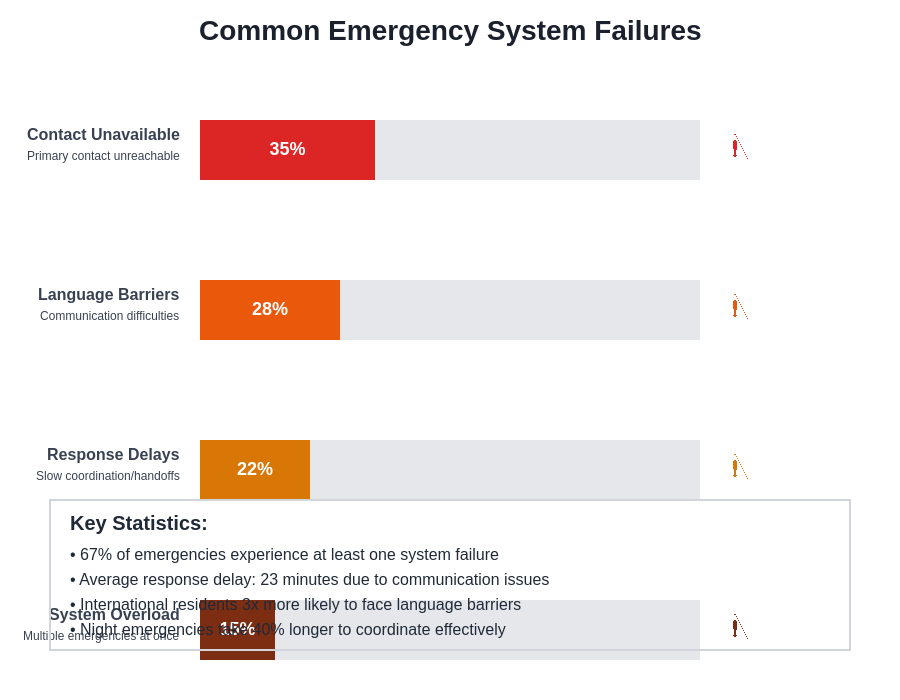
Understanding these failure patterns helps residents develop backup strategies and realistic expectations about emergency response capabilities during different types of crisis situations.
Building Effective Personal Emergency Networks
Residents can significantly improve their emergency preparedness by developing personal emergency networks that supplement official sharehouse contact systems with additional layers of support and communication redundancy. These personal networks should include both local and international contacts who can provide different types of assistance during various emergency scenarios.
Local emergency networks should include nearby friends, coworkers, or acquaintances who can provide immediate physical assistance, transportation, temporary accommodation, or language support during crisis situations. Making friends through Tokyo sharehouse communities offers strategies for building these crucial local connections.
Professional emergency contacts including employers, schools, or service providers can offer specialized support related to work obligations, academic requirements, or ongoing service needs that may be affected by emergency situations. These contacts can also provide advocacy and communication support when dealing with Japanese institutions or service providers.
International emergency networks maintain connections with family members, embassy services, and home country support systems that can provide financial assistance, legal guidance, or repatriation support during severe emergencies that exceed local response capabilities.
Legal Obligations and Resident Responsibilities
Understanding the legal framework surrounding emergency contact systems helps residents navigate their obligations and rights during crisis situations while ensuring compliance with Japanese regulations and sharehouse contractual requirements. These legal considerations affect both emergency response protocols and potential liability issues that can arise during crisis situations.
Sharehouse operators face legal obligations to maintain reasonable emergency response capabilities and provide appropriate assistance to residents during crisis situations. However, the specific scope and limitations of these obligations vary significantly between different types of housing arrangements and contractual structures. Why contract terms are more important than advertised prices explores related contractual considerations.
Resident responsibilities typically include maintaining current emergency contact information, participating in emergency drills or training programs, and following established protocols during actual emergency situations. Failure to meet these responsibilities can affect insurance coverage, liability protection, and continued housing eligibility.
Privacy regulations govern how emergency contact information can be collected, stored, shared, and used by sharehouse operators and emergency responders. Understanding these privacy protections helps residents make informed decisions about what information to provide and how it may be used during emergency situations.
Crisis Communication During Major Disasters
Major disaster scenarios such as earthquakes, typhoons, or other natural disasters test emergency contact systems beyond their normal operational parameters and reveal critical weaknesses in communication infrastructure and coordination capabilities. These situations require different response approaches and reveal the importance of community-level emergency preparedness.
Natural disasters often disrupt normal communication infrastructure including telephone networks, internet connectivity, and transportation systems that emergency contact systems depend upon for effective operation. Why earthquake preparedness varies by Tokyo area addresses location-specific disaster preparedness considerations that affect emergency response capabilities.
Community coordination becomes essential during major disasters when individual emergency contacts may be dealing with their own crisis situations and unable to provide usual support levels. Sharehouses must develop community-wide emergency response capabilities that can function independently when external contact systems become unavailable.
Information management during disasters requires clear communication protocols that prevent panic while ensuring residents receive accurate updates about safety conditions, evacuation procedures, and recovery resources. The challenge of managing multilingual communication during high-stress disaster situations often overwhelms normal emergency contact capabilities.
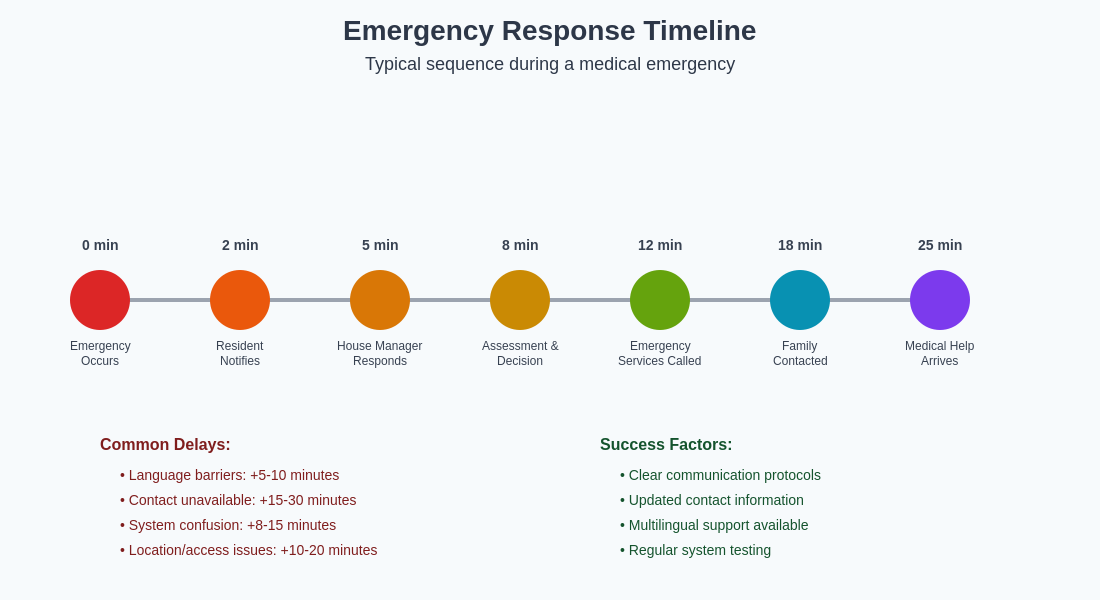
This typical response sequence illustrates the complexity of coordinating multiple contacts and decision points during time-sensitive emergency situations where delays can significantly impact outcomes.
Improving System Effectiveness Through Resident Engagement
Active resident participation significantly improves emergency contact system effectiveness by ensuring information accuracy, building community response capabilities, and creating redundant communication networks that function during system failures. Resident engagement also helps identify system weaknesses before they become critical during actual emergencies.
Regular emergency contact updates ensure that system information remains current and relevant to residents’ changing circumstances and social networks. Proactive residents who maintain accurate emergency information help ensure that response efforts can reach appropriate contacts quickly during crisis situations.
Community emergency training programs that include all residents help build collective response capabilities and establish communication protocols that function effectively during high-stress situations. Living with Japanese roommates in Tokyo sharehouses touches on community building approaches that support emergency preparedness efforts.
Feedback and system testing through regular drills or simulation exercises help identify communication gaps, contact availability issues, and protocol weaknesses that can be addressed before actual emergencies occur. Resident input about system effectiveness and suggested improvements can lead to practical enhancements that improve real-world response capabilities.
Emergency contact systems in Tokyo sharehouses function as essential safety infrastructure that requires understanding, maintenance, and active participation from residents to achieve optimal effectiveness. While these systems provide important protection and response capabilities, their practical limitations and common failure points necessitate supplementary personal emergency preparedness strategies that ensure residents can access help when they need it most. The investment in understanding and improving these systems pays dividends in safety, peace of mind, and community resilience that benefit all residents throughout their sharehouse living experience.
Disclaimer
This article provides general information about emergency contact systems in sharehouses and should not be considered as professional emergency response guidance or legal advice. Emergency procedures and contact requirements may vary significantly between different properties and operators. Readers should familiarize themselves with their specific sharehouse emergency protocols and maintain their own emergency preparedness plans. In actual emergencies, always contact appropriate emergency services immediately rather than relying solely on sharehouse contact systems.