Living among people from radically different cultural backgrounds fundamentally transforms how we understand and relate to others, creating profound shifts in empathy that extend far beyond simple tolerance or surface-level acceptance. The sharehouse environment in Tokyo serves as a unique laboratory for empathy development, where daily interactions with residents from diverse nations, belief systems, and life experiences gradually reshape our emotional responses and deepen our capacity for genuine understanding of human complexity.
The process of empathy development through cultural exposure operates on multiple psychological and social levels, influencing not only how we perceive others but also how we understand ourselves within the broader context of human experience. This transformation occurs through countless micro-interactions, challenging conversations, and shared moments that gradually break down the unconscious barriers we construct around our own cultural perspectives and worldviews.
The Neurological Foundation of Empathy Development
Recent neuroscientific research reveals that sustained exposure to diverse cultural perspectives literally rewires the brain, strengthening neural pathways associated with perspective-taking, emotional regulation, and social cognition. The mirror neuron systems that enable us to understand and relate to others become more sophisticated and nuanced when regularly exposed to unfamiliar cultural expressions, communication styles, and emotional patterns that exist outside our native cultural framework.
Living in student sharehouses near top Tokyo universities provides particularly rich environments for this neural development, as academic settings naturally bring together individuals from diverse educational systems, cultural values, and intellectual traditions. The constant negotiation of different learning styles, communication preferences, and problem-solving approaches creates optimal conditions for expanding empathetic capacity through direct experience rather than theoretical understanding.
The plasticity of the adult brain allows for continued development of empathetic responses well beyond childhood, with intensive cultural immersion serving as a powerful catalyst for rewiring deeply ingrained patterns of social perception and emotional response. This biological foundation explains why individuals who have lived in multicultural environments often demonstrate superior abilities in conflict resolution, cross-cultural communication, and emotional intelligence compared to those with limited exposure to cultural diversity.
Breaking Down Cultural Assumptions and Stereotypes
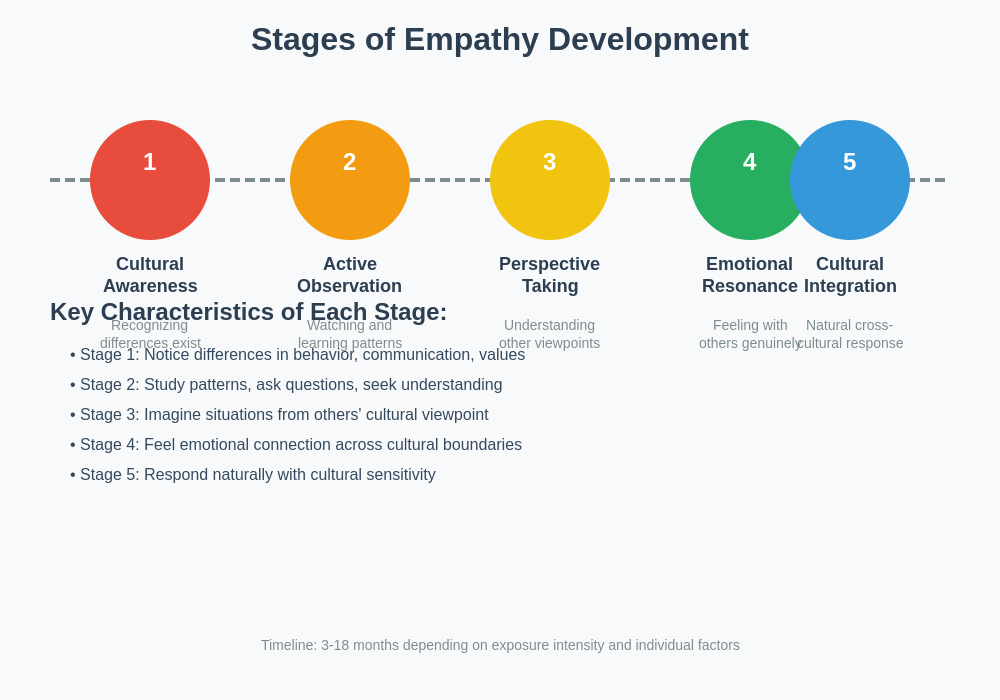
The daily reality of sharing living space with people whose backgrounds challenge our preconceived notions creates constant opportunities for dismantling stereotypes and cultural assumptions that we may not even realize we hold. Living with Japanese roommates in Tokyo sharehouses often reveals the vast differences between media representations of Japanese culture and the complex realities of individual personalities, beliefs, and behaviors that exist within any cultural group.
These revelations occur through mundane interactions rather than dramatic confrontations, as residents discover that their Indian housemate is actually vegetarian for health reasons rather than religious ones, or that their German roommate struggles with punctuality despite cultural stereotypes suggesting otherwise. Each small discovery chips away at the mental categories and assumptions that prevent genuine understanding and emotional connection between people from different backgrounds.
The process of stereotype dissolution requires confronting uncomfortable truths about our own unconscious biases and the limitations of our cultural perspective. How cultural differences affect friendship building demonstrates how moving beyond surface-level cultural markers allows for deeper connections based on shared values, complementary personalities, and mutual respect rather than exotic fascination or cultural tokenism.
This breakdown of assumptions extends beyond nationality and ethnicity to encompass socioeconomic backgrounds, educational experiences, family structures, and personal values that intersect with but transcend simple cultural categories. The complexity of individual identity becomes apparent through sustained interaction, revealing the inadequacy of broad generalizations for understanding any person’s motivations, fears, dreams, or daily struggles.
Developing Emotional Attunement Across Cultural Boundaries
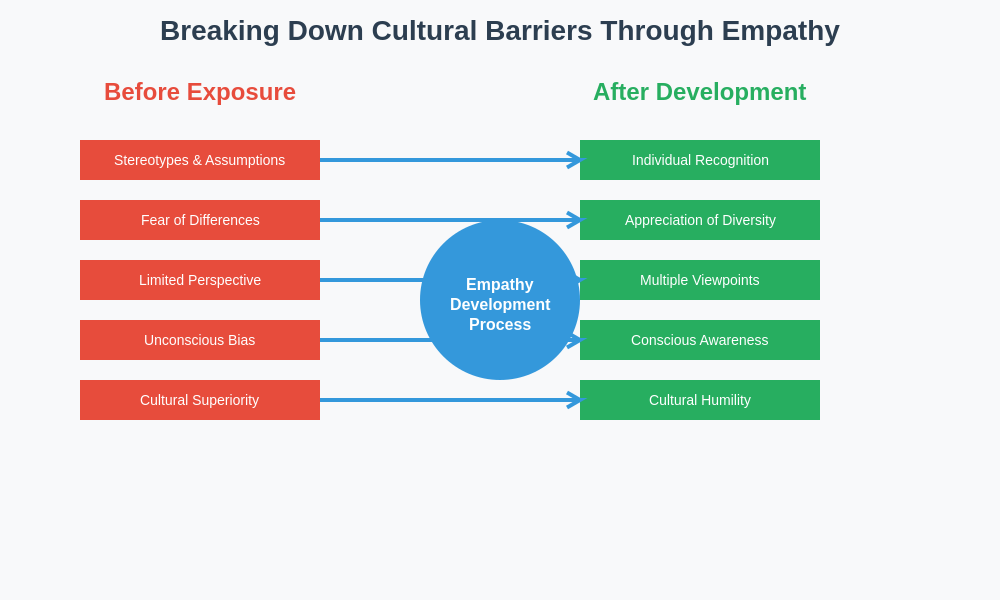
Cross-cultural empathy requires learning to recognize and respond appropriately to emotional expressions that may not align with familiar patterns of communication and feeling. Different cultures emphasize varying approaches to emotional expression, conflict resolution, and interpersonal connection, creating challenges for residents attempting to understand when someone is upset, excited, confused, or seeking support.
The Japanese concept of reading the atmosphere (kuuki o yomu) represents just one example of how emotional intelligence operates differently across cultural contexts, requiring foreign residents to develop sensitivity to subtle cues and indirect communication that may contrast sharply with more direct cultural styles. How non-verbal communication becomes more important explores how residents learn to interpret body language, facial expressions, and social dynamics that operate according to unfamiliar cultural scripts.
Developing emotional attunement across cultural boundaries involves expanding our repertoire of emotional recognition and response patterns to encompass different ways of expressing joy, sadness, frustration, affection, and concern. This expansion requires patience, observation, and willingness to ask questions when cultural differences create confusion or misunderstanding in interpersonal interactions.
The ability to provide emotional support to someone whose cultural background shapes their expectations around comfort, advice-giving, and problem-solving represents a sophisticated form of empathy that develops through trial, error, and genuine care for others’ wellbeing. How conflict resolution styles differ by culture illustrates how residents learn to navigate disagreements and tensions in ways that respect different approaches to addressing interpersonal challenges.
Language as a Bridge to Emotional Understanding
The process of communicating across language barriers creates unique opportunities for developing empathy, as residents must learn to understand not just the literal content of conversations but the emotional undertones, cultural contexts, and personal meanings that language carries for speakers of different native tongues. Language barriers that prevent deep friendships examines how these challenges also create opportunities for more intentional and mindful communication.
When verbal communication becomes limited or difficult, residents often develop heightened sensitivity to other forms of expression, paying closer attention to tone, gesture, and emotional energy that transcends specific words or phrases. This forced attention to non-verbal communication can actually deepen empathetic connection by requiring focus on the emotional essence of what someone is trying to convey rather than getting caught up in semantic details.
The experience of struggling to express complex emotions or ideas in a non-native language creates profound empathy for others facing similar challenges, as residents gain firsthand understanding of the frustration, vulnerability, and isolation that can result from communication barriers. This shared struggle often becomes a bonding experience that builds bridges between people who might otherwise remain strangers despite living in close proximity.
Language learning within the sharehouse context becomes a collaborative process where residents serve as informal teachers and students for each other, creating opportunities for cultural exchange that goes far beyond simple vocabulary or grammar instruction. These interactions reveal the deep connections between language and worldview, helping residents understand how different ways of describing and categorizing experience shape perception and emotional response.
Navigating Religious and Philosophical Differences
The diversity of religious beliefs, spiritual practices, and philosophical worldviews within international sharehouse communities creates opportunities for empathy development that extend beyond cultural and national differences to encompass fundamental questions about meaning, purpose, and moral values. How religious considerations affect daily routines demonstrates how residents learn to accommodate and respect different approaches to sacred time, dietary restrictions, and spiritual practices.
Observing housemates engage in daily prayers, meditation practices, or religious observances that may be completely unfamiliar provides insights into the role that spirituality plays in shaping identity, comfort, and connection for different individuals. This exposure often challenges residents to examine their own beliefs and assumptions about religion, spirituality, and the sources of meaning and purpose in human life.
The development of empathy around religious and philosophical differences requires moving beyond mere tolerance toward genuine curiosity and respect for worldviews that may conflict with personal beliefs or challenge fundamental assumptions about reality, morality, and human nature. This process often reveals the common human needs for belonging, purpose, and transcendence that manifest through different religious and philosophical traditions.
Engaging with residents whose ethical frameworks, political views, or life philosophies differ significantly from our own creates opportunities for intellectual empathy that complements emotional understanding. How traditional preferences impact modern sharehouse living explores how residents learn to navigate differences in values around family, career, relationships, and social responsibility while maintaining respectful and supportive community relationships.
Economic and Social Class Awareness
The intersection of residents from different economic backgrounds, educational levels, and social classes within sharehouse communities creates opportunities for developing empathy around economic inequality, privilege, and the varied circumstances that shape life opportunities and choices. How part-time income makes applications harder reveals how financial circumstances affect not only housing access but daily stress levels, social participation, and future planning capabilities.
Witnessing housemates navigate financial constraints, work multiple jobs, or manage family obligations that require significant financial sacrifice provides insights into the practical realities of economic inequality that statistics and news reports cannot convey. These observations often challenge assumptions about work ethic, life choices, and the factors that contribute to financial success or struggle.
The development of economic empathy involves understanding how financial stress affects mental health, relationship dynamics, and daily decision-making in ways that may not be immediately visible to those who have not experienced similar constraints. Why student budgets require different strategies demonstrates how residents learn to support each other through creative resource sharing, emotional encouragement, and practical assistance that respects dignity while addressing real needs.
This awareness extends beyond individual circumstances to encompass understanding of how different countries’ economic systems, educational opportunities, and social safety nets create vastly different contexts for personal development and life planning. Residents often gain appreciation for privileges they may have taken for granted while developing respect for the resilience and creativity that others demonstrate in overcoming systemic barriers.
Gender and Identity Perspectives
Living in diverse sharehouse communities exposes residents to different cultural approaches to gender roles, identity expression, and relationship dynamics that may challenge assumptions and expand understanding of human diversity in intimate and personal ways. How gender-specific sharehouses have different rules explores how these differences manifest in practical living arrangements and social expectations.
Observing how residents from different cultural backgrounds navigate gender expectations, career aspirations, family obligations, and personal relationships provides insights into the varied ways that societies construct and enforce gender norms. These observations often reveal both the universality of certain human experiences and the significant cultural variation in how those experiences are interpreted and valued.
The development of empathy around gender and identity issues requires sensitivity to both visible and invisible aspects of identity that may not conform to familiar categories or expectations. Dating while living in Tokyo sharehouses demonstrates how residents learn to navigate different cultural approaches to romance, sexuality, and relationship formation while respecting diverse values and boundaries.
This expanded understanding often includes recognition of how gender intersects with other aspects of identity including nationality, religion, economic status, and personal history to create unique combinations of opportunity and constraint that shape individual experiences and choices. The complexity of these intersections challenges simple generalizations while fostering appreciation for the courage required to navigate identity in cross-cultural contexts.
Trauma-Informed Empathy Development
The intimate nature of sharehouse living often exposes residents to the reality that many people carry invisible wounds from past experiences including war, persecution, family trauma, or personal loss that may not be immediately apparent but significantly influence behavior, relationships, and daily functioning. How homesickness hits differently in shared spaces touches on how separation from familiar support systems can intensify existing vulnerabilities.
Learning to recognize signs of trauma, respect boundaries around difficult topics, and provide appropriate support without overstepping requires developing sophisticated emotional intelligence and cultural sensitivity. Different cultures have varying approaches to mental health, emotional expression, and help-seeking that influence how residents may communicate distress or request assistance.
The development of trauma-informed empathy involves understanding how historical events, political situations, and social conditions in different countries create ongoing stress and anxiety for residents who may be dealing with visa uncertainty, family separation, or concerns about safety and stability in their home countries. This awareness often transforms casual interactions into opportunities for providing meaningful support and connection.
Building trust across cultural boundaries when trauma histories are involved requires patience, consistency, and willingness to learn about unfamiliar forms of suffering while avoiding assumptions about how trauma should be processed or healed. The healing potential of diverse, supportive community relationships becomes apparent as residents find ways to support each other through both current challenges and past wounds.
Practical Skills for Empathy Application
The theoretical understanding of empathy must translate into practical skills for responding appropriately to the needs, emotions, and cultural contexts of diverse housemates in daily situations. How to handle roommate conflicts without moving out provides frameworks for applying empathetic understanding to resolve disagreements and strengthen relationships across cultural boundaries.
Developing active listening skills that account for language barriers, cultural communication styles, and different approaches to sharing personal information requires practice and intentional effort to move beyond superficial interactions toward meaningful connection. This involves asking thoughtful questions, reflecting back what we hear, and checking for understanding rather than making assumptions about others’ experiences or needs.
The ability to offer support that aligns with different cultural expectations around help-giving, problem-solving, and emotional processing represents a sophisticated application of empathetic understanding. Some residents may prefer direct advice and practical assistance, while others may value emotional validation and space to process independently, requiring sensitivity to individual and cultural preferences.
Effective empathy also involves knowing when to step back and respect boundaries, understanding that good intentions do not automatically translate into helpful actions, and recognizing that some forms of support may be better provided by others who share cultural background, language, or specific expertise relevant to particular challenges.
Long-term Personal Transformation
The empathy developed through sustained cultural exposure in sharehouse communities creates lasting changes in personality, worldview, and approach to relationships that extend far beyond the sharehouse experience itself. Making friends through Tokyo sharehouse communities demonstrates how these deepened empathetic capacities enhance all future social and professional relationships.
Residents often report increased comfort with ambiguity, uncertainty, and difference in various life contexts, as they have developed skills for navigating unfamiliar social situations and building connections across various types of barriers. This enhanced social flexibility proves valuable in career advancement, romantic relationships, and civic participation that involve diverse groups and complex social dynamics.
The perspective-taking abilities developed through cross-cultural living contribute to more nuanced political views, consumer choices, and life decisions that account for broader impacts and different stakeholder perspectives. Why cultural competency develops faster in sharehouses explores how this accelerated learning creates lifelong advantages in an increasingly interconnected world.
The confidence gained through successfully navigating cultural differences and building meaningful relationships across barriers often inspires continued engagement with diversity and social justice issues throughout life. Many former sharehouse residents become advocates for inclusive policies, cultural exchange programs, and international cooperation efforts that reflect their personal understanding of human commonality beneath surface differences.
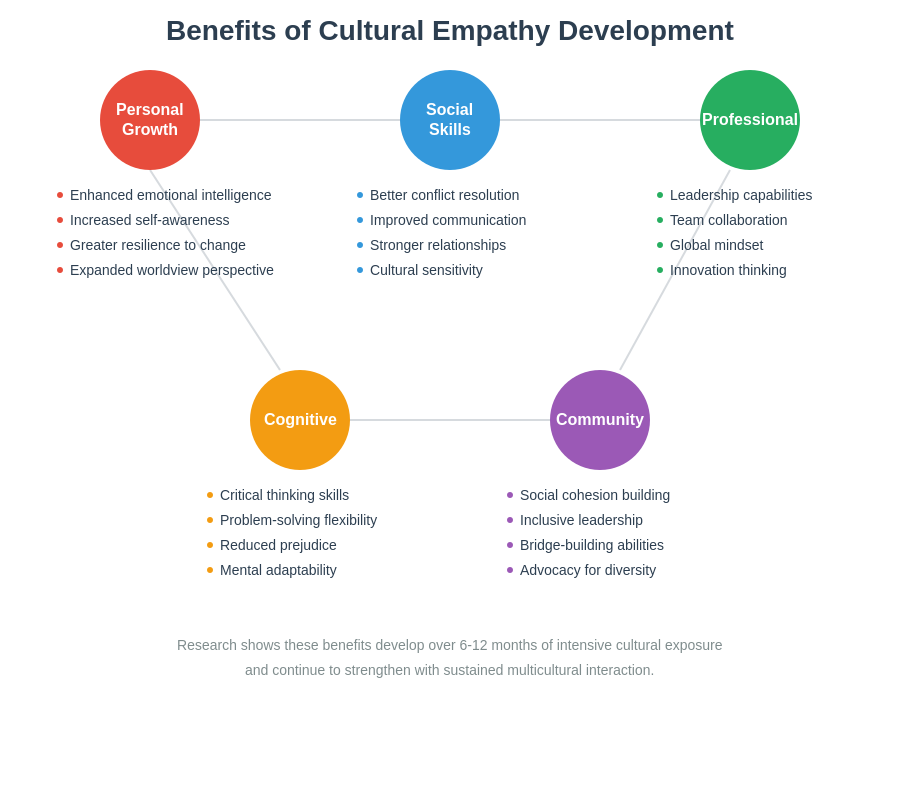
The profound personal growth that results from developing genuine empathy through cultural exposure represents one of the most valuable outcomes of international sharehouse living, creating individuals who are better equipped to contribute positively to an increasingly diverse and interconnected global society. This transformation touches every aspect of life, from professional effectiveness to personal relationships, civic engagement to parenting approaches, demonstrating the far-reaching impact of empathy development on human flourishing and social progress.
Disclaimer
This article is for informational purposes only and reflects general observations about empathy development through cultural exposure. Individual experiences may vary significantly based on personal background, cultural contexts, and specific community dynamics. The development of empathy is a complex psychological process that may be influenced by numerous factors beyond cultural exposure alone. Readers should consider their own circumstances and seek professional guidance when dealing with serious intercultural conflicts or mental health concerns.