Employment status represents one of the most critical factors determining sharehouse approval success in Tokyo, with property managers using this information as a primary indicator of financial stability, long-term residency potential, and overall risk assessment. The complexity of employment verification becomes particularly challenging for international residents navigating Japan’s housing market, where traditional employment patterns and cultural expectations often differ significantly from global standards. Understanding how various employment statuses influence approval decisions empowers applicants to present their qualifications strategically and address potential concerns proactively.
The relationship between employment status and housing approval reflects deeper cultural attitudes toward stability, responsibility, and community integration that permeate Japanese society. Property managers evaluate employment information not merely as financial verification but as insight into applicant character, lifestyle predictability, and compatibility with existing resident communities. This multifaceted evaluation process requires applicants to understand both explicit requirements and implicit expectations that guide approval decisions across different sharehouse operators and property types.
Understanding Employment Verification Requirements
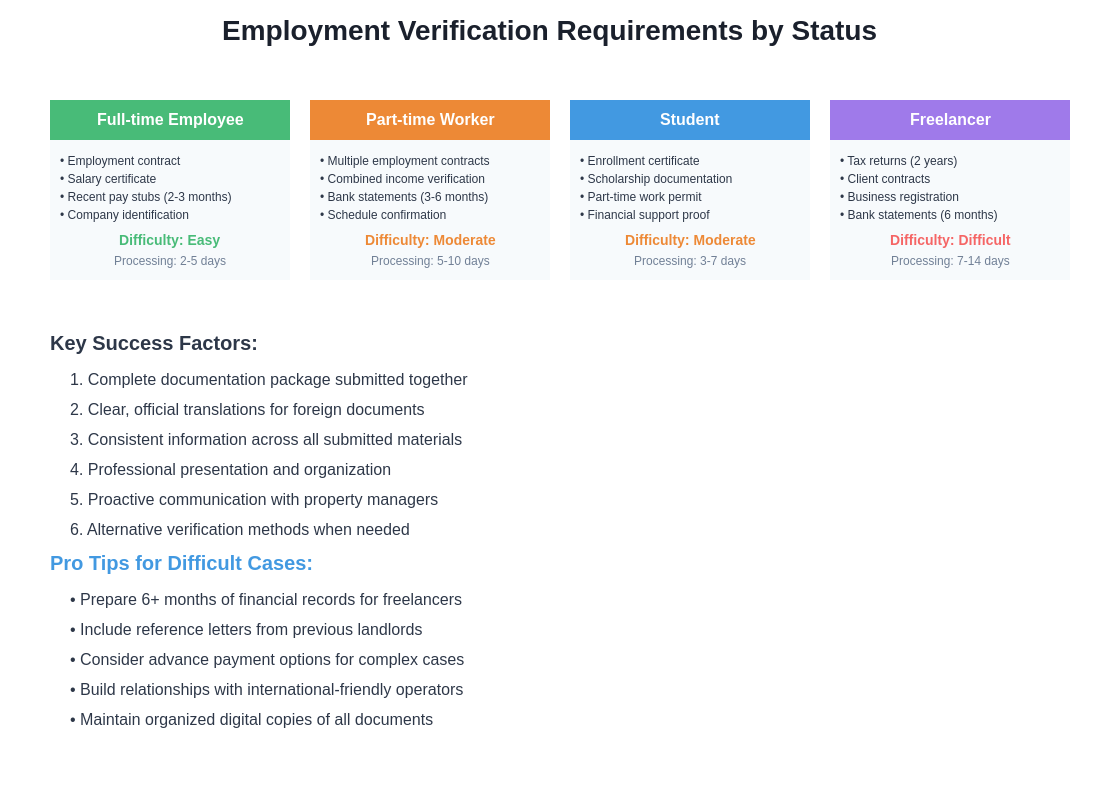
Tokyo sharehouse operators implement comprehensive employment verification systems designed to assess applicant financial capacity, residency stability, and long-term commitment potential. The documentation requirements typically include employment contracts, salary certificates, tax documents, and sometimes direct employer verification through official channels. What documents you need for Tokyo sharehouse applications provides essential guidance on preparing comprehensive application packages that address employment verification requirements effectively.
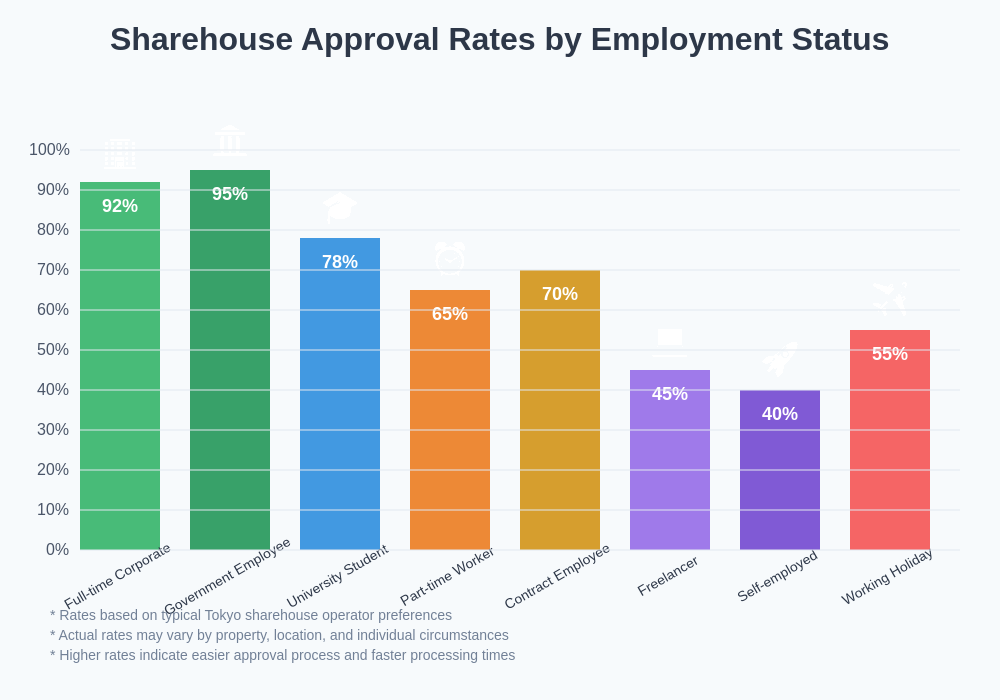
Traditional full-time employment with established Japanese companies represents the gold standard for sharehouse approval, offering property managers clear income verification, employment stability indicators, and cultural familiarity that reduces perceived risk factors. Employees of multinational corporations, government agencies, and educational institutions typically experience streamlined approval processes due to institutional recognition and established verification procedures that sharehouse operators understand and trust.
Contract employment, freelance work, and non-traditional employment arrangements face additional scrutiny during the approval process, requiring supplementary documentation and often alternative verification methods to demonstrate financial stability and residency commitment. The increasing prevalence of gig economy work and remote employment has prompted some progressive sharehouse operators to develop more flexible evaluation criteria, though traditional operators may maintain conservative approval standards.
Self-employed individuals and entrepreneurs encounter particular challenges in the approval process, as income documentation often lacks the standardization and institutional backing that property managers prefer. Business registration documents, tax filings, bank statements, and client contracts become essential components of demonstrating financial viability and professional legitimacy to skeptical property managers who may be unfamiliar with entrepreneurial income patterns.
Full-Time Employment Advantages
Full-time employees enjoy significant advantages throughout the sharehouse application process, benefiting from standardized documentation, predictable income verification, and cultural alignment with Japanese employment expectations. The monthly salary structure common in Japanese employment provides clear, consistent income evidence that property managers can easily evaluate against rent requirements and financial capacity thresholds.
Corporate employees of well-known companies often experience expedited approval processes, as property managers recognize institutional stability and may have established relationships with major employers that facilitate verification procedures. Business district sharehouses near Tokyo Station often cater specifically to corporate professionals, offering streamlined application processes and amenities designed for traditional working schedules.
Employment benefits such as housing allowances, transportation subsidies, and health insurance coverage enhance applicant profiles by demonstrating comprehensive financial support systems beyond basic salary requirements. These additional benefits indicate employer investment in employee welfare and suggest long-term employment stability that property managers view favorably during approval evaluations.
Company guarantor systems, where employers provide rental guarantees or references for employees, represent particularly powerful approval tools that can overcome other application weaknesses such as limited credit history or short residency periods. Large corporations sometimes maintain housing assistance programs that facilitate employee accommodation searches and provide additional credibility during the application process.
Part-Time and Contract Employment Challenges
Part-time and contract employees face heightened scrutiny during sharehouse approval processes, as variable income patterns and employment uncertainty create concerns about payment reliability and long-term tenancy stability. Property managers often require additional financial documentation, longer employment history verification, and sometimes supplementary income sources to compensate for perceived instability associated with non-permanent employment arrangements.
Why part-time income makes applications harder explores the specific challenges faced by workers in non-traditional employment arrangements and provides strategies for strengthening application profiles despite employment status limitations. Income volatility concerns prompt property managers to request multiple months of pay stubs, employment contracts detailing hours and duration, and sometimes bank statements demonstrating financial reserves.
Language school teachers, English conversation instructors, and other common foreign worker positions often involve part-time or contract arrangements that complicate approval processes despite relatively stable income patterns. The seasonal nature of some educational employment, combined with visa restrictions and contract renewal uncertainties, creates additional approval hurdles that require careful documentation and presentation strategies.
Multiple part-time positions can actually strengthen applications when properly documented, demonstrating diversified income sources and work ethic that appeals to property managers. However, the administrative complexity of verifying multiple employers and income streams may discourage some operators from approving such applications, particularly during high-demand periods when simpler applications are readily available.
Student Status Considerations
Student applicants occupy a unique position in sharehouse approval processes, with operators recognizing both the financial limitations and community benefits associated with student residents. University students often benefit from institutional recognition, particularly when attending prestigious institutions that property managers view favorably, creating approval advantages despite limited independent income capacity.
Student sharehouses near top Tokyo universities often provide specialized application processes designed to accommodate student financial circumstances while ensuring community stability. These properties may accept alternative income verification such as scholarship documentation, family financial support letters, or part-time employment combined with educational enrollment proof.
International students face additional complexity through visa restrictions that limit working hours and income potential, requiring careful balance between demonstrating financial capacity and compliance with immigration regulations. Student visa holders typically cannot work more than 28 hours per week, creating income limitations that property managers must weigh against other application strengths such as institutional affiliation and community contribution potential.
Graduate students and research scholars often possess stronger approval prospects due to longer program durations, institutional stipends, and demonstrated academic achievement that suggests responsibility and commitment. However, the uncertainty surrounding post-graduation plans may prompt property managers to request additional documentation regarding future employment intentions or visa status transitions.
Freelance and Self-Employment Hurdles
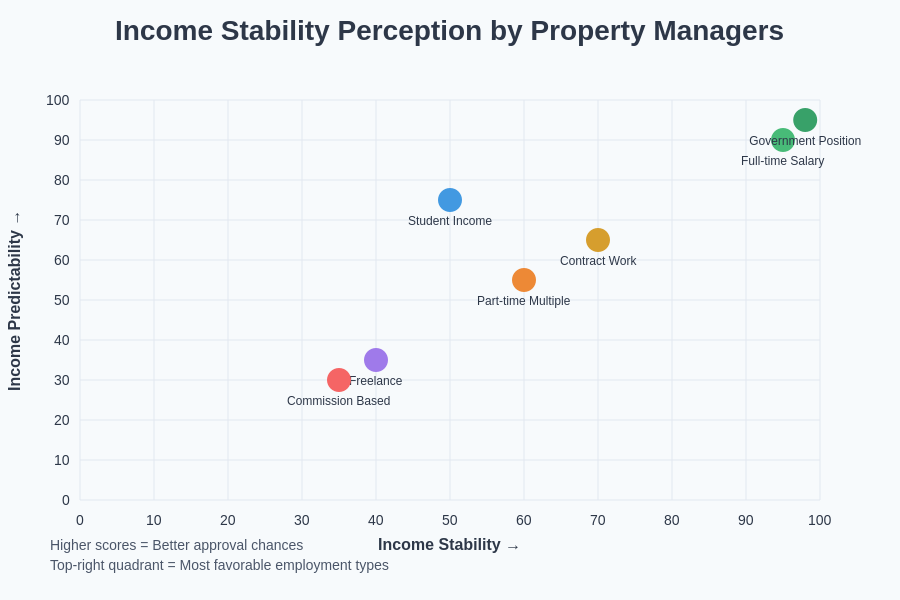
Freelance professionals and self-employed individuals encounter significant challenges in sharehouse approval processes, as traditional income verification methods prove inadequate for documenting irregular earnings and project-based work patterns. Property managers accustomed to standardized employment documentation struggle to evaluate freelance income reliability and may default to rejection rather than navigating unfamiliar verification processes.
Why freelance income makes applications difficult examines the specific documentation strategies and presentation methods that can improve approval odds for independent workers. Tax documentation, client contracts, portfolio evidence, and bank statements spanning several months become essential components of demonstrating financial viability and professional legitimacy.
Creative professionals such as artists, writers, and designers face particular skepticism from conservative property managers who may question income sustainability and lifestyle compatibility with traditional sharehouse communities. Building comprehensive portfolios that demonstrate consistent work history, client relationships, and income progression helps address these concerns while showcasing professional credibility.
Digital nomads and remote workers represent emerging employment categories that challenge traditional approval frameworks, as location independence and international client bases complicate standard verification procedures. Some modern sharehouse operators have adapted to accommodate these workers, recognizing their contribution to international community dynamics and often stable income streams despite non-traditional employment structures.
Visa Status Interdependencies
Employment status and visa status intertwine to create complex approval considerations that significantly impact sharehouse application success rates. Different visa types carry varying employment restrictions, residency durations, and renewal uncertainties that property managers evaluate as risk factors during approval processes. How visa status affects your sharehouse application provides comprehensive guidance on navigating these interconnected requirements.
Working holiday visa holders face particular challenges as their temporary status and employment flexibility create uncertainty about long-term residency commitment and income stability. While working holiday visas provide employment authorization, the one-year duration and age restrictions signal temporary residence that may discourage property managers seeking stable, long-term tenants for community continuity.
Spouse visa holders typically enjoy greater approval flexibility as their residency status provides long-term stability despite potential employment limitations or career transitions. However, non-working spouses may need to provide additional documentation regarding household income, partner employment, or alternative financial support to satisfy property manager requirements.
Highly skilled professional visas often facilitate approval processes due to their association with stable employment, higher income levels, and long-term residency potential. These visa categories signal government recognition of professional qualifications and economic contribution that property managers view favorably during evaluation processes.
Income Verification Strategies
Effective income verification requires strategic documentation presentation that addresses property manager concerns while highlighting financial stability and payment reliability. Traditional pay stubs and employment certificates represent baseline requirements, but supplementary documentation can significantly strengthen applications regardless of employment status. Bank statements demonstrating consistent deposits, savings account balances, and financial management competency provide additional credibility beyond basic income verification.
Alternative income documentation becomes crucial for non-traditional workers, including client contracts, invoice records, business registration documents, and tax filings that demonstrate professional legitimacy and income patterns. Understanding utility bills in Japanese sharehouses helps applicants understand ongoing financial obligations beyond rent that property managers consider during approval evaluations.
Multiple income source documentation can strengthen applications by demonstrating diversified financial stability, though this approach requires careful organization and presentation to avoid appearing unstable or unreliable. Part-time workers might combine employment income with savings, family support, or educational stipends to meet property manager financial thresholds.
Professional references from employers, clients, or business partners can supplement income documentation by providing third-party verification of work relationships and earning potential. These references become particularly valuable for freelancers, entrepreneurs, and other non-traditional workers whose income patterns may not conform to standard verification procedures.
Building Strong Application Profiles
Successful sharehouse applications require comprehensive profile development that addresses employment status limitations while highlighting strengths that appeal to property managers. Professional presentation of employment documentation, clear communication about income stability, and proactive addressing of potential concerns demonstrate applicant seriousness and responsibility that influence approval decisions.
How to spot financial red flags in sharehouse contracts helps applicants understand property manager perspectives and concerns that guide approval decisions, enabling strategic application preparation that addresses common objections before they arise. Understanding evaluation criteria allows applicants to tailor their presentations to specific operator preferences and requirements.
Personal statements or cover letters can provide context for employment situations that may appear concerning in documentation alone, such as recent job changes, career transitions, or industry-specific work patterns. These narratives help humanize applications and demonstrate thoughtful consideration of housing commitments and community integration goals.
Timeline management becomes crucial for applicants whose employment status may change, such as students approaching graduation, contract workers awaiting renewal, or visa holders planning status transitions. Strategic application timing can align with strong employment periods or avoid potential weakness periods that might complicate approval processes.
Alternative Approval Pathways
Some sharehouse operators offer alternative approval pathways for applicants whose employment status doesn’t conform to traditional requirements but who demonstrate financial capacity through other means. Prepayment options, where applicants pay several months rent in advance, can overcome employment status concerns by providing immediate financial security to property managers.
Guarantor systems represent another alternative pathway, where third parties provide financial backing or character references that substitute for direct employment verification. Japanese sharehouse rules every foreigner should know includes information about guarantor requirements and alternatives available to international residents.
Co-signing arrangements with employed friends, family members, or professional contacts can provide the employment stability verification that property managers require while allowing non-traditional workers to access housing options that might otherwise be unavailable. These arrangements require careful legal consideration and clear agreements about financial responsibilities.
Specialized sharehouse operators that cater to specific demographics such as artists, entrepreneurs, or international workers may maintain more flexible approval criteria that accommodate non-traditional employment patterns. These properties often recognize the value of diverse resident communities and adjust their evaluation processes accordingly.
Negotiation and Communication Tactics
Effective communication with property managers can significantly impact approval outcomes, particularly for applicants whose employment status requires additional explanation or context. Professional, respectful dialogue that demonstrates cultural awareness and genuine interest in community integration often influences approval decisions beyond pure financial qualifications.
Transparency about employment status challenges, combined with proactive presentation of solutions or compensating factors, builds trust with property managers who appreciate honest communication over attempts to hide potential concerns. This approach enables collaborative problem-solving that may identify mutually acceptable approval pathways.
Follow-up communication after initial application submission demonstrates genuine interest and provides opportunities to address questions or concerns that arise during evaluation processes. Living with Japanese roommates in Tokyo sharehouses provides insights into cultural communication preferences that can improve applicant interactions with property managers.
Flexibility regarding move-in timing, room preferences, or contract terms can provide additional negotiation leverage for applicants whose employment status creates approval challenges. Demonstrating accommodation and understanding of property manager constraints often generates goodwill that influences final approval decisions.
Understanding employment status impacts on sharehouse approval enables strategic application preparation that maximizes success probability while building authentic relationships with property managers and future housemates. The investment in comprehensive documentation, professional presentation, and cultural sensitivity creates benefits extending far beyond initial approval into successful long-term residency experiences that enrich both individual lives and sharehouse communities throughout Tokyo.
Disclaimer
This article is for informational purposes only and does not constitute professional legal or employment advice. Employment status requirements and approval criteria vary significantly between sharehouse operators and may change over time. Readers should verify current requirements with specific properties and consult relevant professionals regarding their individual circumstances. The strategies mentioned may not be suitable for all situations and success rates can vary based on market conditions and individual qualifications.