Energy conservation initiatives in Tokyo sharehouses encounter unexpected resistance from residents who seemingly support environmental causes yet struggle to implement sustainable practices in their daily living routines. The gap between environmental awareness and actual behavioral change reveals complex psychological, cultural, and practical barriers that property managers and environmentally conscious residents must navigate to achieve meaningful energy reduction goals in shared living environments.
The challenge of implementing effective energy conservation measures extends beyond simple awareness campaigns or policy changes, requiring deep understanding of human behavior, cultural differences, and the unique dynamics that emerge when multiple individuals from diverse backgrounds share living spaces and utility responsibilities. This resistance often surprises well-intentioned property managers who assume that educating residents about environmental benefits will naturally lead to behavioral changes.
The Psychology of Shared Responsibility
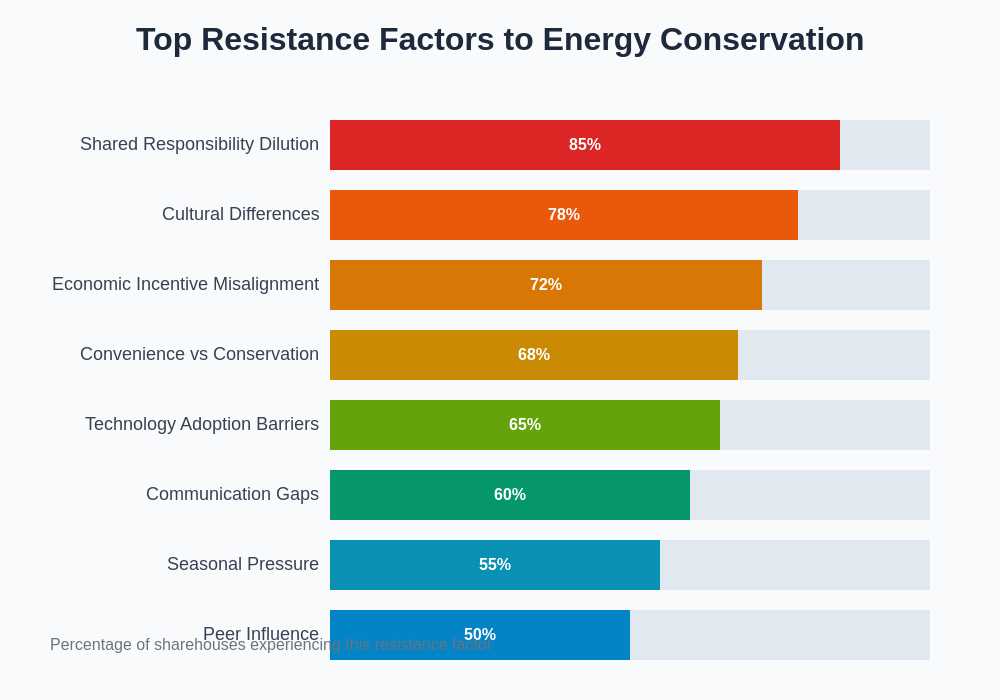
Individual accountability becomes diluted in shared living environments where multiple residents contribute to overall energy consumption without clear visibility into their personal impact on collective utility bills. Understanding utility bills in Japanese sharehouses reveals how billing structures often obscure individual consumption patterns, making it difficult for residents to connect their behaviors with financial consequences.
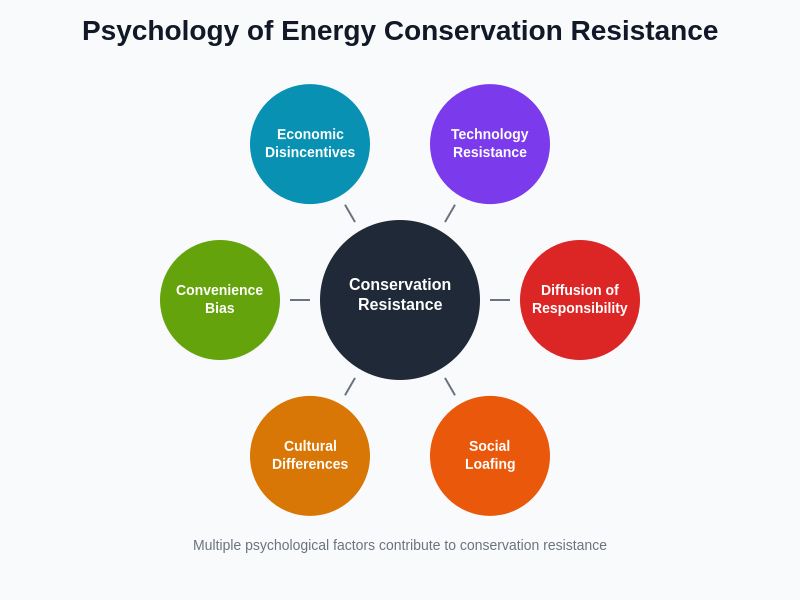
The psychological phenomenon known as the “tragedy of the commons” manifests prominently in sharehouse energy consumption patterns, where rational individuals acting in their personal interest collectively deplete shared resources despite understanding that cooperation would benefit everyone. Residents may support energy conservation in principle while simultaneously justifying their own energy-intensive behaviors through various mental mechanisms and social comparisons.
Social loafing becomes particularly problematic when residents assume others will compensate for their energy usage or when they perceive their individual contribution as negligible compared to the overall household consumption. This diffusion of responsibility creates situations where everyone expects someone else to take the initiative for conservation measures, resulting in collective inaction despite widespread awareness of energy costs and environmental concerns.
The lack of immediate feedback mechanisms between individual actions and consequences further complicates behavioral modification efforts, as residents rarely see real-time impacts of their energy consumption decisions on utility bills or environmental metrics. This temporal disconnect between behavior and consequences weakens the psychological incentives for sustainable practices.
Cultural Barriers to Conservation Adoption
Different cultural backgrounds among international sharehouse residents create conflicting perspectives on appropriate energy use, comfort standards, and conservation priorities that can undermine unified conservation efforts. Living with Japanese roommates in Tokyo sharehouses highlights how varying cultural norms around energy use can create tension and misunderstandings in conservation initiatives.
Some residents come from countries where energy costs represent minimal portions of household budgets, making them less sensitive to conservation arguments based on financial savings. Others may have grown up with abundant energy resources and view certain consumption levels as basic comfort requirements rather than luxury items that could be reduced without significant lifestyle impacts.
Generational differences in environmental awareness and technological comfort levels also influence conservation adoption rates, with younger residents often more willing to embrace smart home technologies and energy monitoring systems while older residents may prefer traditional approaches or resist technological solutions they perceive as complicated or invasive.
Regional climate experiences affect expectations around heating and cooling systems, with residents from tropical climates potentially overusing air conditioning during Tokyo summers while those from colder regions may have different heating preferences during winter months. These diverse comfort expectations create challenges for establishing house-wide temperature policies that satisfy all residents while achieving energy reduction goals.
Economic Incentive Misalignment
The structure of utility billing in many Tokyo sharehouses creates economic incentive problems where individual conservation efforts do not translate into proportional financial benefits for the residents making sacrifices. Living costs in Tokyo sharehouses explained demonstrates how flat-rate utility arrangements can discourage conservation by removing direct financial incentives for reduced consumption.
When utility costs are distributed equally among all residents regardless of individual usage patterns, heavy energy users effectively subsidize their consumption through the conservation efforts of more environmentally conscious housemates. This creates resentment and reduces motivation for continued conservation efforts among residents who feel their sacrifices go unrecognized and unrewarded.
Property management companies may resist implementing individual metering systems due to installation costs, administrative complexity, or concerns about creating conflicts between residents with different consumption patterns. The upfront investment required for smart metering and monitoring systems often appears prohibitive compared to simple equal-distribution billing approaches, despite potential long-term benefits.
Short-term residence patterns common in sharehouses reduce incentives for long-term energy efficiency investments, as residents may be reluctant to invest time and effort in conservation measures that primarily benefit future occupants rather than themselves. How much tokyo sharehouses really cost per month explores how temporary living arrangements affect investment perspectives on efficiency improvements.
Technological Adoption Challenges
Smart home technologies and energy monitoring systems face adoption resistance from residents who perceive these tools as invasive, complicated, or unnecessary for their temporary living situations. The learning curve associated with new technologies can discourage participation, particularly among residents who are already managing multiple adjustments related to living in a foreign country and shared environment.
Privacy concerns arise when residents worry that energy monitoring systems could reveal personal information about their daily routines, sleep schedules, or presence in the building. These concerns are particularly acute in shared living situations where residents value maintaining some personal privacy despite sharing common spaces and utilities with multiple housemates.
Compatibility issues between different technological preferences and devices can complicate house-wide implementation of energy management systems, especially when residents bring their own electronics and appliances that may not integrate well with building-wide conservation technologies. The diversity of personal devices and technology comfort levels makes standardized approaches difficult to implement effectively.
The rapid pace of technological change means that energy conservation systems installed today may become obsolete quickly, creating resistance from both property managers concerned about investment returns and residents who question the long-term viability of learning new systems for temporary living arrangements.
Communication and Leadership Gaps
Effective energy conservation requires clear communication channels and leadership structures that are often absent or underdeveloped in sharehouse environments where residents may have limited shared language capabilities and no clear authority hierarchy for implementing building-wide initiatives. Japanese sharehouse rules every foreigner should know illustrates how communication challenges can complicate policy implementation.
Language barriers complicate conservation education efforts, as complex concepts related to energy efficiency, environmental impact, and behavioral change require nuanced communication that may be difficult to convey effectively across multiple languages and cultural contexts. Technical information about energy systems and conservation strategies often gets lost in translation or oversimplified to the point of losing effectiveness.
The absence of natural leadership structures in sharehouse communities means that conservation initiatives often lack consistent advocacy and enforcement, relying on voluntary compliance that tends to weaken over time without ongoing reinforcement and encouragement from recognized community leaders or property management.
Conflicting communication styles and cultural approaches to authority and consensus-building can undermine conservation efforts when residents have different expectations about how decisions should be made, policies implemented, and compliance encouraged within the shared living community.
Convenience Versus Conservation Trade-offs
Modern lifestyles prioritize convenience and immediate comfort over long-term environmental benefits, creating tension between conservation goals and daily living preferences that many residents are unwilling to compromise. How to find the perfect sharehouse in tokyo shows how convenience factors often outweigh environmental considerations in housing decisions.
The perceived inconvenience of conservation measures often outweighs their environmental benefits in residents’ daily decision-making processes, particularly when conservation requires ongoing attention, behavior modification, or acceptance of reduced comfort levels. Simple actions like adjusting thermostats, timing appliance use, or monitoring consumption require mental energy that busy residents may be unwilling to allocate consistently.
Competing priorities around work schedules, social activities, and personal time management leave little bandwidth for energy conservation considerations that are perceived as additional burdens rather than integrated lifestyle choices. The cognitive load of constantly making energy-conscious decisions can lead to decision fatigue and eventual abandonment of conservation efforts.
Emergency situations and time pressures often override conservation considerations, as residents prioritize immediate needs over longer-term environmental goals when faced with deadlines, stress, or urgent circumstances that require rapid energy-intensive solutions like emergency heating, cooling, or extended device usage.
Social Dynamics and Peer Pressure
Peer influence works both positively and negatively in sharehouse energy conservation efforts, with some residents feeling pressure to conform to high-consumption behaviors they observe in housemates while others may be inspired by conservation role models within their living community. Making friends through tokyo sharehouse communities explores how social relationships influence behavior patterns.
Social proof becomes complicated in diverse communities where different cultural norms around energy use create conflicting examples of appropriate behavior, making it difficult for residents to determine which consumption patterns represent acceptable community standards. The lack of clear social consensus around conservation expectations allows individuals to justify high-consumption behaviors by pointing to others who consume even more energy.
Group dynamics can create resistance to conservation initiatives when they are perceived as imposed by outsiders or when they require collective action that disrupts established social hierarchies or comfort levels within the sharehouse community. Changes that affect shared spaces or common amenities may face resistance if they are seen as reducing the community’s quality of life or social activities.
The desire to fit in and avoid conflict can prevent residents from advocating for stronger conservation measures even when they personally support environmental goals, as they may fear being perceived as difficult or overly demanding by their housemates who prefer maintaining current consumption patterns.
Seasonal and Temporal Resistance Patterns
Energy conservation resistance fluctuates with seasonal weather patterns, as extreme temperatures during Tokyo’s hot summers and cold winters create perceived necessities for energy-intensive heating and cooling systems that residents are reluctant to restrict despite environmental and financial concerns. Why heating bills create monthly budget chaos demonstrates how seasonal variations affect utility expenses and conservation willingness.
Holiday periods and social events create temporary abandonment of conservation practices as residents prioritize comfort and hospitality over energy efficiency during celebrations, gatherings, and special occasions that require additional lighting, heating, cooling, or appliance usage for extended periods or larger groups of people.
Academic and work schedule pressures during exam periods or project deadlines lead to increased energy consumption as residents extend their study hours, use additional lighting and heating, and rely more heavily on electronic devices and comfort systems that support their productivity goals despite conservation objectives.
The honeymoon period of new conservation initiatives often gives way to gradual abandonment as initial enthusiasm wanes and residents return to habitual behavior patterns that prioritize convenience and immediate comfort over sustained environmental efforts that require ongoing attention and behavioral modification.
Economic and Market Forces
Fluctuating energy prices and government subsidies create uncertainty around the financial benefits of conservation efforts, as residents may be reluctant to invest time and effort in energy-saving measures when the economic returns are unpredictable or when subsidies reduce the immediate financial impact of high consumption patterns.
The availability of cheap electronics and appliances encourages consumption patterns that prioritize convenience and functionality over energy efficiency, as residents can easily acquire additional devices and systems that increase overall household energy consumption without significant upfront investment considerations.
Market competition among sharehouse providers may discourage energy conservation initiatives if operators fear that conservation requirements or restrictions might make their properties less attractive to potential residents compared to competitors who offer fewer environmental restrictions and higher energy usage allowances.

Short-term rental markets and high resident turnover reduce incentives for long-term efficiency investments, as property owners and residents both prioritize immediate returns over conservation measures that require sustained commitment and may primarily benefit future occupants rather than current stakeholders.
Overcoming Resistance Through Strategic Approaches
Successful energy conservation in sharehouses requires comprehensive strategies that address psychological, cultural, and economic barriers simultaneously rather than relying solely on education or policy mandates that fail to account for the complex human factors influencing behavior change in shared living environments.
Creating immediate feedback mechanisms through smart meters, energy monitoring apps, and real-time consumption displays helps bridge the gap between individual actions and consequences, making energy use more visible and psychologically relevant to residents who may not otherwise connect their behaviors with utility outcomes.
Implementing tiered billing systems that provide economic incentives for conservation while maintaining fairness across diverse consumption patterns can align individual financial interests with collective environmental goals, rewarding conservation efforts while avoiding penalization of residents with legitimate higher energy needs.
Building conservation into social activities and community-building efforts transforms energy efficiency from an individual burden into a collective goal that strengthens community bonds and creates positive peer pressure for sustainable behaviors rather than treating conservation as a restriction on personal comfort and convenience.
The path toward effective energy conservation in sharehouses requires acknowledging and addressing the fundamental human and systemic factors that create resistance rather than assuming that awareness and good intentions will naturally lead to sustainable behaviors in complex social living environments.
Disclaimer
This article is for informational purposes only and does not constitute professional advice on energy management or environmental policy. Energy conservation challenges and solutions may vary significantly depending on specific sharehouse conditions, local regulations, and resident demographics. Readers should consult with property managers and energy professionals when implementing conservation initiatives. The effectiveness of suggested approaches may differ based on individual circumstances and local market conditions.